Born
February 16, 1921
Jiaocheng County, People's Republic of China
Died
August 20, 2008
Beijing, People's Republic of China
Known for
2nd Chairman of the Chinese Communist Party, 2nd Premier of the People's Republic of China
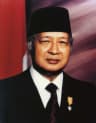
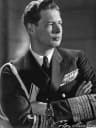
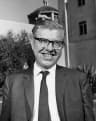
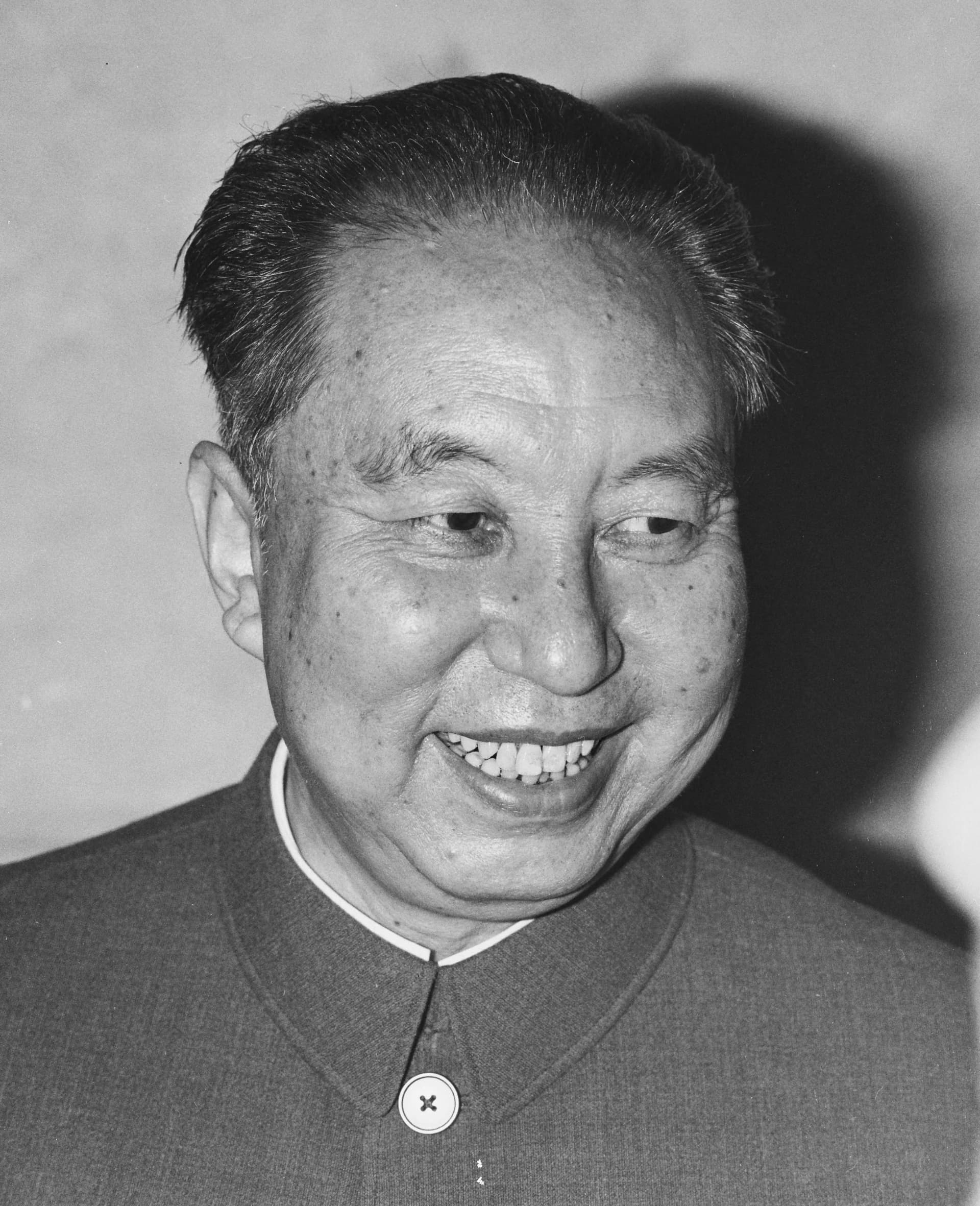
Hua Guofeng (1921–2008) was People's Republic of China best known for 2nd Chairman of the Chinese Communist Party, 2nd Premier of the People's Republic of China.
Hua Guofeng (February 16, 1921 – August 20, 2008) was a politician from Jiaocheng County, China. He served as the 2nd Chairman of the Chinese Communist Party and 2nd Premier of the People's Republic of China, succeeding Mao Zedong. His leadership helped stabilize China during a critical transitional period.
Chapter
Life chapters
Chapter 1 · 1921· Chapter 1 of 7
Early Life and Origins
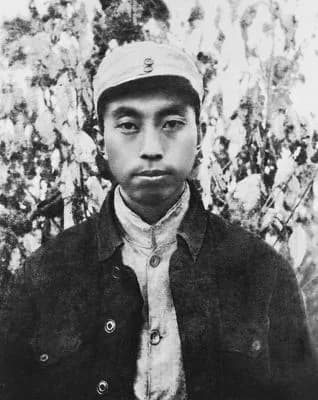
Hua Guofeng began his life on February 16, 1921, in Jiaocheng County, a region located within what is now the People's Republic of China. His early years in this rural setting provided him with an understanding of the lives and needs of the Chinese populace. While specific details of his family background and early education are not extensively documented in public records, his upbringing in Jiaocheng County undoubtedly shaped his perspectives and future political ambitions.
Chapter 2· Chapter 2 of 7
Career Beginnings
Hua Guofeng's entry into the political arena saw him steadily rise through the ranks of the Chinese Communist Party. His journey from local activities to national prominence was a testament to his dedication and administrative capabilities within the party structure. These formative experiences in regional governance and party organization prepared him for the significant responsibilities he would later undertake.
Chapter 3· Chapter 3 of 7
Major Achievements and Career Highlights
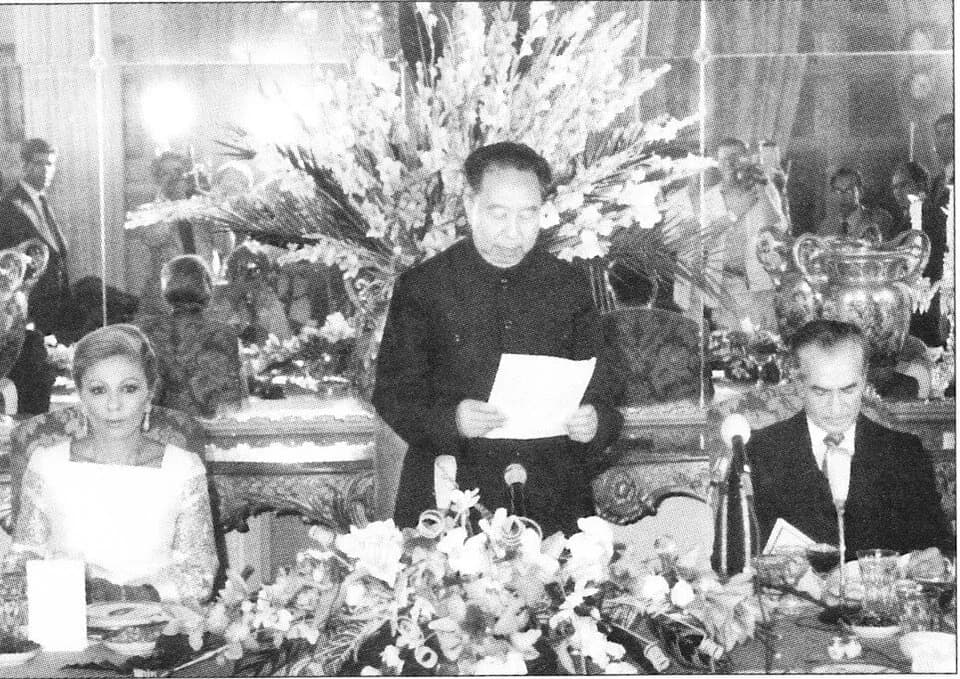
The pinnacle of Hua Guofeng's career arrived after the deaths of two foundational figures of modern China: Mao Zedong and Premier Zhou Enlai. In this moment of national uncertainty, he assumed the crucial position of Chairman of the Chinese Communist Party, effectively becoming Mao Zedong's designated successor. Concurrently, he also took on the demanding role of the 2nd Premier of the People's Republic of China, consolidating immense power in his hands.
Holding the top offices of the government, party, and the military, Hua Guofeng was entrusted with guiding the nation through a complex post-Mao era. He oversaw the immediate aftermath of the Cultural Revolution and initiated efforts towards national stability and economic recovery. His leadership during this critical juncture set the stage for China's future trajectory, navigating significant internal and external pressures.
Chapter 4· Chapter 4 of 7
Personal Life
Throughout his public life, Hua Guofeng maintained a degree of privacy regarding his personal affairs. The information provided does not detail aspects of his family life, relationships, or personal interests outside of his extensive political career. His public persona remained largely focused on his official duties and responsibilities as a statesman.
Chapter 5· Chapter 5 of 7
Notable Works or Contributions
Hua Guofeng's contributions were primarily through his leadership and policy-making in the highest echelons of Chinese politics. As Chairman and Premier, he directed national policies and oversaw the functioning of the state apparatus during a pivotal period. His political decisions and administrative guidance during this transitional phase constitute his most significant body of work, rather than specific written publications or artistic creations.
Chapter 6 · 1978· Chapter 6 of 7
Later Years
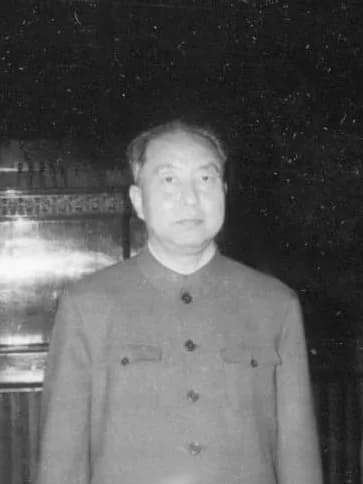
Hua Guofeng's time at the absolute forefront of Chinese politics began to recede between December 1978 and June 1981. During this period, he was gradually compelled to step back from his leadership roles as new political dynamics and leadership structures emerged within the party. He subsequently retreated from the immediate political limelight, yielding power to a new generation of leaders.
Despite his departure from the top offices, Hua Guofeng remained a member of the Central Committee of the Chinese Communist Party until 2002, maintaining a connection to the party he served for so long. He lived for several more years, passing away on August 20, 2008, in Beijing, People's Republic of China. He lived to the age of 87, having witnessed many profound changes in his nation.
Chapter 7· Chapter 7 of 7
Legacy and Impact
Hua Guofeng's legacy is inextricably tied to his role as the chosen successor to Mao Zedong and his efforts to stabilize China following a period of intense upheaval. He represented a transitional figure, bridging the revolutionary past with the era of reform that would follow. His efforts, though ultimately constrained by evolving political forces, were essential in maintaining continuity during a moment of profound national change.
He is remembered as a leader who took on immense responsibility during a volatile time, steering the country through its initial post-Mao years. While his direct leadership was relatively short-lived, his period in office was a crucial precursor to the economic reforms and opening-up policies that would redefine China. Hua Guofeng's quiet departure from power underscored the shifting political landscape of the late 20th century in China, yet his foundational role in the post-Mao era remains an important part of history.
A life in moments
The moments that shaped a life
FAQ
Frequently asked
When did Hua Guofeng die?
Hua Guofeng died on August 20, 2008 in Beijing, People's Republic of China, at the age of 87.
Where was Hua Guofeng born?
Hua Guofeng was born in Jiaocheng County, People's Republic of China on February 16, 1921.
What is Hua Guofeng best known for?
Hua Guofeng is best known for 2nd Chairman of the Chinese Communist Party, 2nd Premier of the People's Republic of China.
How old was Hua Guofeng when they died?
Hua Guofeng was 87 years old at the time of death.
What nationality was Hua Guofeng?
Hua Guofeng was from People's Republic of China.
Timeline
Life at a glance
Photo gallery
A life in pictures
Click any polaroid to expand · 49 photos
QR Code
Share This Biography
Print & Share
Scan to visit this biography page. Print for events, exhibitions, or educational materials.