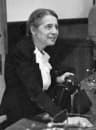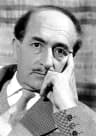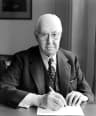
Born
September 24, 1898
Adelaide, Australia
Died
February 21, 1968
Oxford, United Kingdom
Known for
Australian pathologist
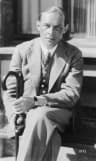
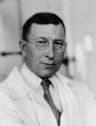
Howard Florey (1898–1968) was Australia best known for Australian pathologist.
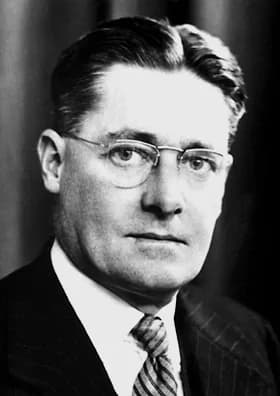
Howard Walter Florey (September 24, 1898 – February 21, 1968) was an Australian pathologist and pharmacologist. He shared the 1945 Nobel Prize for his role in the discovery of penicillin and its curative effect in infectious diseases. His work transformed medical treatment worldwide.
Chapter
Life chapters
Chapter 1 · 1898· Chapter 1 of 7
Opening to a Life of Medical Discovery
Howard Walter Florey, Baron Florey of Adelaide and Marston, was an Australian pathologist whose work irrevocably altered the course of medicine. Born on September 24, 1898, and passing away on February 21, 1968, his contributions as a physician, professor, and biologist were central to some of the most significant medical advancements of the 20th century. Florey's indelible legacy is largely defined by his pioneering efforts in developing penicillin, transforming it from a laboratory curiosity into a life-saving medication for infectious diseases.
His collaborative spirit and scientific rigor led to breakthroughs that continue to benefit humanity globally. Florey's dedication to understanding disease mechanisms and finding effective treatments characterized his long and distinguished career. He was a scientist who consistently sought to bridge the gap between fundamental research and practical clinical application, demonstrating a rare foresight in the potential of scientific discovery.
Chapter 2 · 1898· Chapter 2 of 7
Early Life and Origins
Howard Florey began his journey in Adelaide, Australia, where he was born in 1898. His formative years in Australia laid the groundwork for a future dedicated to science and medicine. He pursued early education that fostered a deep curiosity about the natural world and the human body.
This initial period of learning instilled in him a foundational understanding of biological principles. The vibrant academic environment he encountered in Australia prepared him for the advanced scientific training he would later undertake. These early experiences were critical in shaping his intellectual approach to complex medical problems.
Chapter 3· Chapter 3 of 7
Career Beginnings and Academic Pursuits
Florey embarked on a distinguished academic and medical career, beginning his professional life as a physician. This foundational experience provided him with firsthand insight into the challenges of treating various illnesses. His early work as a pathologist, a specialist in the study of disease, further honed his skills in diagnostic science and understanding disease processes.
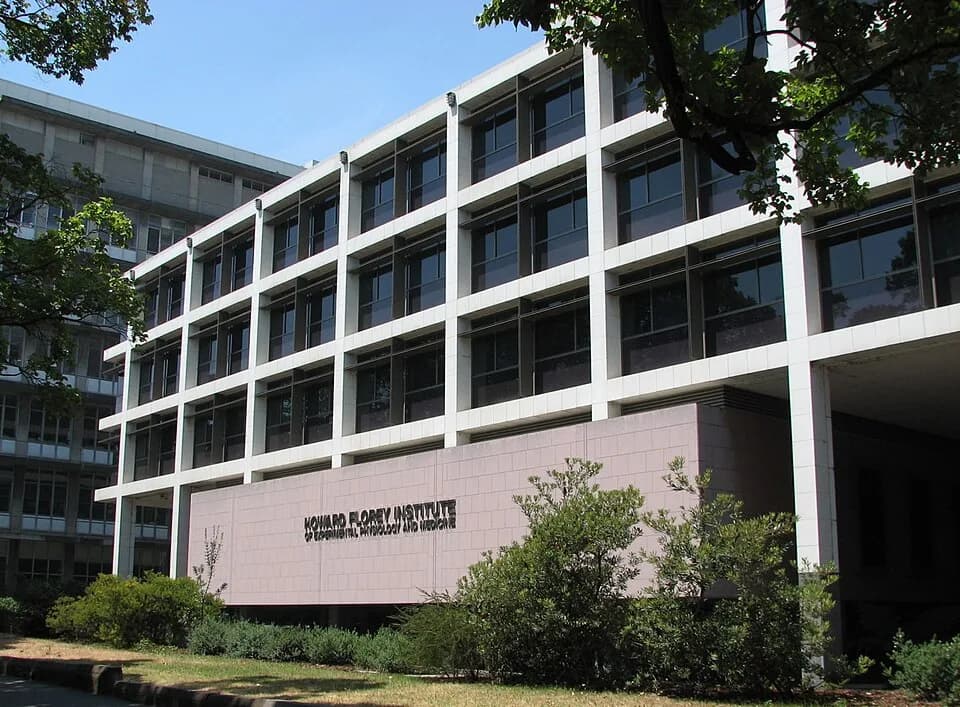
He swiftly moved into academia, eventually becoming a professor. In this role, he educated future generations of scientists and medical professionals, sharing his expertise and fostering new research. His transition into various academic positions allowed him to lead significant research initiatives, culminating in his leadership at the Sir William Dunn School of Pathology at the University of Oxford.
Chapter 4 · 1945· Chapter 4 of 7
Major Achievements and Career Highlights
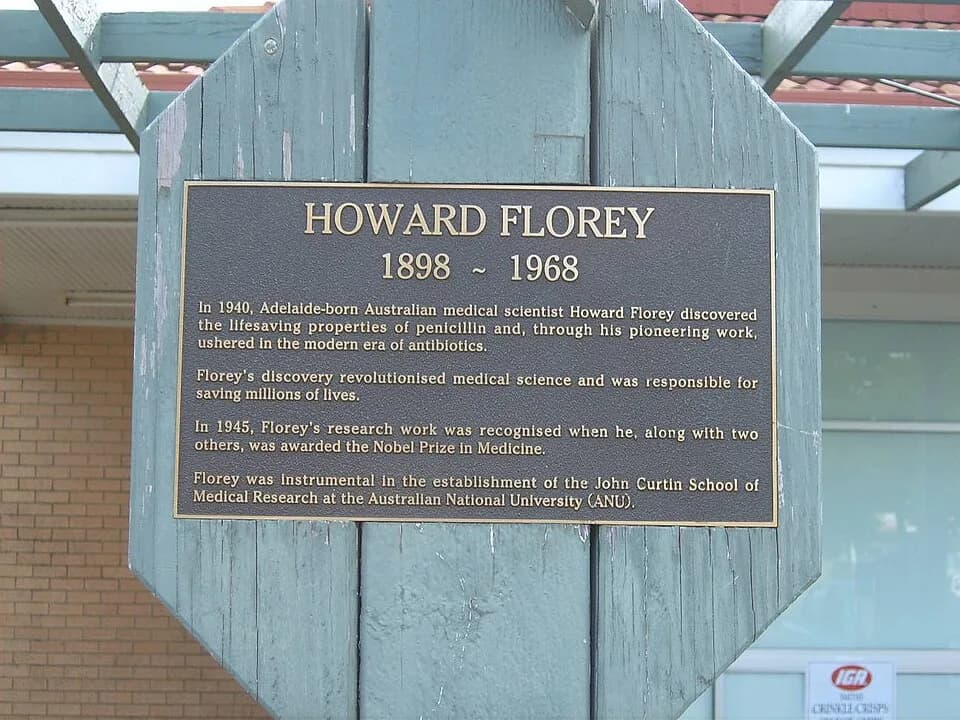
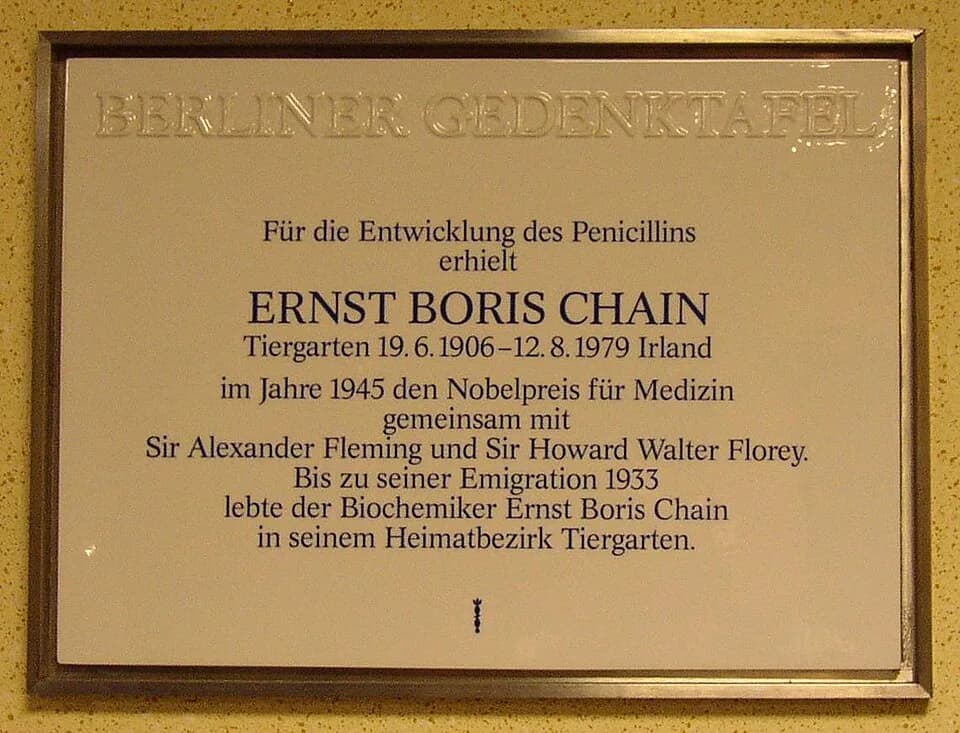
Howard Florey's most celebrated achievement was undoubtedly his pivotal role in the discovery of penicillin and its curative effect in various infectious diseases. In 1945, he shared the Nobel Prize in Physiology or Medicine with Ernst Chain and Sir Alexander Fleming for this monumental work. This recognition underscored the immense impact of their collaborative efforts in transforming medicine.
His work moved penicillin from a laboratory observation to a mass-produced, therapeutic agent, saving countless lives. This involved extensive research into its production, purification, and clinical application. Beyond the Nobel Prize, Florey's career was marked by his multifaceted roles as a pharmacist, chemist, and biologist, each contributing to his comprehensive understanding of medical science and drug development.
His administrative and leadership capabilities also led to his involvement in politics, reflecting a broader commitment to public service and scientific advocacy. The title Baron Florey of Adelaide and Marston further recognized his exceptional contributions to science and society. His appointment as President of the Royal Society also highlighted his standing in the global scientific community, demonstrating a career rich with scientific and institutional leadership.
Chapter 5· Chapter 5 of 7
Notable Works and Contributions
Howard Florey's contributions to science extended beyond his Nobel Prize-winning work, encompassing a range of academic publications. His h-index of 3, based on 12 papers, reflects a focused yet influential body of scholarly work. These publications explored various aspects of pathology and physiological processes, showcasing his breadth of scientific inquiry.
Among his top works was "Exchange of substances between the blood and tissues," published in 1961, which garnered 15 citations. This paper likely delved into the fundamental mechanisms of physiological transport, a critical area for understanding disease and health. Another significant contribution was "General pathology: based on Lectures delivered at the Sir William Dunn School of Pathology, University of Oxford" from 1958, cited 7 times, which served as a foundational text for students and researchers in the field, encapsulating his teaching and research philosophies.
Other notable publications include "Development of Modern Science" (1963, 3 citations), which offered insights into the trajectory of scientific progress, and "The Royal Society (Anniversary Address)" (1962, 3 citations), reflecting his leadership role in a prestigious scientific institution. "Prestige in Academic Scientific Research" (1962, 2 citations) further highlighted his reflections on the dynamics of scientific careers and recognition. These works underscore his role not only as a researcher but also as a thoughtful commentator on the scientific enterprise itself.
Chapter 6· Chapter 6 of 7
Later Years and Enduring Influence
In his later years, Howard Florey continued to shape the scientific landscape through his leadership and insights. His role as President of the Royal Society, a position he held with distinction, allowed him to advocate for scientific research and education on a global scale. He used his platform to influence policy and promote the importance of scientific inquiry for societal advancement.
Florey's passing in Oxford, United Kingdom, on February 21, 1968, marked the end of a life fully dedicated to science. Even in his final years, he remained a respected figure, continuing to contribute to discussions on scientific progress and public health. His later career phases were characterized by a transition from hands-on laboratory work to more administrative and advisory roles, where his wisdom and experience were highly valued.
Chapter 7· Chapter 7 of 7
Legacy and Impact
The legacy of Howard Florey is immeasurable, primarily centered on his transformative work with penicillin. Before his efforts, infectious diseases were a leading cause of death and suffering worldwide. His team's development of methods for mass-producing and purifying penicillin revolutionized medicine, ushering in the age of antibiotics. This single achievement saved untold millions of lives and fundamentally changed how doctors treated bacterial infections.
His contributions transcended the laboratory, influencing public health policies and the global pharmaceutical industry. Florey's insistence on rigorous scientific validation and clinical testing set a standard for future drug development. He demonstrated how collaborative research, involving pharmacologists, pathologists, chemists, and biologists, could yield life-altering results. His work continues to inspire scientists to pursue solutions to pressing global health challenges, ensuring his influence persists far beyond his lifetime.
A life in moments
The moments that shaped a life
FAQ
Frequently asked
When did Howard Florey die?
Howard Florey died on February 21, 1968 in Oxford, United Kingdom, at the age of 69.
Where was Howard Florey born?
Howard Florey was born in Adelaide, Australia on September 24, 1898.
What is Howard Florey best known for?
Howard Florey is best known for Australian pathologist.
How old was Howard Florey when they died?
Howard Florey was 69 years old at the time of death.
What nationality was Howard Florey?
Howard Florey was from Australia.
Timeline
Life at a glance
Photo gallery
A life in pictures
Click any polaroid to expand · 37 photos
QR Code
Share This Biography
Print & Share
Scan to visit this biography page. Print for events, exhibitions, or educational materials.