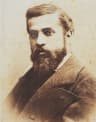
Born
June 25, 1894
Sibiu, Kingdom of Romania
Died
December 28, 1989
Nuremberg, Germany
Known for
Austro-Hungarian-born German physicist and rocketry pioneer
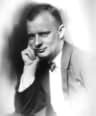
Hermann Oberth (1894–1989) was Kingdom of Romania best known for Austro-Hungarian-born German physicist and rocketry pioneer.
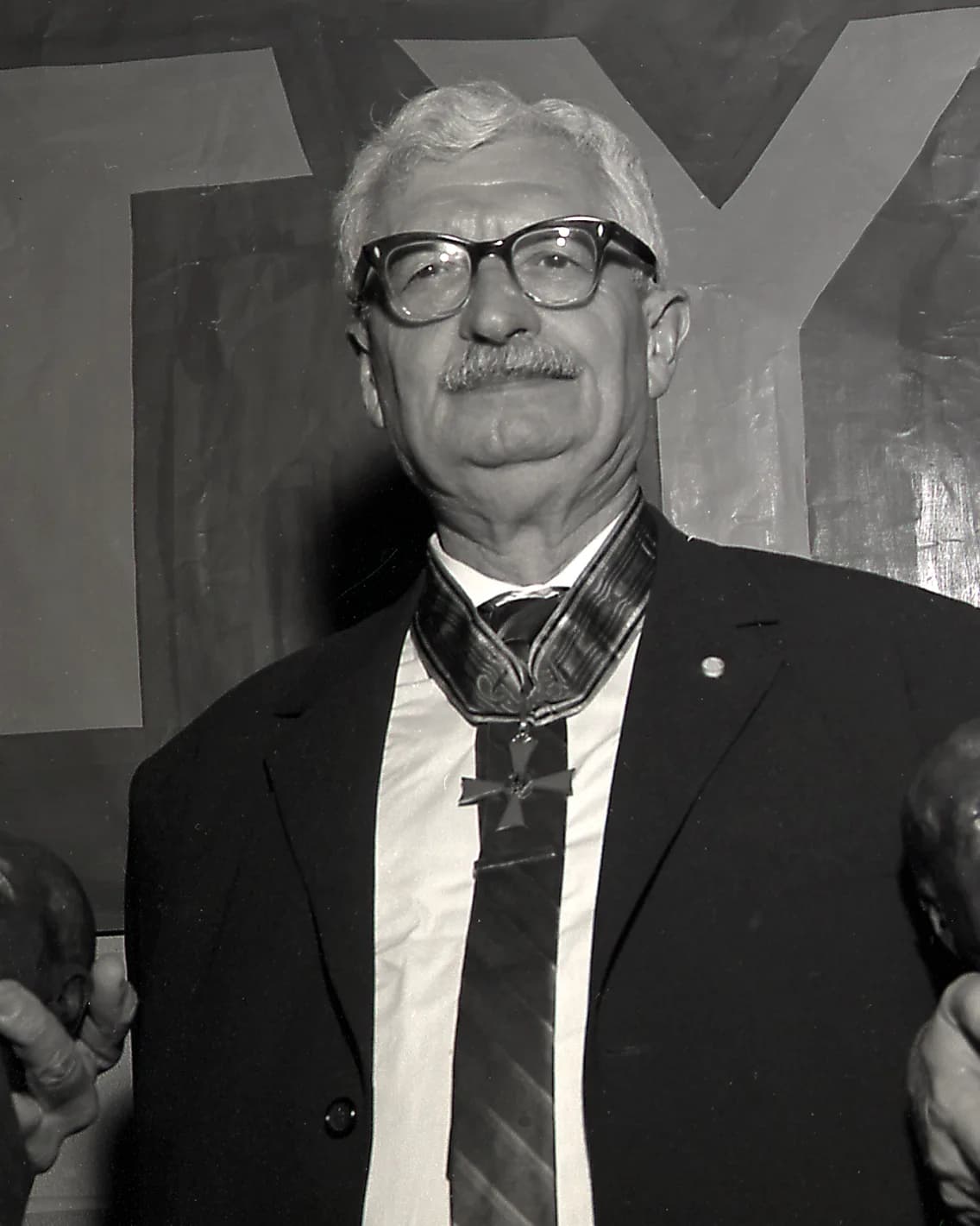
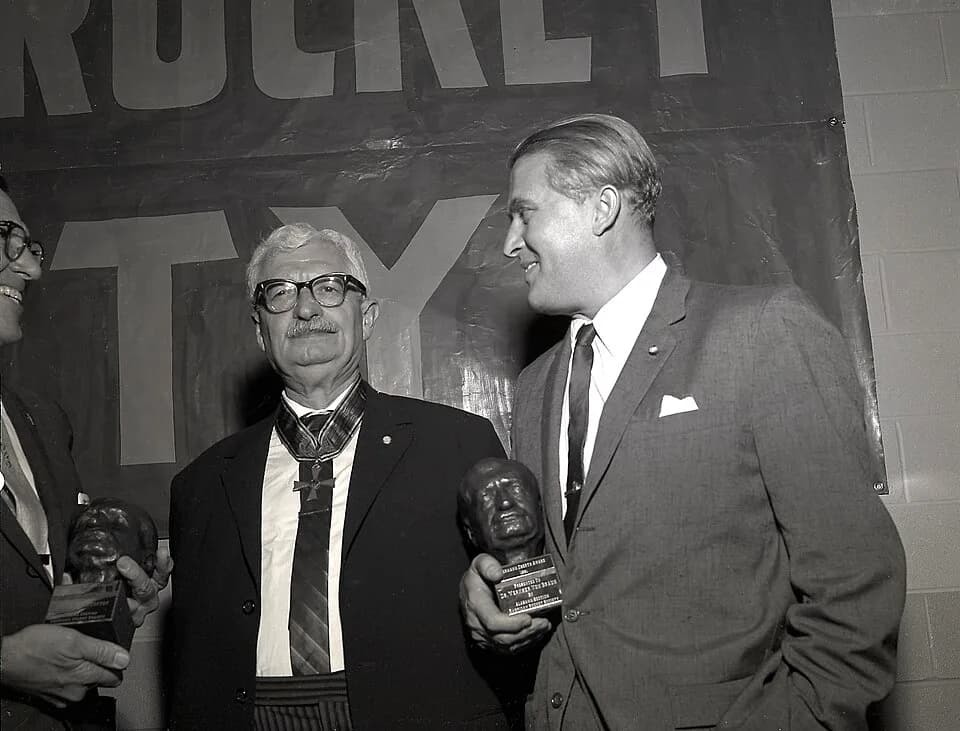
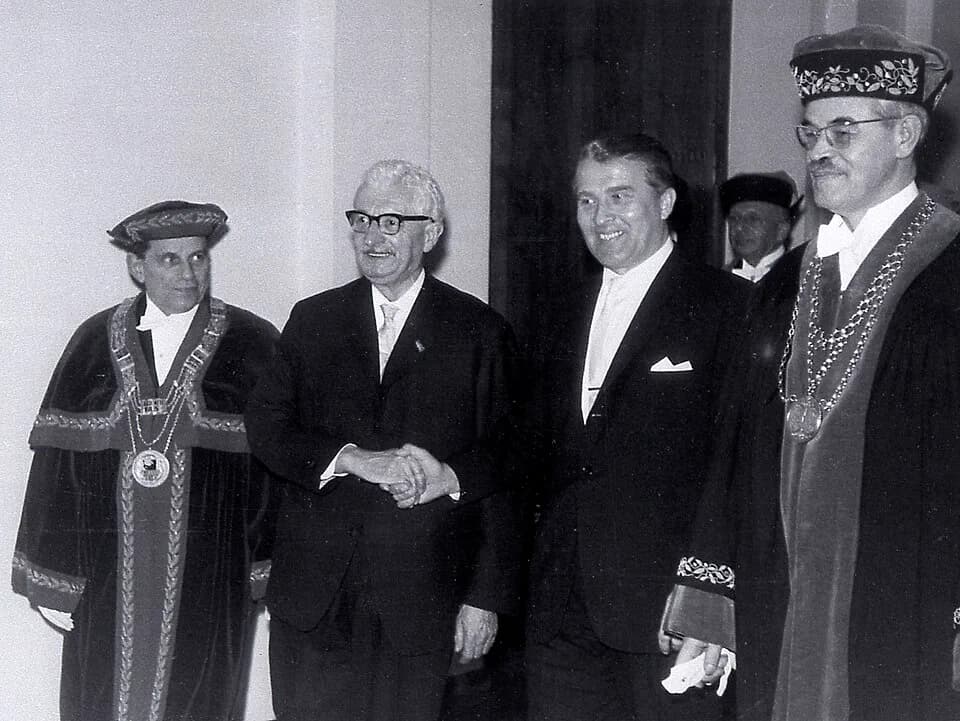
Hermann Oberth (June 25, 1894 – December 28, 1989) was an Austro-Hungarian-born German physicist and rocketry pioneer. He developed foundational theories for space travel and rocket propulsion. His work significantly influenced the development of modern rocketry and space exploration.
Chapter
Life chapters
Chapter 1 · 1894· Chapter 1 of 8
Hermann Oberth: A Legacy in Space Exploration
Hermann Oberth, born on June 25, 1894, and passing on December 28, 1989, stands as an Austro-Hungarian-born German physicist and rocketry pioneer whose theoretical work laid the very groundwork for humanity's journey into space. His profound contributions in the field of astronautics established him as one of the key figures in the history of rocketry, alongside Konstantin Tsiolkovsky and Robert Goddard. Oberth's relentless pursuit of understanding the mechanics of space travel transformed what was once a distant dream into a tangible scientific endeavor.
Chapter 2 · 1894· Chapter 2 of 8
Early Life and Origins
Hermann Julius Oberth entered the world on June 25, 1894, in Sibiu, located within the then Kingdom of Romania, hailing from a Transylvanian Saxon background. His formative years saw the budding of an intense curiosity about the universe and the possibilities of flight, a fascination that would define his life's work. This early passion for scientific inquiry set him on a path of rigorous academic exploration, seeking to unravel the mysteries of propulsion and celestial mechanics.
Oberth’s initial education provided a broad foundation, though his specific interest in rocketry was largely self-directed in his early years. He delved into mathematics and physics, recognizing these disciplines as essential tools for conceptualizing and designing vehicles capable of reaching beyond Earth's atmosphere. His innovative ideas, even in youth, often challenged the conventional thinking of his time, marking him as a forward-thinking scholar.
Chapter 3· Chapter 3 of 8
Career Beginnings
Oberth began his professional and academic journey with an unwavering focus on the principles of rocketry, even before it was widely recognized as a viable scientific field. He meticulously explored the theoretical possibilities of space travel, documenting his findings and challenging existing limitations. His early work involved extensive mathematical calculations and conceptual designs for rockets and their potential applications in space.
His groundbreaking manuscript, “The rocket into planetary space,” published early in his career, served as a fundamental text for future rocket scientists and enthusiasts. This seminal work outlined the mathematical principles for rocket flight, including multistage rockets and the use of liquid propellants. It demonstrated his foresight and deep understanding of physics, shaping the discourse on space travel for decades to come.
Chapter 4· Chapter 4 of 8
Major Achievements and Career Highlights
Hermann Oberth's career was distinguished by his significant theoretical contributions that provided the bedrock for practical rocket development. He is widely credited with establishing the scientific basis for spaceflight, translating complex concepts into workable engineering principles. His relentless dedication to these theories garnered him respect among his peers and inspired subsequent generations of aerospace engineers.
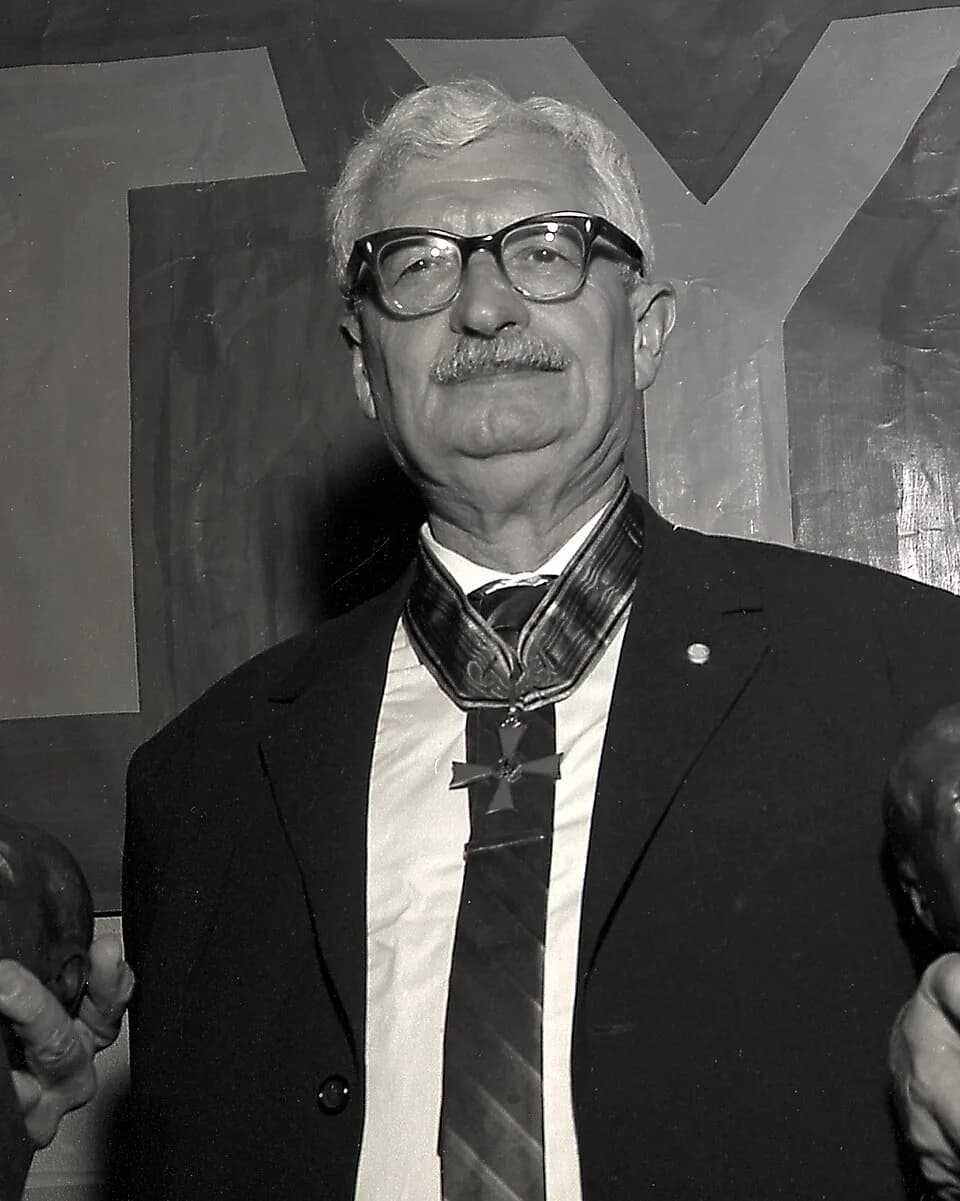
His work extended beyond abstract theory; he also contributed to practical applications during a tumultuous period. During Nazi Germany's war effort, Oberth supported the initiatives and was recognized for his contributions, receiving the War Merit Cross in 1943. This period highlights the complex intersection of scientific advancement and geopolitical realities in the 20th century, as his expertise was utilized in wartime development.
Oberth's professional roles diversified over his lifetime, showcasing his wide-ranging intellect and adaptability. He was a physicist, engineer, and mathematician, but also ventured into professions such as a military flight engineer and even a screenwriter. These varied experiences underscored his comprehensive understanding of mechanics and design, applicable across many disciplines, from the theoretical to the practical.
Chapter 5· Chapter 5 of 8
Diverse Professional Pursuits
Beyond his celebrated work in physics and rocketry, Hermann Oberth embraced a remarkably diverse range of professions throughout his long and productive life. His credentials included physician and inventor, reflecting a broad scientific curiosity and practical aptitude. He also explored the realms of a military flight engineer, applying his knowledge of aerodynamics and propulsion to aerial vehicles, and even an essayist, sharing his thoughts and visions with a wider audience.
Chapter 6· Chapter 6 of 8
Notable Works and Academic Contributions
Hermann Oberth authored numerous influential works that continue to shape the study of spaceflight and related sciences. His significant bibliography includes foundational texts such as “Ways to spaceflight,” an essential guide for understanding the mechanics of interstellar travel. Other important titles like “Stoff und leben,” “Briefwechsel,” and “Berliner Brennpunkt: Raumfahrt” showcase his expansive intellectual interests and detailed research.
His published works also comprise “Die Rakete zu den Planetenräumen,” “Katechismus der Uraniden,” and “The moon car,” each contributing to the evolving scientific discourse on space exploration and its practical challenges. These writings often blended theoretical physics with practical engineering considerations, making them highly valuable to both academics and practitioners. He consistently sought to make complex ideas accessible while maintaining scientific rigor.
Oberth's academic impact is further evidenced by his publication record, which includes 8 papers with an h-index of 2. Among his most cited works are “Wege zur Raumschiffahrt” (1929), accumulating 44 citations, and “Die Rakete zu den Planetenräumen” (1984), with 17 citations. These academic publications underscore his sustained influence and the enduring relevance of his theories in the scientific community.
Chapter 7· Chapter 7 of 8
Later Years and Enduring Influence
In his later years, Hermann Oberth continued to contribute to discussions on space travel and its future implications. He remained a respected figure in the rocketry community, observing with keen interest the practical realization of many of the concepts he had theorized decades earlier. His insights continued to be sought after, further solidifying his status as a living legend in the field.
Hermann Oberth passed away on December 28, 1989, in Nuremberg, Germany, leaving behind a legacy that had already transcended national borders and scientific disciplines. His long life spanned the entire evolution of rocketry, from theoretical diagrams to humanity’s first steps on the moon, a journey he had envisioned and meticulously mapped out.
Chapter 8· Chapter 8 of 8
Legacy and Impact
Hermann Oberth's legacy is irrevocably linked to the dawn of the Space Age, as his pioneering theoretical work provided the intellectual and scientific framework necessary for its realization. His early formulations on rocket propulsion and space travel laid the essential groundwork for engineers and scientists worldwide. His theories made the seemingly impossible goal of leaving Earth's gravity a matter of applied physics and engineering.
He is remembered not only for his profound scientific insights but also for inspiring generations of researchers and engineers to pursue the dream of spaceflight. His influence is discernible in countless rockets and space missions that followed his early writings, demonstrating the practical power of his visionary thinking. Oberth’s contributions continue to educate and motivate those who strive to push the boundaries of human exploration into the cosmos.
A life in moments
The moments that shaped a life
FAQ
Frequently asked
When did Hermann Oberth die?
Hermann Oberth died on December 28, 1989 in Nuremberg, Germany, at the age of 95.
Where was Hermann Oberth born?
Hermann Oberth was born in Sibiu, Kingdom of Romania on June 25, 1894.
What is Hermann Oberth best known for?
Hermann Oberth is best known for Austro-Hungarian-born German physicist and rocketry pioneer.
How old was Hermann Oberth when they died?
Hermann Oberth was 95 years old at the time of death.
What nationality was Hermann Oberth?
Hermann Oberth was from Kingdom of Romania.
Timeline
Life at a glance
Photo gallery
A life in pictures
Click any polaroid to expand · 22 photos
QR Code
Share This Biography
Print & Share
Scan to visit this biography page. Print for events, exhibitions, or educational materials.