Born
November 18, 1647
Carla-Bayle, France
Died
December 28, 1706
Rotterdam, Netherlands
Known for
French philosopher and writer
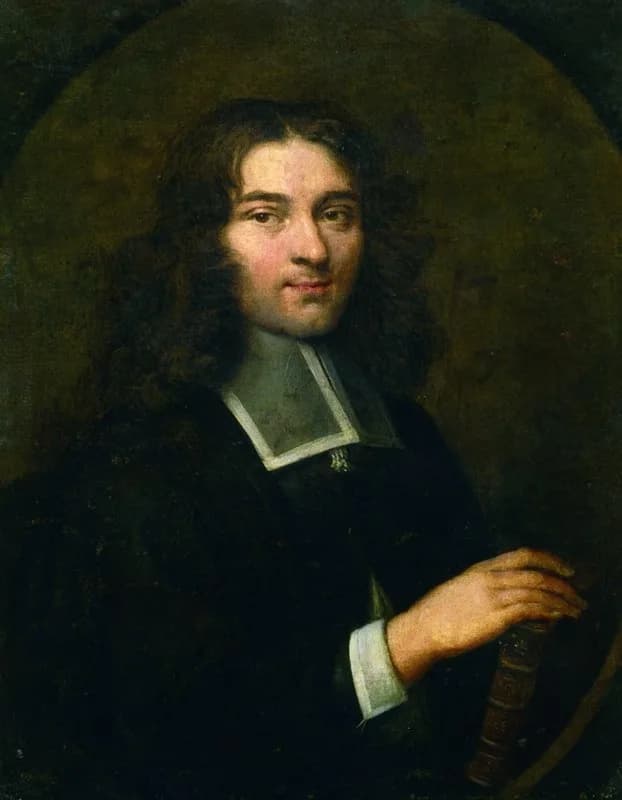
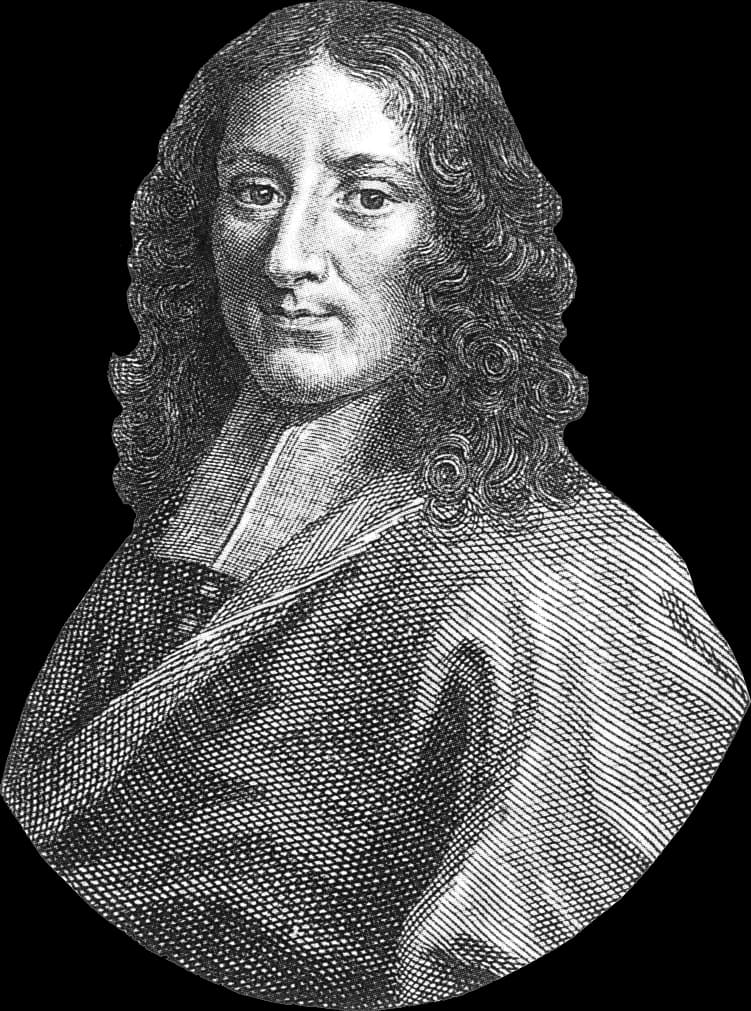
Pierre Bayle (1647–1706) was France best known for French philosopher and writer.
Pierre Bayle (November 18, 1647 – December 28, 1706) was a French philosopher, writer, and lexicographer. He is best known for his monumental <i>Historical and Critical Dictionary</i>, which began publication in 1697. Bayle's rigorous skepticism and critical methodology made him a key forerunner of the Encyclopédistes.
Chapter
Life chapters
Chapter 1 · 1647· Chapter 1 of 8
Opening Tribute to Pierre Bayle
Pierre Bayle (1647–1706) was a towering figure in late 17th and early 18th-century intellectual thought, a French philosopher and writer whose work laid foundational elements for the Enlightenment. His diverse career encompassed roles as a writer, professor, historian, theologian, journalist, literary critic, philosopher, and lexicographer, each contributing to his profound legacy. Bayle's rigorous approach to skepticism and critical analysis established him as a significant voice, influencing subsequent generations of thinkers across Europe.
Chapter 2 · 1647· Chapter 2 of 8
Early Life and Origins
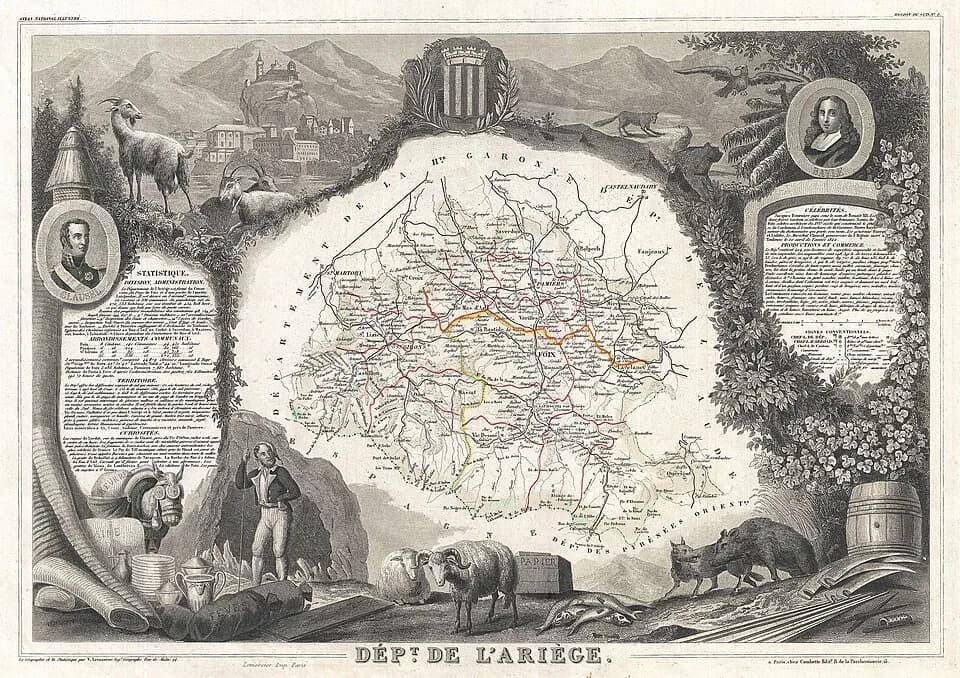
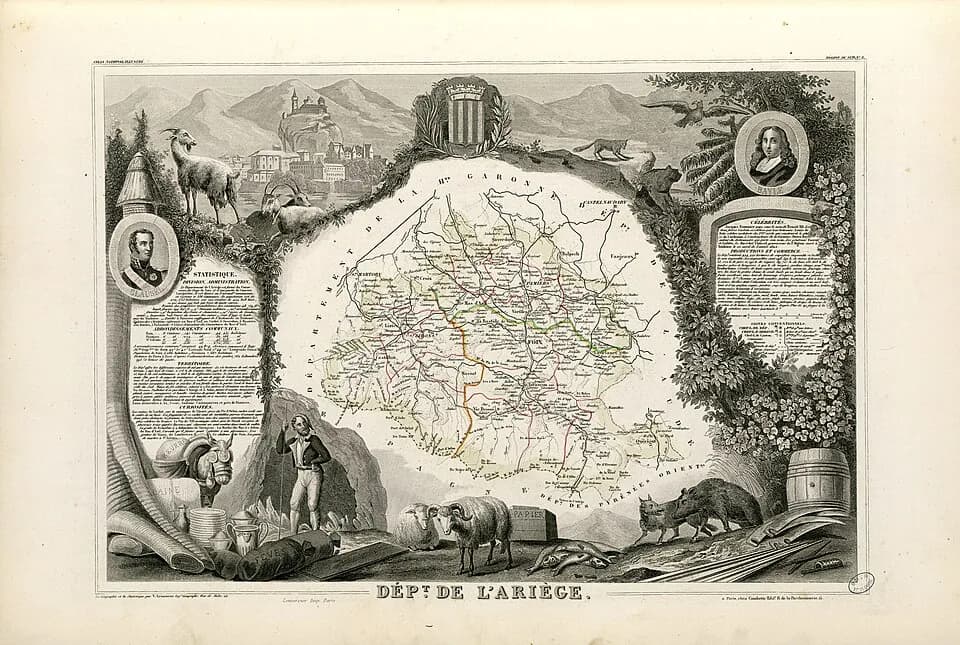
Pierre Bayle was born on November 18, 1647, in Carla-Bayle, France, a community that now bears a name commemorating his family's heritage. This region of France was a landscape of diverse intellectual and religious currents during his upbringing. His early environment undoubtedly shaped his perceptive mind and fostered the critical spirit that would define his later philosophical contributions.
Chapter 3· Chapter 3 of 8
Career Beginnings
Bayle embarked on a career that seamlessly integrated academic pursuit with extensive literary output, quickly gaining recognition for his sharp intellect. As a writer, professor, historian, and theologian, he engaged deeply with the intellectual currents of his era. His early work established him as a serious scholar and a burgeoning voice in European intellectual discourse, particularly in his capacity to meticulously dissect intricate philosophical and theological arguments.
Chapter 4· Chapter 4 of 8
Major Achievements and Career Highlights
Pierre Bayle's career was distinguished by an unwavering commitment to critical thought and an impressive breadth of scholarly production across various disciplines. His contributions as a journalist and literary critic allowed him to actively engage with contemporary intellectual debates. This multifaceted professional life, encompassing philosophy, history, and theology, highlighted his dedication to a comprehensive understanding of human knowledge and belief, earning him a significant place in intellectual history.
Chapter 5· Chapter 5 of 8
Personal Life
While specific details about Pierre Bayle's personal life, family, and intimate relationships are not extensively documented in available records, his biography suggests a life primarily devoted to intellectual pursuits. His relocation from France to Rotterdam, Netherlands, likely reflects a personal choice driven by the search for intellectual freedom and a conducive environment for his scholarly work. Bayle's immense output across various fields points to a profound personal dedication to his studies and writing, defining his existence through his ideas and contributions.
Chapter 6 · 1697· Chapter 6 of 8
Notable Works and Contributions
Pierre Bayle is most celebrated for his monumental work, the Historical and Critical Dictionary, the publication of which commenced in 1697. This dictionary was far more than a simple reference text; it was a vehicle for intricate philosophical inquiry and often subtle societal critique. Bayle masterfully embedded many of his more controversial ideas within its voluminous footnotes, or artfully introduced them in articles dedicated to seemingly innocuous or uncontroversial topics, a clever strategy to bypass censorship and provoke thought.
In addition to his seminal dictionary, Bayle's bibliography includes a range of other significant works that underscore his broad intellectual curiosity and incisive mind. His A philosophical commentary on these words of the Gospel, Luke XIV, 23, delves into theological interpretations with characteristic analytical rigor, reflecting his deep engagement with religious texts. The Pensees diverses, ecrites à un docteur de Sorbonne, a l'occasion de la cométe qui parut au mois de decembre 1680, showcases his capacity to reflect philosophically on contemporary phenomena and current events, utilizing them as springboards for broader intellectual discussion.
Further demonstrating his expansive intellectual reach, works such as Epistola ad Caesarium monachum... and A dissertation on the nature, effects, and consequences of the blasphemy against the Holy Ghost reveal Bayle’s consistent engagement with theological and ethical considerations. His critical acumen also shone in Reponse aux questions d'un provincial, where he addressed complex inquiries with his characteristic thoroughness. Collected works, including Œuvres diverses de Pierre Bayle, underscore his prolific nature and his lasting contributions as a preeminent lexicographer and literary critic of the early modern period.
Chapter 7 · 1706· Chapter 7 of 8
Later Years
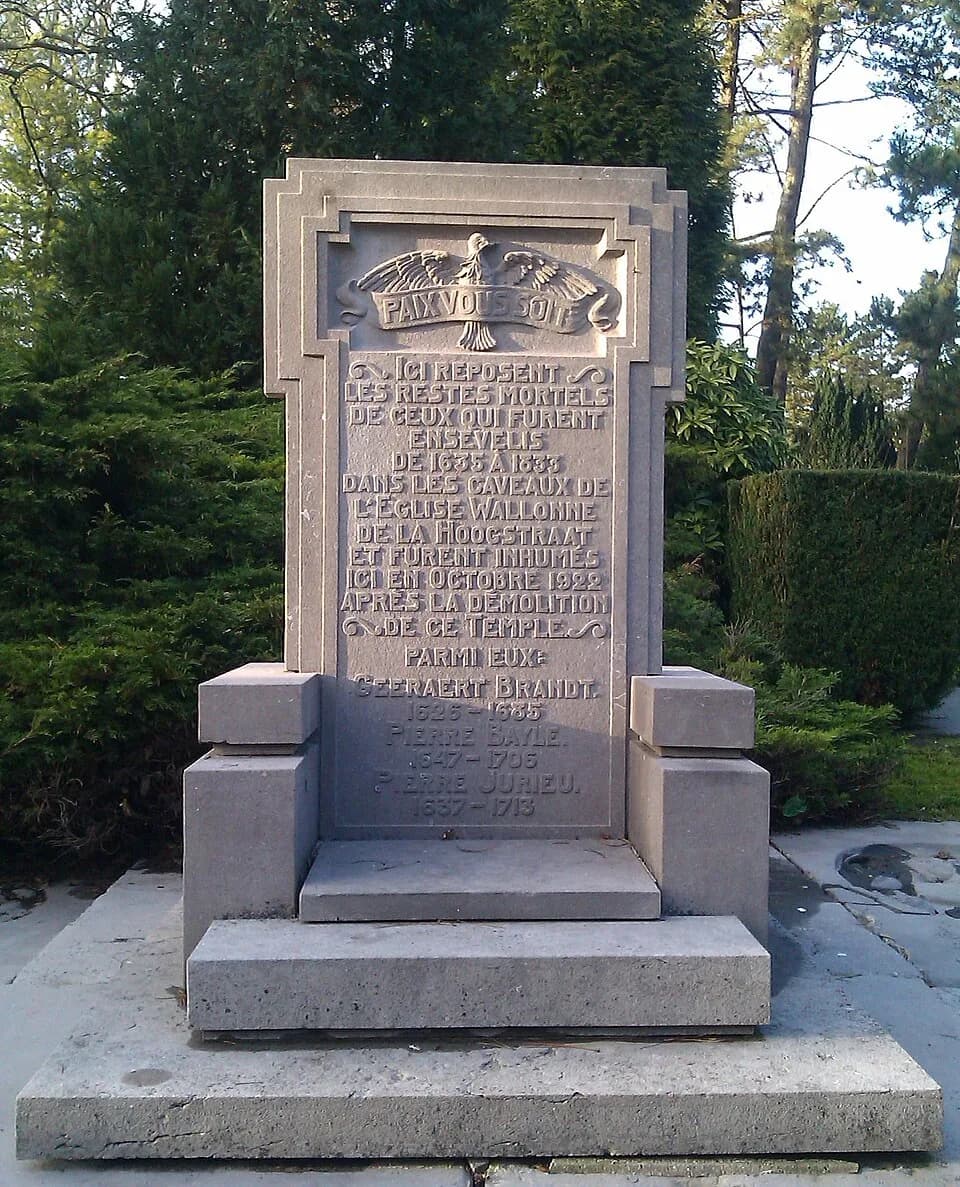
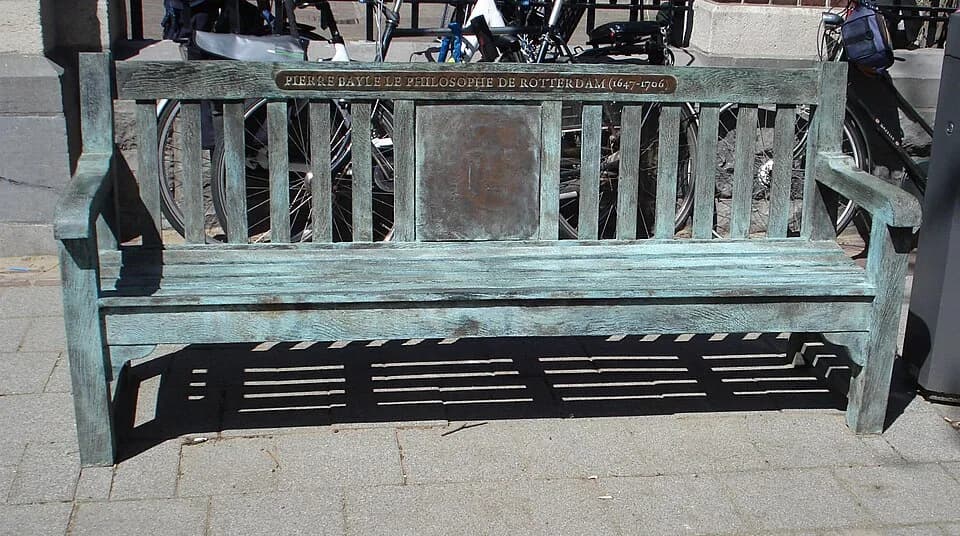
Pierre Bayle spent his later professional years and the end of his life in Rotterdam, Netherlands, a city that provided a vibrant intellectual environment conducive to his continued scholarly endeavors. He passed away there on December 28, 1706, having dedicated his life entirely to the pursuit and dissemination of knowledge. His final years were marked by sustained intellectual productivity, culminating in the complete realization of his influential literary and philosophical projects.
Chapter 8· Chapter 8 of 8
Legacy and Impact
Pierre Bayle is universally regarded as a crucial forerunner to the Encyclopédistes, the group of influential French intellectuals who defined the mid-18th century Enlightenment. His innovative methodologies of critical inquiry and his profound commitment to skepticism provided a vital intellectual blueprint for these later thinkers. The structure and analytical depth of his Historical and Critical Dictionary served as a direct inspiration and model for the encyclopedic endeavors that followed.
Bayle's enduring legacy lies in his role in transforming European intellectual thought, challenging dogmatism, and promoting independent critical reasoning. His work encouraged a systematic questioning of received wisdom, profoundly shaping philosophical discourse and the intellectual climate that characterized the Enlightenment. He remains an essential figure in the history of ideas, celebrated for his courage to think critically and to invite others to do the same.
A life in moments
The moments that shaped a life
FAQ
Frequently asked
When did Pierre Bayle die?
Pierre Bayle died on December 28, 1706 in Rotterdam, Netherlands, at the age of 59.
Where was Pierre Bayle born?
Pierre Bayle was born in Carla-Bayle, France on November 18, 1647.
What is Pierre Bayle best known for?
Pierre Bayle is best known for French philosopher and writer.
How old was Pierre Bayle when they died?
Pierre Bayle was 59 years old at the time of death.
What nationality was Pierre Bayle?
Pierre Bayle was from France.
Timeline
Life at a glance
Photo gallery
A life in pictures
Click any polaroid to expand · 48 photos
QR Code
Share This Biography
Print & Share
Scan to visit this biography page. Print for events, exhibitions, or educational materials.