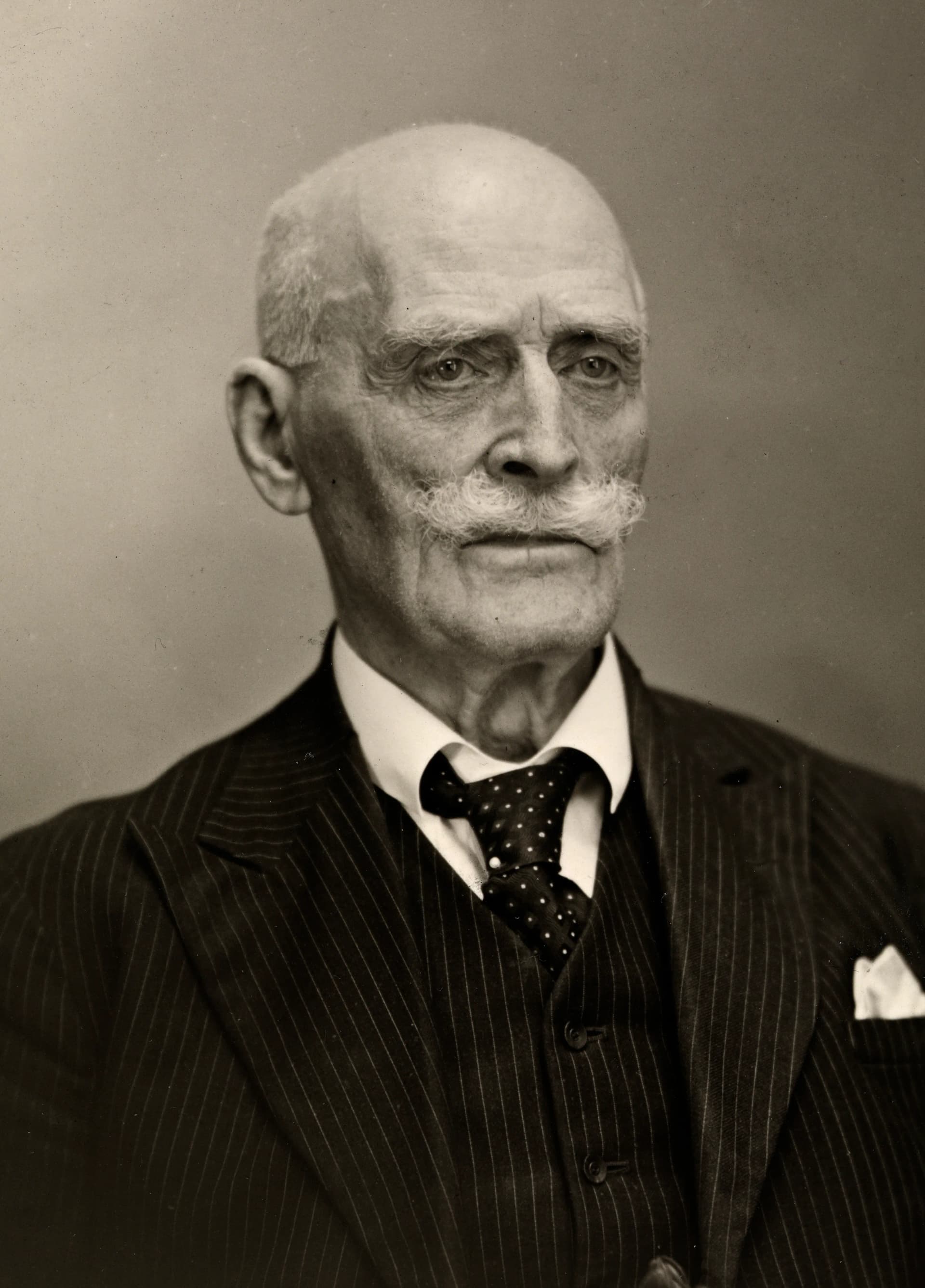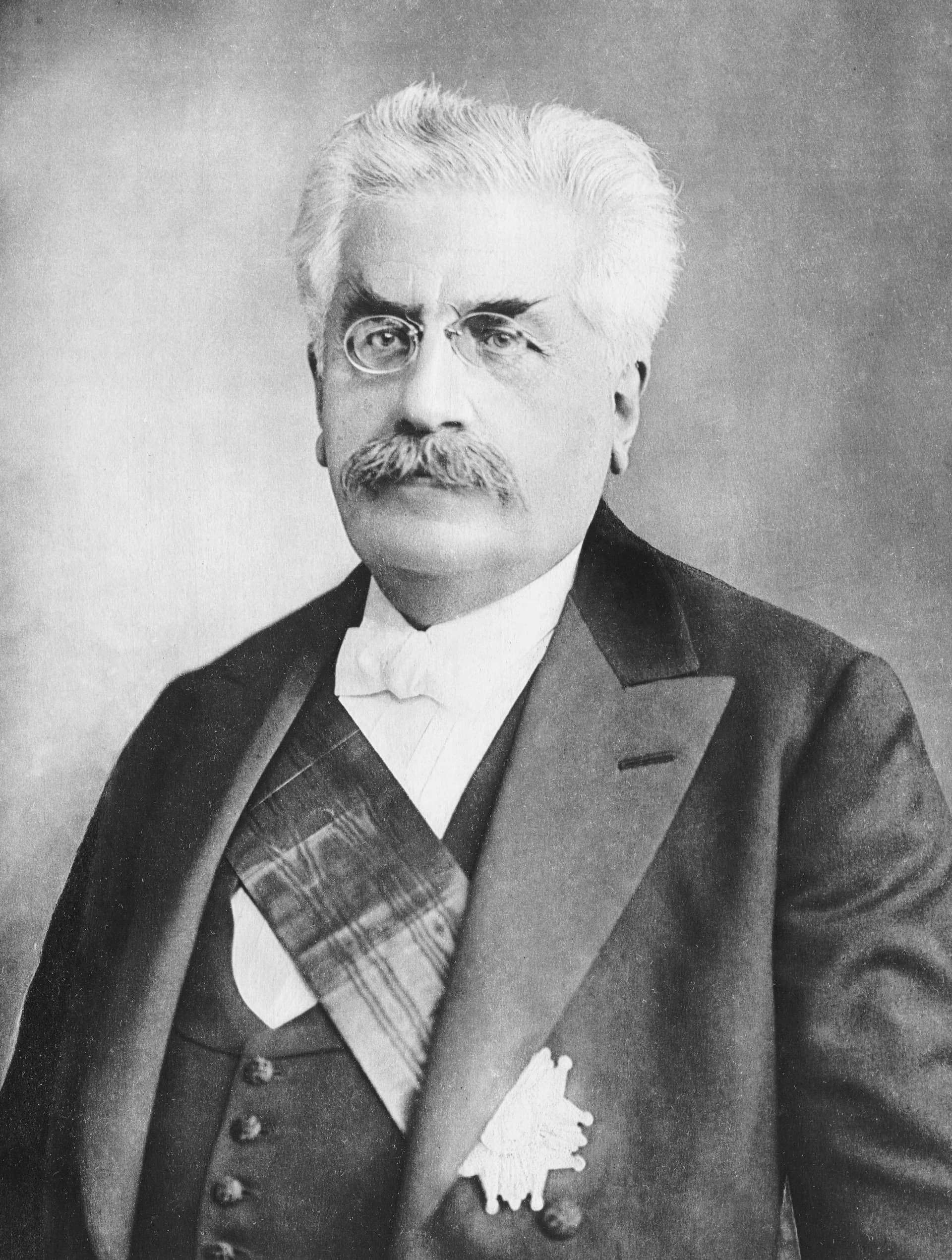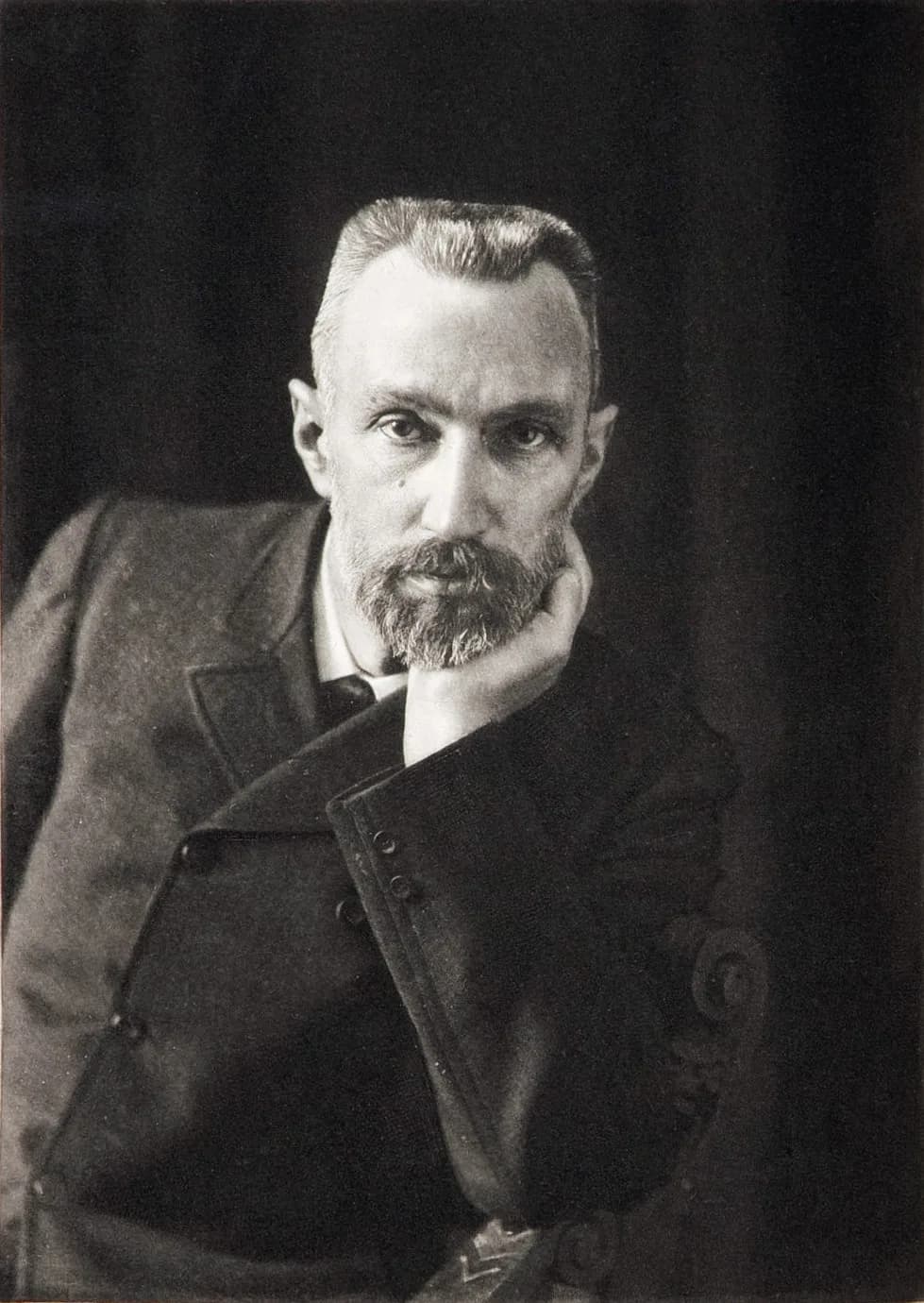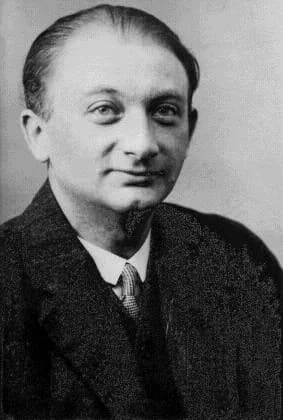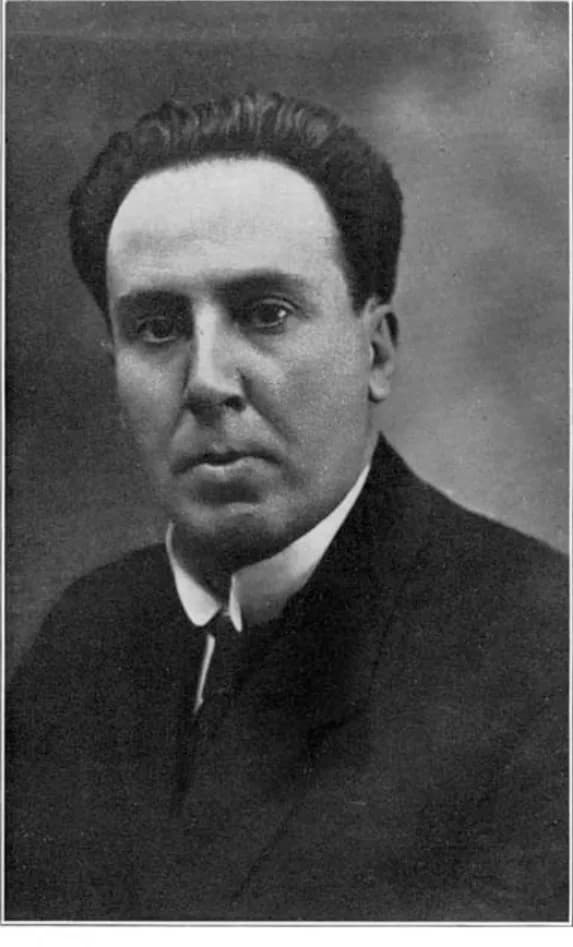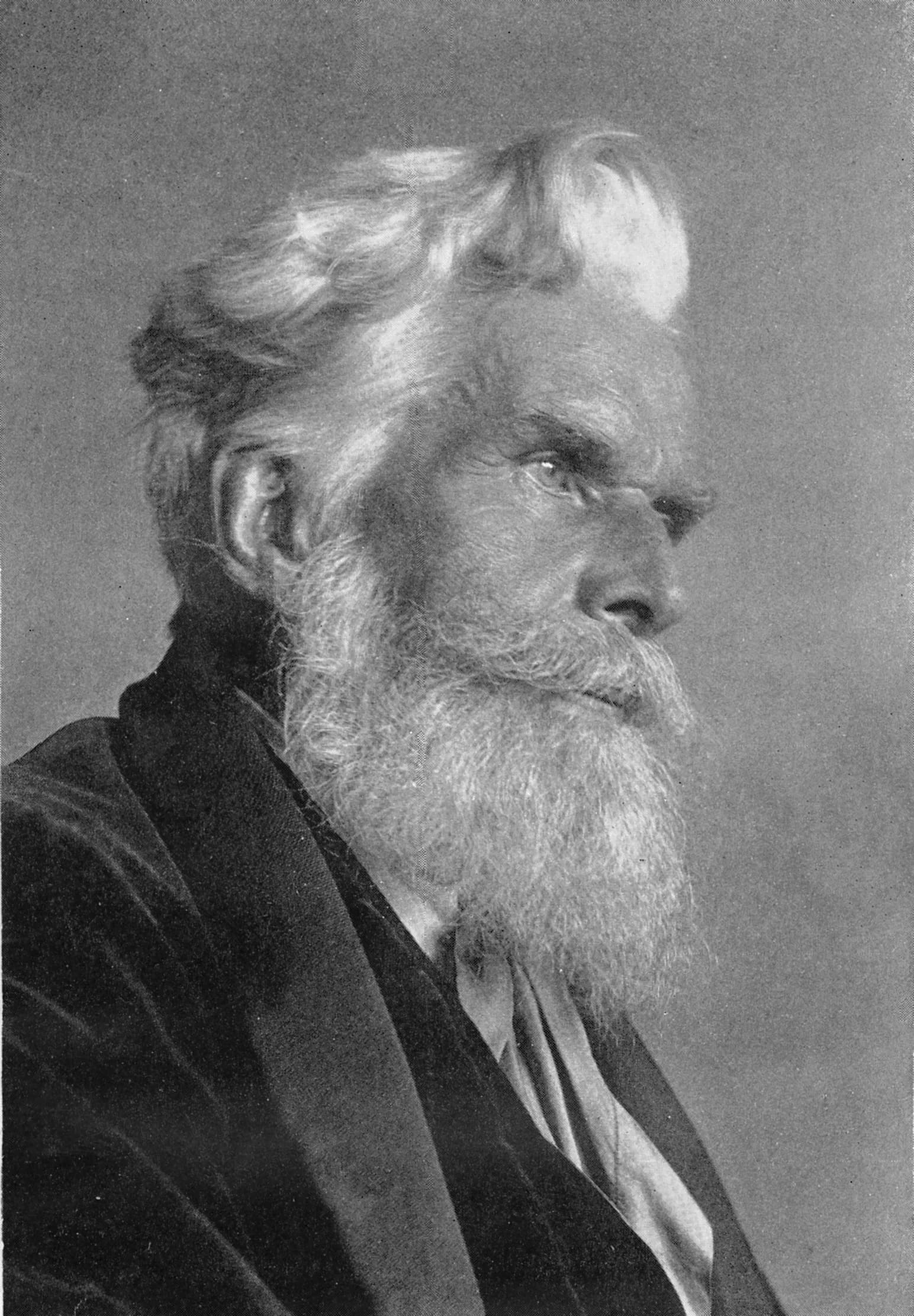
Born
February 2, 1859
Croydon, United Kingdom
Died
July 8, 1939
Hintlesham, United Kingdom
Known for
British physician, writer, and social reformer
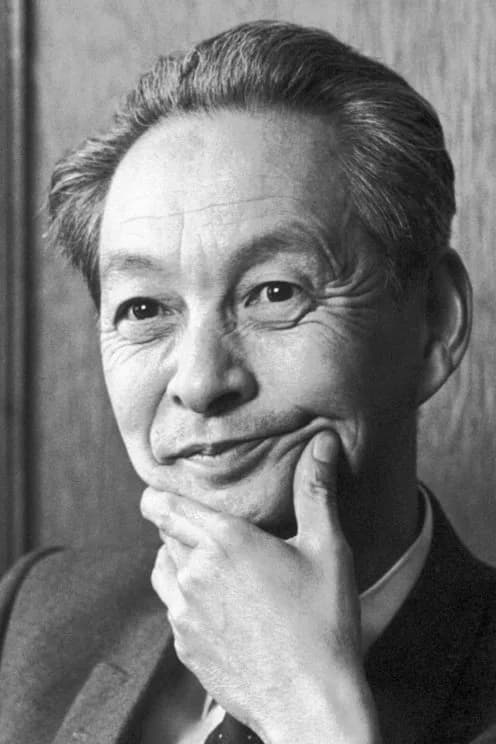
Havelock Ellis (1859–1939) was United Kingdom best known for British physician, writer, and social reformer.
Havelock Ellis (February 2, 1859 – July 8, 1939) was a British physician, writer, and social reformer. He was a pioneer in the scientific study of human sexuality, co-writing the first medical textbook on homosexuality in English and developing concepts like narcissism. His work significantly influenced psychoanalysis and challenged Victorian-era norms.
A life in moments
The moments that shaped a life
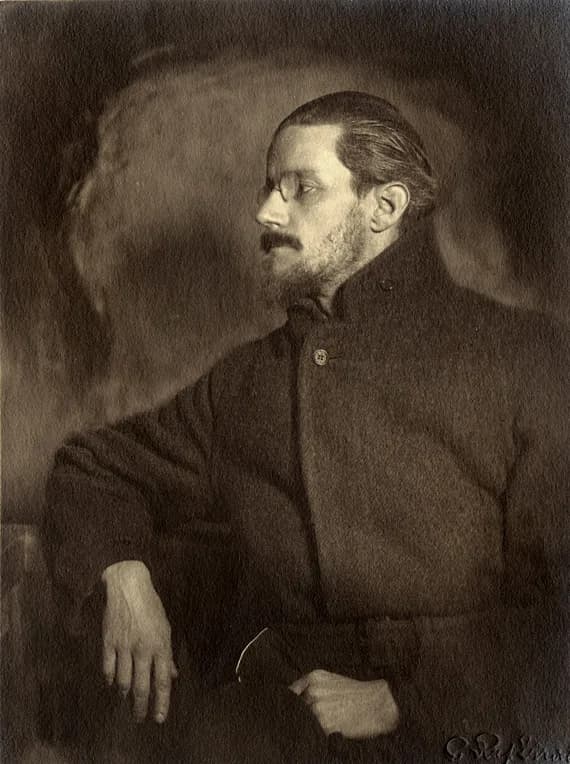
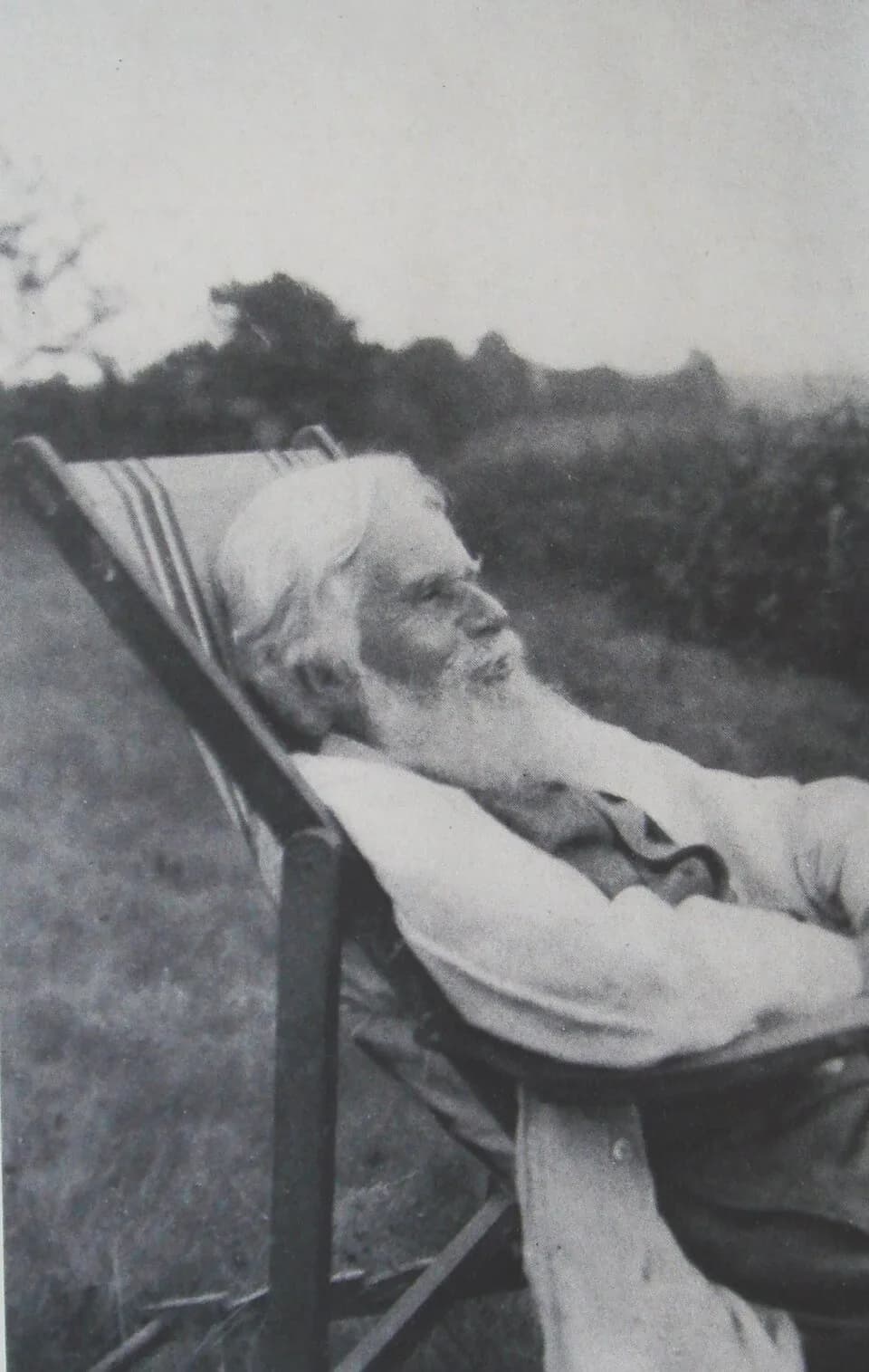
![Havelock Ellis - Creator/Photographer: Unidentified photographer
Medium: Black and white photographic print
Dimensions: 14.2 cm x 9.7 cm
Date: 1923
Persistent URL: [1]
Repository: Smithsonian Institut](/_next/image?url=https%3A%2F%2Fcdn.whowasthisguy.com%2Fgallery_wikimedia_commons_1783619285641_0_fc167b0112.webp&w=1920&q=75)
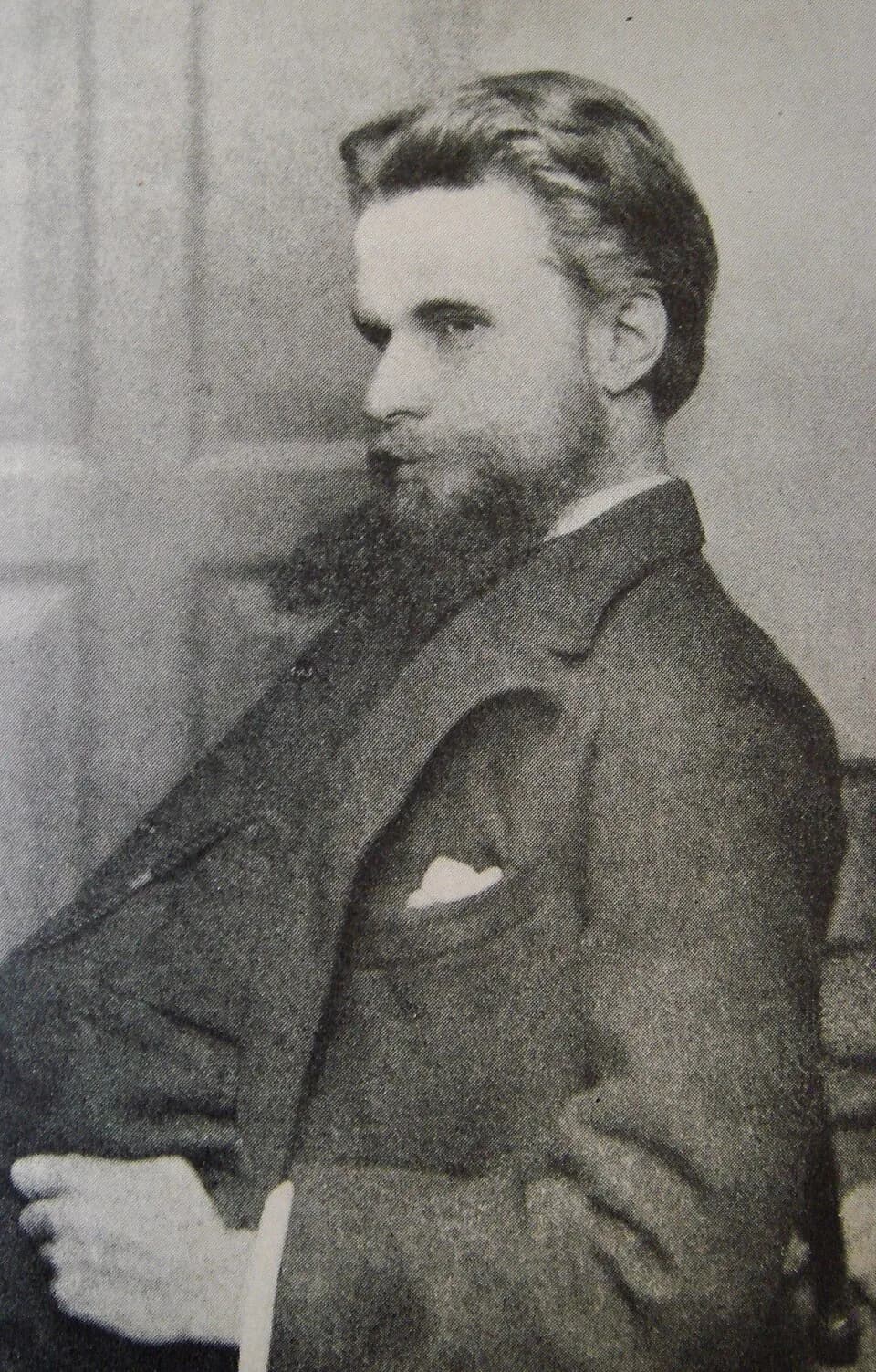
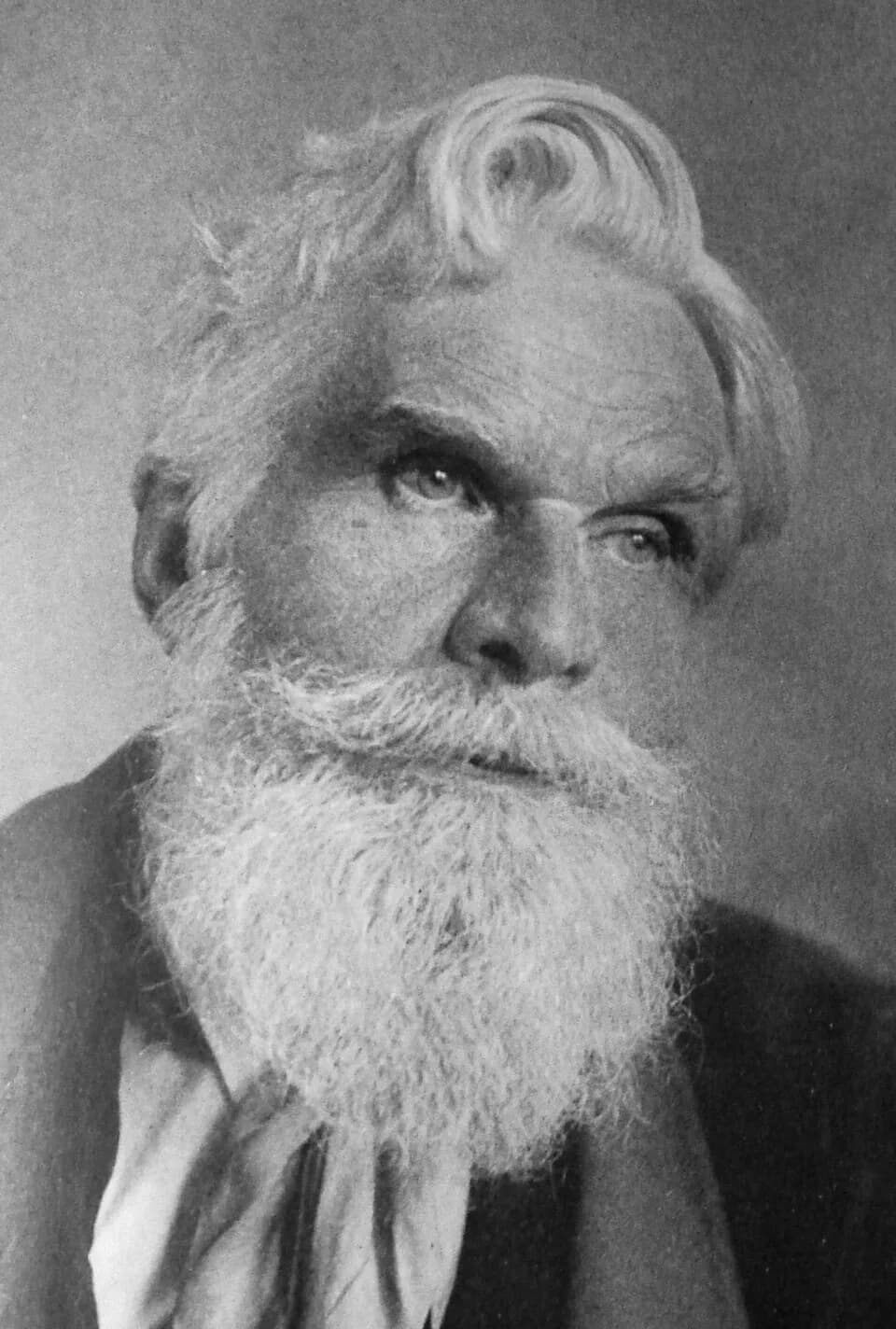
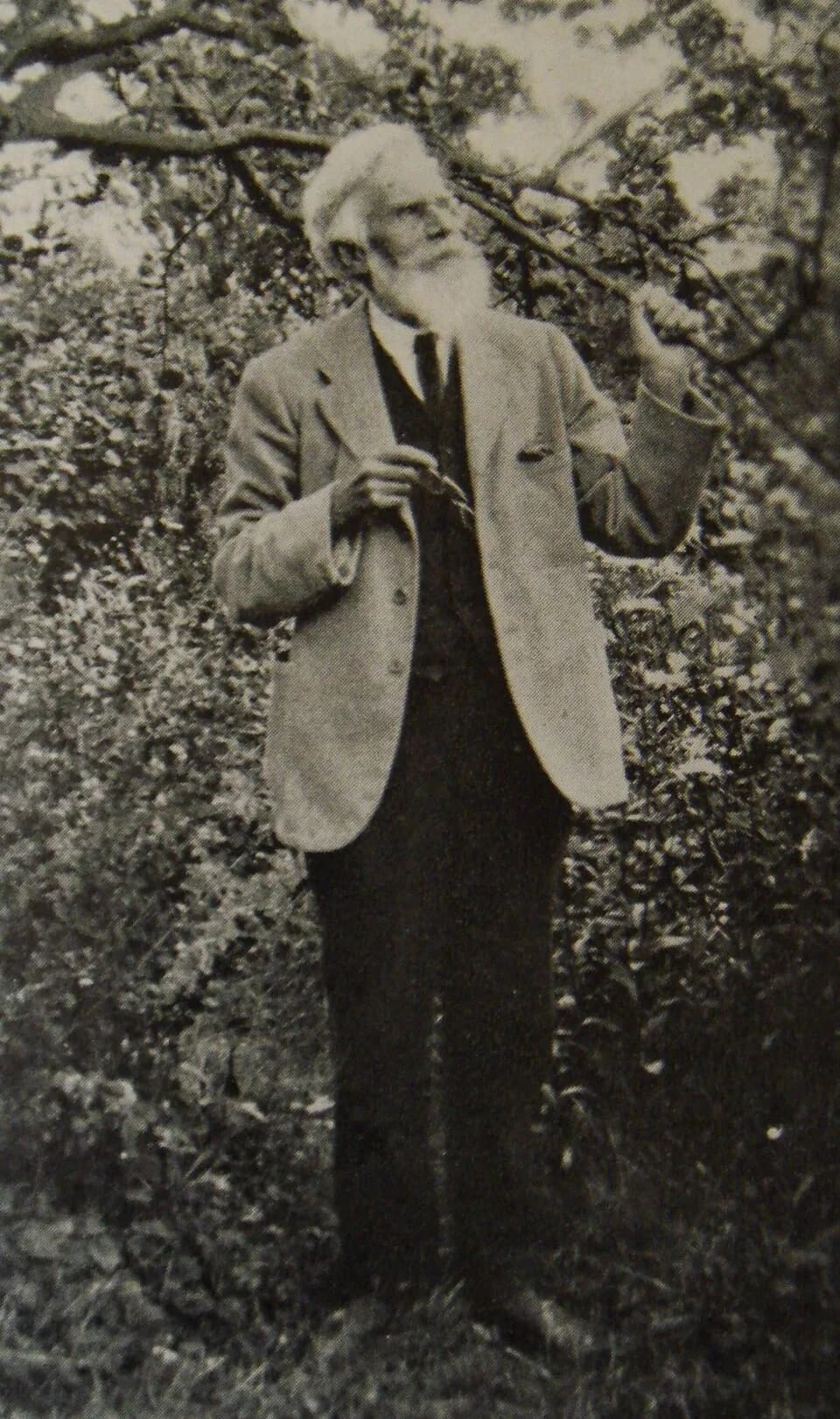
![Havelock Ellis - Creator/Photographer: Unidentified photographer
Medium: Black and white photographic print
Dimensions: 14.2 cm x 9.7 cm
Date: 1923
Persistent URL: [1]
Repository: Smithsonian Institut](/_next/image?url=https%3A%2F%2Fcdn.whowasthisguy.com%2Fgallery_wikimedia_commons_1783619292836_5_1986487f1b.webp&w=1920&q=75)
Chapter
Life chapters
Chapter 1 · 1859· Chapter 1 of 7
Opening Paragraph
Havelock Ellis (1859–1939) was a British physician, writer, and social reformer who dedicated his life to understanding and illuminating the complexities of human sexuality. Born in Croydon, United Kingdom, and passing away in Hintlesham, United Kingdom, Ellis challenged the prevailing social norms of his era with his rigorous scientific inquiry and progressive intellectual pursuits. His work significantly contributed to psychology and medicine, earning him a place as a foundational figure in the study of sexology.
Chapter 2 · 1859· Chapter 2 of 7
Early Life and Origins
Henry Havelock Ellis was born on February 2, 1859, in Croydon, United Kingdom. Growing up in Victorian England, a period characterized by strict moral codes, Ellis developed an early interest in human nature and societal structures. While specific details of his early family life are not extensively documented in the provided information, his foundational experiences undoubtedly contributed to his later progressive worldview. His birthplace roots him firmly within the intellectual ferment of 19th-century Britain, shaping his unique approach to social and scientific issues.
Chapter 3· Chapter 3 of 7
Career Beginnings
Ellis embarked on his professional path as a physician, a role that provided him with a medical perspective on human health and behavior. However, his intellectual curiosity soon led him beyond traditional medical practice into the realms of writing and psychology. He emerged as a progressive intellectual and social reformer, driven by a desire to bring scientific clarity to subjects often shrouded in ignorance and taboo.
His unique combination of medical training and a reformist spirit allowed him to approach controversial topics with a blend of scientific objectivity and social empathy. This multifaceted background was crucial in establishing his authority in nascent fields, where he sought to educate and enlighten. His early endeavors laid the groundwork for a career dedicated to challenging conventional wisdom and fostering a more informed society.
Chapter 4 · 1897· Chapter 4 of 7
Major Achievements and Career Highlights
Havelock Ellis became a central figure in the scientific study of human sexuality, a field he significantly shaped through his pioneering research and publications. A landmark achievement occurred in 1897 when he co-wrote the first medical textbook in English on homosexuality, a critical step toward understanding and discussing sexual orientation within a medical context. This work courageously addressed a topic then largely condemned, marking a shift in scientific discourse.
His extensive studies led to the publication of numerous works exploring a wide variety of sexual practices and inclinations, including early and significant contributions to transgender psychology. Beyond specific topics, Ellis also developed and introduced foundational psychological concepts such as narcissism and autoeroticism. These terms were subsequently adopted and integrated into the broader field of psychoanalysis, profoundly influencing the vocabulary and theoretical frameworks for understanding human psychological development and sexual drives.
Chapter 5· Chapter 5 of 7
Notable Works or Contributions
Havelock Ellis was a prolific writer whose bibliography spanned various subjects, though he is primarily remembered for his contributions to sexology. Among his most influential works are "Four essays on sex," which provided insightful analyses of sexual themes, and "Analysis of the sexual impulse," offering a detailed scientific examination. He also addressed societal issues in "The criminal" and explored the intricacies of human behavior in "Morals, manners, and men."
His intellectual breadth extended beyond sexology and social commentary to include literary and artistic criticism. Works such as "An open letter to biographers," "The Song of songs as a drama," and "Lives of Italian painters" demonstrate his diverse cultural interests and critical acumen. Even his short fiction, like "Kanga Creek," showcases his versatile literary talent, while "Die Bedeutung der Schwangerschaft" reflected his continued engagement with medical topics.
Ellis also made significant contributions to academic literature, as evidenced by his scholarly publications. "L'Evoluzione Umana" (1904) and "La Contagion Mentale" (1905) each garnered four citations, illustrating their impact on contemporary thought. Other academic articles included "Considerations on Infantilism, etc." published in Monitore Zoologico Italiano in 1903, and "Art and Insanity" in 1913. His international reach is further highlighted by "Criminologia de los Delitos de Sangre en España" (The Criminology of Crimes of Blood in Spain) from 1906, reflecting his broad, cross-cultural research interests.
Chapter 6 · 1939· Chapter 6 of 7
Later Years
Havelock Ellis continued to influence intellectual discourse well into his later years, maintaining his commitment to observation and writing. He passed away on July 8, 1939, at the age of 80, in Hintlesham, United Kingdom. His long and productive life culminated in a legacy of inquiry that had already begun to transform public and scientific perceptions of human nature.
Chapter 7· Chapter 7 of 7
Legacy and Impact
The legacy of Havelock Ellis is substantial, fundamentally altering the scientific and public understanding of human sexuality. His willingness to openly and scientifically discuss subjects that were previously considered unspeakable paved the way for future research and greater societal acceptance. The concepts of narcissism and autoeroticism, which he formulated, became essential tools within psychoanalysis, deeply influencing psychological theory and practice.
Ellis's work continues to be a vital reference point for scholars in sexology, psychology, and social history, underscoring the importance of empirical study and critical thinking in understanding human experience. He remains a symbol of intellectual courage, whose contributions fostered an environment where human diversity could be studied with greater objectivity and empathy.
FAQ
Frequently asked
When did Havelock Ellis die?
Havelock Ellis died on July 8, 1939 in Hintlesham, United Kingdom, at the age of 80.
Where was Havelock Ellis born?
Havelock Ellis was born in Croydon, United Kingdom on February 2, 1859.
What is Havelock Ellis best known for?
Havelock Ellis is best known for British physician, writer, and social reformer.
How old was Havelock Ellis when they died?
Havelock Ellis was 80 years old at the time of death.
What nationality was Havelock Ellis?
Havelock Ellis was from United Kingdom.
Timeline
Life at a glance
Photo gallery
A life in pictures
Click any polaroid to expand · 25 photos
QR Code
Share This Biography
Print & Share
Scan to visit this biography page. Print for events, exhibitions, or educational materials.