Born
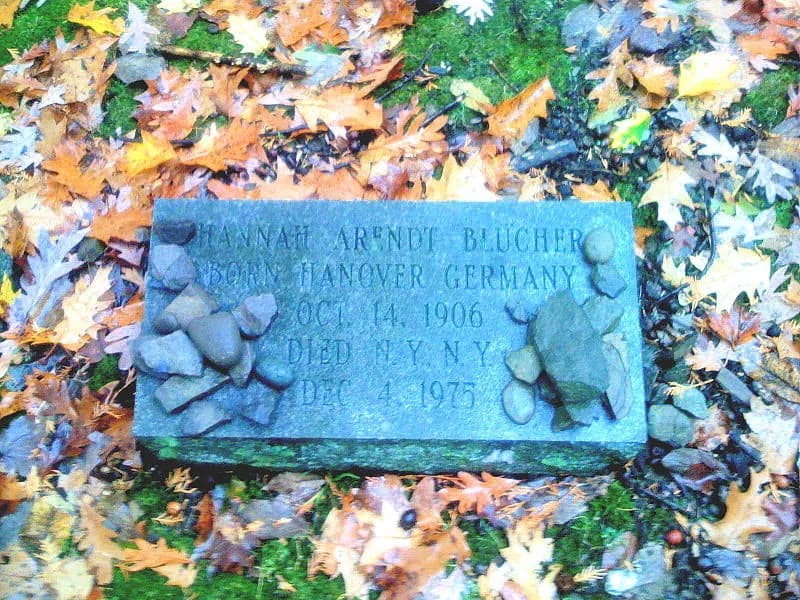
October 14, 1906
Lindener Marktplatz 2, Hannover, Germany
Died
December 4, 1975
Upper West Side, United States
Known for
German-American political theorist and philosopher
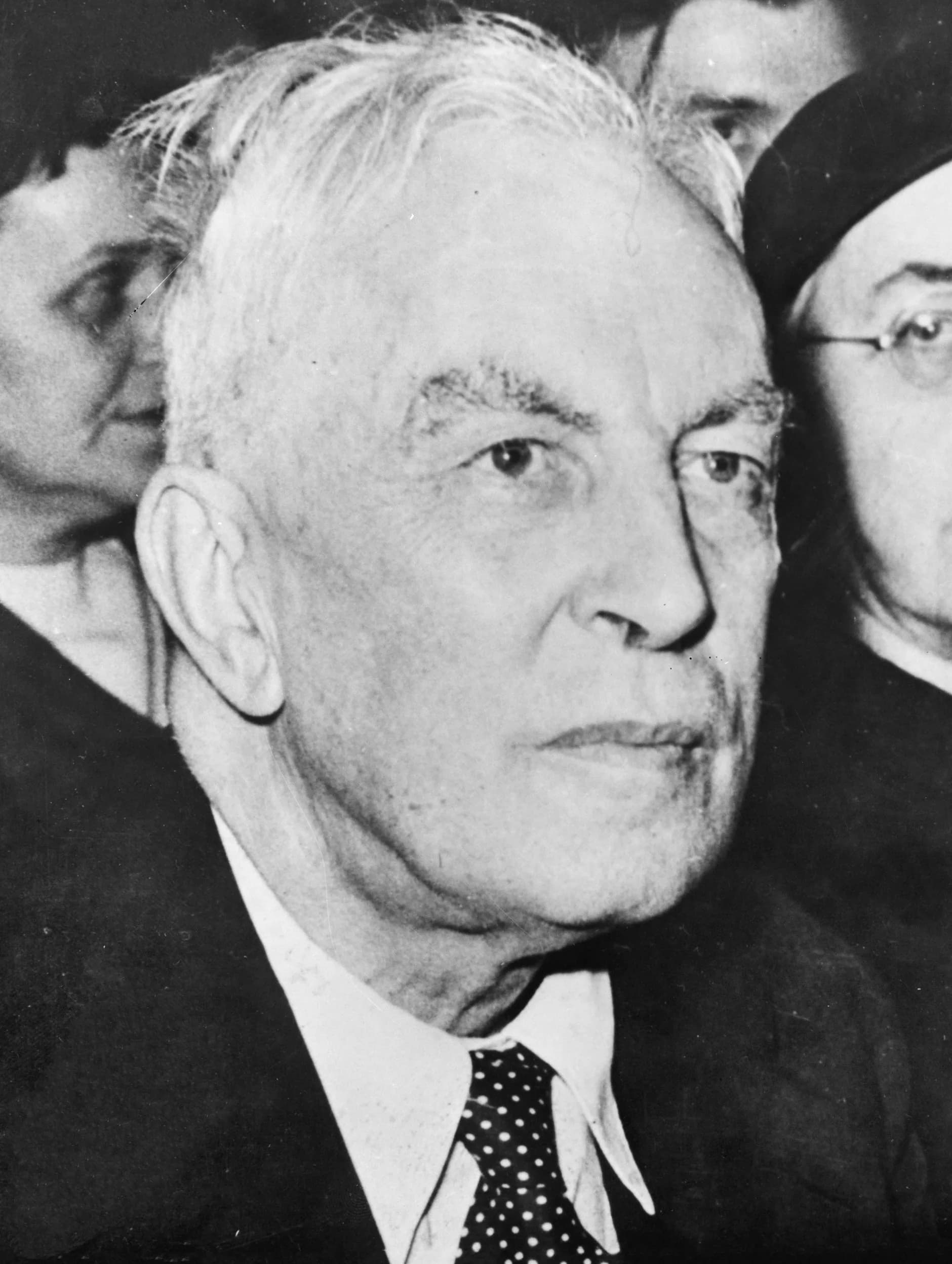
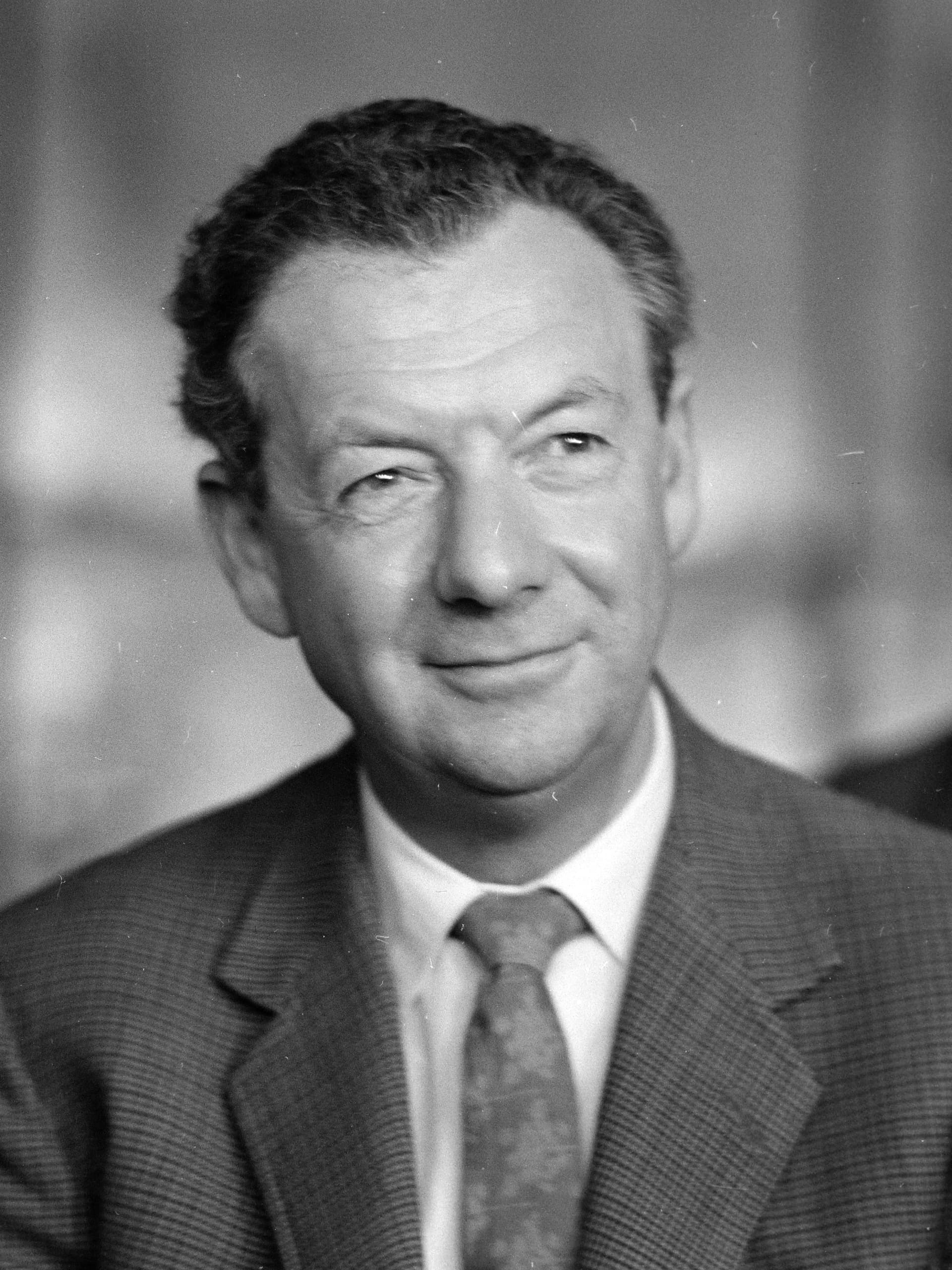
Hannah Arendt (1906–1975) was Germany best known for German-American political theorist and philosopher.
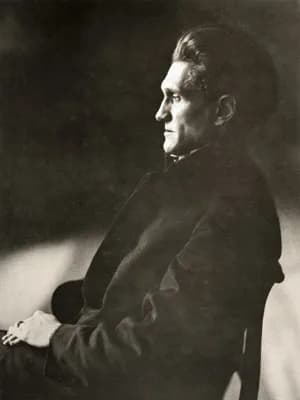
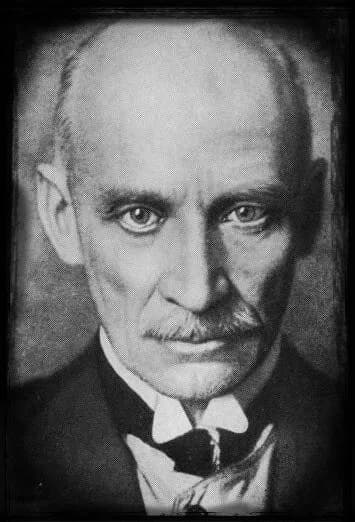
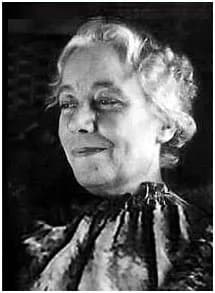
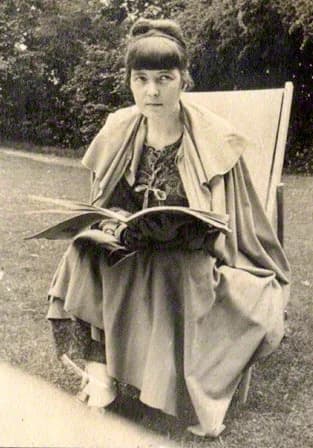
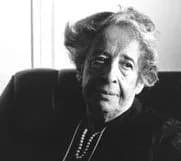
Hannah Arendt (October 14, 1906 – December 4, 1975) was a German-American political theorist and philosopher. She became one of the twentieth century's most influential thinkers. Her writings explored totalitarianism, power, and the human condition, leaving a lasting scholarly impact.
A life in moments
The moments that shaped a life


Chapter
Life chapters
Chapter 1 · 1906· Chapter 1 of 6
Early Life and Origins
Hannah Arendt was born on October 14, 1906, in Lindener Marktplatz 2, Hannover, Germany. Her early life in Germany laid the foundation for her later intellectual pursuits and her deep engagement with political and ethical questions. Her experiences as a German national greatly influenced her perspective on justice, freedom, and human dignity.
Chapter 2· Chapter 2 of 6
Career Beginnings
Arendt’s career saw her embrace a wide array of professions, including writer, historian, university teacher, sociologist, philosopher, essayist, and political scientist. She also distinguished herself as a resistance fighter during a turbulent period in European history. These diverse roles allowed her to develop a unique interdisciplinary approach to understanding complex societal structures and human actions.
Chapter 3· Chapter 3 of 6
Major Achievements and Career Highlights
As one of the most influential political theorists of the twentieth century, Arendt’s career was marked by continuous intellectual output and critical acclaim. Her academic contributions are reflected in her h-index of 12 across 49 papers, demonstrating the breadth and depth of her scholarly engagement. She critically examined political phenomena, offering perspectives that challenged conventional wisdom and stimulated new avenues of thought.
Chapter 4· Chapter 4 of 6
Notable Works or Contributions
Arendt authored numerous influential works that explored the complexities of human existence and political life. Among her most celebrated books are Eichmann in Jerusalem, which explored the banality of evil, and L'humaine condition (often known in English as The Human Condition), a foundational text in political philosophy. Other notable publications include Der Liebesbegriff bei Augustin, Stanovyshche li︠u︡dyny, Sechs Essays, and the epistolary collection アーレント=ショーレム往復書簡.
Her bibliography also features works such as Set Grote Klassieken – Arendt en Seneca, Den banala ondskan, and her correspondence with Heinrich Blücher, Hannah Arendt / Heinrich Blücher. Additionally, her academic publications, like Responsabilité et jugement (2005), which garnered 22 citations, and Nous autres réfugiés (2013), with 9 citations, showcase her enduring scholarly influence. Her work Journal de pensée (2005) and collected interventions "Édifier un monde" : interventions, 1971-1975 (2007) further highlight her intellectual contributions.
Chapter 5 · 1975· Chapter 5 of 6
Later Years
Hannah Arendt continued her intellectual pursuits and teaching until her passing on December 4, 1975, in the Upper West Side, United States. Her final years were spent reflecting on and articulating her profound understanding of the human experience within political frameworks. Her dedication to exploring freedom, authority, and human action remained steadfast throughout her life.
Chapter 6· Chapter 6 of 6
Legacy and Impact
Hannah Arendt's legacy as a political theorist and philosopher is vast and enduring. Her analyses of totalitarianism, revolution, and the public and private spheres have significantly shaped modern political thought and philosophy. Generations of scholars and thinkers continue to engage with her work, finding in it critical tools for understanding the challenges of their own times. Her distinctive voice and rigorous inquiry ensure her place as a guiding figure in the intellectual history of the twentieth century.
FAQ
Frequently asked
When did Hannah Arendt die?
Hannah Arendt died on December 4, 1975 in Upper West Side, United States, at the age of 69.
Where was Hannah Arendt born?
Hannah Arendt was born in Lindener Marktplatz 2, Hannover, Germany on October 14, 1906.
What is Hannah Arendt best known for?
Hannah Arendt is best known for German-American political theorist and philosopher.
How old was Hannah Arendt when they died?
Hannah Arendt was 69 years old at the time of death.
What nationality was Hannah Arendt?
Hannah Arendt was from Germany.
Timeline
Life at a glance
Photo gallery
A life in pictures
Click any polaroid to expand · 21 photos
QR Code
Share This Biography
Print & Share
Scan to visit this biography page. Print for events, exhibitions, or educational materials.