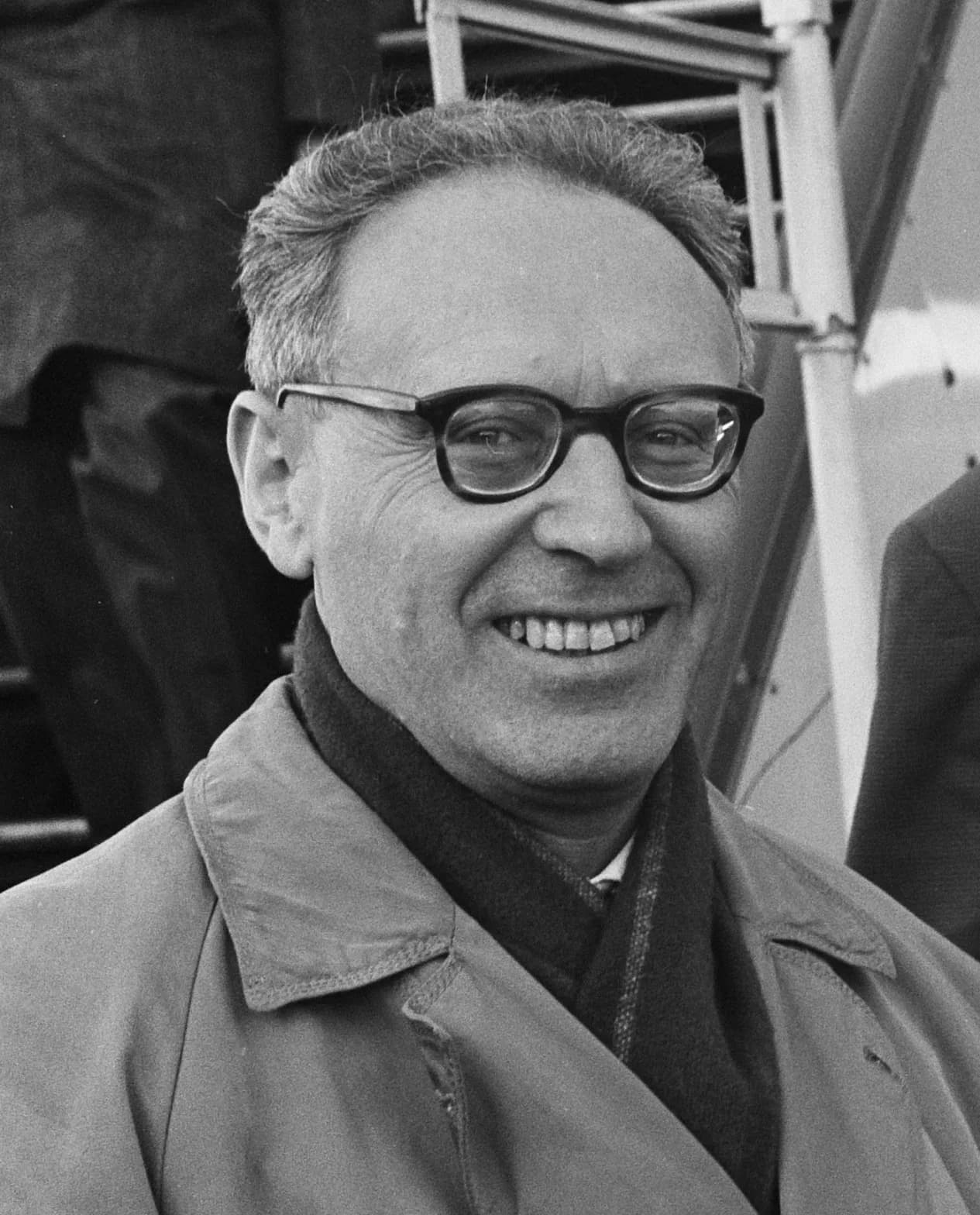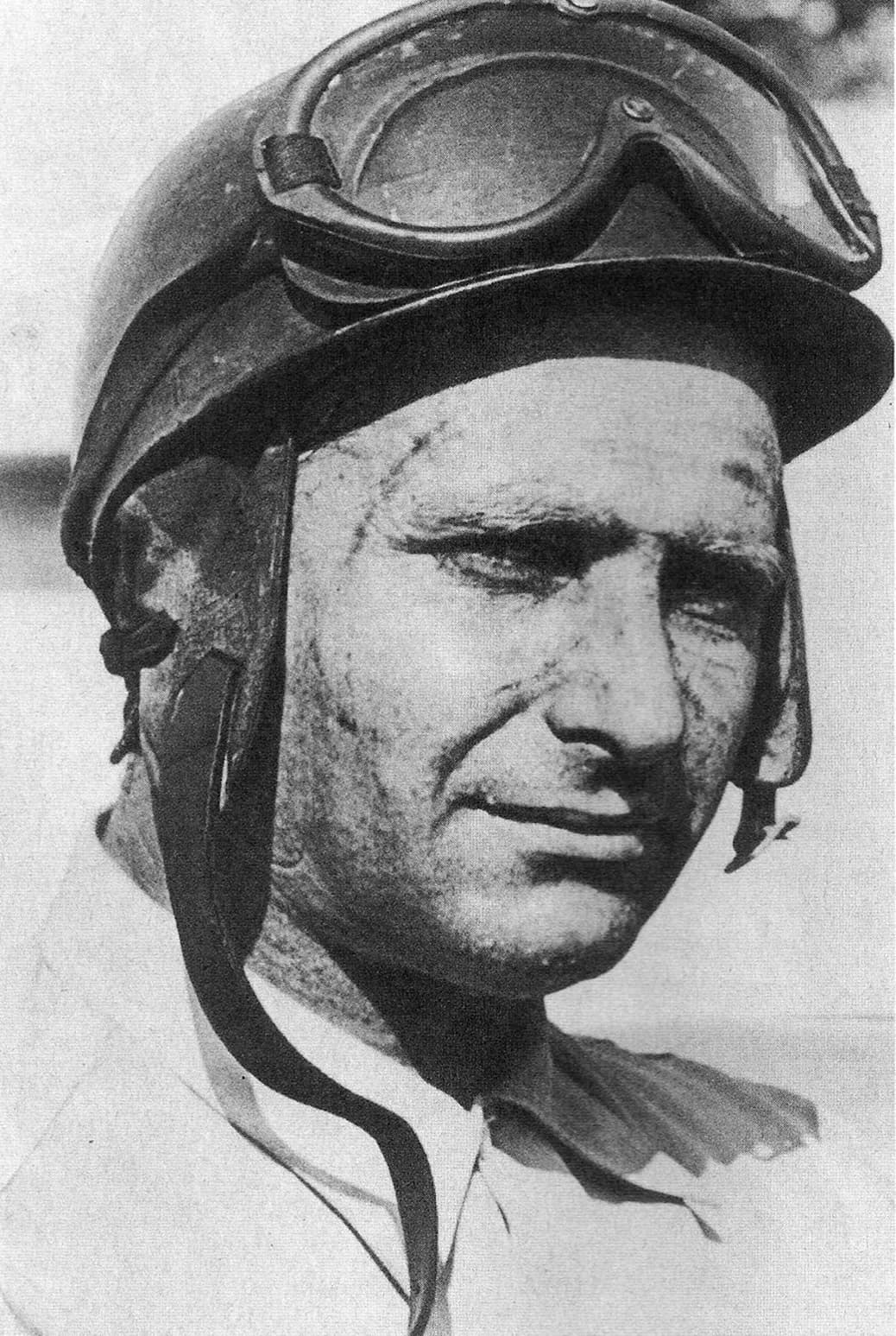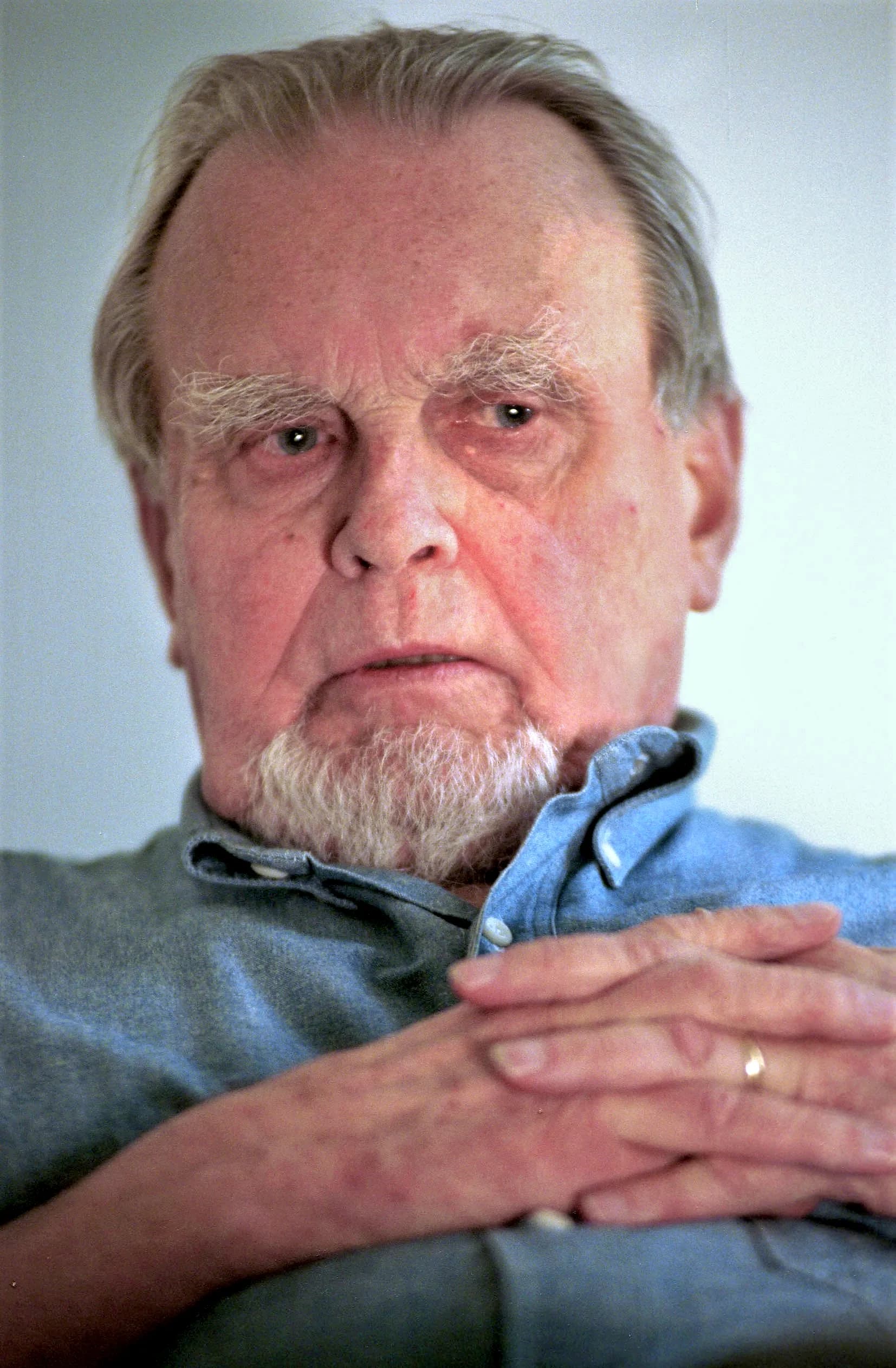
Born
October 14, 1911
Hà Nam, Vietnam
Died
October 13, 1990
Hanoi, Vietnam
Known for
Vietnamese diplomat
Le Duc Tho (1911–1990) was Vietnam best known for Vietnamese diplomat.
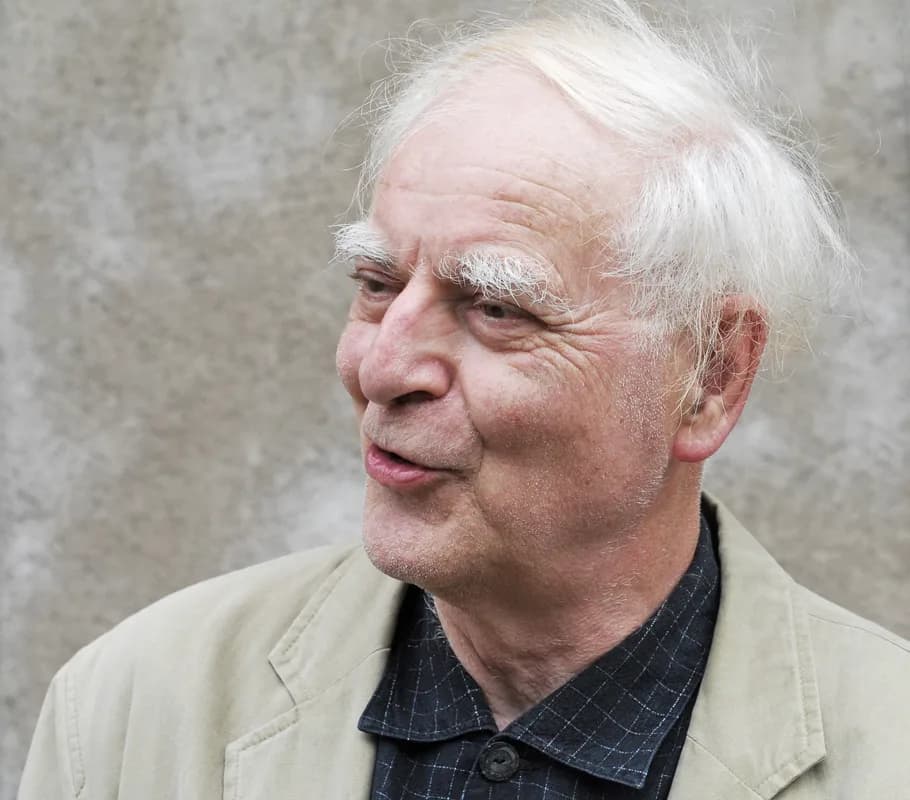
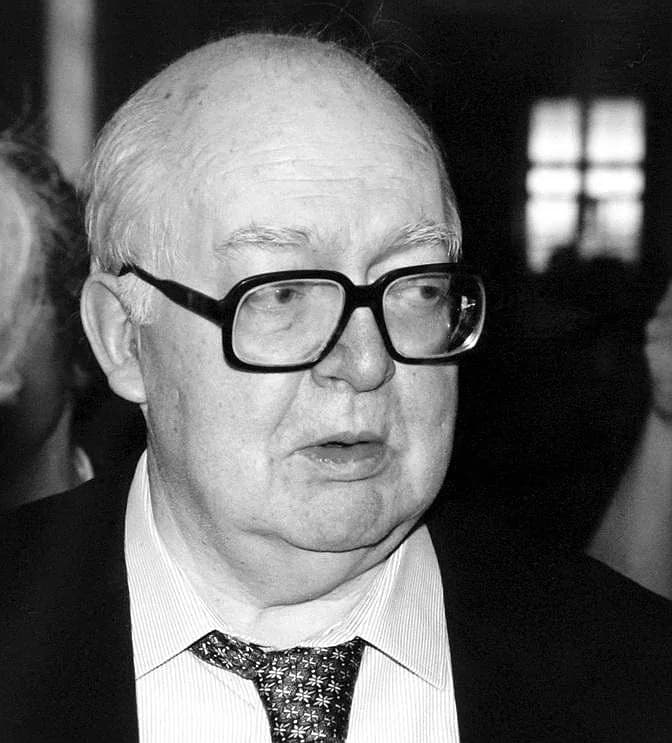
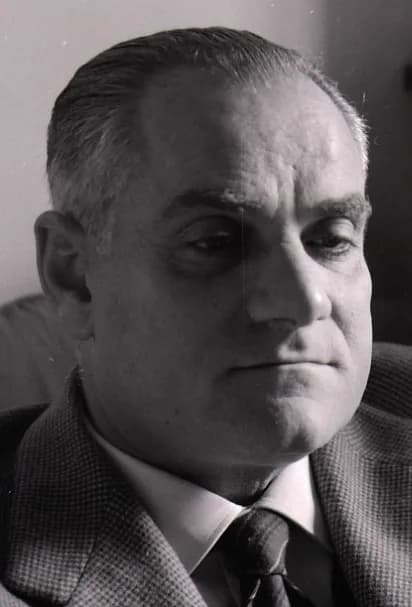
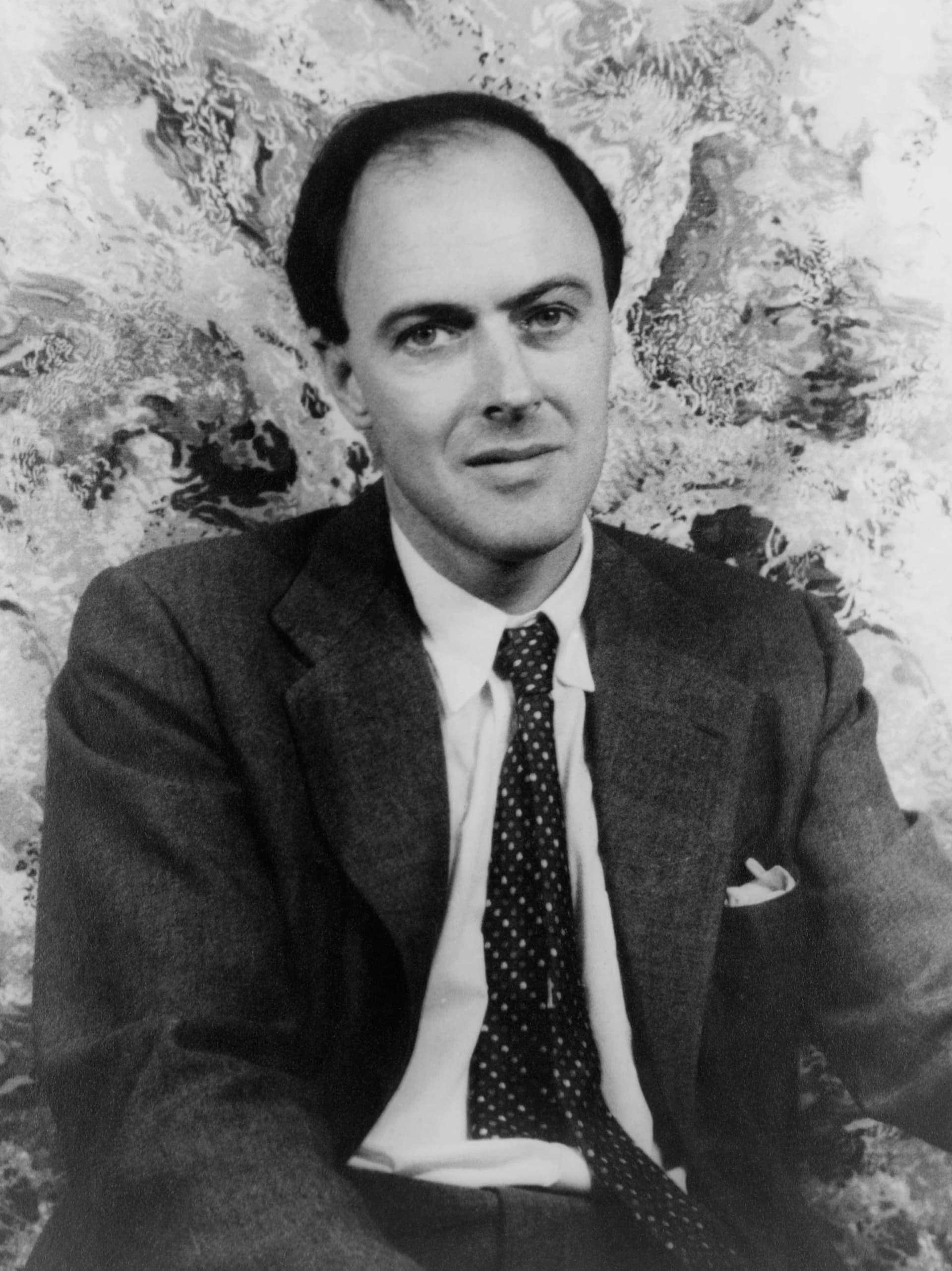
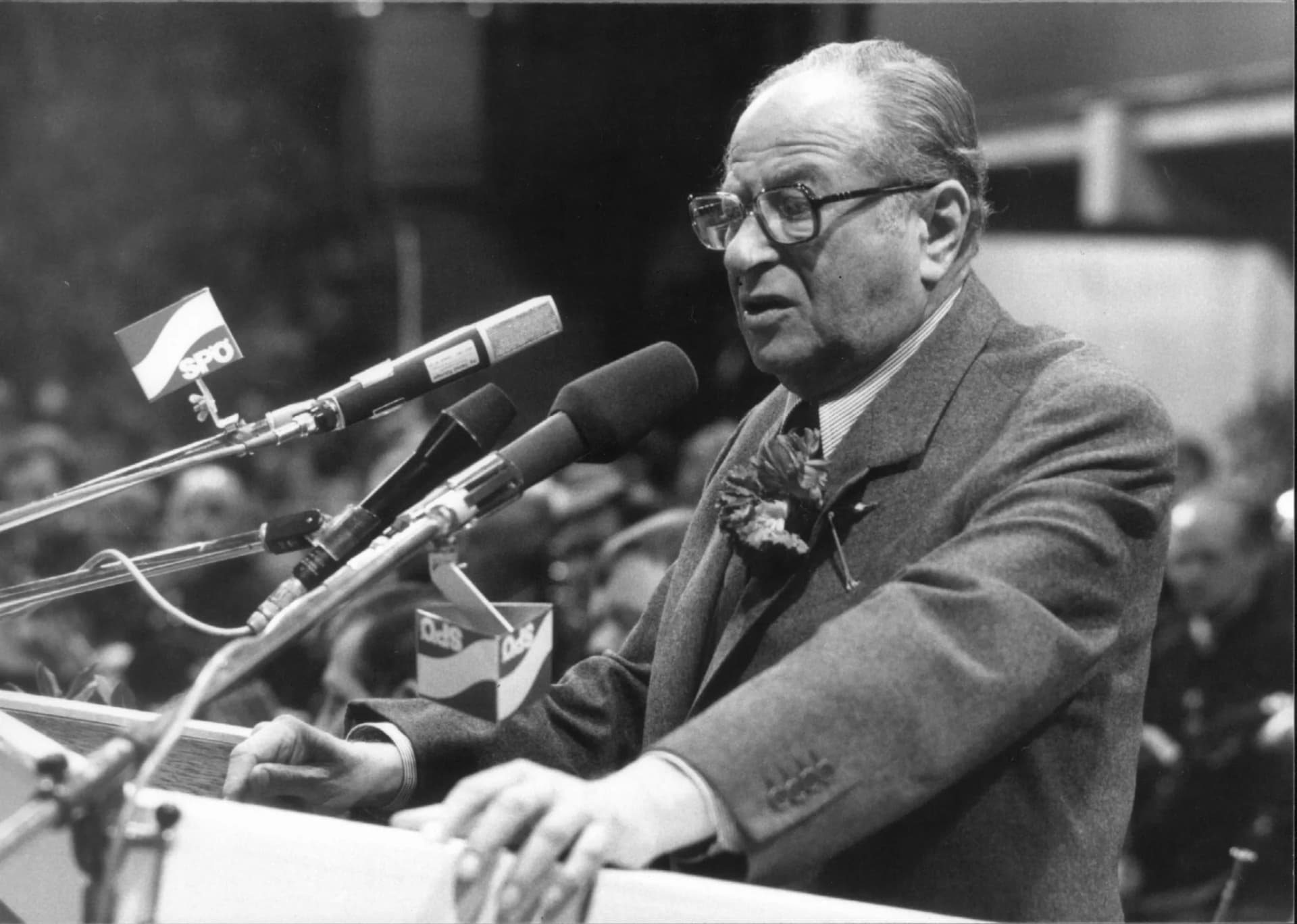
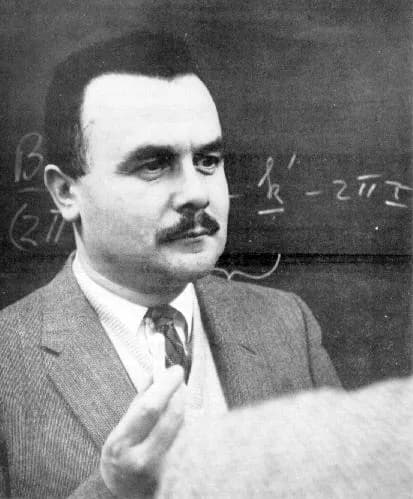
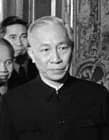
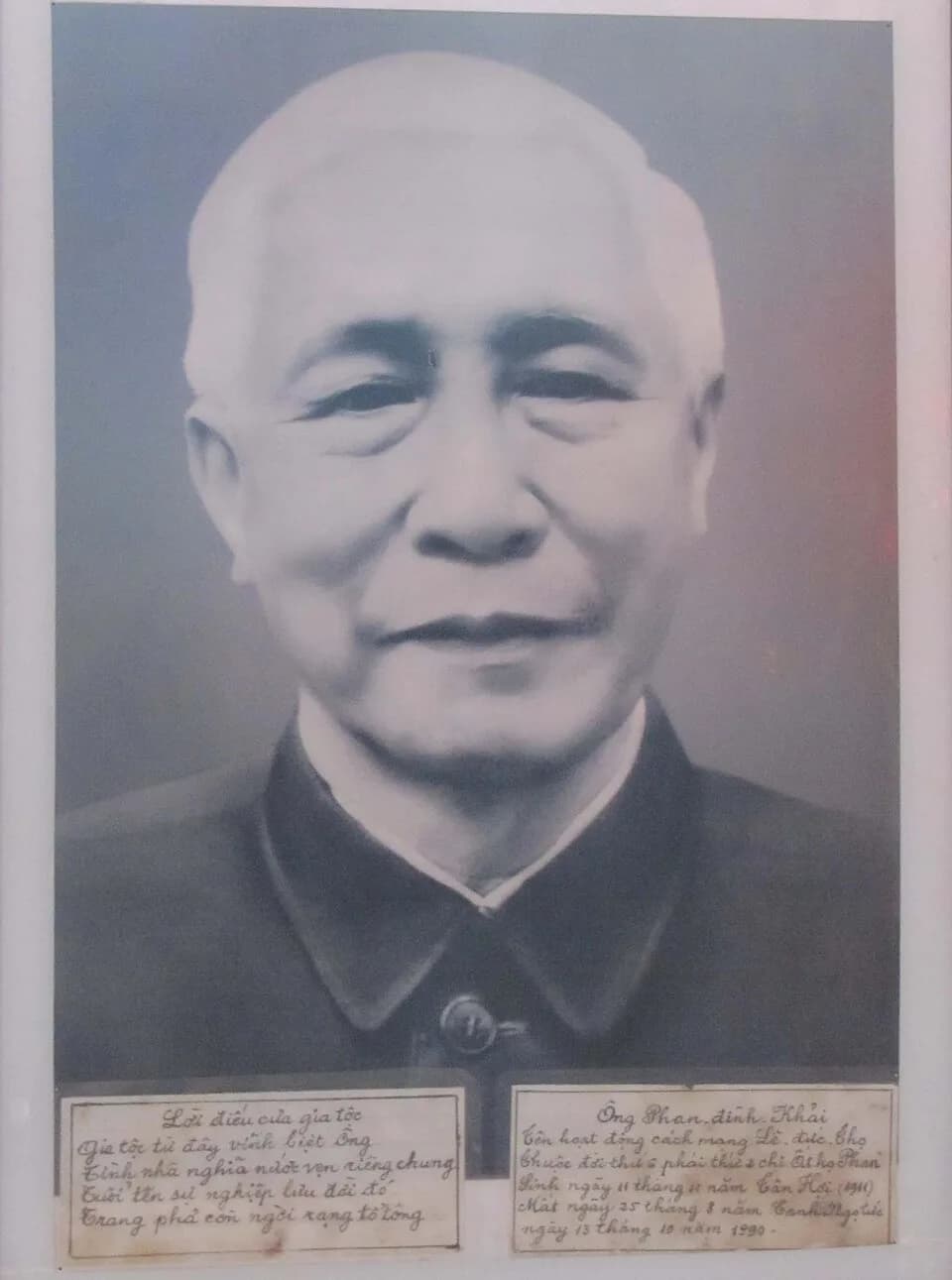
Le Duc Tho (October 14, 1911 – October 13, 1990) was a Vietnamese diplomat and revolutionary from Hà Nam, Vietnam. He was jointly awarded the Nobel Peace Prize in 1973 for negotiating a cease-fire in Vietnam, but famously refused the award. His principled stand continues to define his legacy.
A life in moments
The moments that shaped a life
Chapter
Life chapters
Chapter 1 · 1911· Chapter 1 of 6
Early Life and Origins
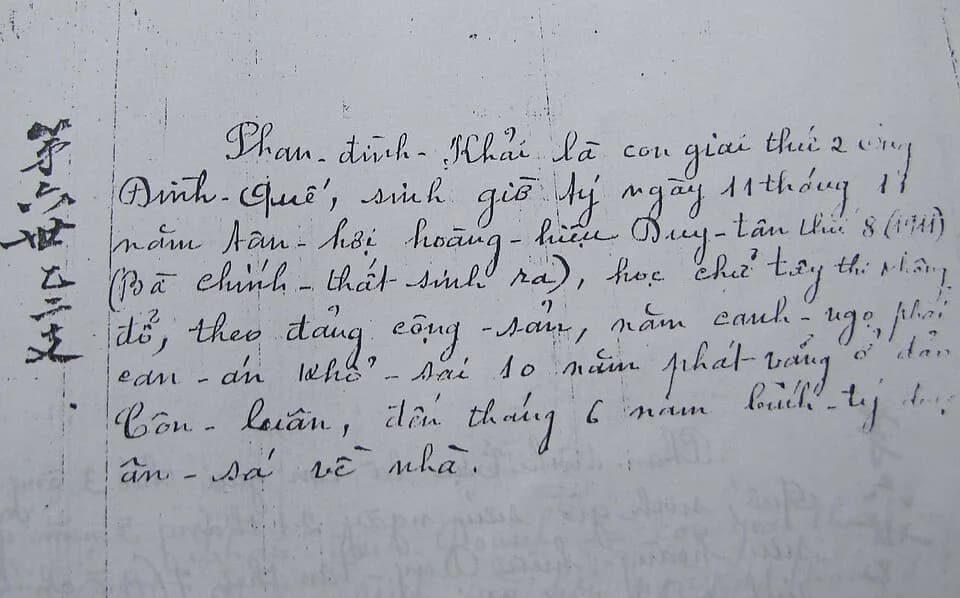
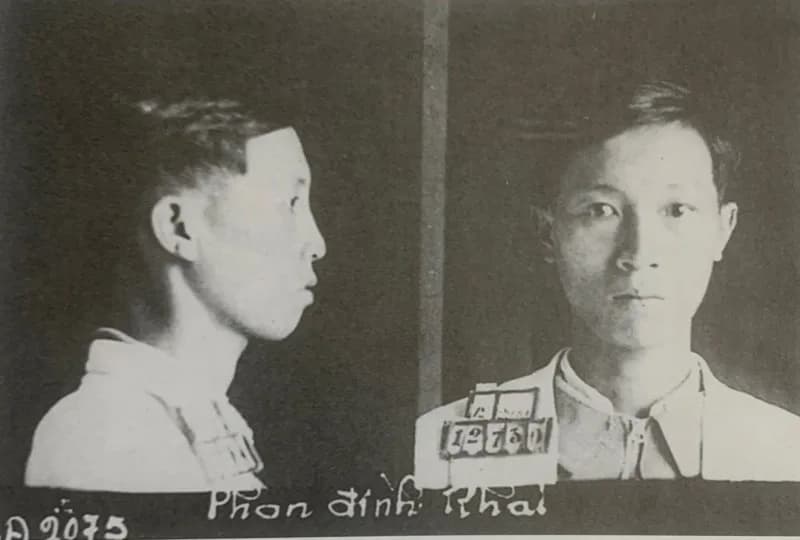
Lê Đức Thọ began his life as Phan Đình Khải on October 14, 1911, in Hà Nam, Vietnam. This period was one of significant political and social upheaval across the country. His birth in Hà Nam marked the beginning of a life that would eventually lead him to the global diplomatic stage.
He was also associated with Nam Dinh Province, reflecting his deep provincial roots within Vietnam. These formative years, spent amidst a nation grappling with its identity and future, undoubtedly shaped his revolutionary spirit. The experiences of his youth fostered a strong commitment to national self-determination.
Chapter 2· Chapter 2 of 6
Career Beginnings
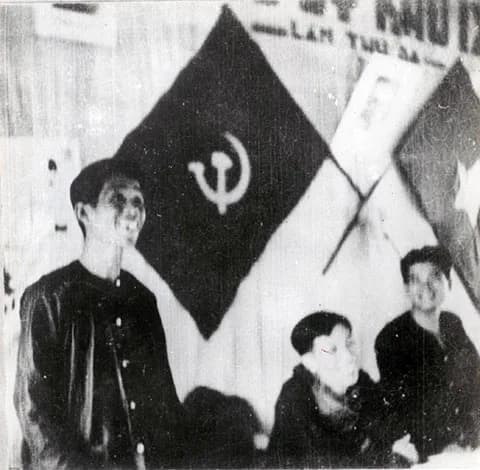
Thọ committed himself early on to the revolutionary cause in Vietnam. He emerged as a devoted figure within the various movements advocating for Vietnamese independence and unity. His initial involvement laid the essential groundwork for what would become an extensive and impactful political career.
His early work as a revolutionary positioned him as a vital participant in the unfolding national struggle. This period saw him developing the skills and resolve necessary for his later roles as a politician and diplomat. These foundational experiences cemented his standing as a dedicated leader in Vietnam's push for sovereignty.
Chapter 3· Chapter 3 of 6
Major Achievements and Career Highlights
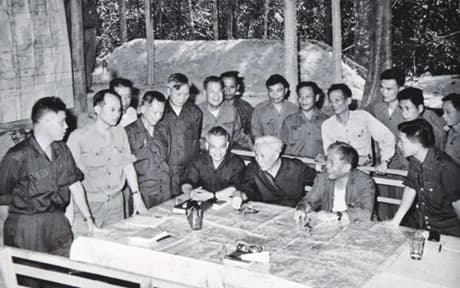
Le Duc Tho's career was marked by his exceptional contributions as a military personnel and politician during a critical era. He was instrumental in shaping both domestic policy and international relations for Vietnam. His strategic acumen and unwavering resolve were evident throughout his professional life.
His most globally recognized achievement was his central role in negotiating a cease-fire in Vietnam in 1973. This intensive diplomatic effort aimed to halt the protracted conflict that had devastated his nation. Working alongside United States Secretary of State Henry Kissinger, Thọ demonstrated a profound capacity for negotiation under immense pressure.
For their joint efforts in these peace negotiations, Le Duc Tho and Henry Kissinger were awarded the Nobel Peace Prize in 1973. This made Thọ the first Asian individual to receive such a distinguished international honor. However, he notably refused the award, stating that true peace had not yet been established in Vietnam. His principled rejection highlighted his unwavering commitment to a complete and lasting resolution.
Chapter 4· Chapter 4 of 6
Notable Works or Contributions
Beyond his celebrated diplomatic endeavors, Le Duc Tho's legacy includes his substantial contributions as a revolutionary. He was a driving force behind many political initiatives aimed at consolidating Vietnamese independence and governance. His influence was felt across multiple facets of the nation's development.
His work as a diplomat was not an isolated effort but rather an extension of his lifelong dedication as a politician and revolutionary. He tirelessly pursued pathways that would strengthen Vietnam's position on the global stage. These contributions cemented his reputation as a steadfast and influential figure in his country's history.
Chapter 5· Chapter 5 of 6
Later Years
Le Duc Tho continued to play a significant role in Vietnam's political landscape well into his later years. His dedication to his country remained constant, even after the conclusion of major international peace accords. He maintained an active presence, advising and guiding the nation's trajectory.
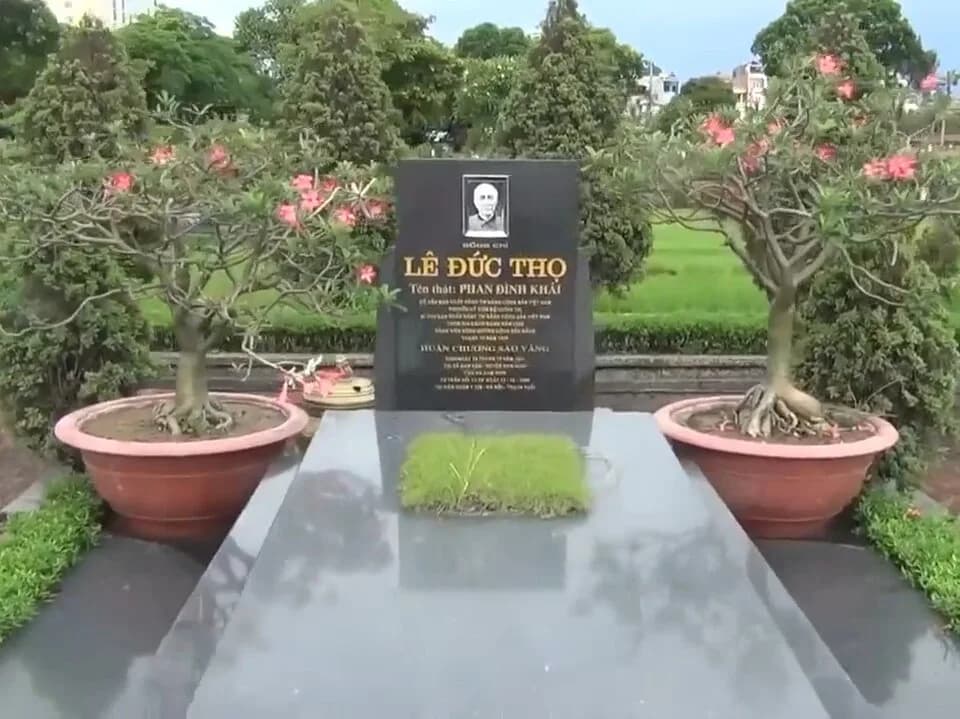
He passed away on October 13, 1990, in Hanoi, Vietnam, just one day before his 79th birthday. His passing marked the end of a long and impactful life dedicated to public service. His final years reflected a continued commitment to the principles he had championed throughout his distinguished career.
Chapter 6 · 1973· Chapter 6 of 6
Legacy and Impact
Le Duc Tho's enduring legacy is intrinsically linked to his resolute commitment to Vietnamese sovereignty and peace. His principled refusal of the Nobel Peace Prize in 1973 stands as a powerful symbol of his integrity and his belief that genuine peace required more than just a cease-fire. He prioritized the ultimate well-being of his nation above individual accolades.
He remains a pivotal figure in Vietnamese history, admired for his strategic brilliance and unwavering resolve. His contributions significantly shaped the trajectory of a nation emerging from conflict. Thọ's actions continue to serve as a case study in international diplomacy and principled leadership.
His life and work left a lasting impact on global understandings of revolutionary movements and peace negotiations. Le Duc Tho's memory inspires reflection on the complexities of achieving lasting peace and the sacrifices required for national liberation. He stands as an example of the power of conviction in the face of profound challenges.
FAQ
Frequently asked
When did Le Duc Tho die?
Le Duc Tho died on October 13, 1990 in Hanoi, Vietnam, at the age of 78.
Where was Le Duc Tho born?
Le Duc Tho was born in Hà Nam, Vietnam on October 14, 1911.
What is Le Duc Tho best known for?
Le Duc Tho is best known for Vietnamese diplomat.
How old was Le Duc Tho when they died?
Le Duc Tho was 78 years old at the time of death.
What nationality was Le Duc Tho?
Le Duc Tho was from Vietnam.
Timeline
Life at a glance
Photo gallery
A life in pictures
Click any polaroid to expand · 23 photos
QR Code
Share This Biography
Print & Share
Scan to visit this biography page. Print for events, exhibitions, or educational materials.