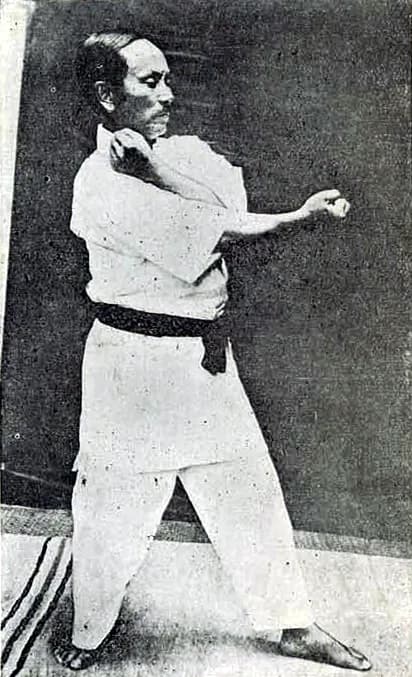
Born
November 10, 1868
Shuri, Japan
Died
April 26, 1957
Tokyo, Japan
Known for
Japanese karateka
Gichin Funakoshi (1868–1957) was Japan best known for Japanese karateka.
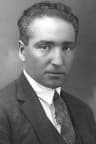
Gichin Funakoshi (November 10, 1868 – April 26, 1957) was a Japanese karateka from Shuri, Japan. He founded Shotokan karate and is recognized as a "father of modern karate" for introducing the art to mainland Japan. His legacy continues to shape martial arts globally.
Chapter
Life chapters
Chapter 1 · 1868· Chapter 1 of 7
Early Life and Origins
Gichin Funakoshi began his remarkable life in Shuri, Japan, on November 10, 1868, a period marked by considerable societal transformation and the ongoing modernization of the Meiji Era. His formative years were deeply rooted in the rich cultural tapestry of Okinawa, an island where ancient martial arts practices were not just traditions but essential elements of daily life and personal discipline. During this crucial time, he immersed himself in the study of these indigenous fighting methods, laying the groundwork for his future mastery. He was privileged to learn from two of the most revered Okinawan karate masters of his era, Anko Itosu and Anko Asato, who became his instrumental mentors and guides, meticulously instilling in Funakoshi the profound foundational principles, intricate techniques, and philosophical underpinnings that would later become the defining characteristics of his own unique approach to karate.
Chapter 2 · 1922· Chapter 2 of 7
Career Beginnings
Funakoshi's personal mission to introduce and popularize karate to a broader audience began in earnest with his courageous decision to bring the art to the Japanese mainland in 1922. This significant cultural exchange built upon an earlier, foundational introduction by his esteemed teacher, Anko Itosu, demonstrating a burgeoning interest in Okinawan martial arts beyond their traditional island home. Funakoshi’s arrival in mainland Japan marked a truly transformative chapter for karate, moving it from relative obscurity into a realm of national recognition and academic inquiry, as he meticulously began to present and teach the discipline to receptive audiences.
Chapter 3· Chapter 3 of 7
Major Achievements and Career Highlights
A central and enduring pillar of Gichin Funakoshi's legacy is his masterful founding of Shotokan karate, a distinctive style characterized by its emphasis on powerful, deep stances and precisely executed linear movements. He dedicated countless years to the meticulous refinement and systematic organization of its techniques, transforming traditional Okinawan fighting methods into a highly disciplined, accessible, and intellectually rigorous art form suitable for widespread instruction and academic study. His unwavering commitment to the thoughtful dissemination of karate led him to establish dojos and conduct lessons at various esteemed Japanese universities, introducing the martial art to a new and academically inclined generation of students.
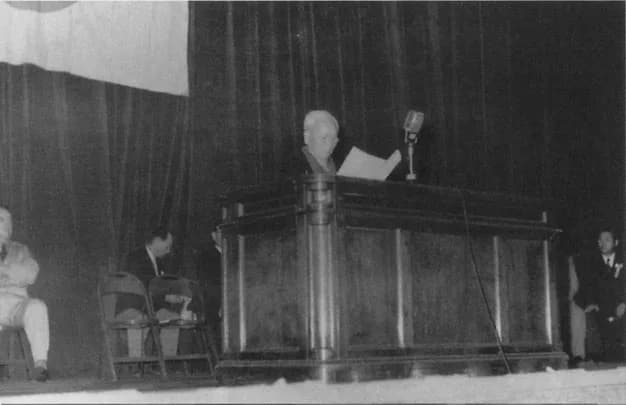
Funakoshi's profound influence on the world of karate culminated significantly in 1949 with the formal establishment of the Japan Karate Association (JKA), an organization he helped bring into being. Upon its inception, he was rightly appointed as its honorary head, a title that unequivocally underscored his status as the foremost authority and guiding patriarch of modern karate. This leadership role provided an essential, formal structure for the continued growth, standardization, and global propagation of Shotokan karate, ensuring its future prosperity and consistency.
Chapter 4· Chapter 4 of 7
Personal Life
Beyond his profound dedication and mastery of martial arts, Gichin Funakoshi was consistently described as a man of deep intellectual curiosity and diverse cultural pursuits, most notably being an avid poet and philosopher. These rich personal interests were not mere hobbies; instead, they profoundly permeated and infused his entire approach to karate with a deeper, more holistic meaning, viewing the practice as a path to personal cultivation, moral development, and spiritual enlightenment, transcending its physical combat applications. His reflective and contemplative nature, deeply influenced by his poetic and philosophical inclinations, undeniably contributed to the strong spiritual and ethical dimensions that are so intrinsically embedded within the Shotokan tradition.
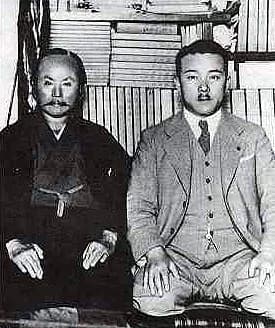
Funakoshi’s enduring personal legacy also extends significantly through his immediate family, most notably through the invaluable contributions of his son, Gigō Funakoshi, who played an indispensable and transformative role in the modernization of Shotokan. Gigō is widely and rightfully credited with developing the foundational elements of the more dynamic, powerful, and aesthetically advanced modern Shotokan style, introducing elements that would define its characteristic speed, strength, and expanded repertoire of techniques, pushing the art into a new era. Working collaboratively across generations, Gichin and Gigō Funakoshi together meticulously shaped the art of karate into the sophisticated and widely recognized form that is practiced and cherished by millions of dedicated adherents around the world today.
Chapter 5· Chapter 5 of 7
Notable Works or Contributions
Gichin Funakoshi's single most significant and lasting contribution to the world, without question, remains the meticulous formalization and widespread global dissemination of Shotokan karate itself. He tirelessly and systematically organized countless techniques, codified numerous katas (forms), and articulated profound philosophical principles, thereby creating a coherent, structured, and accessible system that could be effectively taught, learned, and faithfully transmitted across diverse cultures and generations. This systematic and methodical approach was instrumental in successfully transitioning karate from what was once a disparate collection of diverse Okinawan fighting methods into a unified, widely recognized, and universally respected martial art discipline. His clarity and structure were revolutionary for the art.
His pioneering and courageous efforts in introducing karate to the Japanese mainland in 1922 were absolutely crucial, indeed foundational, for its subsequent rapid international expansion. By proactively bringing this powerful martial art from its isolated Okinawan origins to the vibrant and influential cultural center of Japan, he effectively opened countless doors for its broader acceptance, academic study, and eventual global proliferation. This strategic relocation to the mainland was a masterstroke in terms of cultural exchange and popularization, ensuring that karate would not remain a confined regional practice but would instead blossom and grow into an unparalleled worldwide phenomenon.
Chapter 6 · 1949· Chapter 6 of 7
Later Years
In his later and revered years, Gichin Funakoshi continued to actively guide the dynamic growth and development of karate, most notably through his esteemed and influential role as honorary head of the Japan Karate Association, an organization he helped establish in 1949. Even as the martial art rapidly gained wider acceptance across Japan and commenced its impressive spread internationally, he remained an unwavering and steadfast guardian of its cherished traditional values, its profound spiritual essence, and its ethical code. He dedicated these final decades of his life to reinforcing the foundational principles he had so carefully laid, ensuring that karate’s evolution did not compromise its integrity or dilute its core teachings. He passed away peacefully in Tokyo, Japan, on April 26, 1957, having lived a full life dedicated to the propagation and perfection of karate-do, leaving behind an unparalleled and rich legacy that continues to inspire reverence and dedication.
Chapter 7· Chapter 7 of 7
Legacy and Impact
Gichin Funakoshi's enduring and pervasive legacy firmly entrenches him in history as the undisputed "father of modern karate," a title that accurately reflects his truly profound and transformative influence on the art's global trajectory and development. His visionary insights and tireless efforts successfully transformed karate from what was once a relatively obscure, often secretive Okinawan fighting method into a widely recognized and globally practiced discipline, fundamentally focused on holistic self-improvement, rigorous character development, and ethical conduct. The Shotokan style he so meticulously founded and cultivated is now, remarkably, one of the most widely practiced karate styles on Earth, a living and breathing testament to the exceptional clarity of his principles, the profound depth of his philosophy, and the sheer effectiveness of his teaching methodologies.
His philosophical insights, often expressed through his poetic inclinations, and his ethical guidance continue to profoundly inspire countless practitioners, emphasizing the critical importance of the mental and spiritual aspects of training alongside the rigorous physical conditioning. The structures and organizations he meticulously helped establish, such as the venerable Japan Karate Association, continue to passionately champion and propagate his foundational principles, ensuring their relevance for future generations. Funakoshi’s extraordinary life story illustrates a profound, lifelong dedication to a martial art that he not only mastered but also meticulously redefined and introduced to the world, impacting countless individuals globally, transcending cultural barriers, and fundamentally shaping the very definition of modern karate-do for generations to come.
A life in moments
The moments that shaped a life
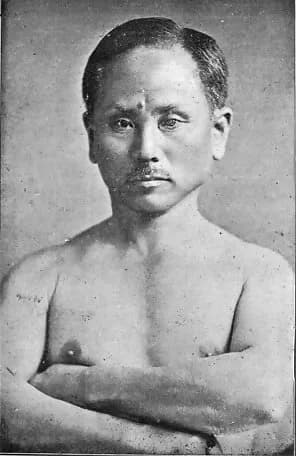
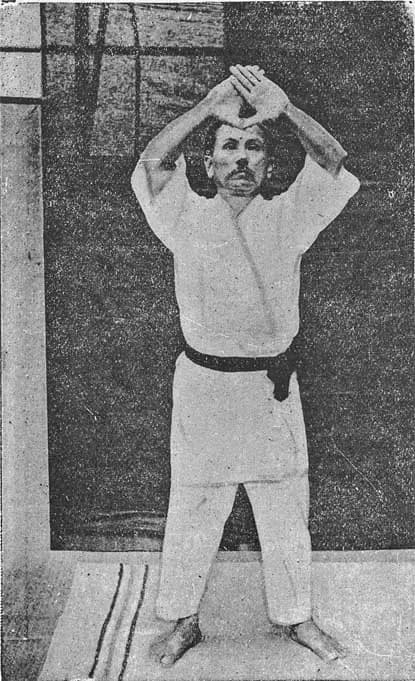
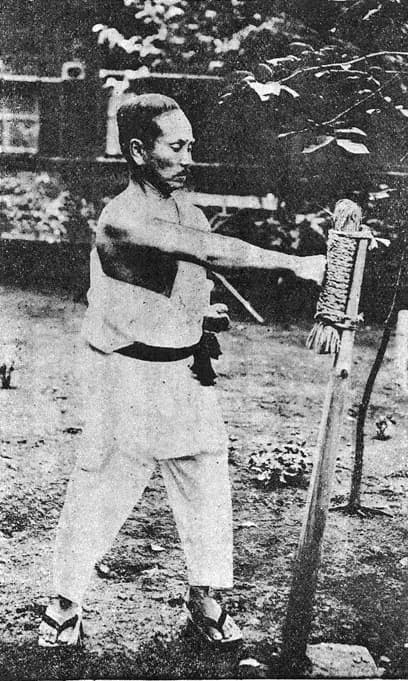
FAQ
Frequently asked
When did Gichin Funakoshi die?
Gichin Funakoshi died on April 26, 1957 in Tokyo, Japan, at the age of 88.
Where was Gichin Funakoshi born?
Gichin Funakoshi was born in Shuri, Japan on November 10, 1868.
What is Gichin Funakoshi best known for?
Gichin Funakoshi is best known for Japanese karateka.
How old was Gichin Funakoshi when they died?
Gichin Funakoshi was 88 years old at the time of death.
What nationality was Gichin Funakoshi?
Gichin Funakoshi was from Japan.
Timeline
Life at a glance
Photo gallery
A life in pictures
Click any polaroid to expand · 19 photos
QR Code
Share This Biography
Print & Share
Scan to visit this biography page. Print for events, exhibitions, or educational materials.