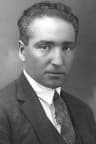
Born
August 15, 1896
Prague, Czech Republic
Died
October 26, 1957
United States
Known for
Austro-Hungarian-American biochemist
Gerty Cori (1896–1957) was Czech Republic best known for Austro-Hungarian-American biochemist.
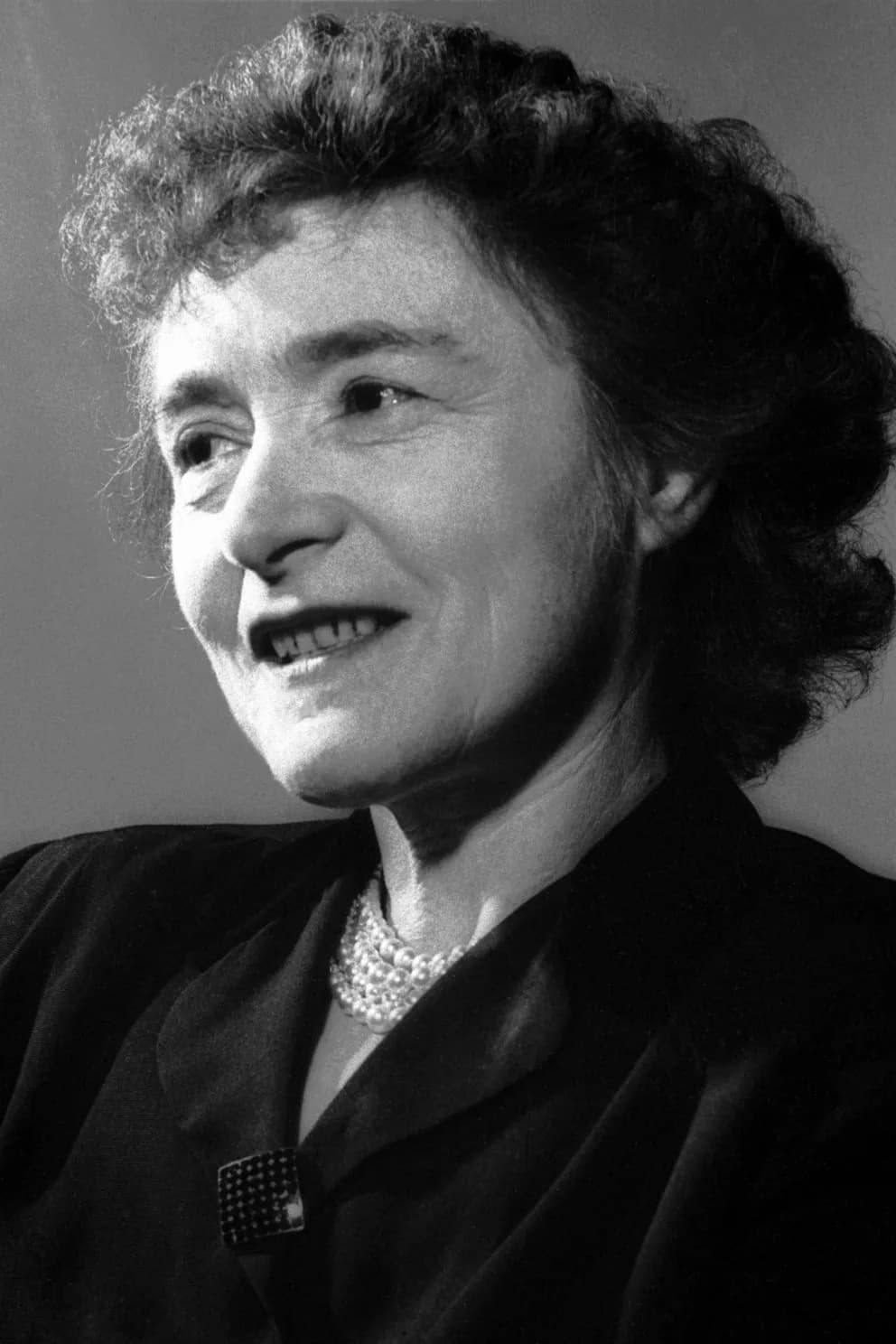
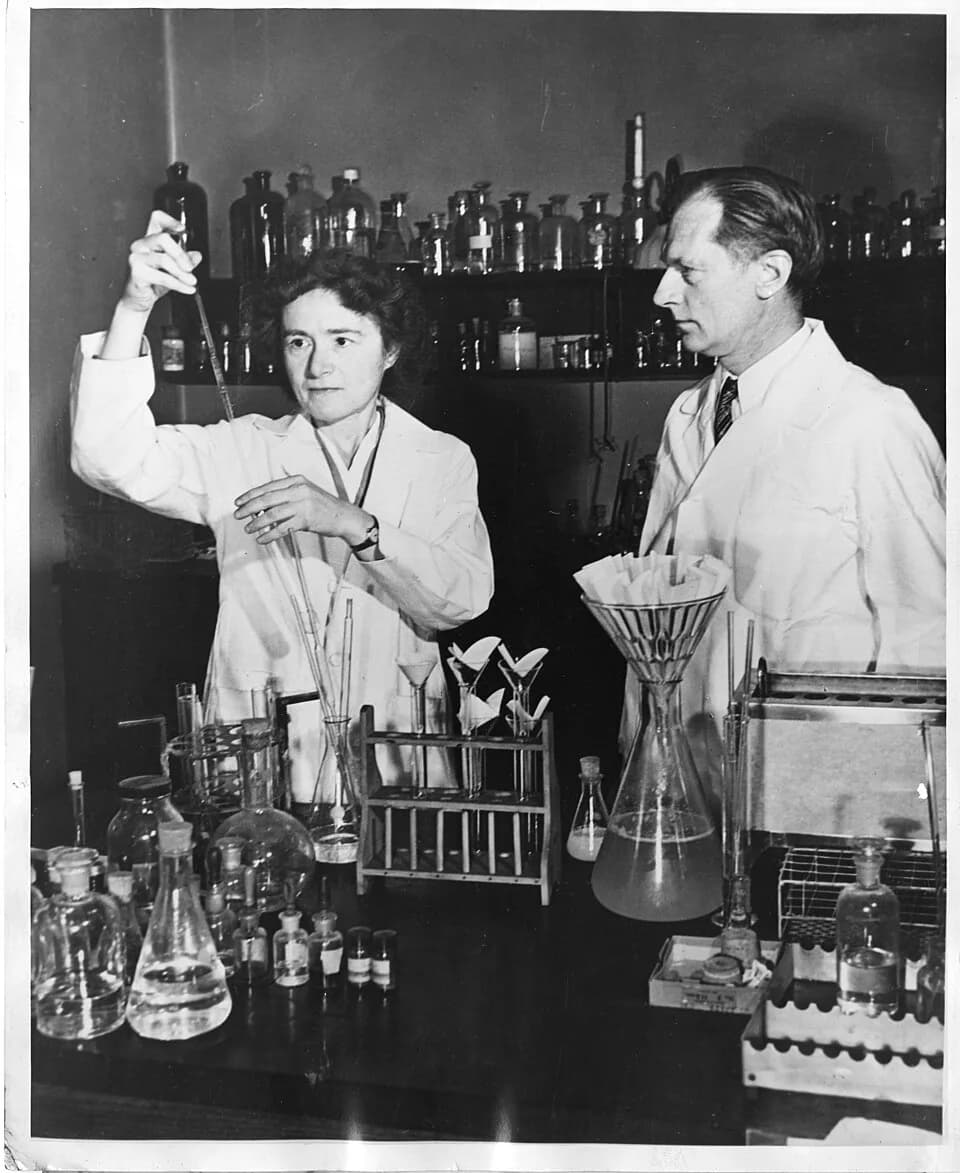
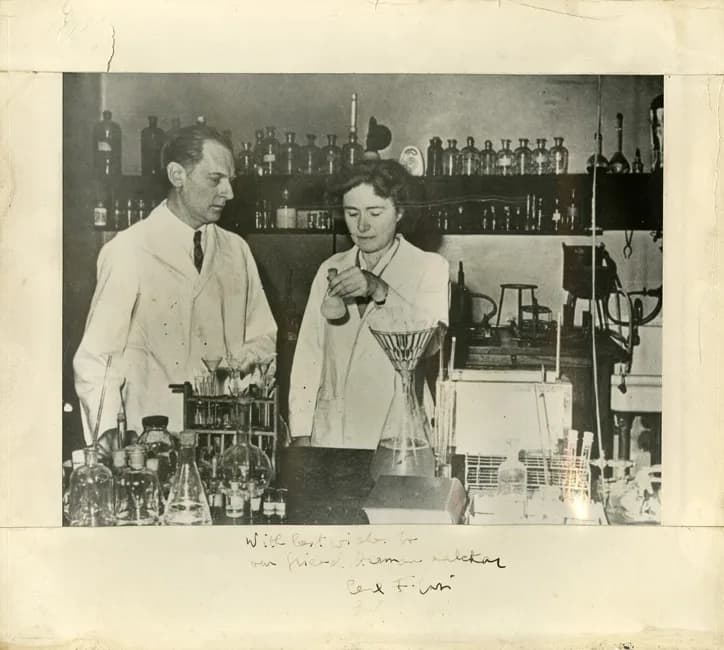
Gerty Cori (August 15, 1896 – October 26, 1957) was an Austro-Hungarian-American biochemist from Prague, Czech Republic. She was awarded the Nobel Prize in Physiology or Medicine in 1947 for her discovery of glycogen conversion. Cori's work profoundly advanced our understanding of carbohydrate metabolism.
Chapter
Life chapters
Chapter 1 · 1896· Chapter 1 of 7
Opening Paragraph
Gerty Cori (August 15, 1896 – October 26, 1957) was a distinguished Austro-Hungarian-American biochemist whose pioneering work reshaped our understanding of metabolism. A physician, psychologist, chemist, researcher, physiologist, and biochemist by profession, she achieved monumental success in scientific discovery. Her most celebrated contribution led to her becoming the third woman to win a Nobel Prize in science, and notably, the first woman to be awarded the Nobel Prize in Physiology or Medicine in 1947.
Chapter 2 · 1896· Chapter 2 of 7
Early Life and Origins
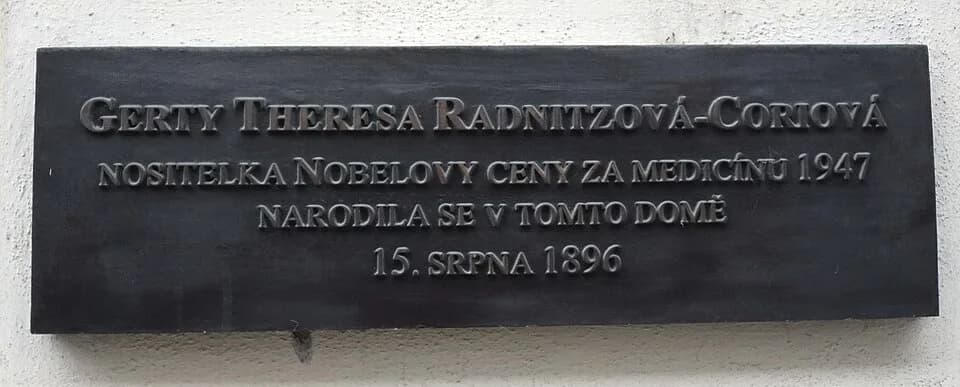
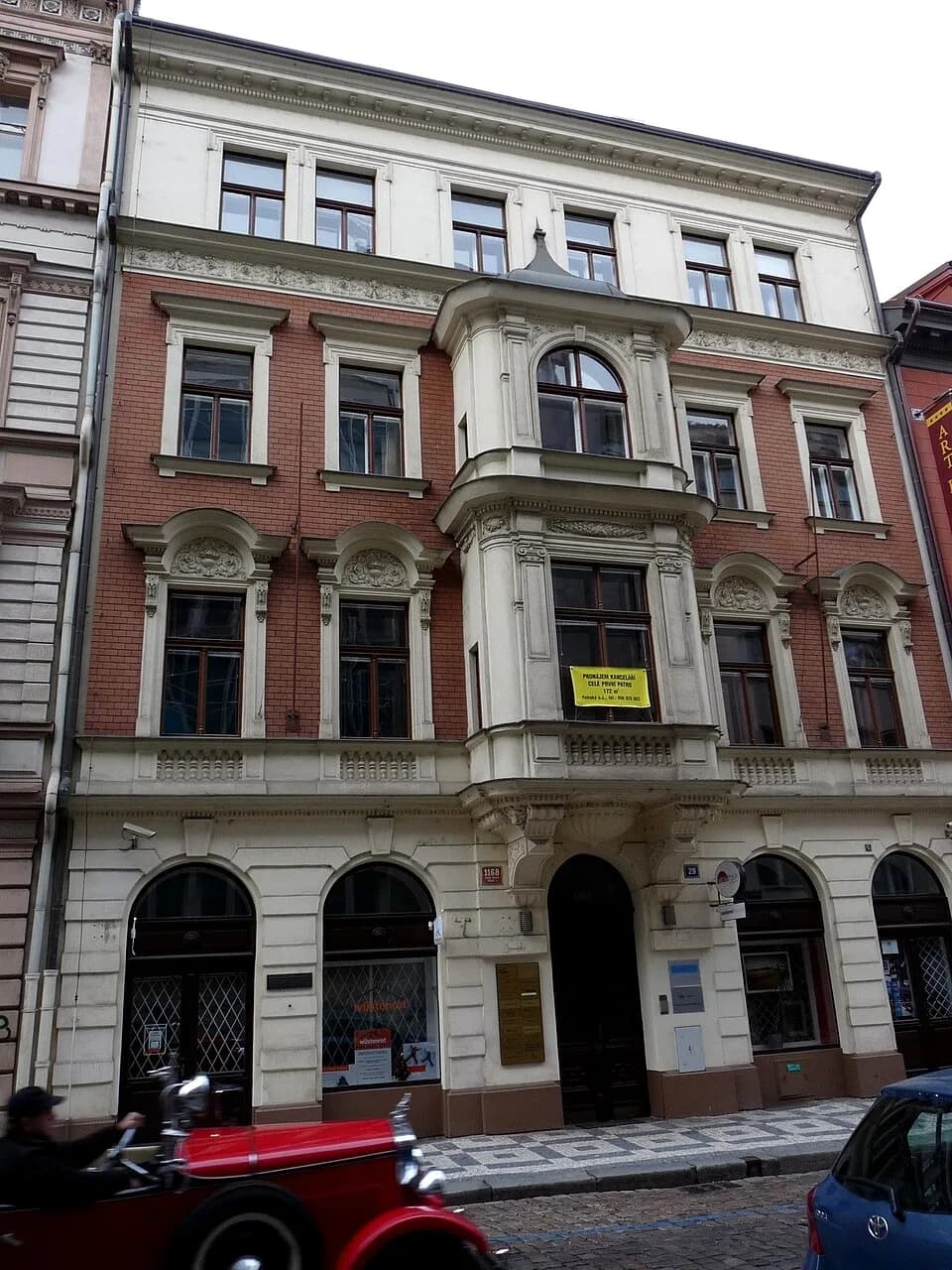
Gerty Cori was born on August 15, 1896, in Prague, which was then part of Austria-Hungary and is now the capital of the Czech Republic. Her early environment in Prague undoubtedly laid the groundwork for her intellectual curiosity and dedication to scientific inquiry. Her birthplace and upbringing reflect the rich European scientific tradition she would later join and significantly contribute to.
Chapter 3 · 1922· Chapter 3 of 7
Career Beginnings
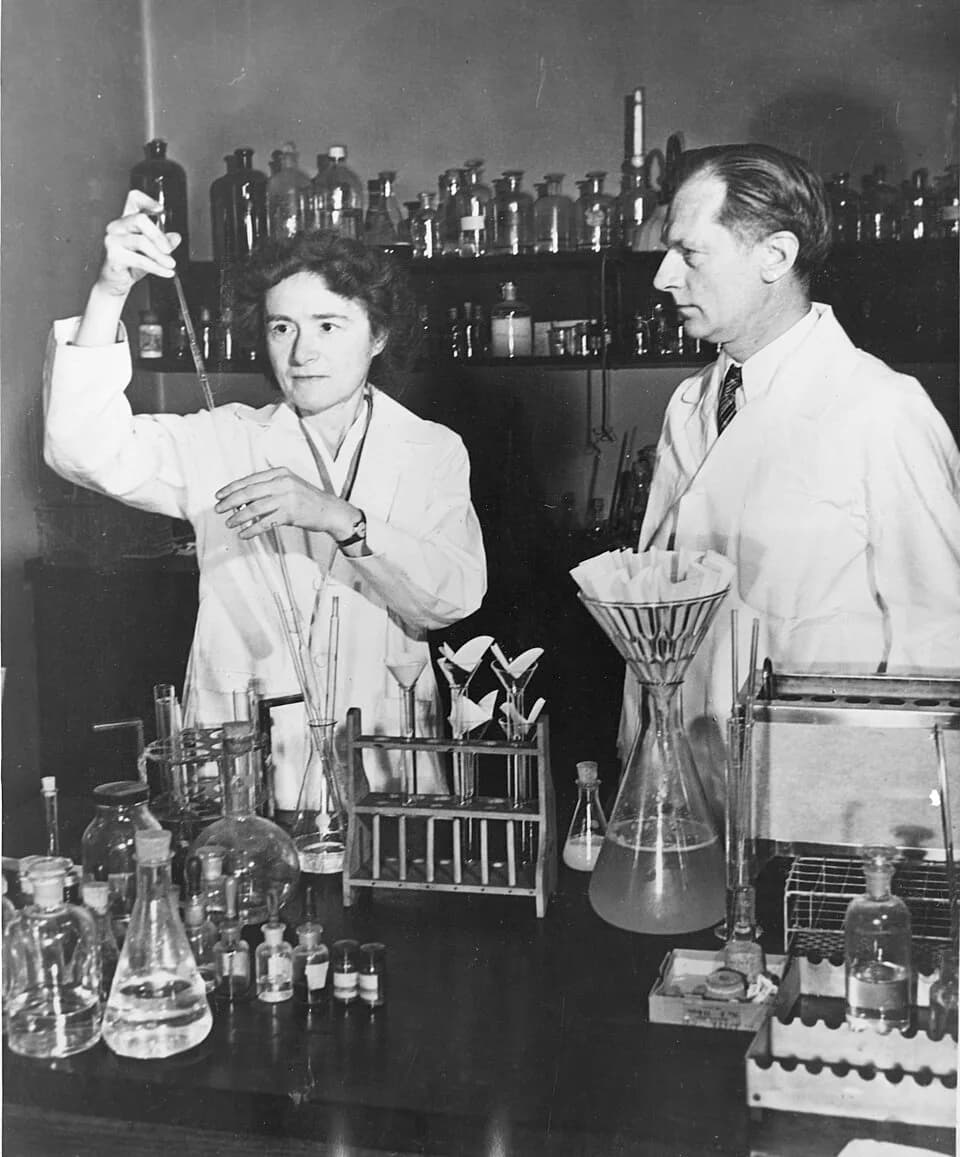
Cori pursued a rigorous academic path that led her to multiple professions, including physician, psychologist, chemist, researcher, physiologist, and biochemist. While specific details of her early career steps are not provided, her diverse professional titles suggest a broad and deep foundational education in the sciences. Her early academic publications, such as "Der Einfluß der Lebergefäße auf den Wasserhaushalt und die hämoklasische Krise" from 1922, indicate that she was actively involved in significant research early in her professional life.
Chapter 4 · 1947· Chapter 4 of 7
Major Achievements and Career Highlights
A crowning achievement in Gerty Cori's illustrious career came in 1947 when she was awarded the Nobel Prize in Physiology or Medicine. This prestigious honor recognized her work on the "discovery of the course of the catalytic conversion of glycogen." Her groundbreaking findings illuminated a fundamental process in the body's energy regulation. This made her the third woman ever to receive a Nobel Prize in science, and notably, the very first woman to be recognized with the Nobel Prize in Physiology or Medicine.
Chapter 5 · 1922· Chapter 5 of 7
Notable Works or Contributions
Gerty Cori's research output was characterized by impactful contributions to the field of biochemistry. Her h-index of 3, derived from 5 significant papers, reflects the influence of her early publications. Among her top works are "Der Einfluß der Lebergefäße auf den Wasserhaushalt und die hämoklasische Krise," published in 1922, which garnered 25 citations. Other notable contributions include "Experimentelle Untersuchungen an einem kongenitalen Myxödem," cited 10 times, and another 1922 work, "Über den Einfluß der Schilddrüse auf die Wärmeregulation," with 5 citations. Her 1933 paper, "Plasmaphosphate und Milchsäure in normalen und adrenalektomierten Tieren während Änderungen im Kohlehydratstoffwechsel," further demonstrated her ongoing commitment to understanding complex biological processes.
Chapter 6 · 1957· Chapter 6 of 7
Later Years
Gerty Cori continued her dedicated scientific pursuits until her passing. She remained a vibrant force in research and academia, undoubtedly shaping future generations of scientists through her mentorship and continued contributions. Her life's work culminated with her death on October 26, 1957, leaving behind a legacy of profound scientific insight.
Chapter 7· Chapter 7 of 7
Legacy and Impact
The scientific community and beyond remember Gerty Cori for her pioneering spirit and groundbreaking discoveries. Her work on glycogen conversion provided essential understanding of how the body stores and utilizes energy, a cornerstone of modern biochemistry. As the first woman to receive the Nobel Prize in Physiology or Medicine, she opened doors for countless women in science and continues to inspire aspiring researchers worldwide. Her contributions remain a fundamental part of medical and biological education today.
A life in moments
The moments that shaped a life
FAQ
Frequently asked
When did Gerty Cori die?
Gerty Cori died on October 26, 1957 in United States, at the age of 61.
Where was Gerty Cori born?
Gerty Cori was born in Prague, Czech Republic on August 15, 1896.
What is Gerty Cori best known for?
Gerty Cori is best known for Austro-Hungarian-American biochemist.
How old was Gerty Cori when they died?
Gerty Cori was 61 years old at the time of death.
What nationality was Gerty Cori?
Gerty Cori was from Czech Republic.
Timeline
Life at a glance
Photo gallery
A life in pictures
Click any polaroid to expand · 24 photos
QR Code
Share This Biography
Print & Share
Scan to visit this biography page. Print for events, exhibitions, or educational materials.