Born
February 3, 1874
Allegheny, United States
Died
July 27, 1946
Neuilly-sur-Seine, France
Known for
American author
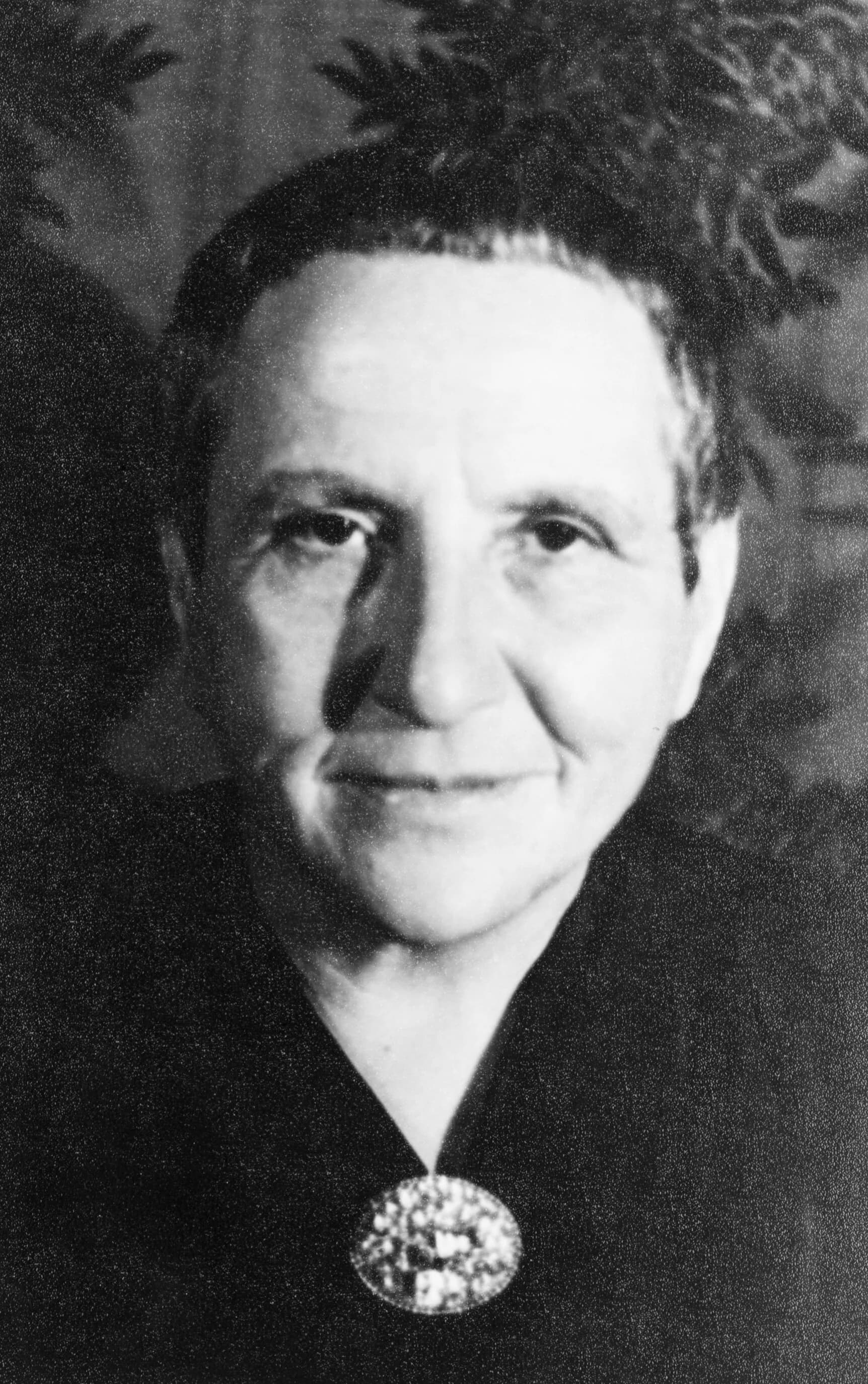
Gertrude Stein (1874–1946) was United States best known for American author.
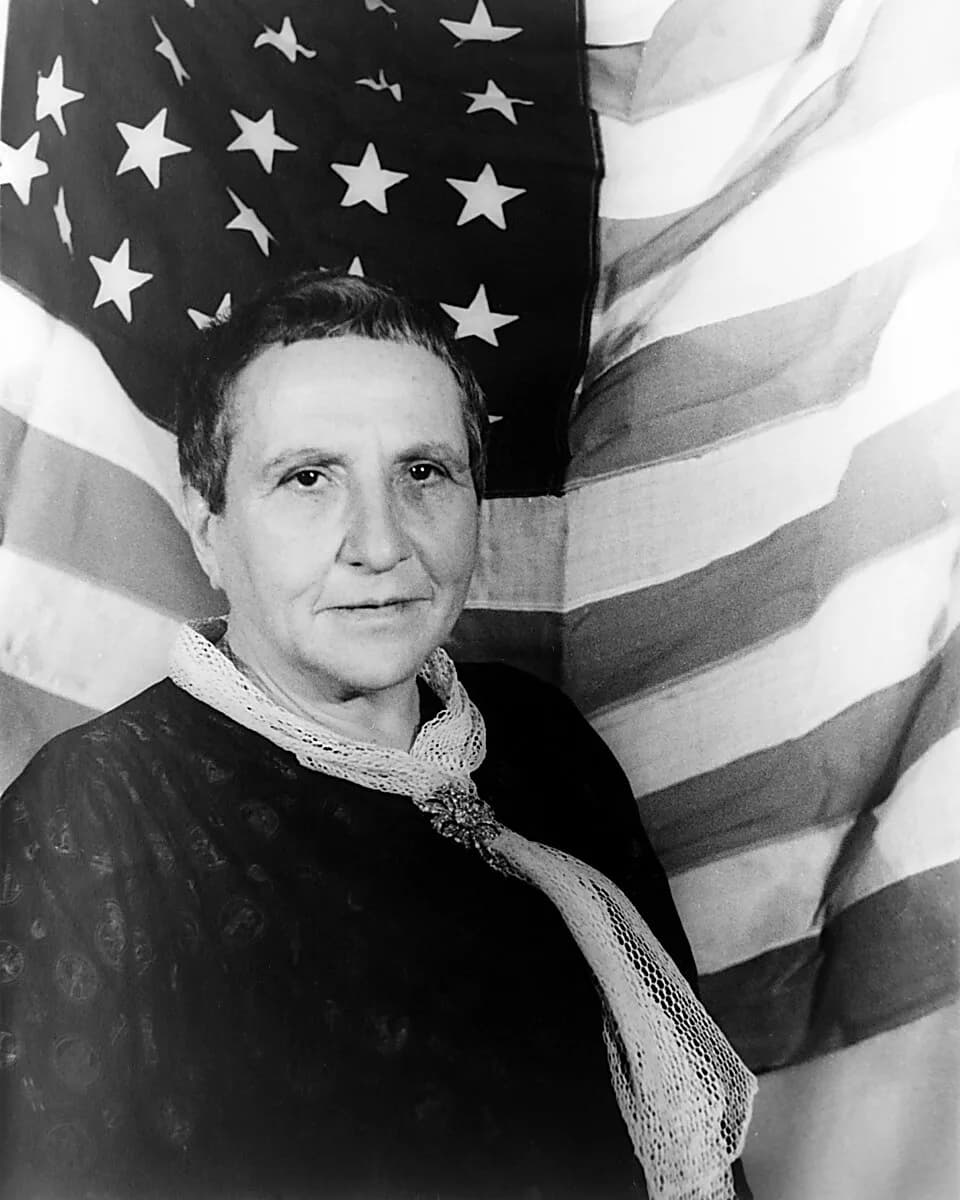
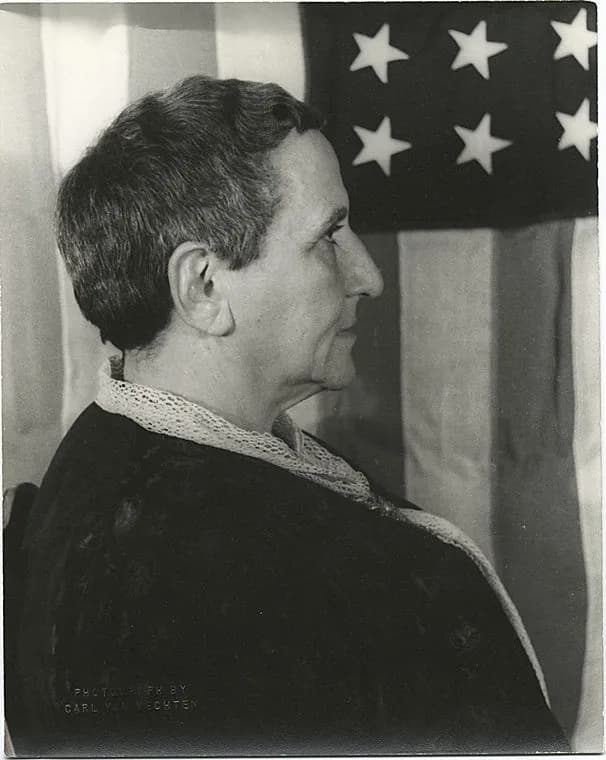
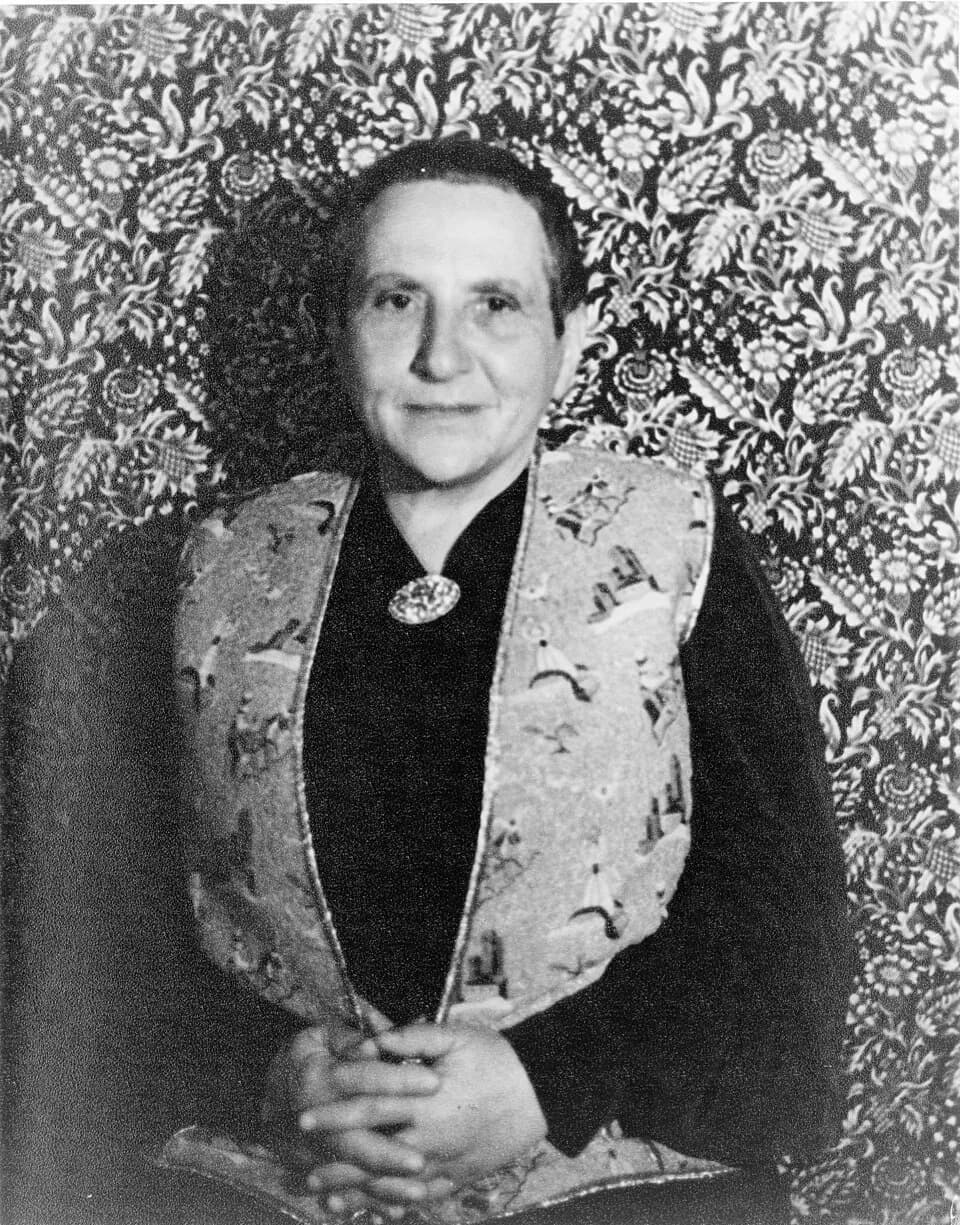
Gertrude Stein (February 3, 1874 – July 27, 1946) was an American author, poet, and art collector from Allegheny, United States. She famously hosted a Paris salon that became a hub for modernist writers and artists like Picasso and Hemingway. Stein's experimental literary style and influence on the avant-garde movement left a lasting impact on 20th-century culture.
Chapter
Life chapters
Chapter 1 · 1874· Chapter 1 of 7
Early Life and Origins
Gertrude Stein was born on February 3, 1874, in Allegheny, United States, into a well-to-do family. Though born in Pennsylvania, she was raised in Oakland, California, experiencing a bicoastal upbringing that likely contributed to her distinct perspective. Her early life and education laid the foundation for her intellectual curiosity and later unconventional artistic pursuits.
Chapter 2 · 1903· Chapter 2 of 7
Career Beginnings
Stein's journey to becoming a prominent cultural figure truly began when she moved to Paris in 1903. This move was a decisive moment, establishing France as her permanent residence and the vibrant setting for her burgeoning career. It was in Paris that she started to cultivate her unique literary voice and connect with other emerging artists and writers.
Chapter 3· Chapter 3 of 7
Major Achievements and Career Highlights
A central achievement for Gertrude Stein was her role as a salonnière, hosting a renowned Paris salon where leading figures of modernism regularly convened. Artists like Pablo Picasso and Henri Matisse, alongside authors such as Ernest Hemingway, F. Scott Fitzgerald, and Sinclair Lewis, found a meeting place and intellectual hub at her home. This salon became a crucible for artistic and literary exchange, fostering an environment where new ideas flourished.
Her work as a writer, poet, playwright, and autobiographer showcased a distinct style characterized by repetition and experimental language. Stein challenged traditional narrative forms, pushing the boundaries of what literature could be. Her contributions as an art collector further cemented her influence, demonstrating a keen eye for nascent talent and a dedication to supporting avant-garde movements.
Chapter 4· Chapter 4 of 7
Personal Life
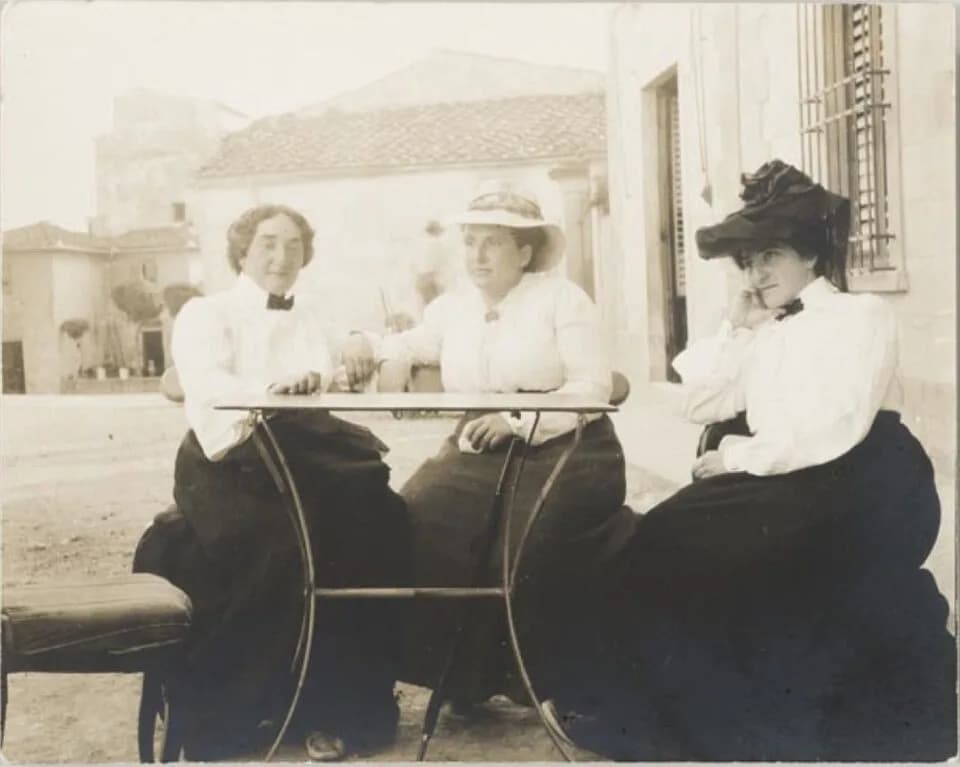
Gertrude Stein's personal life was deeply intertwined with her professional endeavors, particularly through her role as a salonnière. Her home in Paris was not just a residence but a lively center for creative individuals, reflecting her passion for art, literature, and intellectual discussion. She cultivated relationships with many of the era's most significant cultural figures, creating a unique and stimulating social environment.
Chapter 5· Chapter 5 of 7
Notable Works or Contributions
Throughout her career, Gertrude Stein produced a body of work that continues to be studied for its innovative nature. Among her notable literary contributions are works such as Doctor Faustus lights the lights, a distinctive libretto, and her experimental narratives like Brewsie and Willie and Q.E.D. Las cosas como son. Her diverse bibliography also includes Dix portraits and Shalosh nashim, showcasing her varied approach to storytelling and character depiction.
Her writings often explored themes of identity, perception, and the nature of language itself, as seen in texts like Useful knowledge and Très complémentaires. Stein's unique voice established her as a foundational figure in modernist literature, influencing generations of writers. Titles such as The Crack Up, Women Who Wrote, and Great American Poets further attest to her broad engagement with literary themes and forms.
Chapter 6 · 1903· Chapter 6 of 7
Later Years
Gertrude Stein remained in France for the entirety of her adult life after moving to Paris in 1903. She continued to write and engage with the artistic community until her death on July 27, 1946. Her commitment to her adopted home and her consistent output defined her later years, solidifying her place as a permanent fixture in French cultural life.
Chapter 7· Chapter 7 of 7
Legacy and Impact
Gertrude Stein's legacy extends far beyond her individual written works; she is remembered for her profound influence on modernism in both literature and art. By fostering an environment where groundbreaking ideas were exchanged and celebrated, she acted as a catalyst for a new era of artistic expression. Her experimental approach to writing challenged conventions and opened new pathways for future generations of authors and poets.
A life in moments
The moments that shaped a life
FAQ
Frequently asked
When did Gertrude Stein die?
Gertrude Stein died on July 27, 1946 in Neuilly-sur-Seine, France, at the age of 72.
Where was Gertrude Stein born?
Gertrude Stein was born in Allegheny, United States on February 3, 1874.
What is Gertrude Stein best known for?
Gertrude Stein is best known for American author.
How old was Gertrude Stein when they died?
Gertrude Stein was 72 years old at the time of death.
What nationality was Gertrude Stein?
Gertrude Stein was from United States.
Timeline
Life at a glance
Photo gallery
A life in pictures
Click any polaroid to expand · 23 photos
QR Code
Share This Biography
Print & Share
Scan to visit this biography page. Print for events, exhibitions, or educational materials.