Born
September 25, 1599
Bissone, Switzerland
Died
August 3, 1667
Rome, Italy
Known for
Italian architect from Ticino and leading figure in Roman Baroque architecture (1599-1667), sculptor, engineer, stonemason and draughtsman
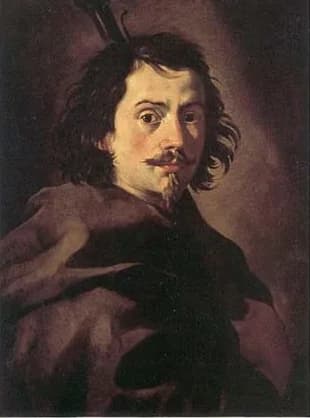
Francesco Borromini (1599–1667) was Switzerland best known for Italian architect from Ticino and leading figure in Roman Baroque architecture (1599-1667), sculptor, engineer, stonemason and draughtsman.
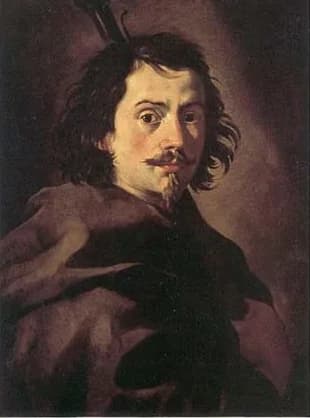
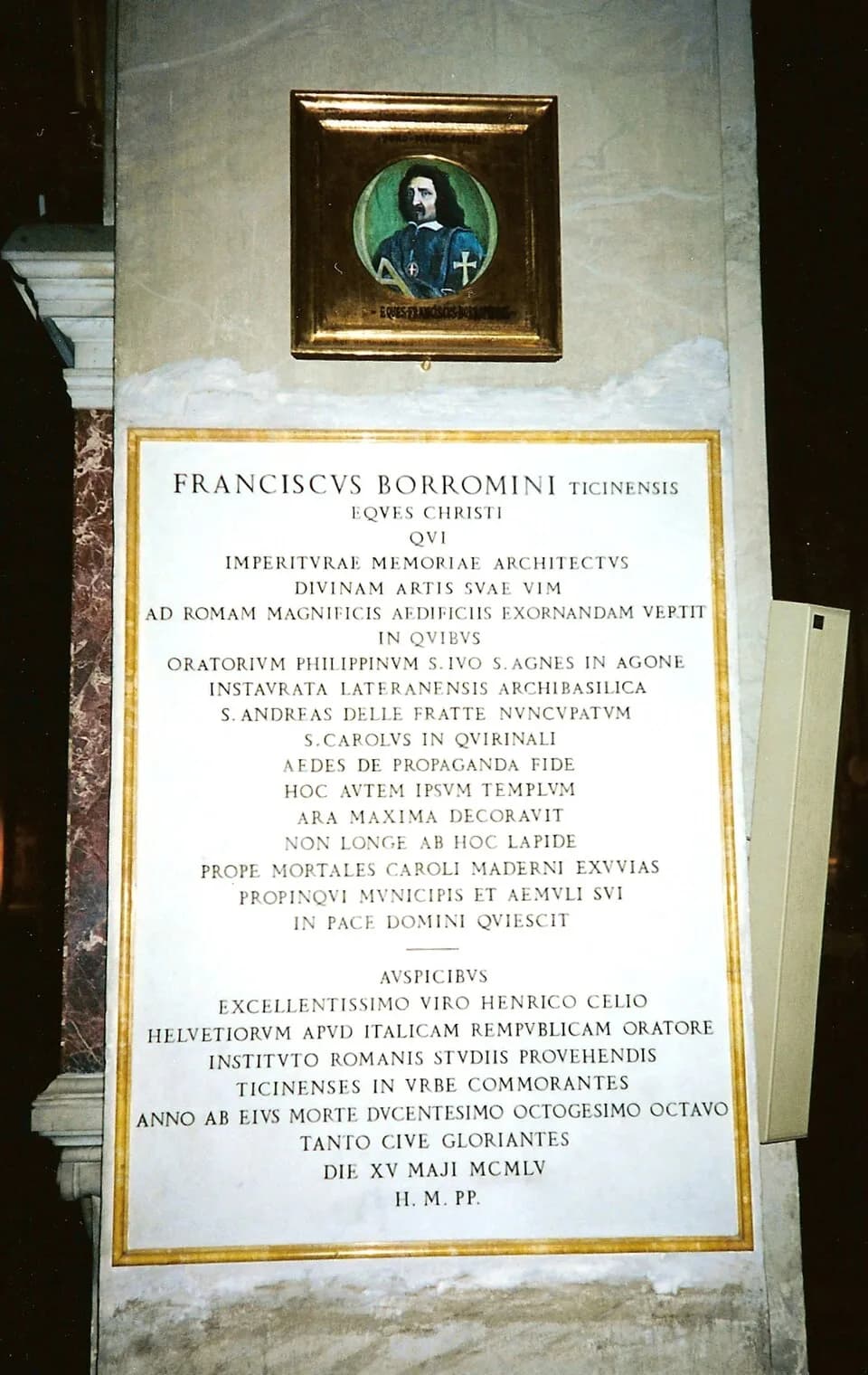
Francesco Borromini (September 25, 1599 – August 3, 1667) was an Italian architect from Ticino. He was a leading figure in Roman Baroque architecture, known for his distinctive designs and innovative use of space. His architectural legacy continues to influence and inspire.
Chapter
Life chapters
Chapter 1 · 1599· Chapter 1 of 7
Early Life and Origins
Francesco Borromini, originally named Francesco Castelli, was born on September 25, 1599, in Bissone, which is located in the modern Swiss canton of Ticino. His early life in Bissone likely exposed him to the stonemasonry traditions common in the region. This foundational experience as a stonemason would later prove essential in his architectural career.
Chapter 2· Chapter 2 of 7
Career Beginnings
Borromini embarked on his professional path initially as a stonemason, a craft he practiced early in his life. He eventually moved to Rome, Italy, where he honed his skills and began to apply his talents to architecture. This move marked a crucial step in his transition from a skilled craftsman to a visionary architect, engineer, sculptor, and draftsperson.
Chapter 3· Chapter 3 of 7
Major Achievements and Career Highlights
Borromini rose to prominence as a key architect who helped shape Roman Baroque architecture. His work is characterized by its dramatic curves, complex geometries, and dynamic forms, distinguishing him from his peers. He established himself as a prominent master, contributing significantly to the architectural identity of Rome during his lifetime.
Chapter 4· Chapter 4 of 7
Personal Life
The provided information focuses on Francesco Borromini's professional achievements and architectural contributions. Details regarding his personal life, family, relationships, or specific interests beyond his professional pursuits are not extensively documented in the available records. His life was primarily dedicated to his craft and the rigorous demands of architectural design and construction.
Chapter 5 · 1646· Chapter 5 of 7
Notable Works or Contributions
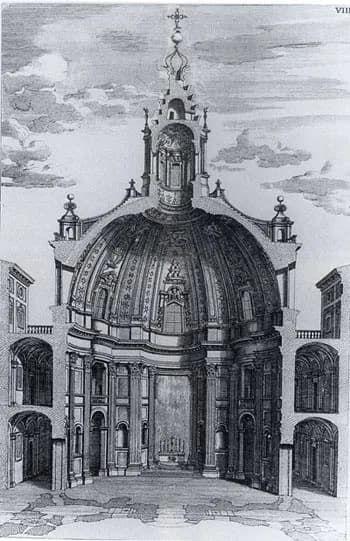
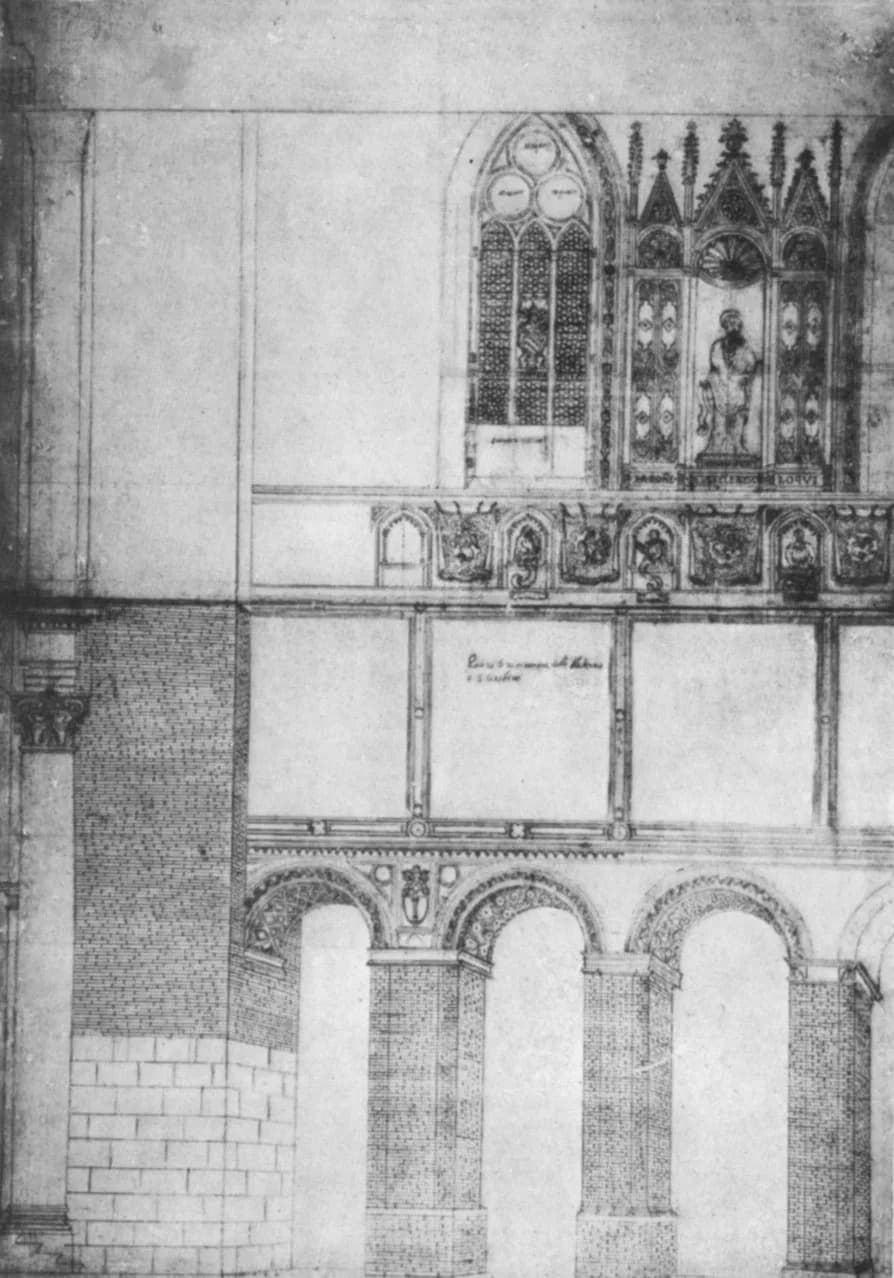
Among Francesco Borromini's notable creations are the detailed "Studies for the Nave and Narthex of San Giovanni in Laterano, Rome," executed between approximately 1646 and 1655, now preserved at the Met Museum. Another significant work associated with him is the "Opera del Cav. Francesco Boromino" for the Oratory of S. Filippo Neri, dating from 1720 to 1725, also held at the Met Museum. These works showcase his meticulous planning and innovative approach to architectural design.
Chapter 6 · 1667· Chapter 6 of 7
Later Years
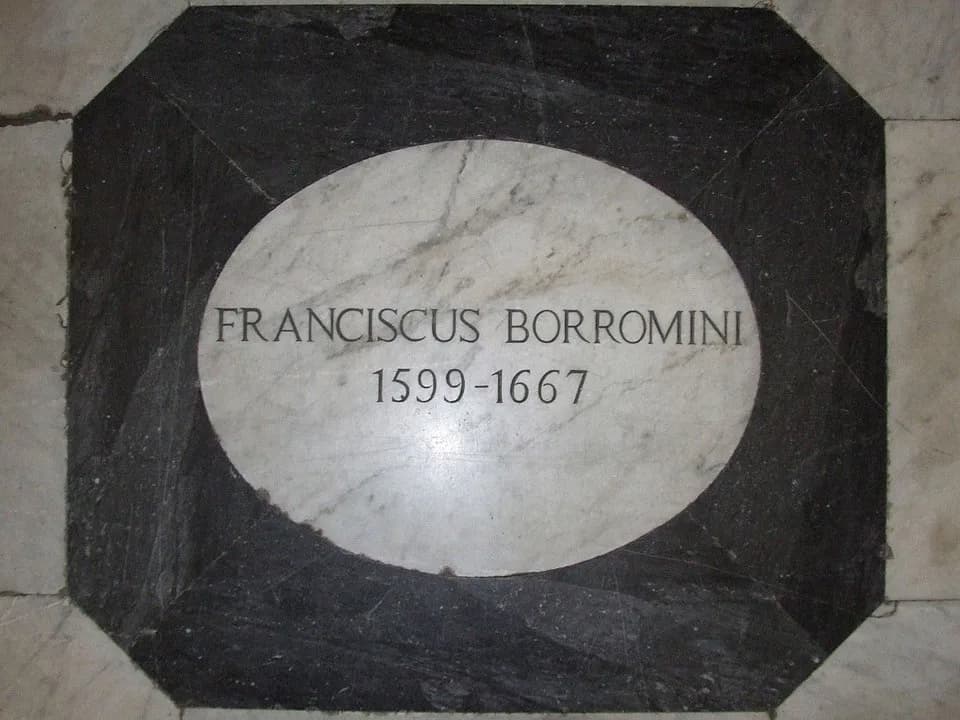
Francesco Borromini continued to work on significant architectural projects throughout his later career in Rome, Italy. His architectural vision remained influential, and he continued to push the boundaries of design until his passing. He died on August 3, 1667, in Rome, leaving behind a collection of buildings and designs.
Chapter 7· Chapter 7 of 7
Legacy and Impact
Francesco Borromini's legacy as an Italian architect from Ticino is profound, establishing him as a leading figure in Roman Baroque architecture. His unique approach, characterized by fluid spaces and innovative structural solutions, significantly influenced subsequent generations of architects. His works, including his studies for San Giovanni in Laterano and the Oratory of S. Filippo Neri, continue to be studied and admired today. He is remembered as one of the great creative forces who defined the Baroque period in architecture.
A life in moments
The moments that shaped a life
FAQ
Frequently asked
When did Francesco Borromini die?
Francesco Borromini died on August 3, 1667 in Rome, Italy, at the age of 67.
Where was Francesco Borromini born?
Francesco Borromini was born in Bissone, Switzerland on September 25, 1599.
What is Francesco Borromini best known for?
Francesco Borromini is best known for Italian architect from Ticino and leading figure in Roman Baroque architecture (1599-1667), sculptor, engineer, stonemason and draughtsman.
How old was Francesco Borromini when they died?
Francesco Borromini was 67 years old at the time of death.
What nationality was Francesco Borromini?
Francesco Borromini was from Switzerland.
Timeline
Life at a glance
Photo gallery
A life in pictures
Click any polaroid to expand · 48 photos
QR Code
Share This Biography
Print & Share
Scan to visit this biography page. Print for events, exhibitions, or educational materials.