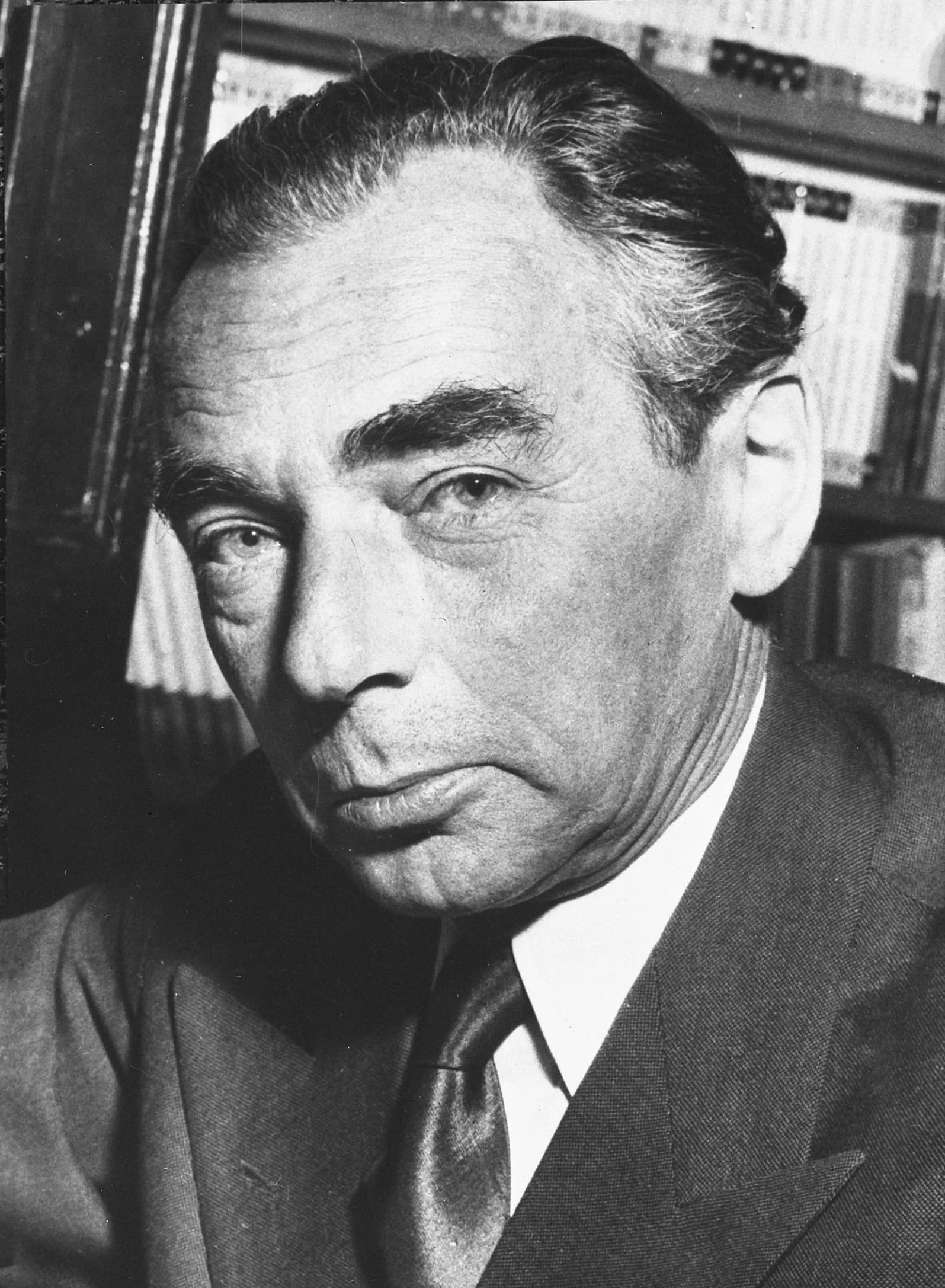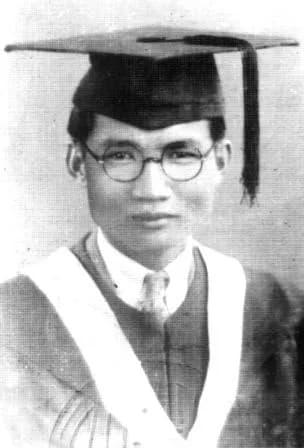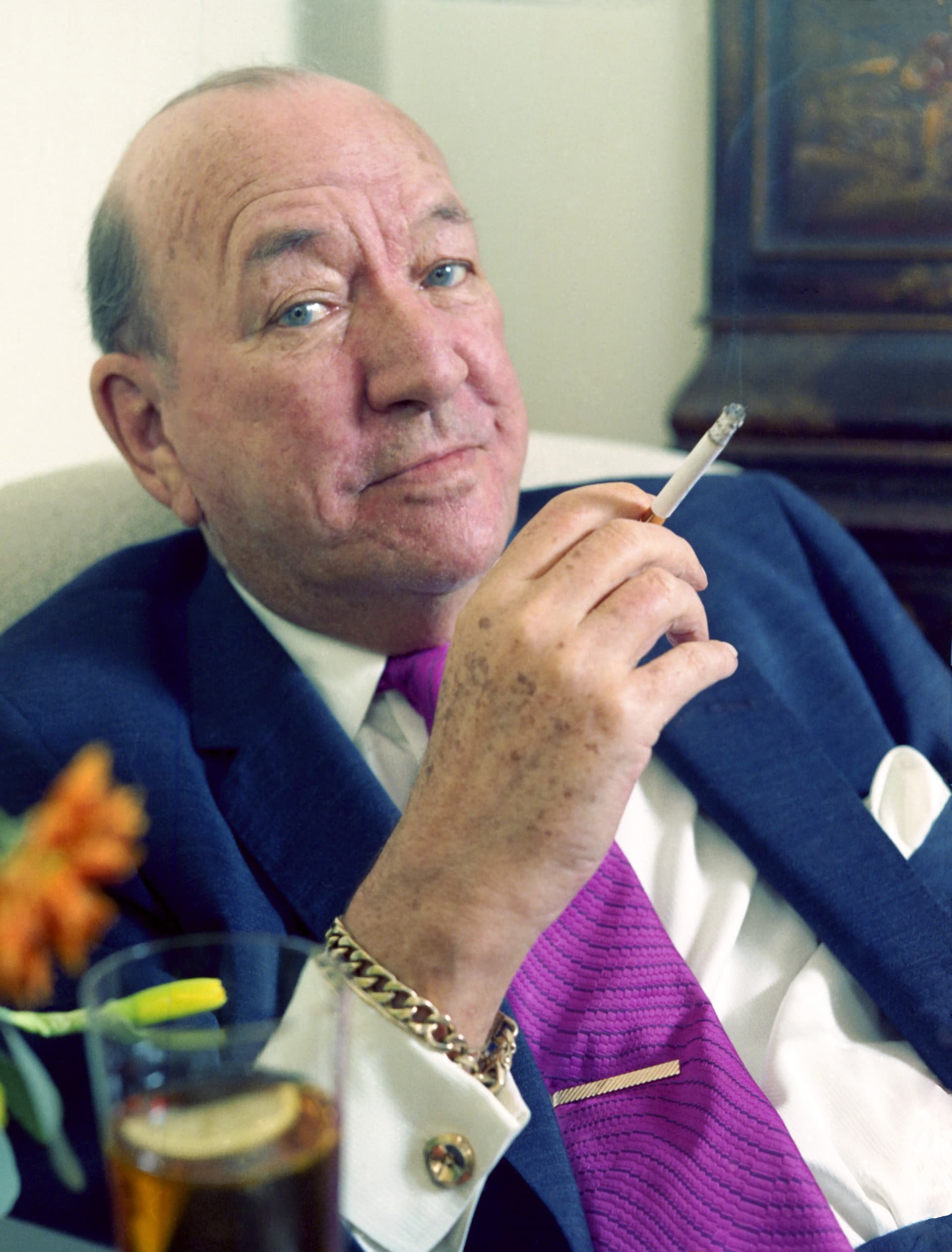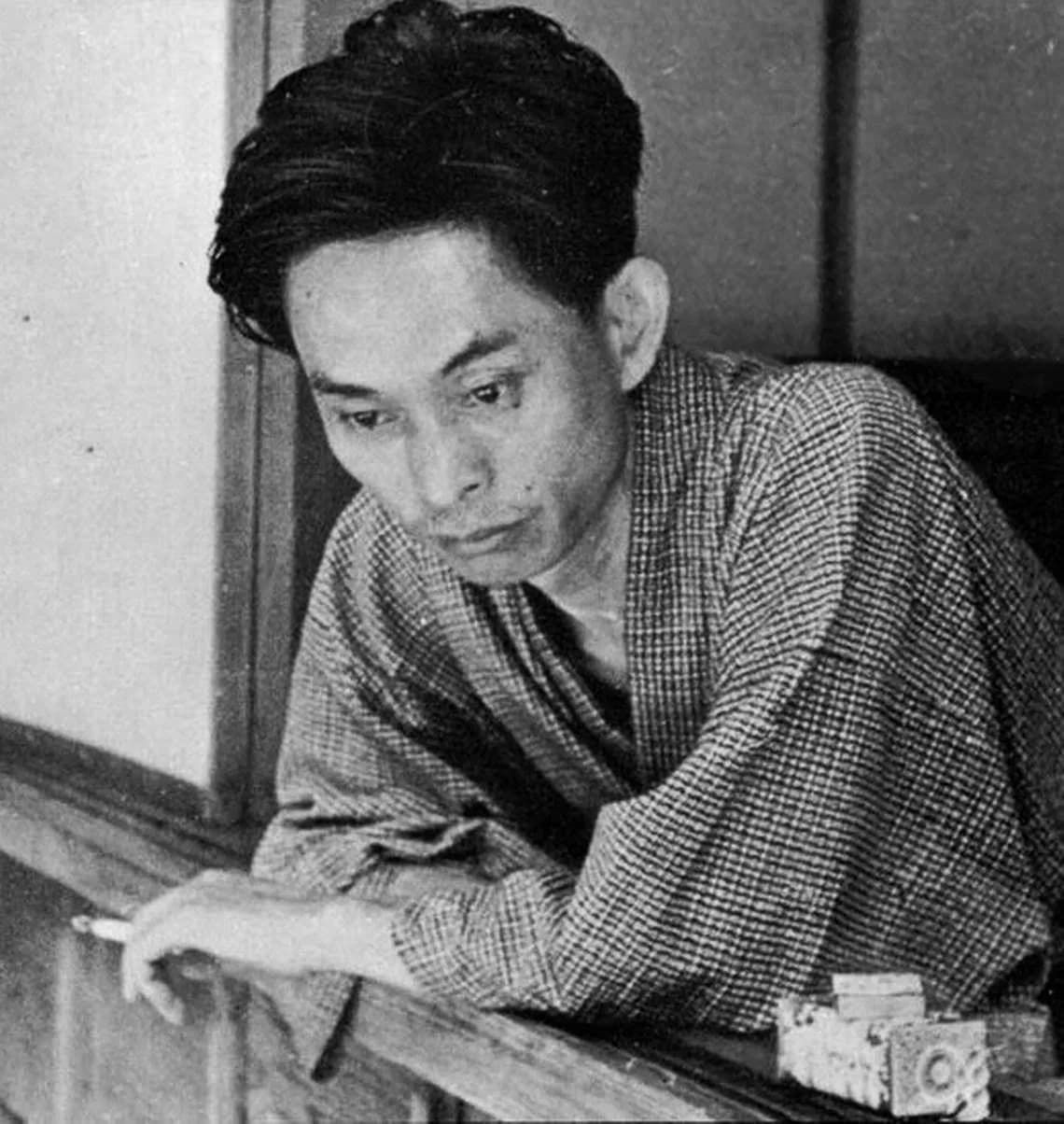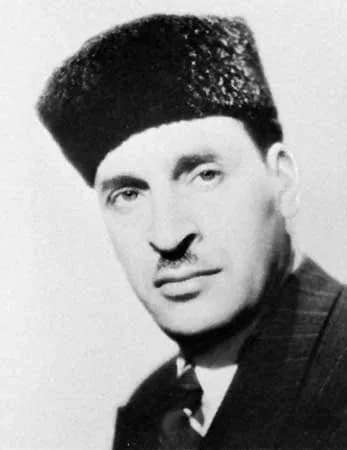
Born
August 24, 1899
Chahna, Algeria
Died
December 24, 1985
Algiers, Algeria
Known for
Algerian politician (1899-1985), President of Provisional Government of Algeria, president of the National Constitutional Assembly of Algeria
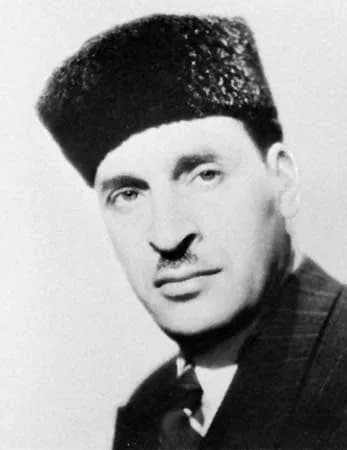
Ferhat Abbas (1899–1985) was Algeria best known for Algerian politician (1899-1985), President of Provisional Government of Algeria, president of the National Constitutional Assembly of Algeria.
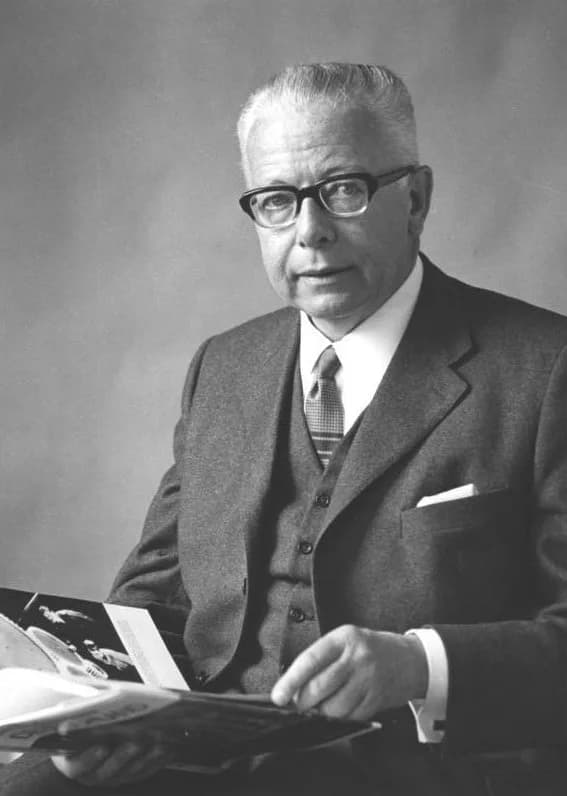
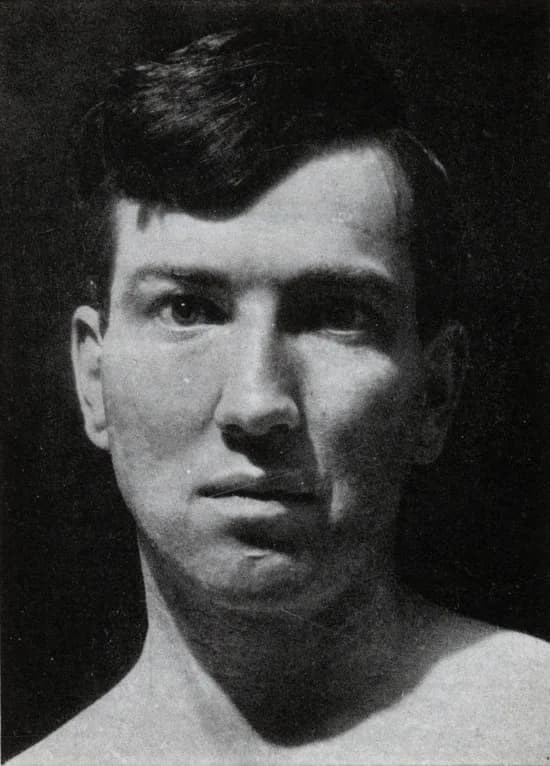
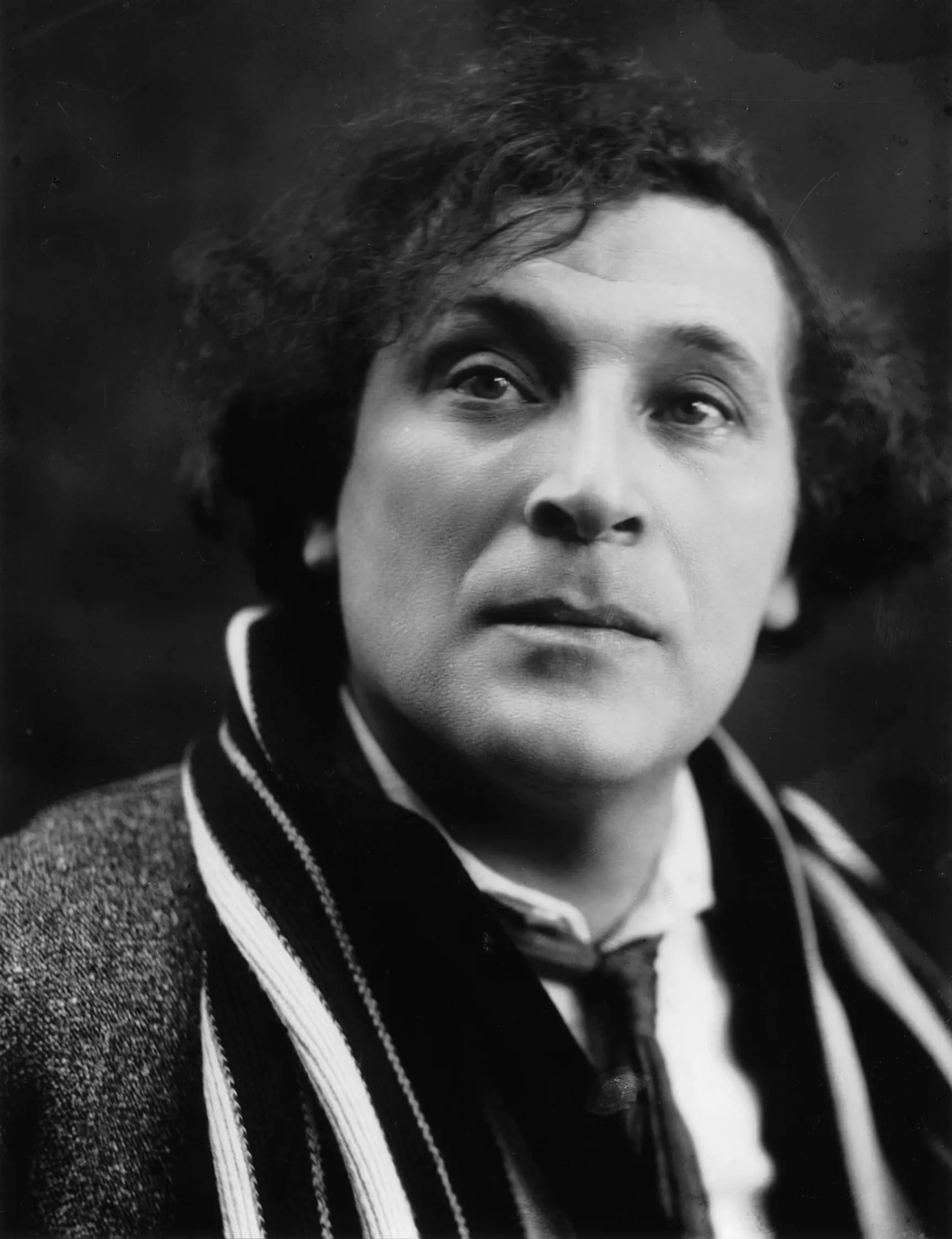
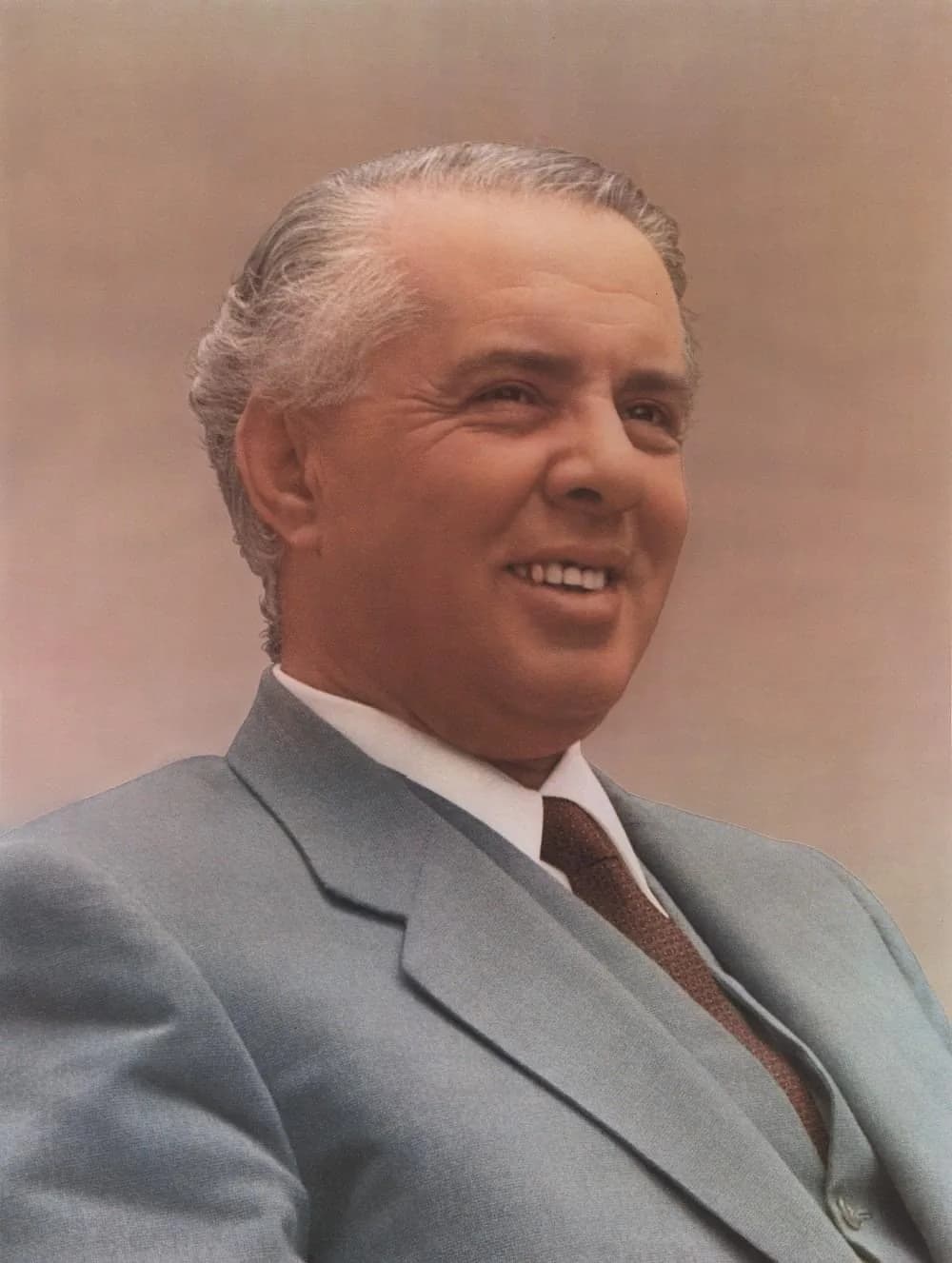
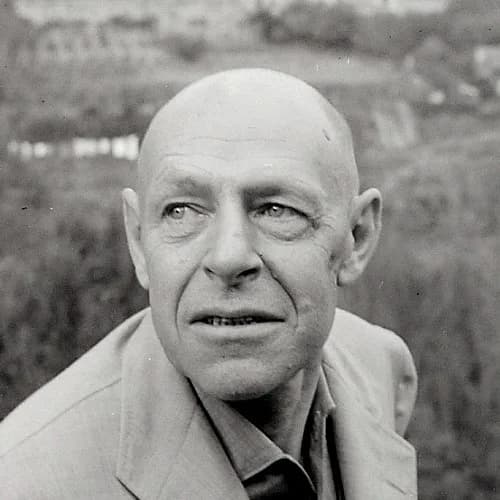
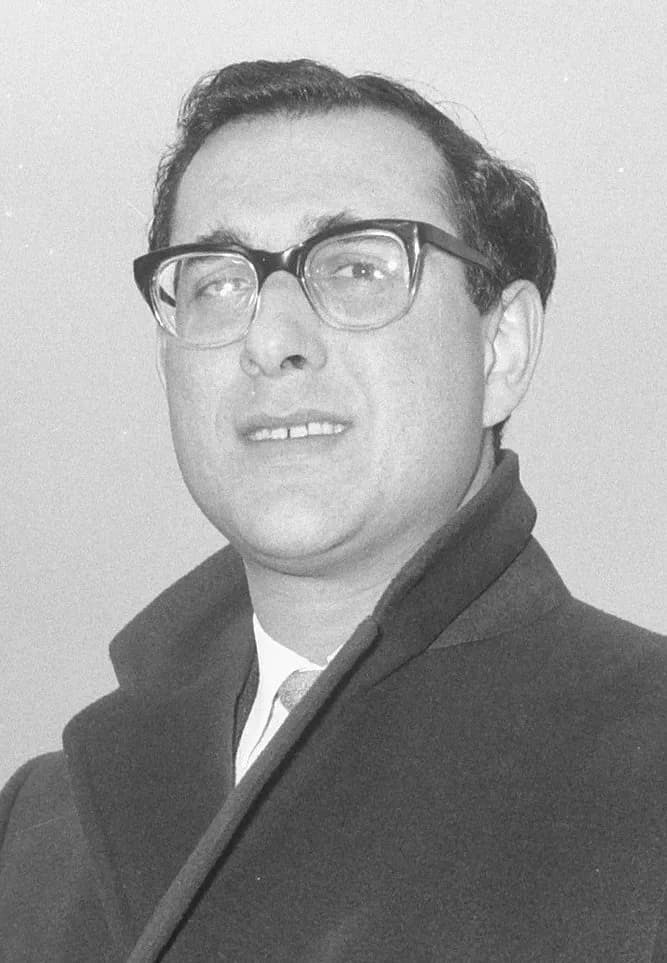
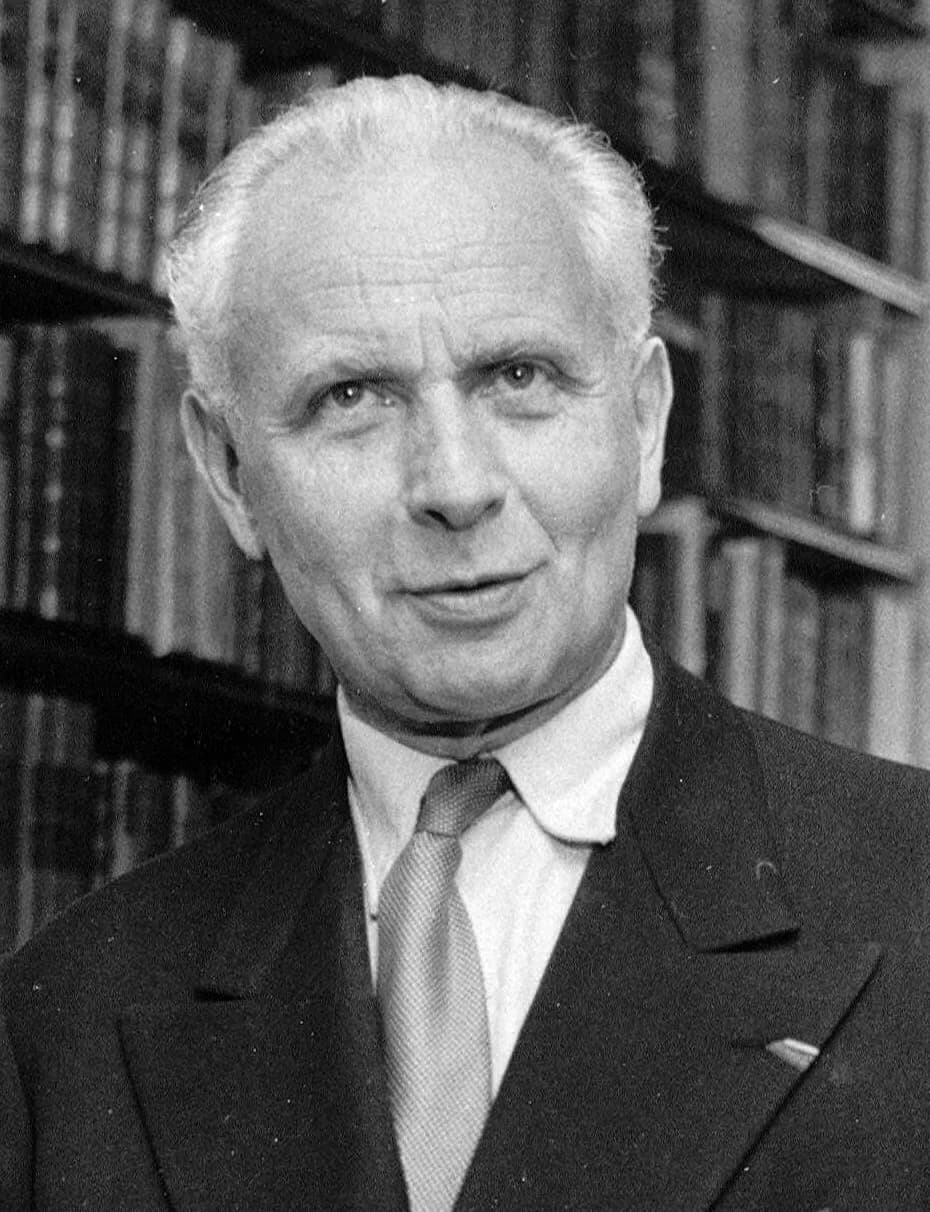
Ferhat Abbas (August 24, 1899 – December 24, 1985) was an Algerian politician and pharmacist. He served as Prime Minister of the Provisional Government and first President of the National Assembly, playing a key role in Algeria's independence. His leadership shaped the new nation.
A life in moments
The moments that shaped a life
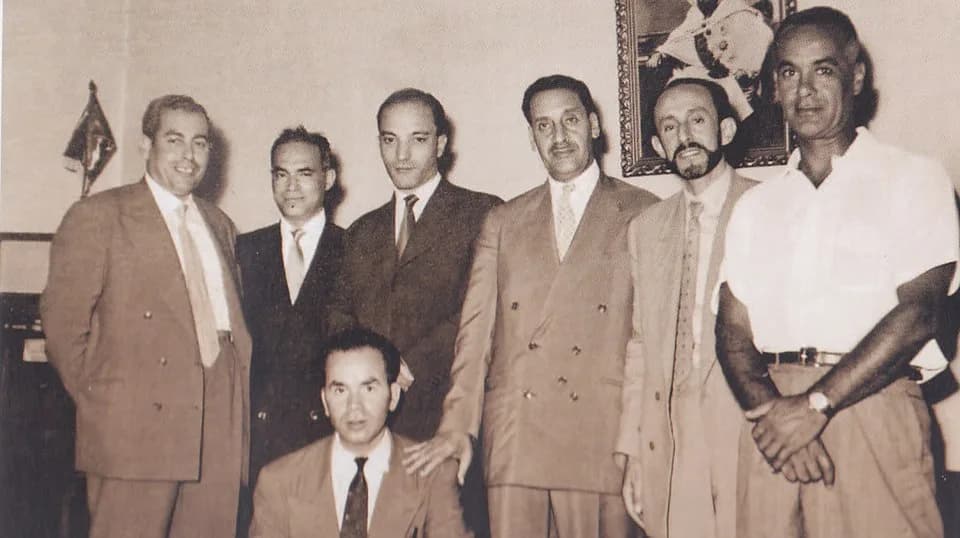
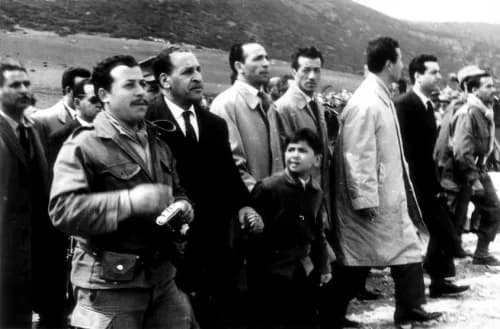
Chapter
Life chapters
Chapter 1 · 1899· Chapter 1 of 6
Early Life and Origins
Ferhat Abbas was born on August 24, 1899, in Chahna, Algeria. His formative years unfolded against the backdrop of colonial Algeria, a period that profoundly shaped his political awakening. While specific details of his early family life are not extensively documented, his upbringing instilled in him a strong sense of national identity and a desire for self-determination.
His early education provided the intellectual foundation for his later endeavors. These initial learning experiences prepared him for both his professional career as a pharmacist and his eventual emergence as a leading political voice. The social and political environment of his youth cultivated his understanding of his country's needs.
Chapter 2· Chapter 2 of 6
Career Beginnings
Abbas initially pursued a career as a pharmacist, a profession that brought him into direct contact with the daily lives and concerns of ordinary Algerians. This practical engagement likely deepened his understanding of the societal challenges faced under colonial rule. His experiences in this field informed his perspective as he gradually transitioned into political activism.
While the precise steps of his early entry into politics are not detailed, his initial work laid the groundwork for his future leadership. His commitment to social welfare and national identity became evident through his public discourse and writings. This period marked the nascent stages of his influential political career.
Chapter 3 · 1958· Chapter 3 of 6
Major Achievements and Career Highlights
Ferhat Abbas played a central role in Algeria's struggle for independence, holding key leadership positions. He served with distinction as the Prime Minister of Algeria's Provisional Government from 1958 to 1961, a critical period leading up to the nation's sovereignty. His leadership during these years was instrumental in coordinating efforts for self-rule.
Following Algeria's successful attainment of independence, Abbas continued his vital contributions. He became the first President of the National Constitutional Assembly, a body responsible for crafting the foundational legal framework of the new state. In this capacity, he guided the nascent nation through the complex process of establishing its governance structure.
He also held the significant position of the first acting Chief of State after independence. This role underscored his importance in guiding Algeria through its initial steps as a sovereign country. These leadership roles cemented his status as a key architect of modern Algeria.
Chapter 4· Chapter 4 of 6
Notable Works or Contributions
Abbas's primary contribution to Algeria was his unwavering political leadership during its fight for independence and its formative years as a free nation. His tenure as Prime Minister of the Provisional Government demonstrated a steadfast commitment to national sovereignty and self-determination. He worked tirelessly to represent Algerian aspirations on the international stage.
As President of the National Constitutional Assembly, he played an instrumental role in shaping the political structure and legal principles of independent Algeria. His efforts ensured the establishment of a robust framework for governance. His vision helped define the early character of the Algerian state.
Chapter 5 · 1985· Chapter 5 of 6
Later Years
Ferhat Abbas continued to observe and, at times, engage with Algerian political life after his most prominent leadership roles. He passed away on December 24, 1985, in Algiers, Algeria. He lived to see the independent nation he had helped create evolve through several decades.
His final years would have been spent reflecting on the trajectory of independent Algeria. He remained a respected figure, a living connection to the revolutionary period. His passing marked the end of an era for many who remembered his foundational contributions.
Chapter 6· Chapter 6 of 6
Legacy and Impact
Ferhat Abbas left a lasting legacy as a statesman whose vision and perseverance helped steer Algeria towards self-rule and nationhood. His leadership during the turbulent years of the independence movement was indispensable. His guidance in forming the first institutions of the new state provided a crucial foundation.
He remains a revered figure in Algerian history, remembered for his dedication to his country and its people. His contributions continue to resonate in the political and social fabric of Algeria today. The groundwork he laid during his leadership continues to influence national identity and governance.
FAQ
Frequently asked
When did Ferhat Abbas die?
Ferhat Abbas died on December 24, 1985 in Algiers, Algeria, at the age of 86.
Where was Ferhat Abbas born?
Ferhat Abbas was born in Chahna, Algeria on August 24, 1899.
What is Ferhat Abbas best known for?
Ferhat Abbas is best known for Algerian politician (1899-1985), President of Provisional Government of Algeria, president of the National Constitutional Assembly of Algeria.
How old was Ferhat Abbas when they died?
Ferhat Abbas was 86 years old at the time of death.
What nationality was Ferhat Abbas?
Ferhat Abbas was from Algeria.
Timeline
Life at a glance
Photo gallery
A life in pictures
Click any polaroid to expand · 23 photos
QR Code
Share This Biography
Print & Share
Scan to visit this biography page. Print for events, exhibitions, or educational materials.