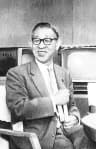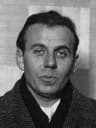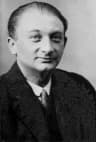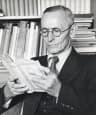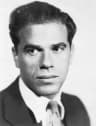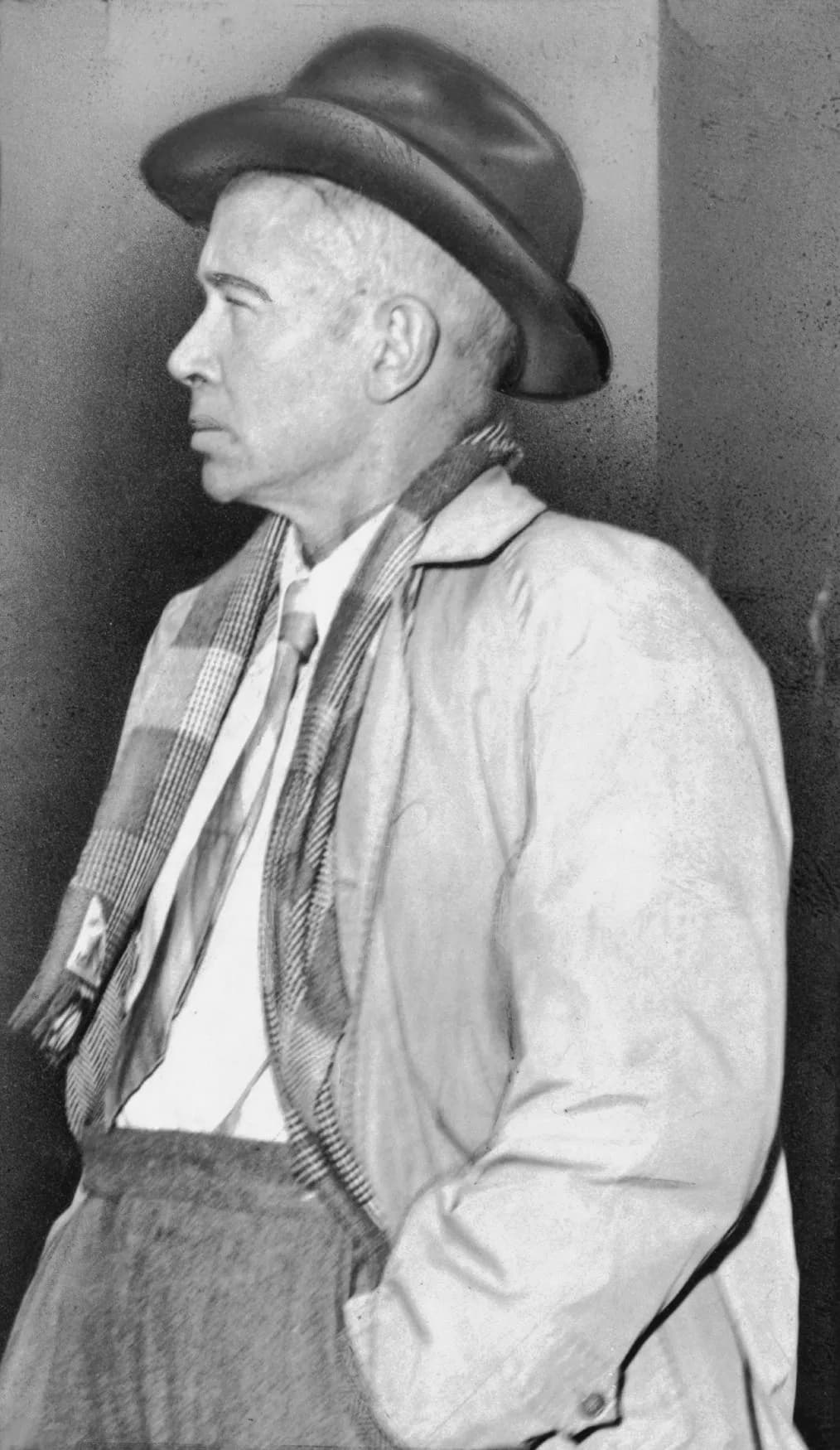
Born
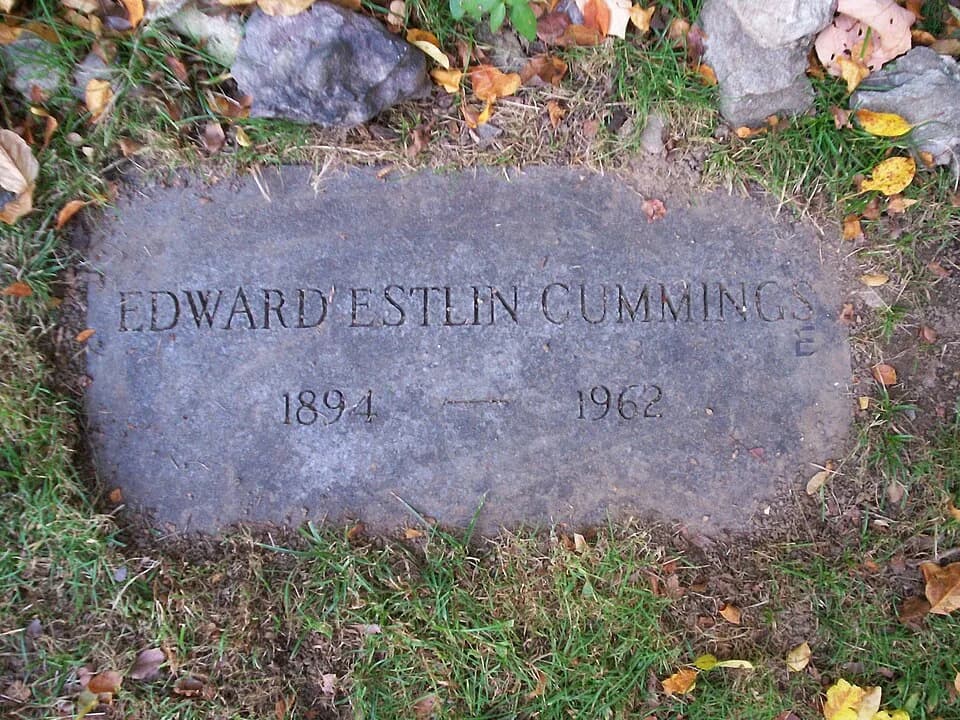
October 14, 1894
Cambridge, United States
Died
September 3, 1962
Joy Farm, United States
Known for
American author
E. E. Cummings (1894–1962) was United States best known for American author.
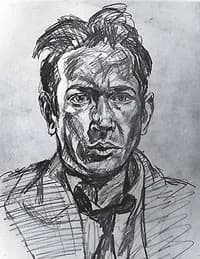
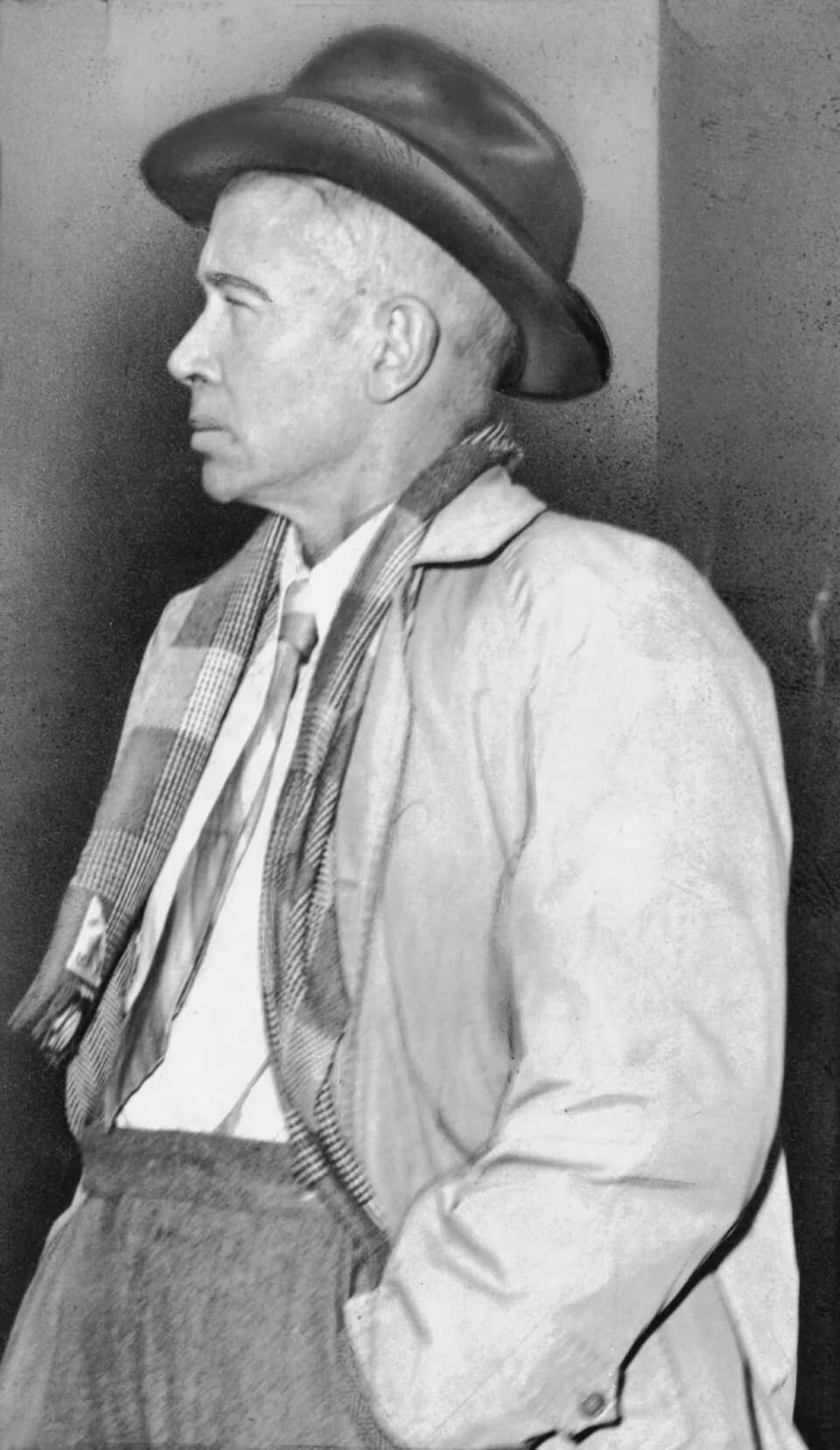
E. E. Cummings (October 14, 1894 – September 3, 1962) was an American author, poet, and painter. He was known for his innovative experiments with grammar and typography, challenging traditional poetic forms. His distinctive style continues to influence and inspire modern literature.
Chapter
Life chapters
Chapter 1 · 1894· Chapter 1 of 7
Early Life and Origins
Born in Cambridge, United States, on October 14, 1894, Edward Estlin Cummings grew up in a vibrant academic environment. This early exposure to intellectual thought undoubtedly shaped his artistic sensibilities from a young age. His upbringing laid the foundation for a life dedicated to creative exploration across multiple disciplines, influencing his later groundbreaking work.
Chapter 2 · 1922· Chapter 2 of 7
Career Beginnings
Cummings served as an ambulance driver during World War I, an experience that profoundly influenced his early writing. This period led to his imprisonment in an internment camp, a challenging time that fueled his creative output. His firsthand observations and reflections from this experience formed the basis for his powerful novel, The Enormous Room, which was published in 1922.
Chapter 3 · 1923· Chapter 3 of 7
Major Achievements and Career Highlights
The year after his novel, 1923, saw the publication of his first poetry collection, Tulips and Chimneys. This collection immediately showcased his innovative experiments with grammar and typography, setting him apart from his contemporaries. His unique style became a defining characteristic of his literary output, influencing modern poetry significantly.
E. E. Cummings was also a prolific playwright, writing four plays during his career. Among these, HIM (1927) and Santa Claus: A Morality (1946) stood out as his most successful theatrical works. He delivered the prestigious Charles Eliot Norton Lectures in poetry, which were later published as i—six nonlectures in 1953, cementing his role as a significant literary voice.
Chapter 4· Chapter 4 of 7
Personal Life
While specific details about E. E. Cummings' personal relationships beyond his artistic endeavors are not extensively provided in available records, his work often explored themes of love, individuality, and nature. His distinct voice and unconventional approach to art reflect a deeply personal engagement with the world around him. He lived a life centered on creative expression and artistic exploration, letting his art speak volumes about his inner world.
Chapter 5 · 1933· Chapter 5 of 7
Notable Works or Contributions
E. E. Cummings' bibliography includes a wide array of significant works that showcase his versatile talent beyond poetry. He published EIMI in 1933, a detailed travelog recounting his experiences in the Soviet Union, offering a different facet of his writing. Posthumously, a collection of short stories titled Fairy Tales was released in 1965, expanding his literary legacy and showing another dimension of his narrative skill.
Other notable poetry collections include Is 5 and Collected poems, which gather much of his acclaimed verse. Individual poems such as "And," "Chanson innocent," "Tumbling-hair picker of buttercups violets," and "Shall hate confound the wise?" are also highly recognized works from his extensive body of poetry. These pieces demonstrate his mastery of language and unique textual presentation.
Chapter 6 · 1953· Chapter 6 of 7
Later Years
In his later years, E. E. Cummings continued to create and share his unique artistic vision, maintaining his innovative spirit. The publication of i—six nonlectures in 1953 demonstrated his ongoing contribution to literary thought and education. He passed away on September 3, 1962, at Joy Farm, United States, leaving behind a rich collection of published and posthumously released works for future generations to discover.
Chapter 7· Chapter 7 of 7
Legacy and Impact
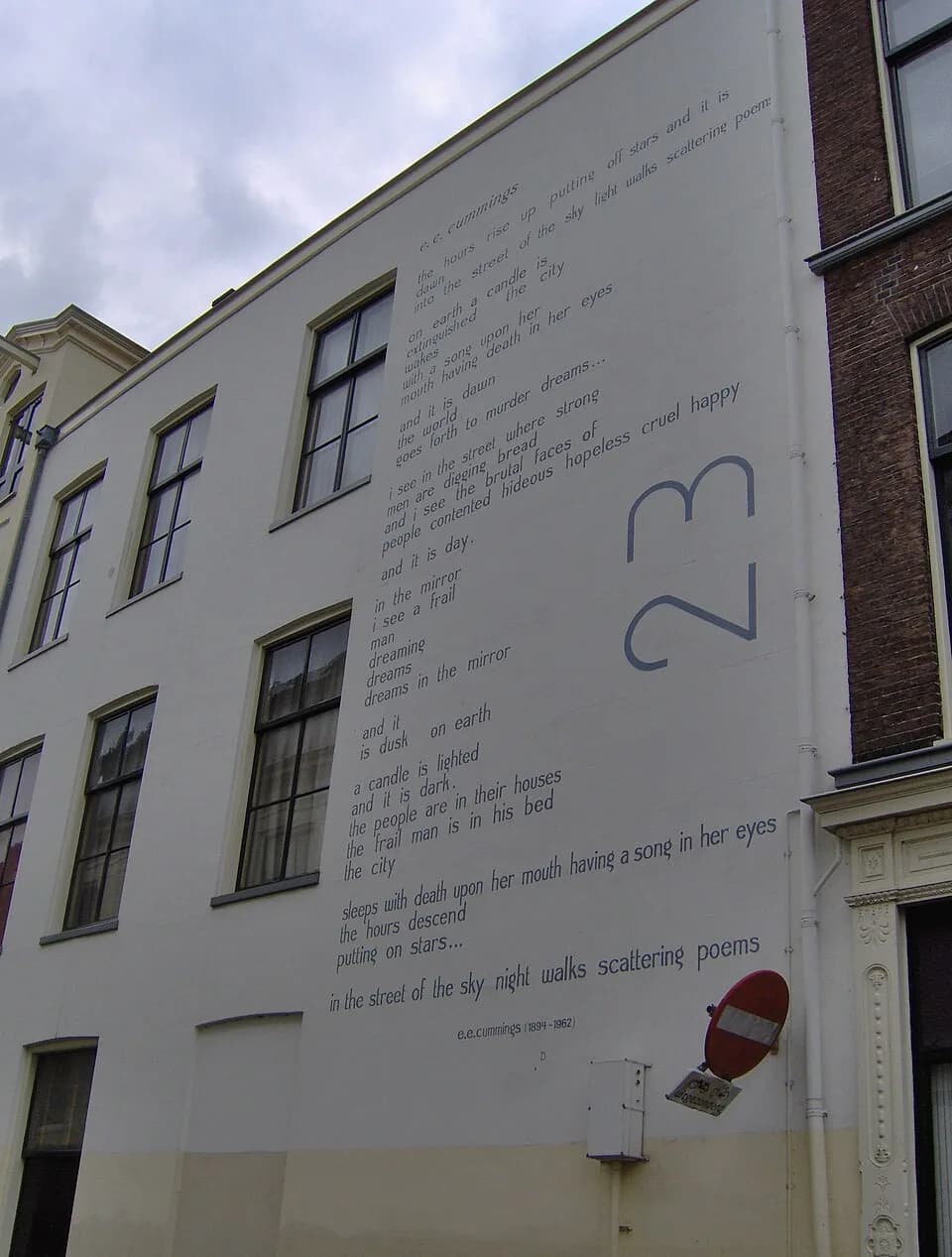
E. E. Cummings left an enduring legacy as an American author, poet, and artist who fearlessly experimented with form and language. His innovative use of lowercase letters, unconventional punctuation, and fragmented syntax challenged conventional poetic structures. He inspired generations of writers to push boundaries and explore new possibilities in literary expression, making him a true pioneer.
His works remain celebrated for their fresh perspective, emotional depth, and unique visual presentation on the page. Cummings' impact extends beyond literature, influencing visual arts and even modern digital communication due to his bold stylistic choices. He forever changed how poetry could look and feel, ensuring his place as an unforgettable figure in American letters.
A life in moments
The moments that shaped a life


FAQ
Frequently asked
When did E. E. Cummings die?
E. E. Cummings died on September 3, 1962 in Joy Farm, United States, at the age of 67.
Where was E. E. Cummings born?
E. E. Cummings was born in Cambridge, United States on October 14, 1894.
What is E. E. Cummings best known for?
E. E. Cummings is best known for American author.
How old was E. E. Cummings when they died?
E. E. Cummings was 67 years old at the time of death.
What nationality was E. E. Cummings?
E. E. Cummings was from United States.
Timeline
Life at a glance
Photo gallery
A life in pictures
Click any polaroid to expand · 21 photos
QR Code
Share This Biography
Print & Share
Scan to visit this biography page. Print for events, exhibitions, or educational materials.