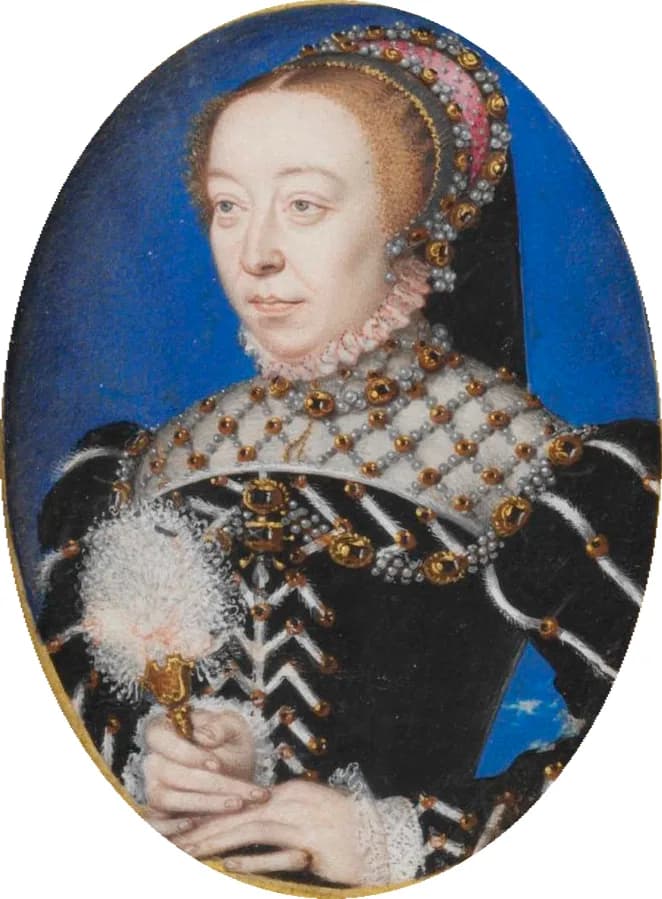
Born
April 23, 1519
Florence, Kingdom of Italy
Died
January 5, 1589
Château de Blois, France
Known for
queen-consort and regent of France
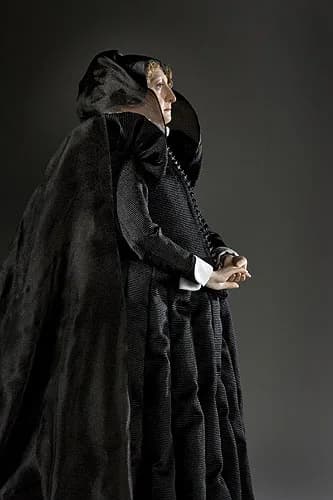
Catherine de' Medici (1519–1589) was an Italian noblewoman who became Queen of France and one of the most influential political figures of the 16th century. As mother to three French kings and regent during their reigns, she wielded extensive political power during the turbulent period known as "the age of Catherine de' Medici."
Chapter
Life chapters
Chapter 1 · 1519· Chapter 1 of 7
Early Life and Origins
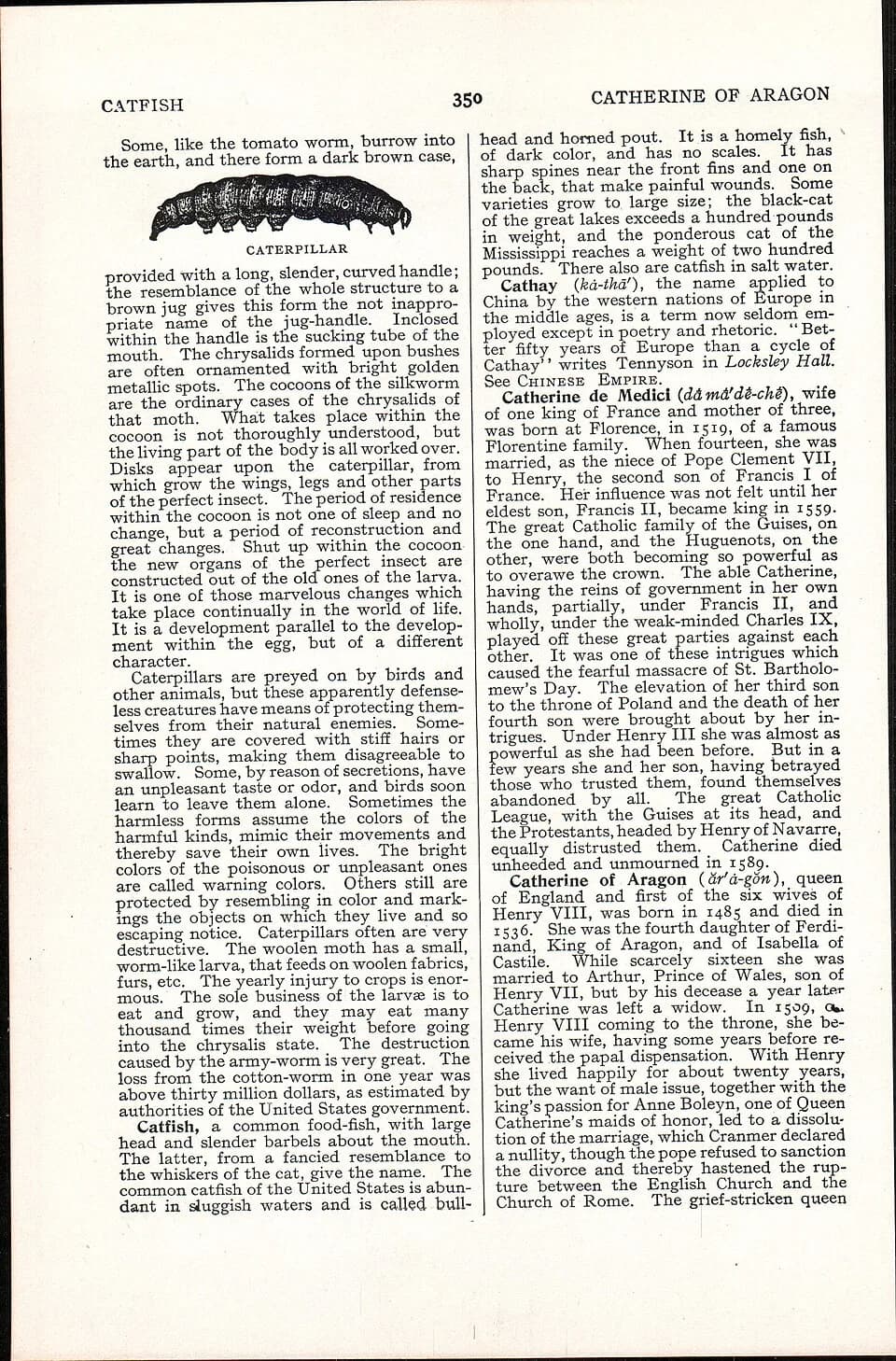
Catherine was born on April 23, 1519, in Florence, within the Kingdom of Italy, into the illustrious Medici banking dynasty. Her family had produced four popes and numerous rulers throughout Italy, establishing her noble pedigree from birth. As a cousin to Pope Clement VII, she was connected to both temporal and spiritual power from her earliest years.
Orphaned at a young age, Catherine's upbringing was carefully managed by her Medici relatives who recognized her potential value in political alliances. Her education befitted a noblewoman of her stature, preparing her for the diplomatic and political challenges she would later face. The Medici family's influence ensured she received the finest tutoring available in Renaissance Italy.
Chapter 2· Chapter 2 of 7
Marriage and Path to French Royalty
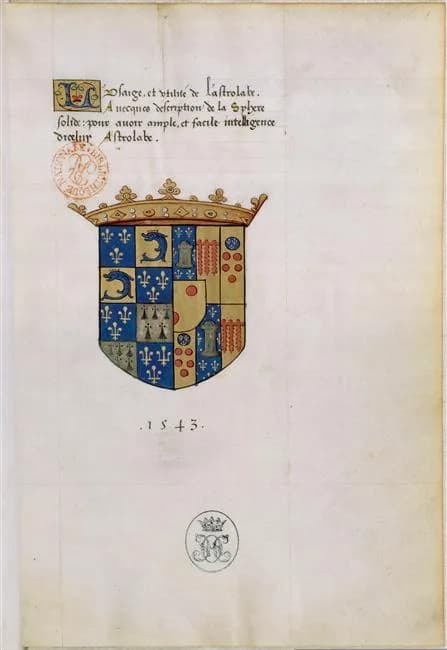
Catherine's entry into French nobility came through her marriage to Henry II of France, a union that elevated her from Italian nobility to French royalty. This strategic alliance connected the Medici wealth and influence to the French crown, strengthening both families' political positions. Her marriage marked the beginning of her lifelong involvement in French court politics.
The transition from Italian noblewoman to French queen-consort required significant adaptation to new customs and political structures. Catherine proved remarkably adept at navigating the complex relationships within the French court. Her intelligence and political instincts would serve her well in the years to come.
Chapter 3 · 1547· Chapter 3 of 7
Reign as Queen of France
From 1547 to 1559, Catherine served as Queen of France alongside Henry II, witnessing firsthand the challenges facing the French monarchy. During this period, she observed and learned the intricacies of French governance while supporting her husband's rule. Her role extended beyond ceremonial duties as she became increasingly involved in matters of state.
The sudden death of Henry II in 1559 thrust Catherine into a new phase of her political career. She had proven herself capable during her years as queen-consort, demonstrating the diplomatic skills that would define her later regency. Her understanding of court dynamics positioned her uniquely for the challenges ahead.
Chapter 4· Chapter 4 of 7
The Age of Catherine de' Medici
Catherine's most significant political influence came during her sons' reigns, a period historians have dubbed "the age of Catherine de' Medici." As the mother of French kings Francis II, Charles IX, and Henry III, she wielded considerable power behind the throne. Her influence on French political life was extensive, though it varied depending on the specific circumstances of each son's reign.
Her regency required navigating France through religious conflicts and political upheaval that threatened to tear the kingdom apart. Catherine's Italian background and political training proved invaluable in managing these complex challenges. She demonstrated remarkable resilience in maintaining royal authority during extremely difficult periods.
The religious wars that plagued France during this era demanded careful diplomatic maneuvering to preserve royal power. Catherine's approach often involved balancing competing factions rather than choosing sides definitively. Her political strategies reflected both pragmatism and a deep understanding of power dynamics.
Chapter 5· Chapter 5 of 7
Political Legacy and Influence
Catherine's political influence extended far beyond traditional queenly duties, establishing her as one of the most powerful women in European history. Her ability to maintain authority while her sons held the throne demonstrated exceptional political skill. The stability she provided during turbulent times helped preserve the French monarchy through its most challenging period.
Her diplomatic efforts often involved complex negotiations between religious and political factions within France. Catherine's Italian heritage provided her with unique perspectives on European politics that benefited French interests. Her political network extended throughout Europe, making her a formidable force in international relations.
Chapter 6· Chapter 6 of 7
Later Years and Final Days
Catherine's influence continued well into her later years as she remained active in French politics until her death. Her experience and political wisdom made her an invaluable advisor even as her direct power waned. The respect she commanded from European nobility reflected her successful navigation of decades of political challenges.
She spent her final years at the Château de Blois, where she died on January 5, 1589. Her death marked the end of an era in French politics, closing a chapter defined by her remarkable influence. The political structures she helped maintain would continue to shape France long after her passing.
Chapter 7· Chapter 7 of 7
Enduring Impact on French History
Catherine de' Medici's legacy lies in her successful preservation of French royal authority during one of the most challenging periods in the nation's history. Her political strategies and diplomatic skills helped France survive religious conflicts that could have destroyed the monarchy. The period of her influence represents a crucial chapter in the development of modern French governance.
Her example as a powerful female regent influenced expectations for royal women throughout Europe. Catherine proved that women could wield significant political power effectively, even in an era that typically restricted female authority. Her life and career continue to fascinate historians studying the intersection of gender, power, and politics in Renaissance Europe.
A life in moments
The moments that shaped a life

FAQ
Frequently asked
When did Catherine de' Medici die?
Catherine de' Medici died on January 5, 1589 in Château de Blois, France, at the age of 69.
Where was Catherine de' Medici born?
Catherine de' Medici was born in Florence, Kingdom of Italy on April 23, 1519.
What is Catherine de' Medici best known for?
Catherine de' Medici is best known for queen-consort and regent of France.
How old was Catherine de' Medici when they died?
Catherine de' Medici was 69 years old at the time of death.
What nationality was Catherine de' Medici?
Catherine de' Medici was from Kingdom of Italy.
Timeline
Life at a glance
Photo gallery
A life in pictures
Click any polaroid to expand · 50 photos
QR Code
Share This Biography
Print & Share
Scan to visit this biography page. Print for events, exhibitions, or educational materials.