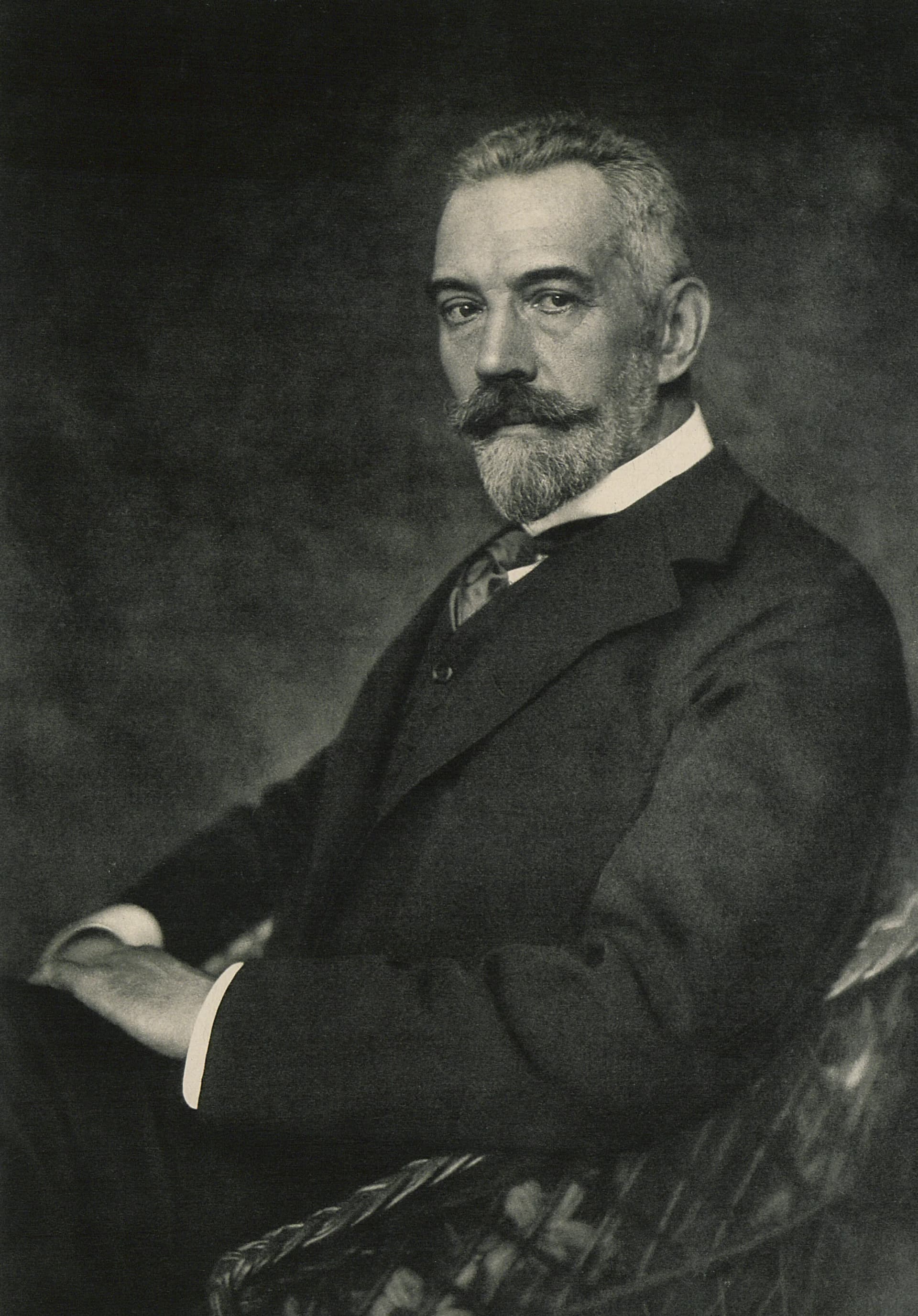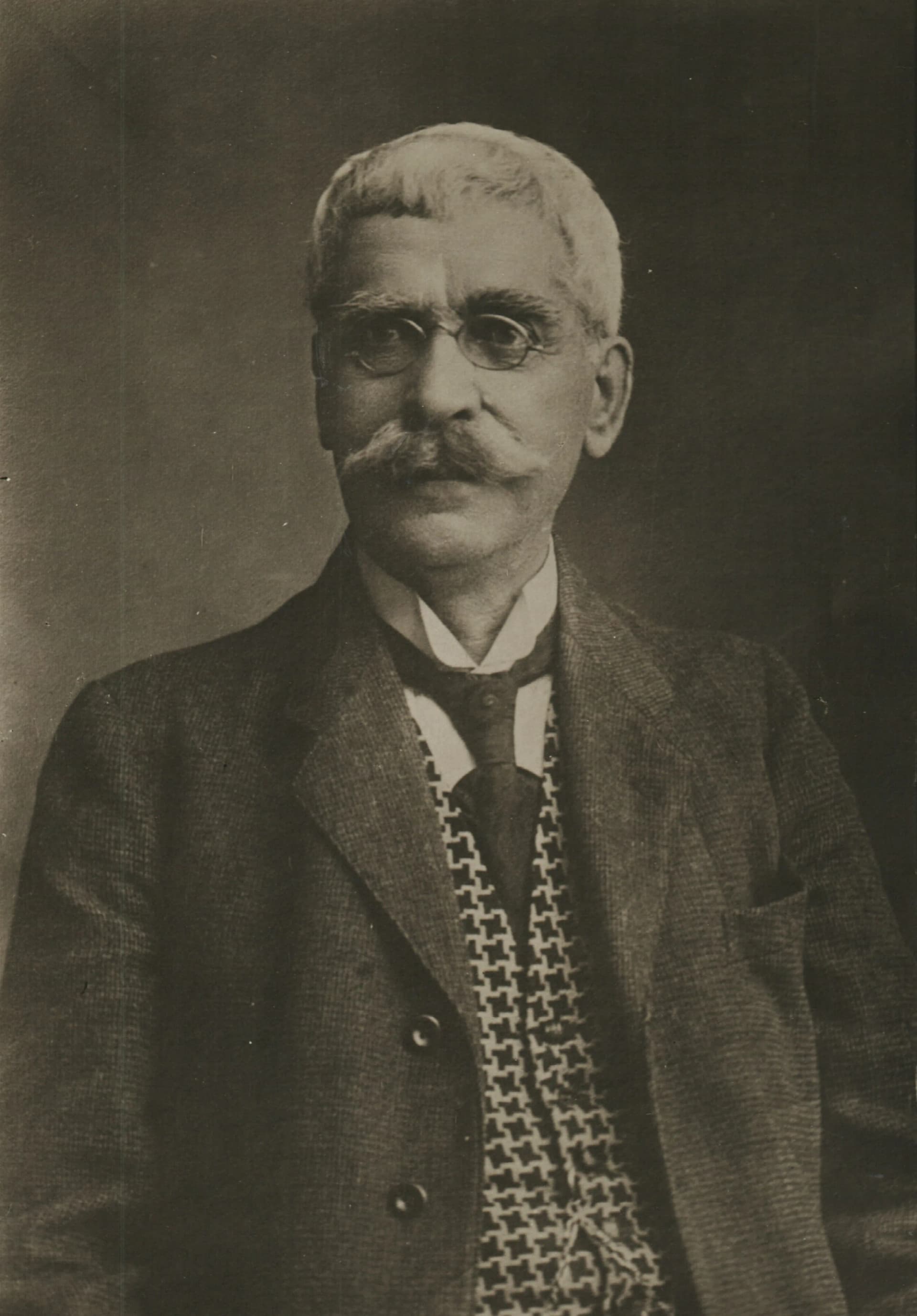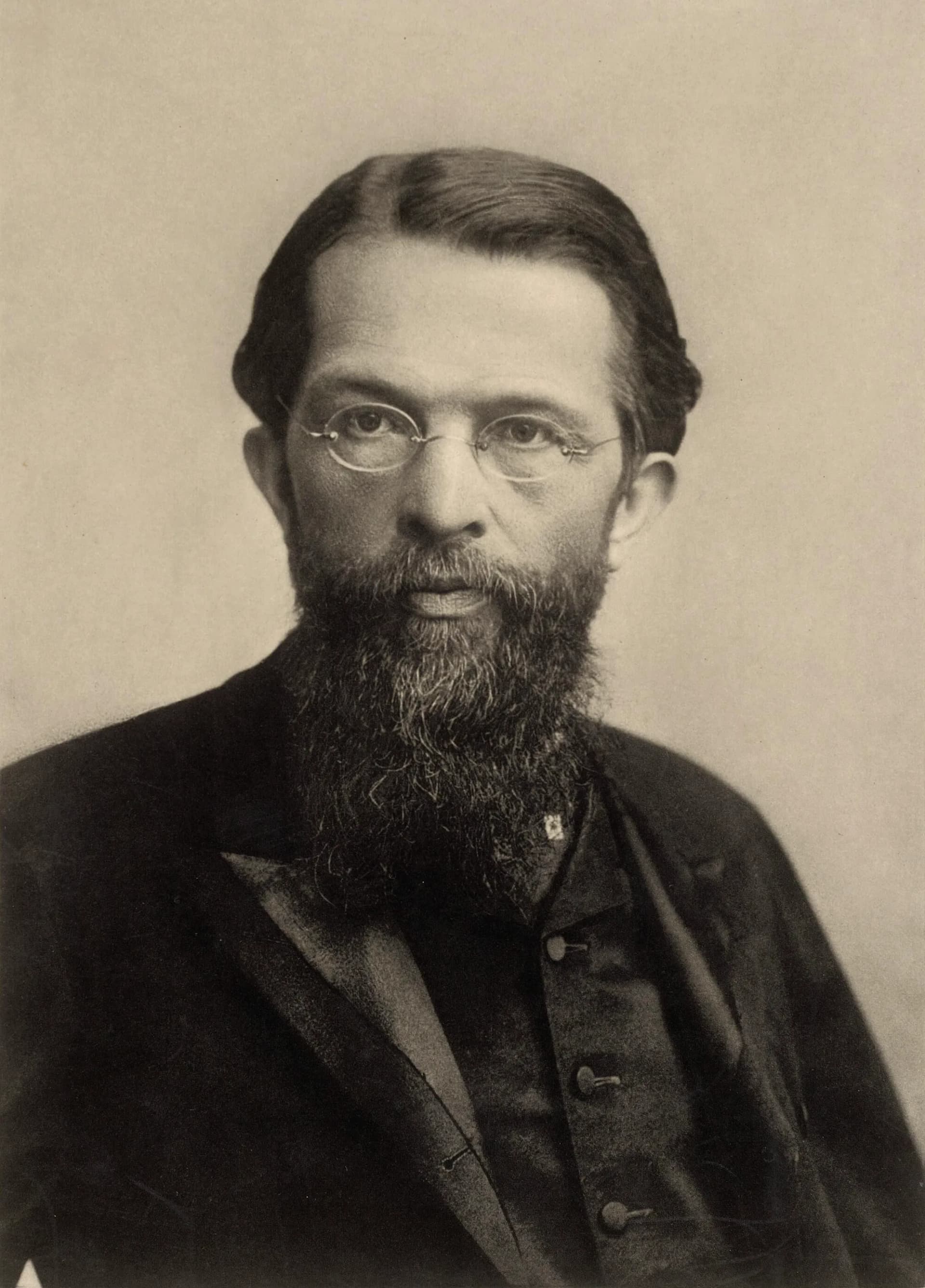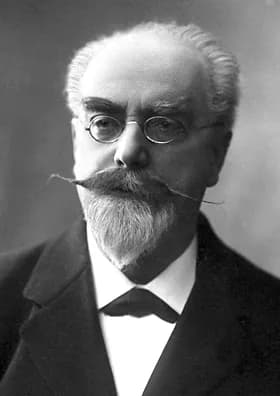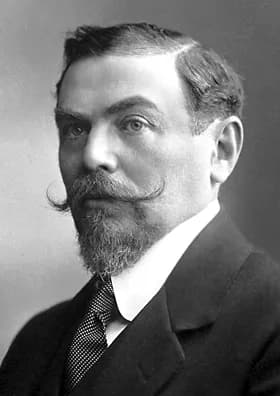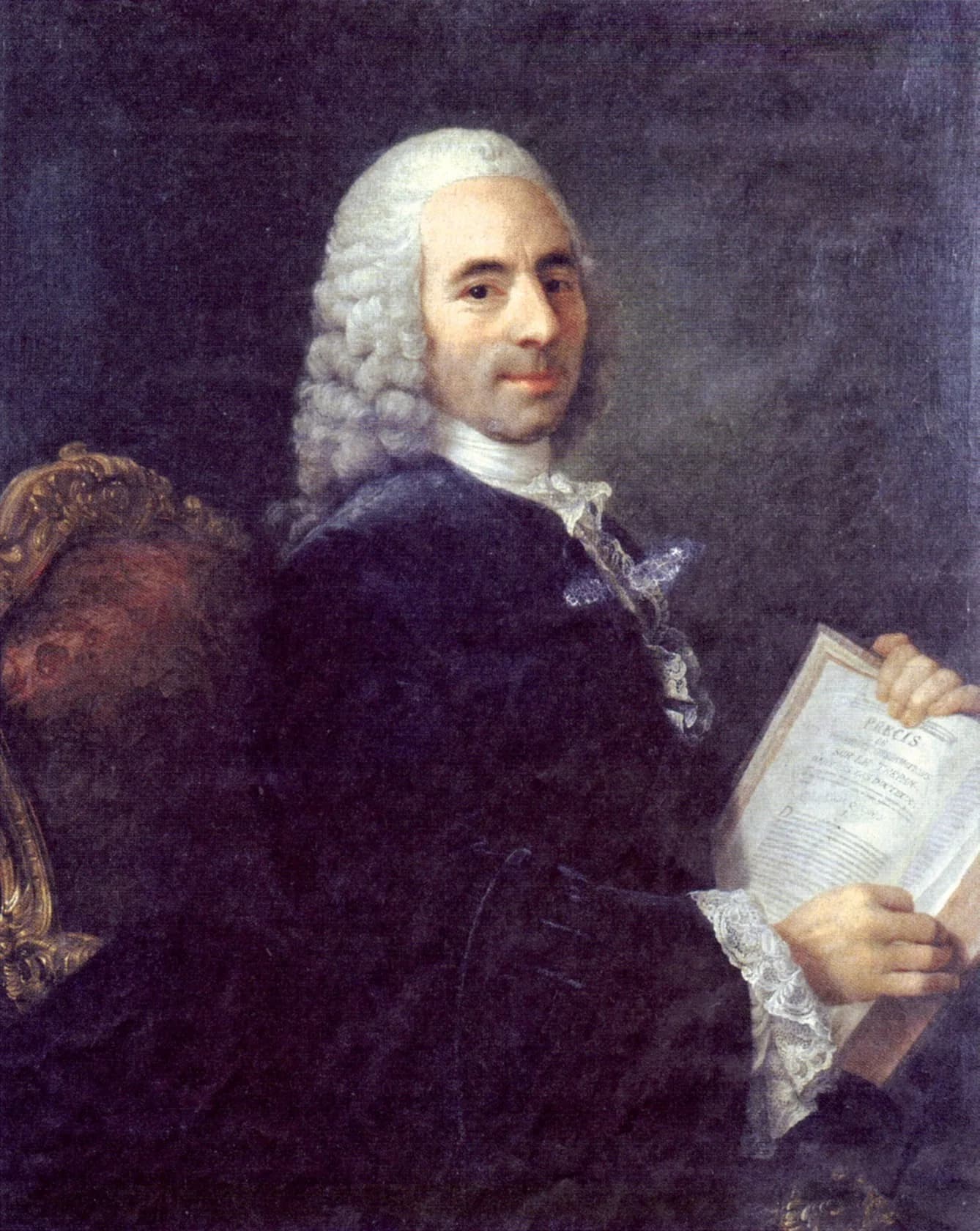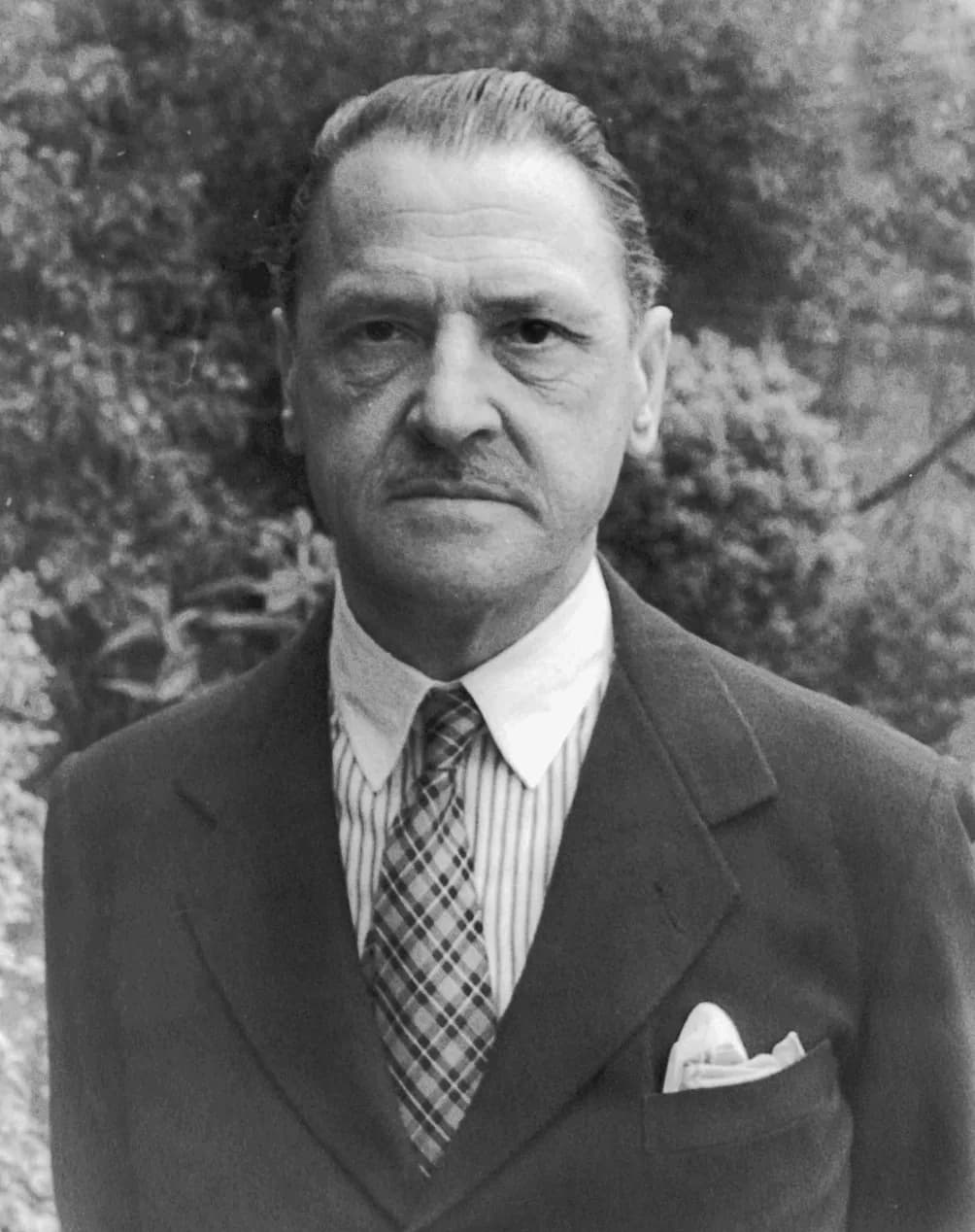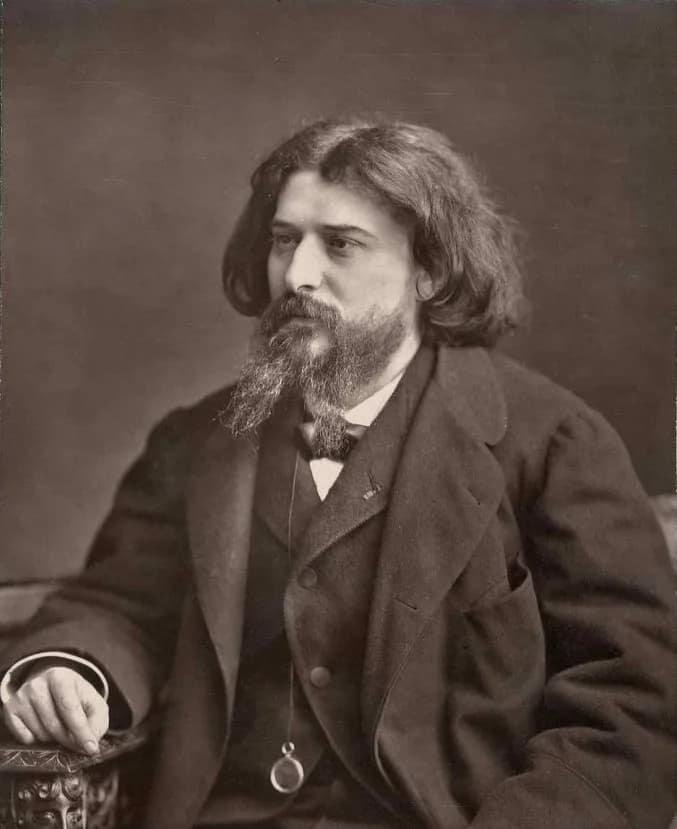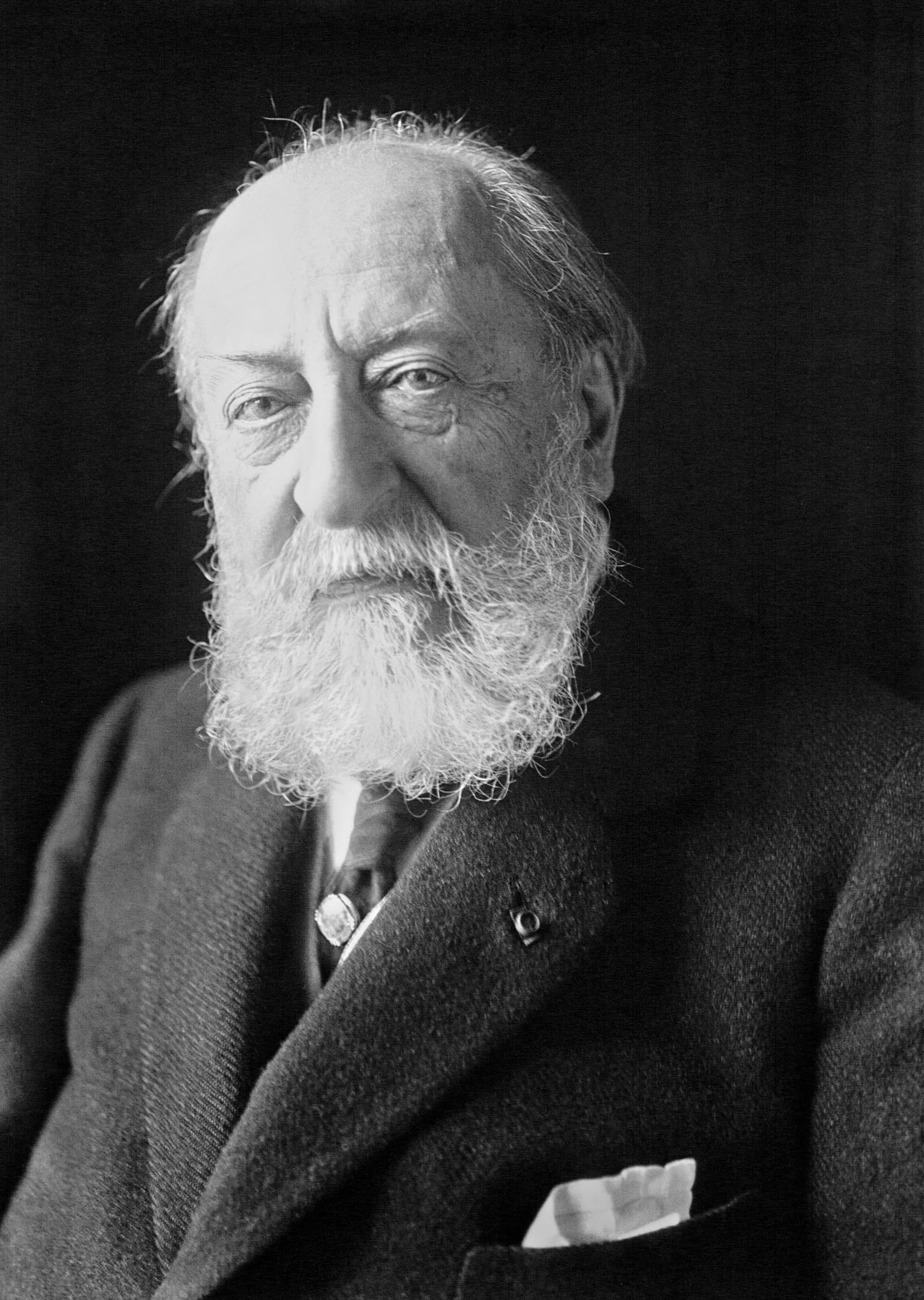
Born
October 9, 1835
11th arrondissement of Paris, France
Died
December 16, 1921
Algiers, Algeria
Known for
French composer, organist, conductor and pianist
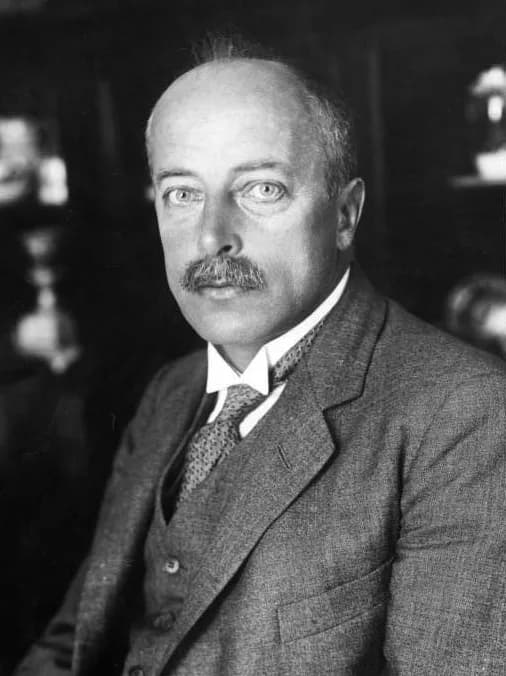
Camille Saint-Saëns (1835–1921) was France best known for French composer, organist, conductor and pianist.
Charles-Camille Saint-Saëns (1835-1921) was a French composer, organist, conductor and pianist of the Romantic era. His best-known works include the Third "Organ" Symphony, Carnival of the Animals, and the opera Samson and Delilah. His diverse output continues to enrich concert halls worldwide.
A life in moments
The moments that shaped a life

Chapter
Life chapters
Chapter 1 · 1835· Chapter 1 of 7
Early Life and Origins
Saint-Saëns was born on October 9, 1835, in the 11th arrondissement of Paris, France. His early years were marked by exceptional musical talent that manifested at a remarkably young age. Growing up in the cultural heart of France during the Romantic period, he was exposed to the rich musical traditions that would later influence his compositional style.
The young Saint-Saëns received comprehensive musical education that laid the foundation for his multifaceted career. His training encompassed not only composition but also performance skills on piano and organ, preparing him for the diverse roles he would assume throughout his professional life.
Chapter 2· Chapter 2 of 7
Career Beginnings
Saint-Saëns began his professional musical career in Paris, establishing himself as both a performer and composer. His early works demonstrated the technical mastery and melodic gift that would become his signature throughout his career. The musical scene in mid-19th century Paris provided fertile ground for his developing talents.
His initial success came through his skills as an organist and pianist, roles that provided him with steady income while he developed his compositional voice. These performance experiences gave him intimate knowledge of instrumental capabilities that would later inform his concerto writing.
Chapter 3 · 1863· Chapter 3 of 7
Major Achievements and Career Highlights
Saint-Saëns created a substantial body of work that spans multiple genres and decades. His Introduction and Rondo Capriccioso, completed in 1863, became one of his most frequently performed pieces. The Second Piano Concerto followed in 1868, establishing his reputation as a master of the concerto form.
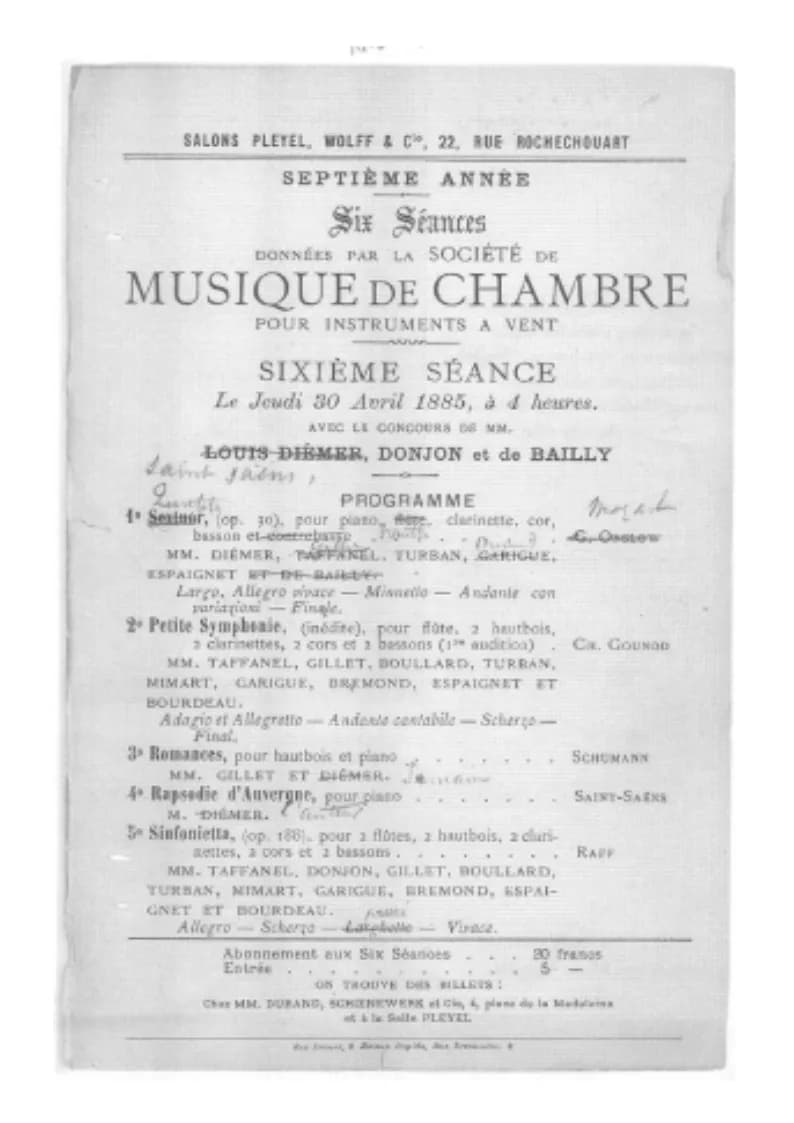
The 1870s proved particularly fruitful, with the completion of his First Cello Concerto in 1872 and the haunting Danse macabre in 1874. His opera Samson and Delilah, finished in 1877, remains a staple of the international operatic repertoire. The Third Violin Concerto arrived in 1880, adding another significant work to the violin literature.
The 1880s brought two of his most celebrated compositions: the Third Symphony, known as the "Organ" Symphony, and The Carnival of the Animals, both completed in 1886. These works showcase the full range of his compositional abilities, from grand symphonic writing to playful musical character sketches.
Chapter 4· Chapter 4 of 7
Personal Life
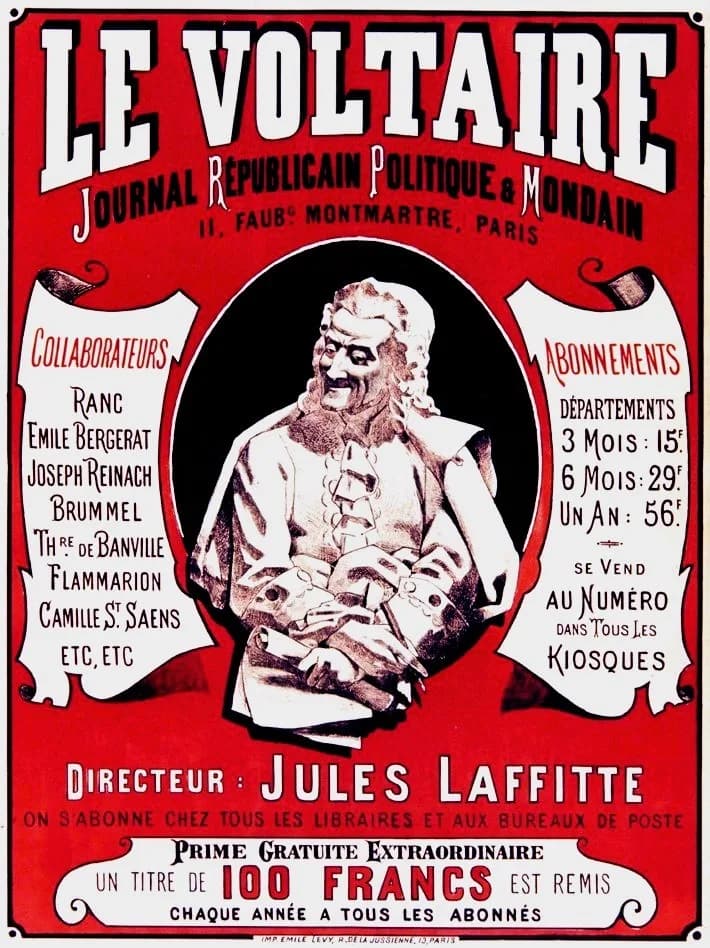
Saint-Saëns lived a long and productive life that spanned from the early Romantic period well into the 20th century. His career as a music critic and teacher allowed him to influence French musical culture beyond his compositions. He maintained active involvement in Parisian musical life throughout most of his career.
His final years were spent partly in Algeria, where the climate suited his aging constitution. This connection to North Africa reflects the international scope of his later life and career.
Chapter 5· Chapter 5 of 7
Notable Works and Contributions
Saint-Saëns's compositional output encompasses virtually every musical genre of his era. His concertos for piano, violin, and cello remain central to the repertoire of these instruments. The Second Piano Concerto and Third Violin Concerto are particularly celebrated for their technical demands and musical sophistication.
His Third Symphony broke new ground by incorporating the organ into the symphonic texture, creating a work of unusual power and scope. The Carnival of the Animals, though originally intended as a private entertainment, has become one of the most beloved orchestral suites in classical music. Danse macabre captures the macabre spirit of its literary inspiration while showcasing Saint-Saëns's gift for musical storytelling.
The opera Samson and Delilah demonstrates his mastery of dramatic music, combining biblical themes with the musical language of French grand opera. These diverse works illustrate his ability to succeed across multiple musical genres and forms.
Chapter 6· Chapter 6 of 7
Later Years
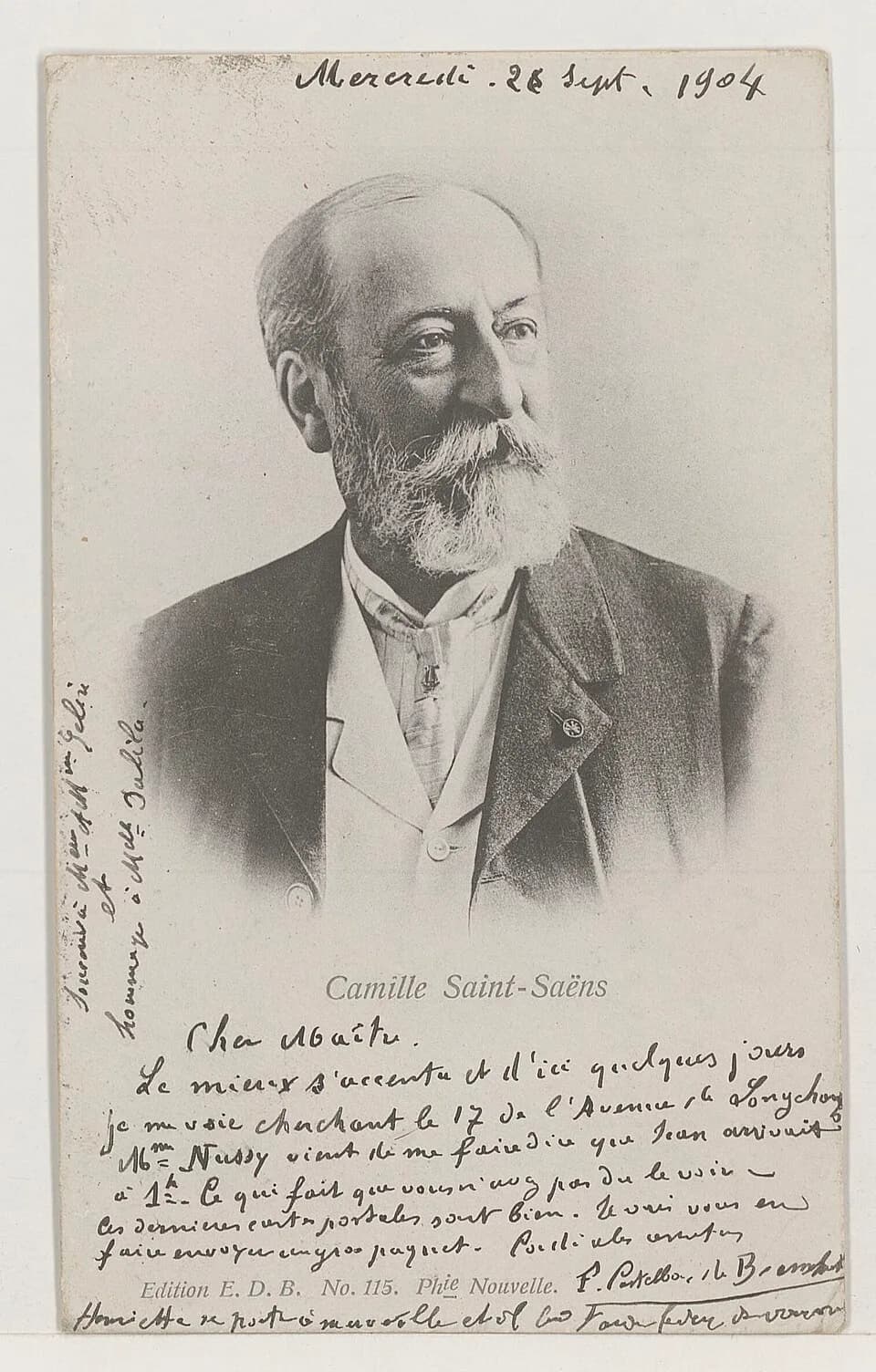
Saint-Saëns remained active as a composer and performer well into his eighties. His later years included extensive travel, with significant time spent in Algeria, where he found inspiration in the Mediterranean climate and culture. This period allowed him to maintain his creative output while enjoying a more relaxed pace of life.
He continued to compose and perform until near the end of his life, demonstrating the vitality and dedication that characterized his entire career. His death on December 16, 1921, in Algiers, Algeria, marked the end of an era in French music.
Chapter 7· Chapter 7 of 7
Legacy and Impact
Saint-Saëns left an enduring mark on classical music through his diverse and skillfully crafted compositions. His works bridge the Romantic and modern eras, maintaining the melodic and harmonic language of 19th-century music while pointing toward future developments. Contemporary performers and audiences continue to embrace his major works, ensuring their place in the active repertoire.
His influence extended beyond composition through his roles as teacher, critic, and cultural figure in French musical life. The numerous recordings of his works, from early 20th-century versions to modern interpretations, testify to their lasting appeal and artistic value. Saint-Saëns's ability to write effectively for virtually every instrument and ensemble type makes him a composer whose works continue to serve musicians and audiences across the classical music spectrum.
FAQ
Frequently asked
When did Camille Saint-Saëns die?
Camille Saint-Saëns died on December 16, 1921 in Algiers, Algeria, at the age of 86.
Where was Camille Saint-Saëns born?
Camille Saint-Saëns was born in 11th arrondissement of Paris, France on October 9, 1835.
What is Camille Saint-Saëns best known for?
Camille Saint-Saëns is best known for French composer, organist, conductor and pianist.
How old was Camille Saint-Saëns when they died?
Camille Saint-Saëns was 86 years old at the time of death.
What nationality was Camille Saint-Saëns?
Camille Saint-Saëns was from France.
Timeline
Life at a glance
Photo gallery
A life in pictures
Click any polaroid to expand · 47 photos
QR Code
Share This Biography
Print & Share
Scan to visit this biography page. Print for events, exhibitions, or educational materials.