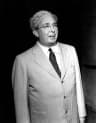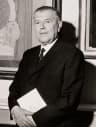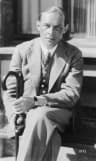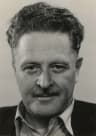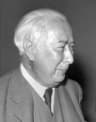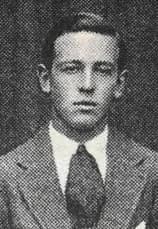
Born
November 29, 1898
Belfast, United Kingdom of Great Britain and Ireland
Died
November 22, 1963
Oxford, United Kingdom
Known for
British writer, lay theologian, and scholar
C. S. Lewis (1898–1963) was United Kingdom of Great Britain and Ireland best known for British writer, lay theologian, and scholar.
Clive Staples Lewis (November 29, 1898 – November 22, 1963) was a British writer, lay theologian, and scholar. He is celebrated for *The Chronicles of Narnia* and influential works of Christian apologetics like *Mere Christianity*. His enduring stories and theological writings continue to inspire readers globally.
Chapter
Life chapters
Chapter 1 · 1898· Chapter 1 of 8
A Life of Imagination and Intellect
Clive Staples Lewis (November 29, 1898 – November 22, 1963) was a British writer, lay theologian, and scholar whose works continue to shape literature and Christian thought. He is widely celebrated for his beloved children's series, The Chronicles of Narnia, which introduced countless readers to fantastical worlds and timeless themes. Lewis also made significant contributions through his other works of fiction, such as The Screwtape Letters, and his highly influential non-fiction Christian apologetics. His life was dedicated to scholarship and writing, leaving an enduring impact on generations.
Chapter 2 · 1898· Chapter 2 of 8
Early Life and Origins
C. S. Lewis was born Clive Staples Lewis on November 29, 1898, in Belfast, which was then part of the United Kingdom of Great Britain and Ireland. This early setting would contribute to his experiences and imaginative spark seen in his later writing. His early years fostered a deep curiosity that eventually led him to a life of academic inquiry and literary pursuit.
Chapter 3 · 1925· Chapter 3 of 8
Career Beginnings
Lewis began his distinguished academic career holding positions in English literature at Magdalen College, Oxford. He served there from 1925 until 1954, deeply engaging with students and colleagues through his teaching and research. Later, he moved to Magdalene College, Cambridge, where he continued his professorship from 1954 until his death in 1963. These academic roles provided a foundational platform for his extensive literary and theological work.
Chapter 4· Chapter 4 of 8
Major Achievements and Career Highlights
As a prominent British author, Lewis achieved widespread recognition for his ability to blend deep intellectual thought with accessible storytelling. His academic tenure at two of the world's most esteemed universities underscored his reputation as a literary scholar. He also distinguished himself as an Anglican lay theologian, contributing significantly to religious discourse through his clear and logical arguments. Lewis consistently balanced his scholarly duties with an active and prolific writing career.
Chapter 5· Chapter 5 of 8
Personal Life
While the provided information does not offer extensive details of C. S. Lewis's personal relationships, it is evident that his existence was deeply entwined with his scholarship and creative endeavors. His work reflects a man dedicated to exploring profound questions of faith, morality, and the human condition. His academic and literary pursuits appear to have been central to his daily life and identity.
Chapter 6· Chapter 6 of 8
Notable Works or Contributions
Lewis is perhaps most famously known as the author of The Chronicles of Narnia, a series that has charmed readers for decades with its allegories and adventurous spirit. Beyond Narnia, his fictional repertoire includes the satiric The Screwtape Letters and the thought-provoking The Space Trilogy. His commitment to Christian apologetics is evident in non-fiction works such as Mere Christianity, Miracles, and The Problem of Pain, which offer reasoned defenses of his faith. Other significant works include Hideous strength, Till we have faces, Studies in Shakespeare, Transposition and Other Addresses, and Latin Letters of C. S. Lewis.
Chapter 7 · 1963· Chapter 7 of 8
Later Years
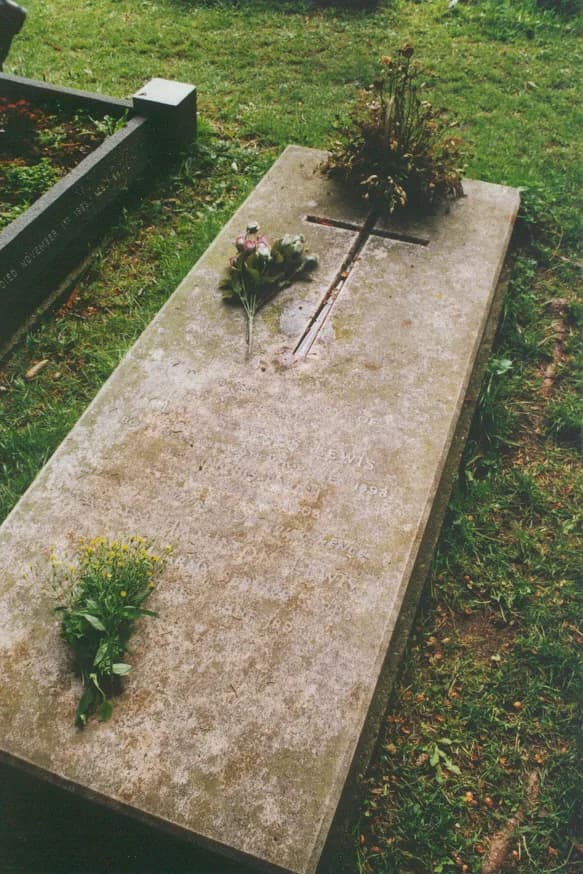
C. S. Lewis remained actively engaged in his academic and writing pursuits during his later years. He continued his professorship at Magdalene College, Cambridge, enriching the intellectual environment until the end of his life. He passed away on November 22, 1963, in Oxford, United Kingdom, just a week before his 65th birthday, leaving behind a wealth of literary and theological works for future generations.
Chapter 8· Chapter 8 of 8
Legacy and Impact
The enduring appeal of C. S. Lewis's writings is a testament to his unique ability to connect with diverse audiences. His stories, especially The Chronicles of Narnia, continue to be beloved classics, while his Christian apologetics remain widely studied and debated. Lewis's work continues to inspire new generations of readers and thinkers, solidifying his place as a significant figure in 20th-century literature and theology. His unique blend of reason, imagination, and faith left a lasting influence.
A life in moments
The moments that shaped a life




FAQ
Frequently asked
When did C. S. Lewis die?
C. S. Lewis died on November 22, 1963 in Oxford, United Kingdom, at the age of 64.
Where was C. S. Lewis born?
C. S. Lewis was born in Belfast, United Kingdom of Great Britain and Ireland on November 29, 1898.
What is C. S. Lewis best known for?
C. S. Lewis is best known for British writer, lay theologian, and scholar.
How old was C. S. Lewis when they died?
C. S. Lewis was 64 years old at the time of death.
What nationality was C. S. Lewis?
C. S. Lewis was from United Kingdom of Great Britain and Ireland.
Timeline
Life at a glance
Photo gallery
A life in pictures
Click any polaroid to expand · 44 photos
QR Code
Share This Biography
Print & Share
Scan to visit this biography page. Print for events, exhibitions, or educational materials.