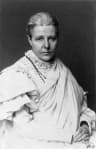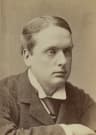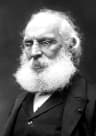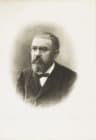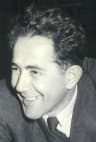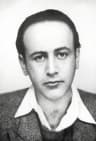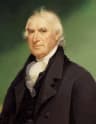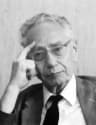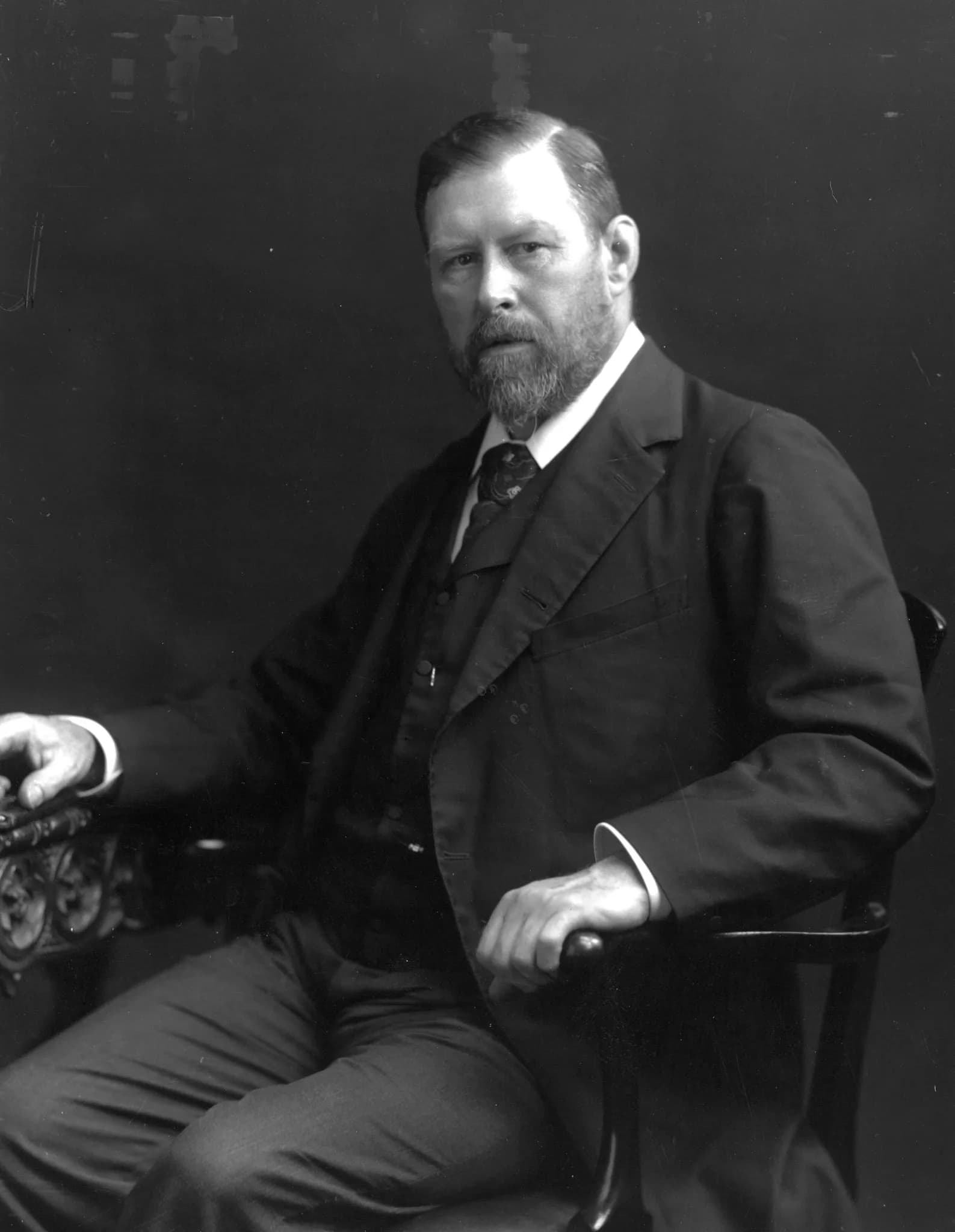
Born
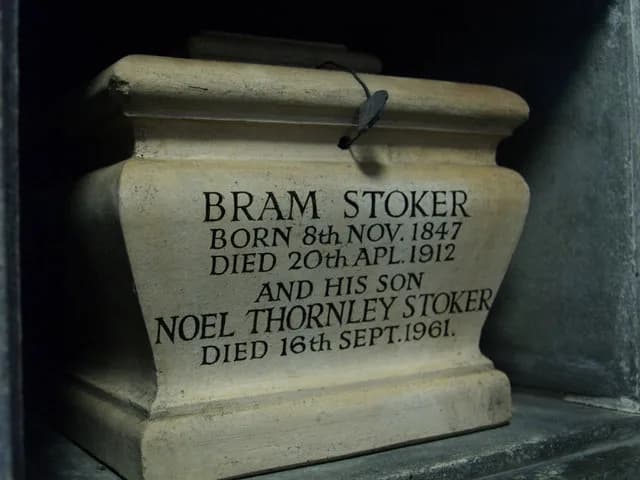
November 8, 1847
Clontarf, Ireland
Died
April 20, 1912
St George's Square, United Kingdom
Known for
Irish novelist and short story writer
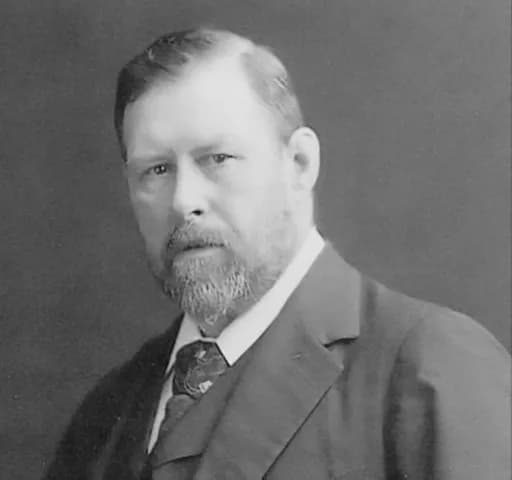
Bram Stoker (1847–1912) was Ireland best known for Irish novelist and short story writer.
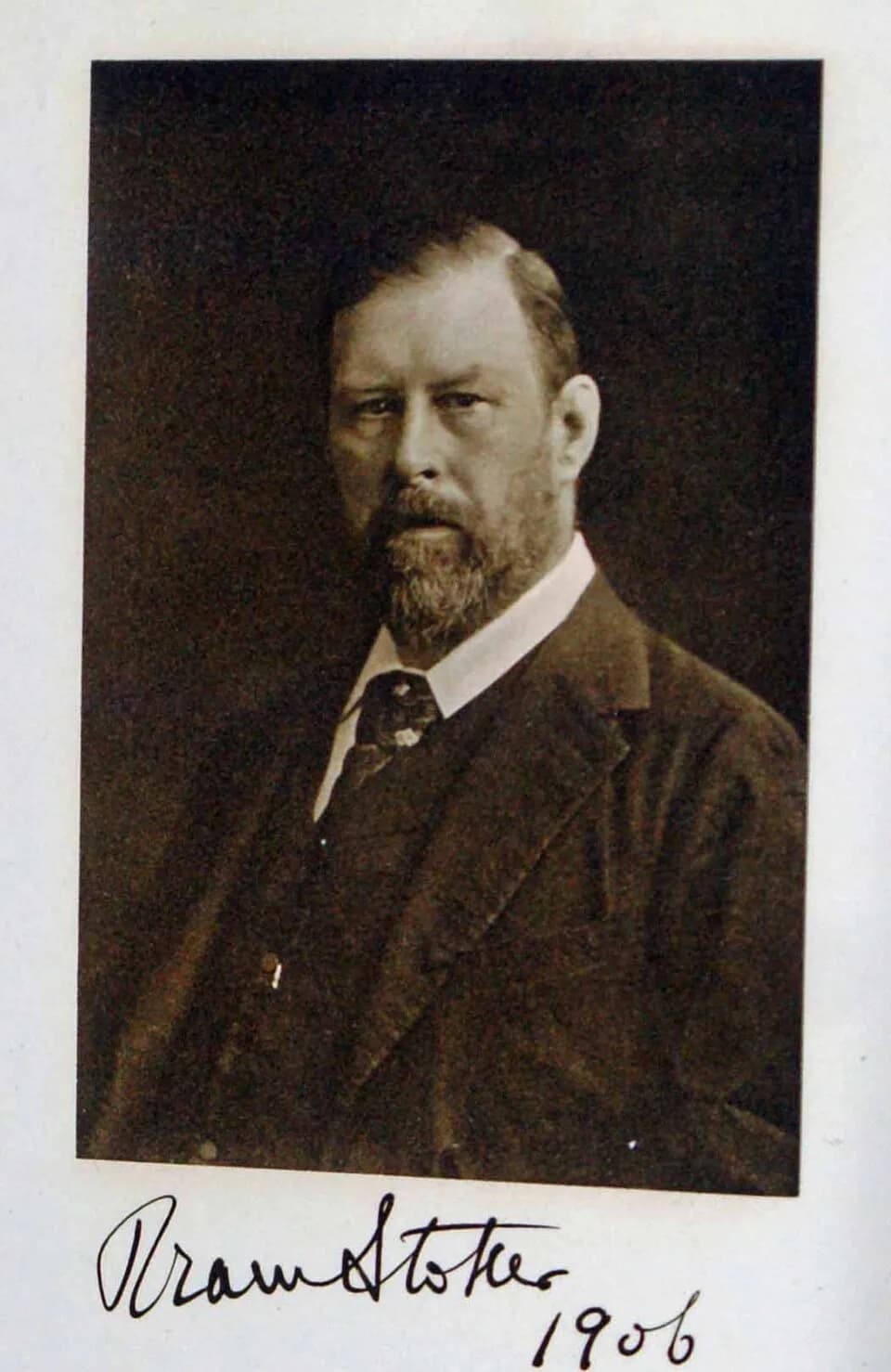
Abraham Stoker (November 8, 1847 – April 20, 1912) was an Irish writer, barrister, and theatre manager from Clontarf, Ireland. He authored the iconic 1897 novel Dracula, creating the legendary character Count Dracula. His work stands as a milestone in Gothic and vampire literature.
Chapter
Life chapters
Chapter 1 · 1847· Chapter 1 of 7
Early Life and Origins
Abraham Stoker was born on November 8, 1847, in Clontarf, Ireland, a setting that often provided a backdrop of rich folklore and cultural history that would later subtly influence his imaginative works. Details of his early family life and formal education are not extensively detailed in provided biographical accounts, but his later academic pursuits and professional versatility strongly suggest a robust intellectual upbringing. His Irish origins instilled in him a unique perspective that he would bring to his writing, crafting narratives that resonated with deep psychological and atmospheric qualities.
Chapter 2· Chapter 2 of 7
Career Beginnings
Before achieving widespread literary fame, Stoker pursued a remarkably varied professional life, showcasing his diverse talents across several demanding fields. He began his career as a clerk, a role that undoubtedly honed his organizational skills and meticulous attention to detail, qualities that proved exceptionally useful in his later extensive literary projects. Simultaneously, Stoker immersed himself in the vibrant cultural scene of his era as a journalist and theatre critic, developing a keen eye for dramatic narrative and the subtleties of human expression in both performance and text.
Chapter 3· Chapter 3 of 7
Major Achievements and Career Highlights
A highly significant and formative turn in Stoker's professional journey came with his extensive tenure as a theatre manager, a demanding position he held with dedication for many years. This experience provided him with an unparalleled understanding of narrative structure, character development, and the precise timing essential for dramatic pacing, all elements crucial to the compelling nature of his later literary successes. While diligently managing the complex operations of a theatre, Stoker continued to nurture his writing, meticulously cultivating the distinctive narrative voice that would define his most celebrated work, Dracula.
Chapter 4· Chapter 4 of 7
Personal Life
Though the provided information on Bram Stoker's personal life is somewhat limited, his professional trajectory strongly indicates a person deeply engaged with the arts and intellectual pursuits. His diverse professions, including barrister, journalist, and theatre critic, suggest a keen and active interest in public life, cultural expression, and the intricate mechanisms of storytelling. Without specific details concerning his family or intimate relationships, one can infer that his intellectual endeavors, extensive career, and passion for the dramatic arts were central and defining aspects of his personal existence.
Chapter 5 · 1897· Chapter 5 of 7
Notable Works or Contributions
Bram Stoker's most profound and enduring contribution to literature is, without question, his groundbreaking 1897 novel Dracula, a work that not only introduced the archetypal vampire character but also meticulously defined the entire genre for generations of writers and readers. This masterful work of Gothic horror remains a cornerstone of supernatural fiction, meticulously crafting a world of dread and suspense that continues to fascinate and terrify. Beyond this seminal novel, his extensive bibliography includes other significant pieces such as Dracula’s Guest, a collection of short stories that frequently explore dark, supernatural themes and often serve as a prequel or companion to his most famous tale.
His published works also include other captivating narratives such as The Chain of Destiny and the collection A Star Trap & Other Stories, each demonstrating his versatile range as a storyteller capable of crafting suspenseful and imaginative plots. Stoker's broader bibliography also notably lists associations with classic horror literature like Frankenstein and Dr. Jekyll and Mr. Hyde, suggesting his deep engagement with related literary projects, possibly as an editor or a contributor to various anthologies that explored the macabre. Such explicit associations underscore his unwavering commitment to and deep understanding of the horror and supernatural genres, positioning him as a central figure in their historical development.
Chapter 6 · 1912· Chapter 6 of 7
Later Years
The final period of Bram Stoker's life saw him continue to dedicate himself to writing and actively engaging with the dynamic literary world, even as his health began to decline. He passed away on April 20, 1912, in St George's Square, United Kingdom, bringing to a close a life rich in professional accomplishments and profound literary creation. His physical departure marked the end of an era, yet it simultaneously signaled the true beginning of his extraordinary literary legacy, which would only expand in scope and influence in the decades that followed his death.
Chapter 7· Chapter 7 of 7
Legacy and Impact
Bram Stoker's most profound and enduring legacy is undeniably the timeless power of his novel Dracula, a literary masterpiece that continues to be enthusiastically adapted, rigorously studied, and widely celebrated across various global platforms. The character of Count Dracula, an original and chilling creation of Stoker, has transcended its literary origins to become an iconic cultural figure, profoundly influencing countless books, films, theatrical productions, and even popular folklore. His groundbreaking work significantly elevated the standing of both Gothic and vampire literature, establishing enduring benchmarks for storytelling excellence within the supernatural genre.
Stoker's exceptional ability to skillfully blend elements of suspense, visceral horror, and intricate psychological depth ensures that his meticulously crafted stories remain compelling and relevant to new generations of inquisitive readers worldwide. His uniquely varied professional background—including his experiences as a barrister, a shrewd theatre manager, and an insightful journalist—collectively informed his distinctive narrative voice and contributed significantly to the enduring appeal and profound thematic depth of his literary creations. The foundational contributions he made to horror literature persist as a powerful and visible force, securing his permanent place as a perpetual touchstone for countless writers, filmmakers, and artists across the globe.
A life in moments
The moments that shaped a life

FAQ
Frequently asked
When did Bram Stoker die?
Bram Stoker died on April 20, 1912 in St George's Square, United Kingdom, at the age of 64.
Where was Bram Stoker born?
Bram Stoker was born in Clontarf, Ireland on November 8, 1847.
What is Bram Stoker best known for?
Bram Stoker is best known for Irish novelist and short story writer.
How old was Bram Stoker when they died?
Bram Stoker was 64 years old at the time of death.
What nationality was Bram Stoker?
Bram Stoker was from Ireland.
Timeline
Life at a glance
Photo gallery
A life in pictures
Click any polaroid to expand · 38 photos
QR Code
Share This Biography
Print & Share
Scan to visit this biography page. Print for events, exhibitions, or educational materials.