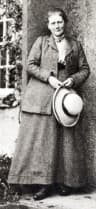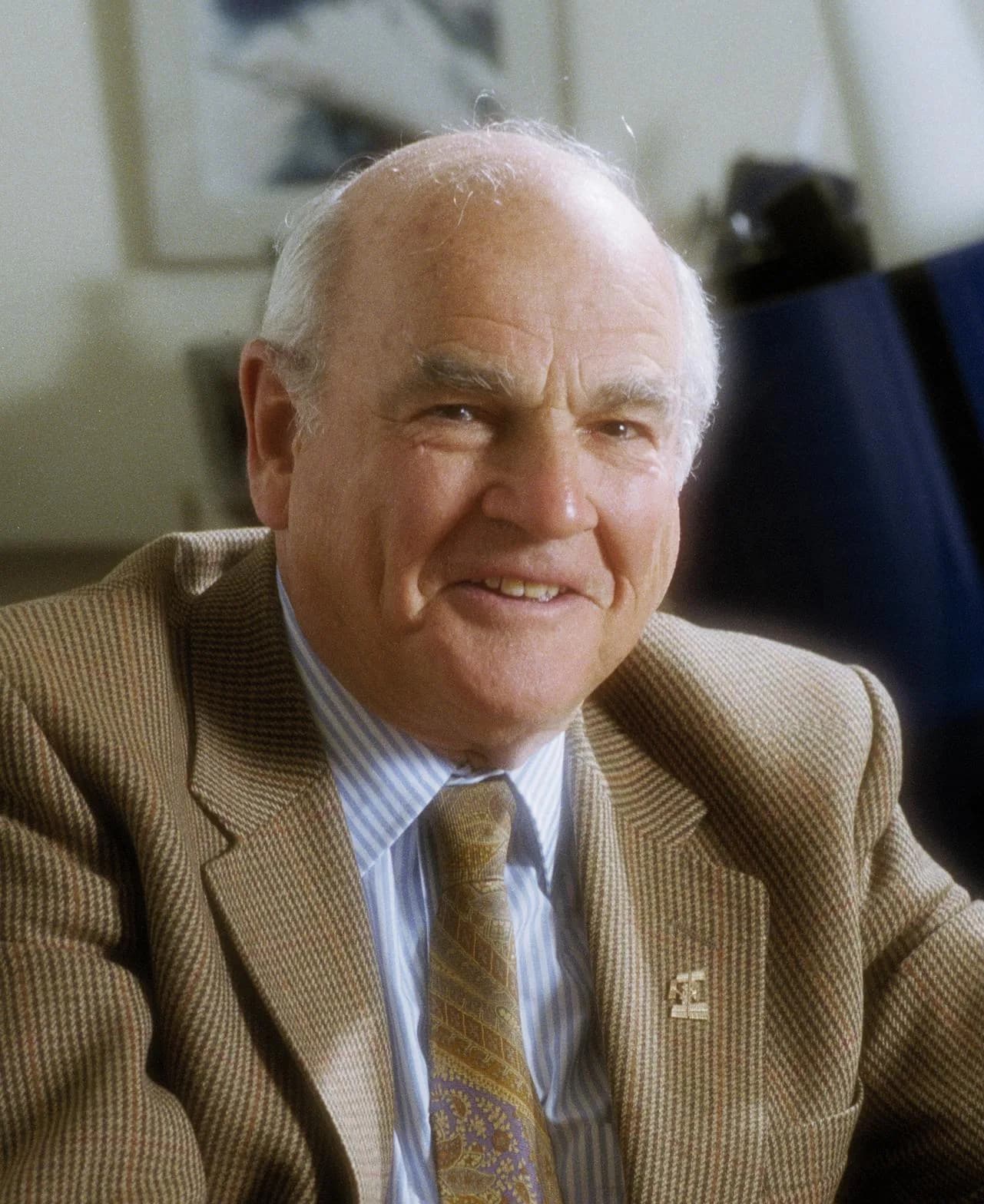
Born
July 28, 1925
Brooklyn, United States
Died
April 5, 2011
Mountain View, United States
Known for
American physician, geneticist and Nobel prize winner
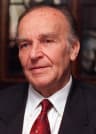
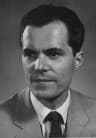
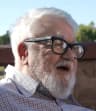
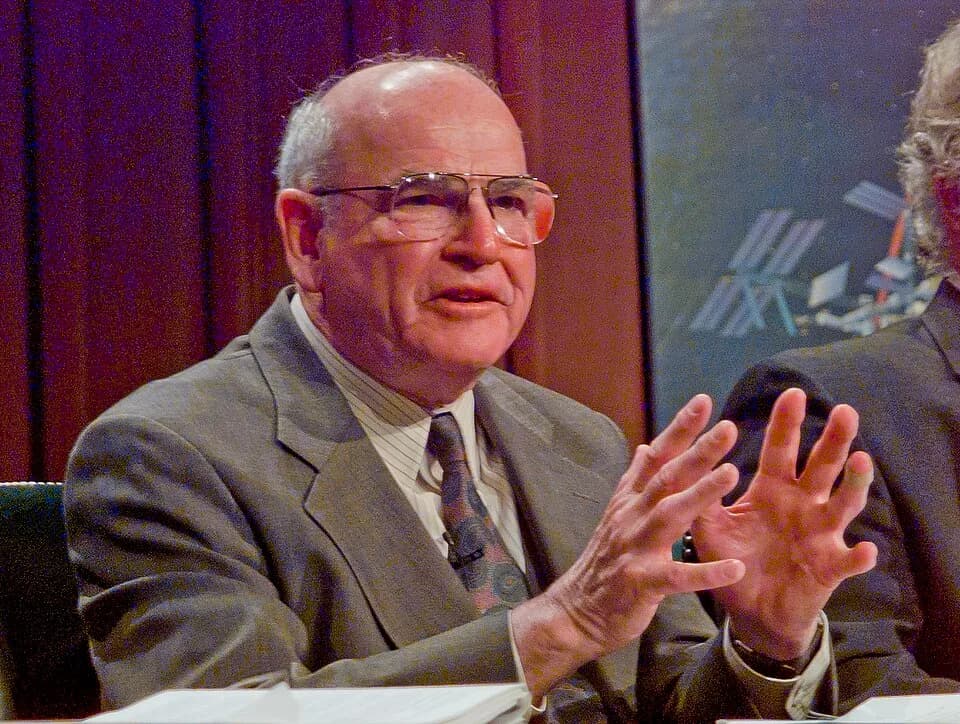
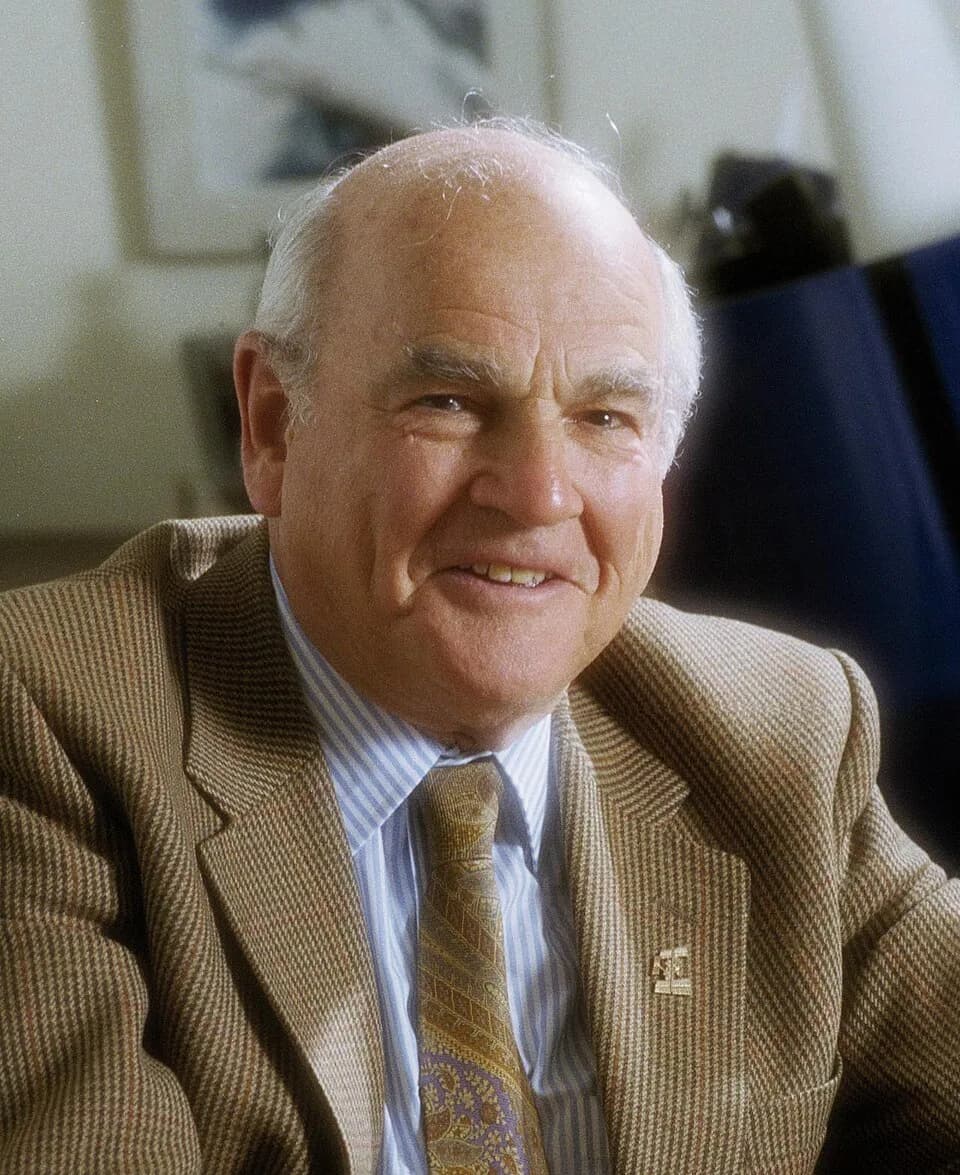
Baruch Samuel Blumberg (1925–2011) was United States best known for American physician, geneticist and Nobel prize winner.
Baruch Samuel Blumberg (July 28, 1925 – April 5, 2011) was an American physician, geneticist, and Nobel Prize winner. He was co-recipient of the 1976 Nobel Prize in Physiology or Medicine for his work on the hepatitis B virus. His research led to critical advancements in viral disease understanding and prevention.
Chapter
Life chapters
Chapter 1 · 1925· Chapter 1 of 7
Early Life and Origins
Born on July 28, 1925, in Brooklyn, United States, Baruch Samuel Blumberg began a life that would span multiple scientific disciplines. His early years in Brooklyn provided the foundation for a career marked by relentless curiosity and intellectual rigor. He would later become known for his expertise across diverse fields, including his work as an anthropologist and university teacher, alongside his primary roles in medicine and genetics.
Chapter 2· Chapter 2 of 7
Career Beginnings
Blumberg's professional journey led him to critical research environments where he began his groundbreaking work. As an investigator at the National Institutes of Health (NIH), he embarked on studies that would eventually lead to his most celebrated discovery. Later, his research continued at the Fox Chase Cancer Center, where he focused on the complexities of the hepatitis B virus.
Chapter 3 · 1976· Chapter 3 of 7
Major Achievements and Career Highlights
Baruch Samuel Blumberg's most celebrated achievement came in 1976 when he was co-awarded the Nobel Prize in Physiology or Medicine. This prestigious recognition honored his pivotal work on the hepatitis B virus, which had profound implications for global health. Beyond his scientific research, Blumberg also demonstrated significant leadership, serving as president of the American Philosophical Society from 2005 until his passing.
Chapter 4 · 2005· Chapter 4 of 7
Personal Life
While the provided details primarily focus on his professional achievements, Baruch Samuel Blumberg's commitment to intellectual discourse and scientific community was evident throughout his life. His role as president of the American Philosophical Society from 2005 until his death in 2011 highlights a deep engagement with academic leadership and the broader scientific community. This position underscores his standing not just as a researcher, but as a respected figure dedicated to the advancement of knowledge.
Chapter 5 · 2011· Chapter 5 of 7
Notable Works or Contributions
Throughout his prolific career, Baruch Samuel Blumberg authored or co-authored 366 papers, achieving an h-index of 53, reflecting the widespread influence of his research. His works covered a broad spectrum of topics, demonstrating his diverse scientific interests. Among his significant publications are "Astrobiology, space and the future age of discovery," published in 2011 and cited 22 times, and "The Curiosities of Hepatitis B Virus," which appeared posthumously in 2012.
Other important contributions include "Hepatitis B Virus and the Carrier Problem" (2020), "Comments on Scientific Process in Clinical Research" (2015), and "Hepatitis B" (2018), all published after his passing, further cementing his enduring legacy in the field. These papers highlight his continuous engagement with critical issues in virology and clinical research, even in the years following his active research period.
Chapter 6 · 2005· Chapter 6 of 7
Later Years
In his later years, Baruch Samuel Blumberg continued to serve the scientific community with distinction. From 2005 until his death, he held the esteemed position of president of the American Philosophical Society. He passed away on April 5, 2011, in Mountain View, United States, leaving behind a profound legacy of scientific discovery and leadership.
Chapter 7· Chapter 7 of 7
Legacy and Impact
Baruch Samuel Blumberg's work on the hepatitis B virus stands as a monumental achievement, directly contributing to the development of diagnostic tests and a vaccine for the disease. His identification of the virus transformed public health strategies worldwide, saving countless lives from liver disease and cancer. His interdisciplinary approach, encompassing his roles as a physician, geneticist, biochemist, and virologist, illustrates the breadth of his intellect.
His contributions continue to resonate in the fields of medicine and genetics, influencing generations of scientists and healthcare professionals. The impact of his Nobel Prize-winning research remains a cornerstone in the fight against viral hepatitis. Blumberg's life exemplifies the dedication required to unravel complex biological mysteries and translate scientific insights into tangible health benefits for humanity.
A life in moments
The moments that shaped a life
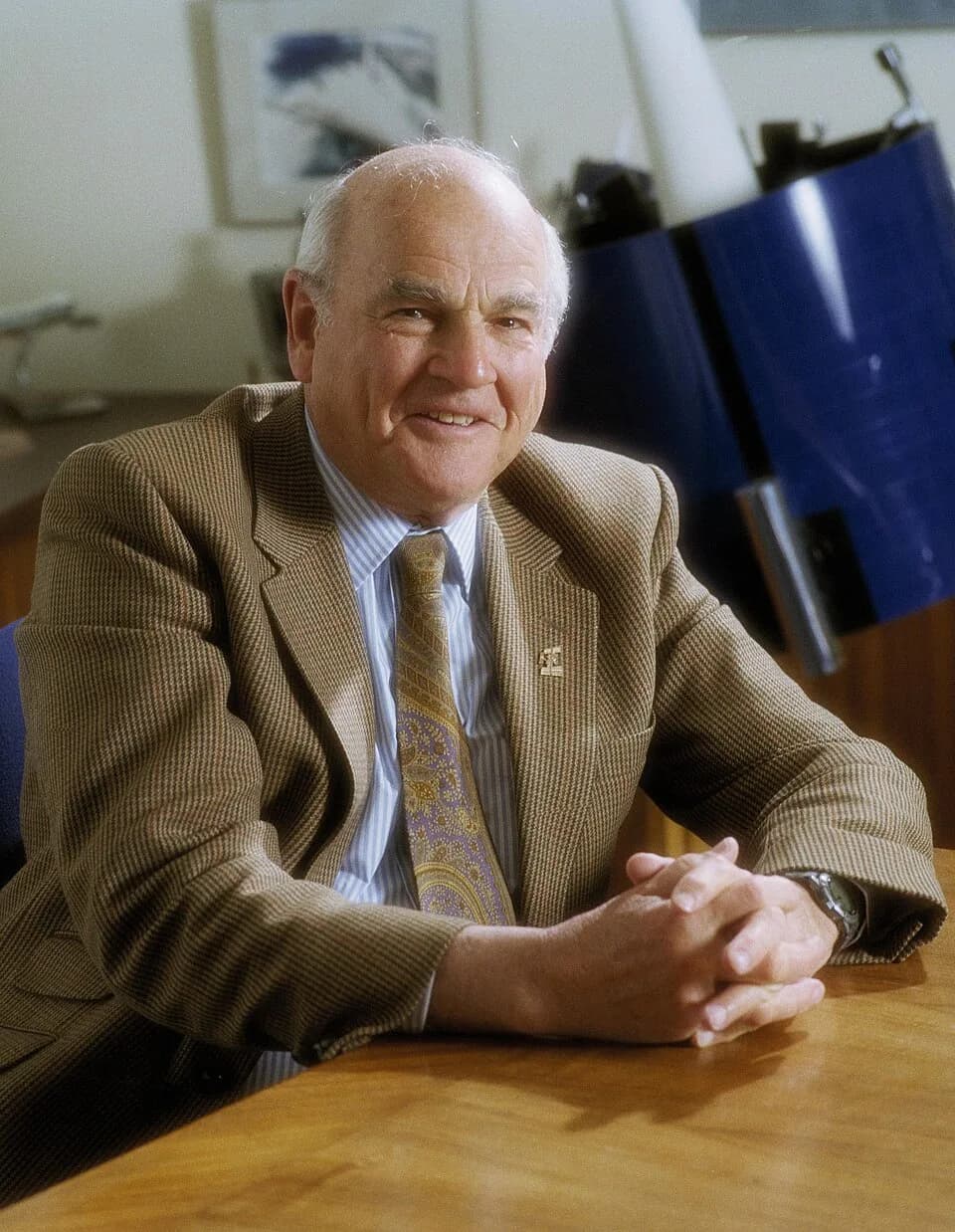


FAQ
Frequently asked
When did Baruch Samuel Blumberg die?
Baruch Samuel Blumberg died on April 5, 2011 in Mountain View, United States, at the age of 85.
Where was Baruch Samuel Blumberg born?
Baruch Samuel Blumberg was born in Brooklyn, United States on July 28, 1925.
What is Baruch Samuel Blumberg best known for?
Baruch Samuel Blumberg is best known for American physician, geneticist and Nobel prize winner.
How old was Baruch Samuel Blumberg when they died?
Baruch Samuel Blumberg was 85 years old at the time of death.
What nationality was Baruch Samuel Blumberg?
Baruch Samuel Blumberg was from United States.
Timeline
Life at a glance
Photo gallery
A life in pictures
Click any polaroid to expand · 17 photos
QR Code
Share This Biography
Print & Share
Scan to visit this biography page. Print for events, exhibitions, or educational materials.