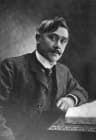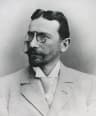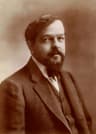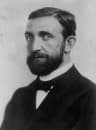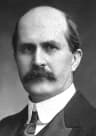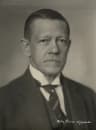
Born
May 15, 1862
Vienna, Austria
Died
October 21, 1931
Vienna, Austria
Known for
Austrian writer
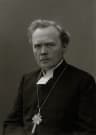
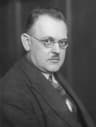
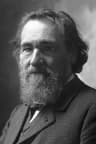
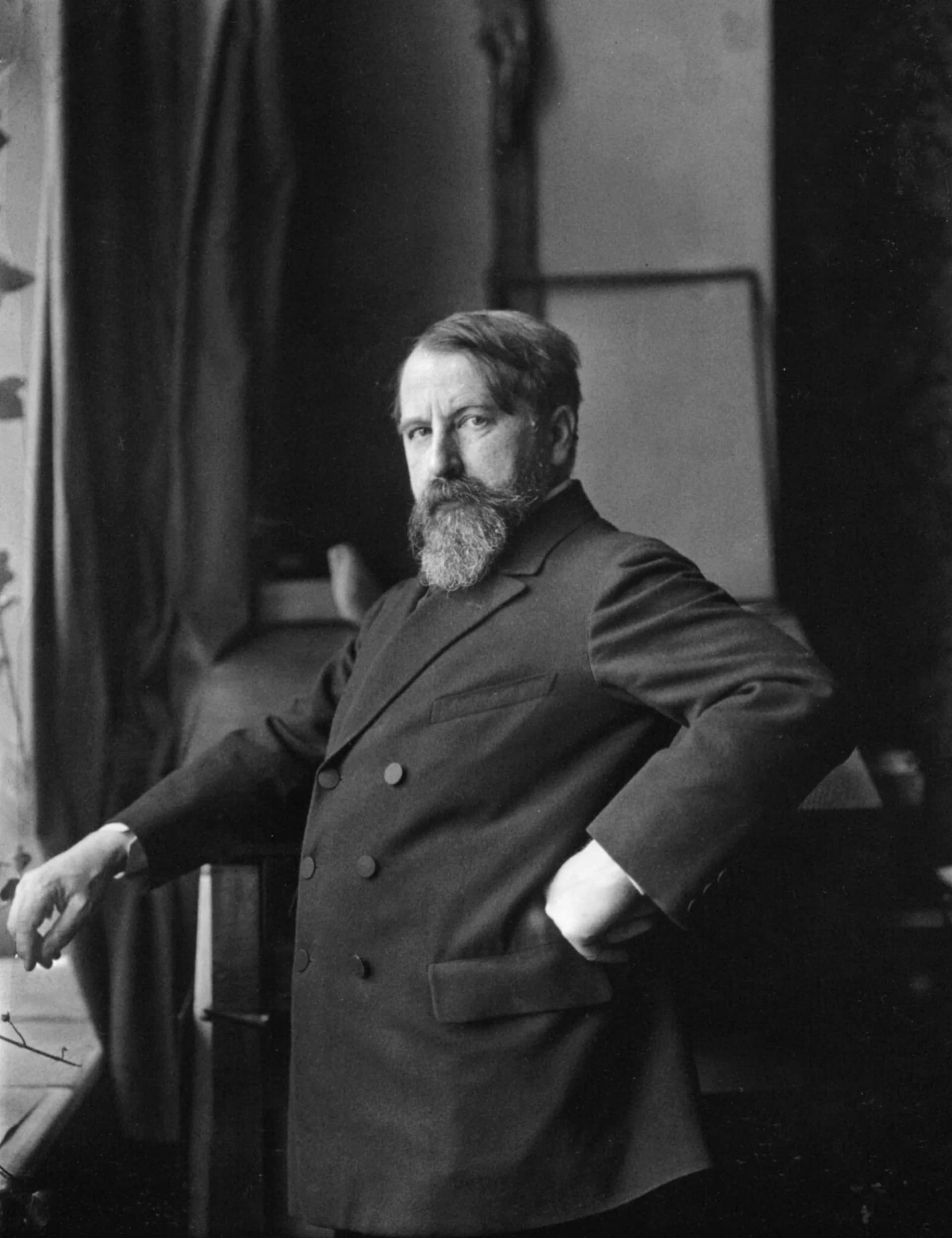
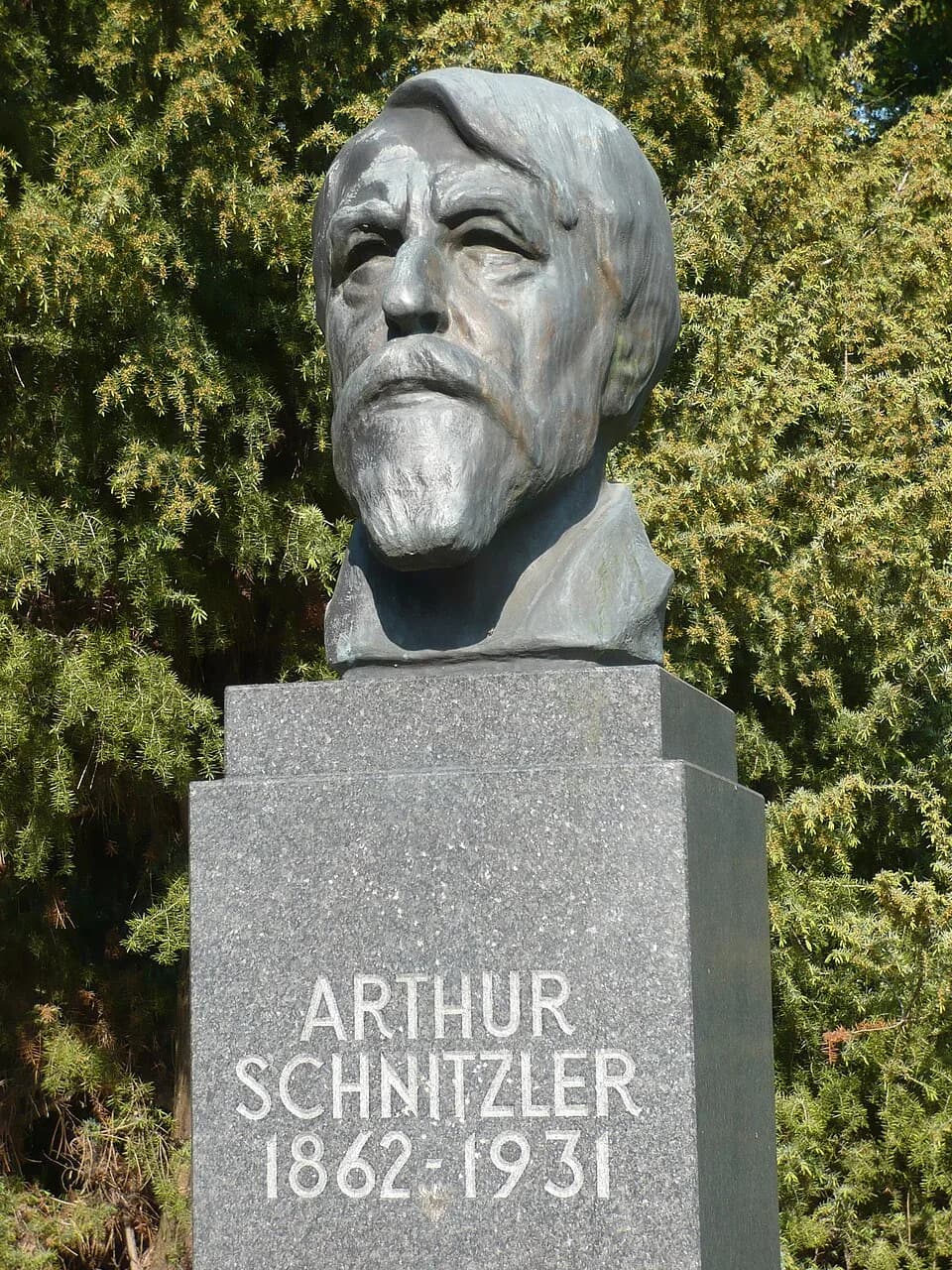
Arthur Schnitzler (1862–1931) was Austria best known for Austrian writer.
Arthur Schnitzler (May 15, 1862 – October 21, 1931) was an influential Austrian writer and dramatist. He meticulously chronicled turn-of-the-century Viennese bourgeois life, exploring psychological themes in his works. His unique style and often controversial content made him a significant voice in Viennese Modernism.
Chapter
Life chapters
Chapter 1 · 1862· Chapter 1 of 8
Arthur Schnitzler: A Literary Luminary
Arthur Schnitzler (May 15, 1862 – October 21, 1931) was a distinguished Austrian writer and dramatist, whose works offered profound psychological insights into turn-of-the-century Viennese bourgeois life. He stands as a significant figure of Viennese Modernism, leaving an indelible mark on literature and the performing arts. Schnitzler's multifaceted career spanned roles as a novelist, playwright, prose writer, and screenwriter, demonstrating his wide-ranging creative talent.
Chapter 2 · 1862· Chapter 2 of 8
Early Life and Origins
Arthur Schnitzler was born on May 15, 1862, in Vienna, Austria, a city that would become central to his literary canvas. His early years were shaped by a Jewish upbringing within this culturally rich capital. This environment provided him with a keen observation point for the bourgeois society he would later dissect in his writings.
Schnitzler pursued a medical career, becoming a physician and later specializing as a psychiatrist. This background profoundly influenced his approach to writing, equipping him with a deep understanding of the human psyche. His medical insights allowed him to craft psychological dramas and narratives with remarkable precision.
Chapter 3· Chapter 3 of 8
Career Beginnings
Initially practicing as a physician and psychiatrist, Arthur Schnitzler gradually transitioned into a prolific writing career. His scientific training provided a unique lens through which he began to examine human behavior and societal conventions. This early period saw the foundation of his distinctive literary voice, blending medical observation with narrative skill.
Vienna around 1900 offered a rich subject for his nascent literary endeavors. He became known for exploring the complexities of bourgeois life through psychological dramas. These initial forays established him as a keen observer and a stylistically conscious chronicler of his era.
Chapter 4· Chapter 4 of 8
Major Achievements and Career Highlights
Arthur Schnitzler achieved widespread recognition as a leading figure of Viennese Modernism. His literary output consistently explored the intricate psychological undercurrents of turn-of-the-century Viennese bourgeois society. He masterfully used his narratives to reveal the hidden desires and societal pressures of his time.
His distinctive style and sharp observations cemented his reputation as a significant dramatist and author. Schnitzler's willingness to address taboo subjects, including the sexual content of his works, often made them controversial. Despite facing bans in his time and beyond, his unflinching portrayal of reality resonated with many readers.
Chapter 5· Chapter 5 of 8
Personal Life
Arthur Schnitzler’s personal background included a Jewish upbringing, which played a role in the reception of his works during his lifetime. While specific details of his private family life and relationships are not extensively provided in available biographical summaries, his Vienna roots clearly influenced his perspective. His dedication to his craft as a writer, playwright, and physician formed the central pillars of his existence.
Chapter 6· Chapter 6 of 8
Notable Works or Contributions
Arthur Schnitzler's extensive bibliography includes many works that remain influential today. Among his acclaimed plays is "Zwischenspiel," alongside the impactful novella "Leutnant Gustl." These pieces showcased his ability to delve into character psychology and societal critique.
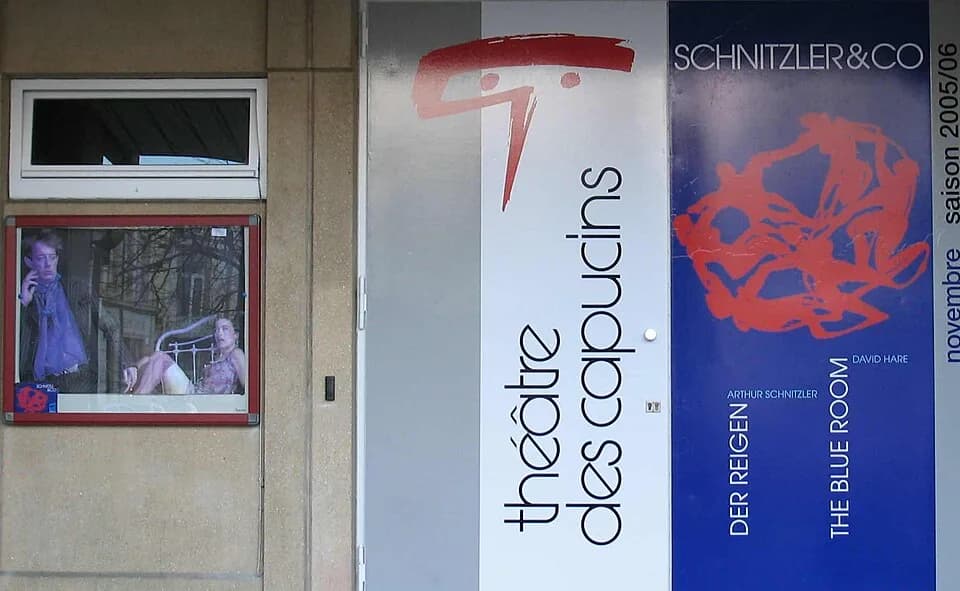
"Hands around (Reigen)," also known as "La Ronde," became particularly famous, though controversial due to its frank depiction of sexual encounters. Other significant contributions include "Fräulein Else" and "Der Ruf des Lebens," which further explored themes of identity and morality. His versatile talent also extended to "Die Frau des Weisen," "Lebendige Stunden," and his work as a screenwriter.
Chapter 7· Chapter 7 of 8
Later Years
Arthur Schnitzler continued his prolific writing career into his later years, remaining an active voice in Austrian literature. His commitment to portraying the complexities of human nature persisted, even as his earlier controversial works continued to spark debate. He maintained his residence in Vienna, the city that had inspired so much of his literary output.
Arthur Schnitzler passed away in his beloved hometown of Vienna, Austria, on October 21, 1931. His passing marked the end of an era for Viennese Modernism, leaving behind a rich collection of works that would continue to challenge and resonate with audiences. He devoted his entire life to the literary arts and medical profession.
Chapter 8· Chapter 8 of 8
Legacy and Impact
Arthur Schnitzler's legacy endures as a master of psychological insight and a keen social observer. He irrevocably shaped Viennese Modernism by bringing a unique blend of medical understanding and literary artistry to his narratives. His works continue to be studied for their depth and their depiction of a specific historical and cultural moment.
His courage to address controversial topics, from Jewish identity to sexual themes, ensures his continued relevance in contemporary discussions. Schnitzler's unique voice as a novelist, playwright, and screenwriter firmly established him as a lasting figure in world literature. He captured the spirit of an era with precision and artistic integrity.
A life in moments
The moments that shaped a life
FAQ
Frequently asked
When did Arthur Schnitzler die?
Arthur Schnitzler died on October 21, 1931 in Vienna, Austria, at the age of 69.
Where was Arthur Schnitzler born?
Arthur Schnitzler was born in Vienna, Austria on May 15, 1862.
What is Arthur Schnitzler best known for?
Arthur Schnitzler is best known for Austrian writer.
How old was Arthur Schnitzler when they died?
Arthur Schnitzler was 69 years old at the time of death.
What nationality was Arthur Schnitzler?
Arthur Schnitzler was from Austria.
Timeline
Life at a glance
Photo gallery
A life in pictures
Click any polaroid to expand · 49 photos
QR Code
Share This Biography
Print & Share
Scan to visit this biography page. Print for events, exhibitions, or educational materials.