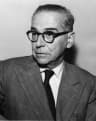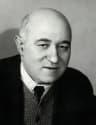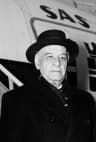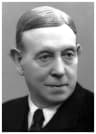
وُلد
March 10, 1892
Le Havre, France
تُوفّي
November 27, 1955
Paris, France
مشهور بـ
Swiss composer
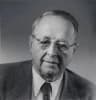
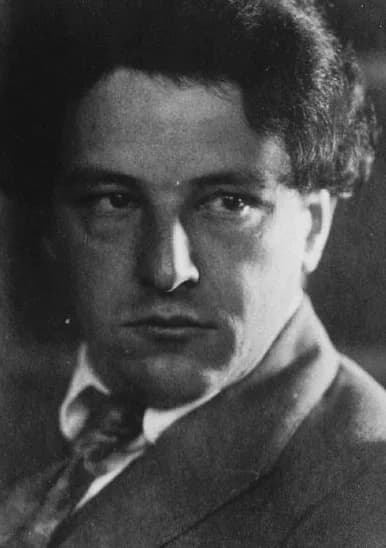
Arthur Honegger (1892–1955) was France best known for Swiss composer.
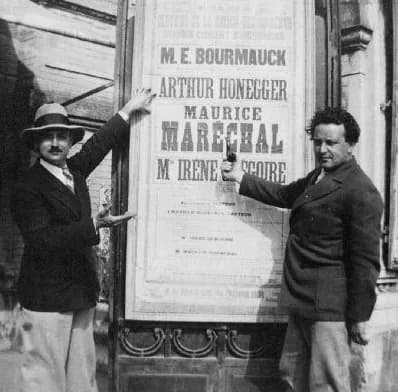
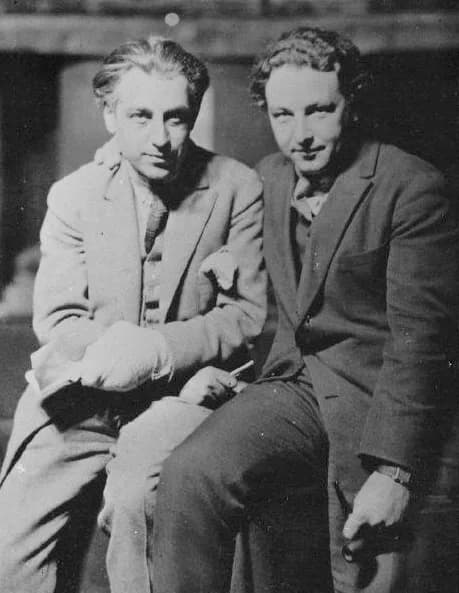
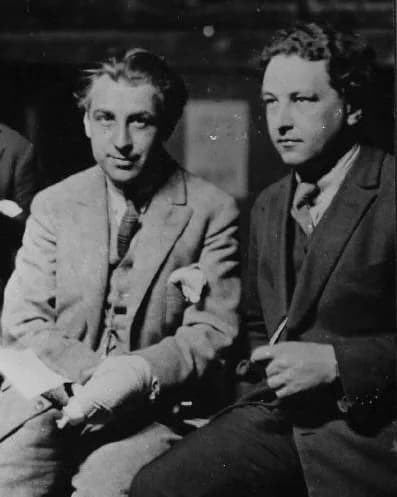
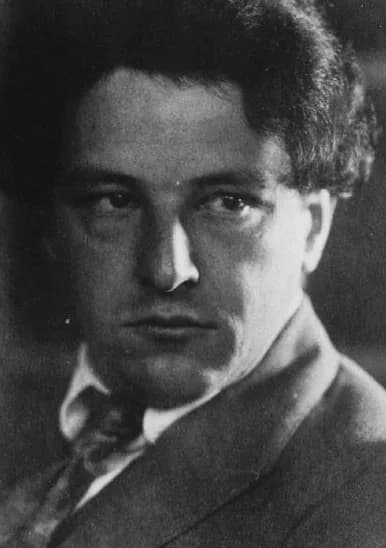
Arthur Honegger (March 10, 1892 – November 27, 1955) was a Swiss composer, film score composer, and music educator. A prominent member of Les Six, he is widely recognized for his universally popular work, Jeanne d'Arc au bûcher. His innovative compositions shaped modern classical music, leaving a lasting influence on the genre.
الفصل
فصول الحياة
الفصل 1 · 1892· الفصل 1 من 5
Early Life and Foundations
Oscar-Arthur Honegger was born in Le Havre, France, on March 10, 1892. While his birthplace was in France, he proudly maintained his Swiss heritage throughout his life, becoming known as a leading Swiss composer. He spent a significant portion of his years residing in Paris, France, a city that became central to his artistic development and professional career.
His upbringing and early musical education in France undoubtedly shaped his unique voice, blending the precision of French musical traditions with a broader European outlook. This bicultural background provided a fertile ground for the cosmopolitan perspective evident in his later compositions.
الفصل 2· الفصل 2 من 5
Formative Years and Les Six
Honegger’s musical journey led him to become a key member of Les Six, a renowned group of young French composers active in the early 20th century. This collective sought to break away from the perceived excesses of Romanticism and Impressionism, advocating for a new simplicity and clarity in music. His involvement with Les Six firmly positioned him at the forefront of musical modernism, influencing his compositional style.
As a classical composer, he contributed significantly to the evolving sound of the era, exploring new harmonic and rhythmic possibilities. His early works often displayed a robust, energetic quality, distinguishing him from his peers while still aligning with the group's collective spirit.
الفصل 3· الفصل 3 من 5
A Prolific Career: Symphonies and Oratorios
Throughout his career, Arthur Honegger demonstrated remarkable versatility as a composer, engaging with various musical forms and genres. Beyond classical composition, he also excelled as a film score composer, contributing to the nascent art of cinematic music. His broad expertise further extended to musicology and music education, enriching his understanding and dissemination of music.
Among his most celebrated works is the powerful oratorio "Jeanne d'Arc au bûcher." Musicologist Halbreich notably considered this piece to be "more even than Le Roi David or Pacific 231, his most universally popular work," underscoring its widespread appeal and artistic merit. This work exemplified his ability to craft narratives through complex and evocative musical structures.
Another iconic composition, "Pacific 231," is a symphonic movement renowned for its programmatic depiction of a steam locomotive, showcasing his innovative use of orchestral texture and rhythm. His symphonic output also includes critically acclaimed pieces such as "Symphonie n° 3" and "Symphonie no. 5 “Di tre re”," which remain integral parts of the classical repertoire and are frequently performed and recorded worldwide.
الفصل 4 · 1954· الفصل 4 من 5
Notable Discography and Artistic Range
Honegger's notable discography reflects the breadth and depth of his artistic contributions to modern classical music. Key recordings include "Une Cantate de Noël / Symphonie n° 3" (1954), illustrating his skill in both choral and orchestral forms. Another significant album, "Shostakovich: Symphony No. 6 / Honegger: Symphony No. 3 'Liturgique'," highlights his ability to stand alongside other giants of 20th-century music.
His innovative works, such as "Ravel: Boléro / La Valse / Honegger: Pacific 231 / Dukas: L’Apprenti sorcier" (1964), often appear alongside pieces by other groundbreaking composers. Later compilations, including "Honegger: 5 Symphonies" (1976) and "Les Quatuors à cordes" (1984), further attest to the substantial and enduring nature of his compositional legacy. These recordings allow contemporary audiences to experience the full scope of his genius.
الفصل 5 · 1955· الفصل 5 من 5
Enduring Legacy in Modern Music
Arthur Honegger passed away in Paris, France, on November 27, 1955, leaving behind a rich musical heritage. His extensive contributions to classical and modern classical music cemented his place in the history of 20th-century composition. His unique musical voice, characterized by its dynamism and emotional depth, continues to resonate with audiences and musicians globally.
Honegger's legacy as a Swiss composer, born in France and living predominantly in Paris, is profound and lasting. He is remembered not only as a key member of Les Six but also as a composer whose diverse output, including classical and modern classical pieces, inspired subsequent generations. His innovative approach to orchestration and thematic development ensures his works remain vital and frequently performed in concert halls around the world.
حياة في لحظات
اللحظات التي شكّلت حياة

الأسئلة الشائعة
أسئلة متكررة
متى توفي Arthur Honegger?
توفي Arthur Honegger في 27 نوفمبر 1955 في Paris, France عن عمر يناهز 63 عامًا.
أين وُلد Arthur Honegger?
وُلد Arthur Honegger في Le Havre, France في 10 مارس 1892.
بماذا اشتهر Arthur Honegger?
اشتهر Arthur Honegger بـ Swiss composer.
كم كان عمر Arthur Honegger عند وفاته?
كان عمر Arthur Honegger 63 عامًا عند وفاته.
ما جنسية Arthur Honegger?
كان Arthur Honegger من France.
الخط الزمني
الحياة في لمحة
معرض الصور
حياة في صور
انقر على أي صورة بولارويد لتكبيرها · 24 صورة
رمز الاستجابة السريعة
شارك هذه السيرة
اطبع وشارك
امسح ضوئيًا لزيارة هذه السيرة. اطبعها للفعاليات أو المعارض أو المواد التعليمية.