السيرة الذاتية · Yugoslav revolutionary and statesman (1892−1980)

6 min read · 1,251 words

Josip Broz Tito

1892 · 1980

سنوات الحياة
87
الصور
45
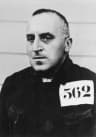
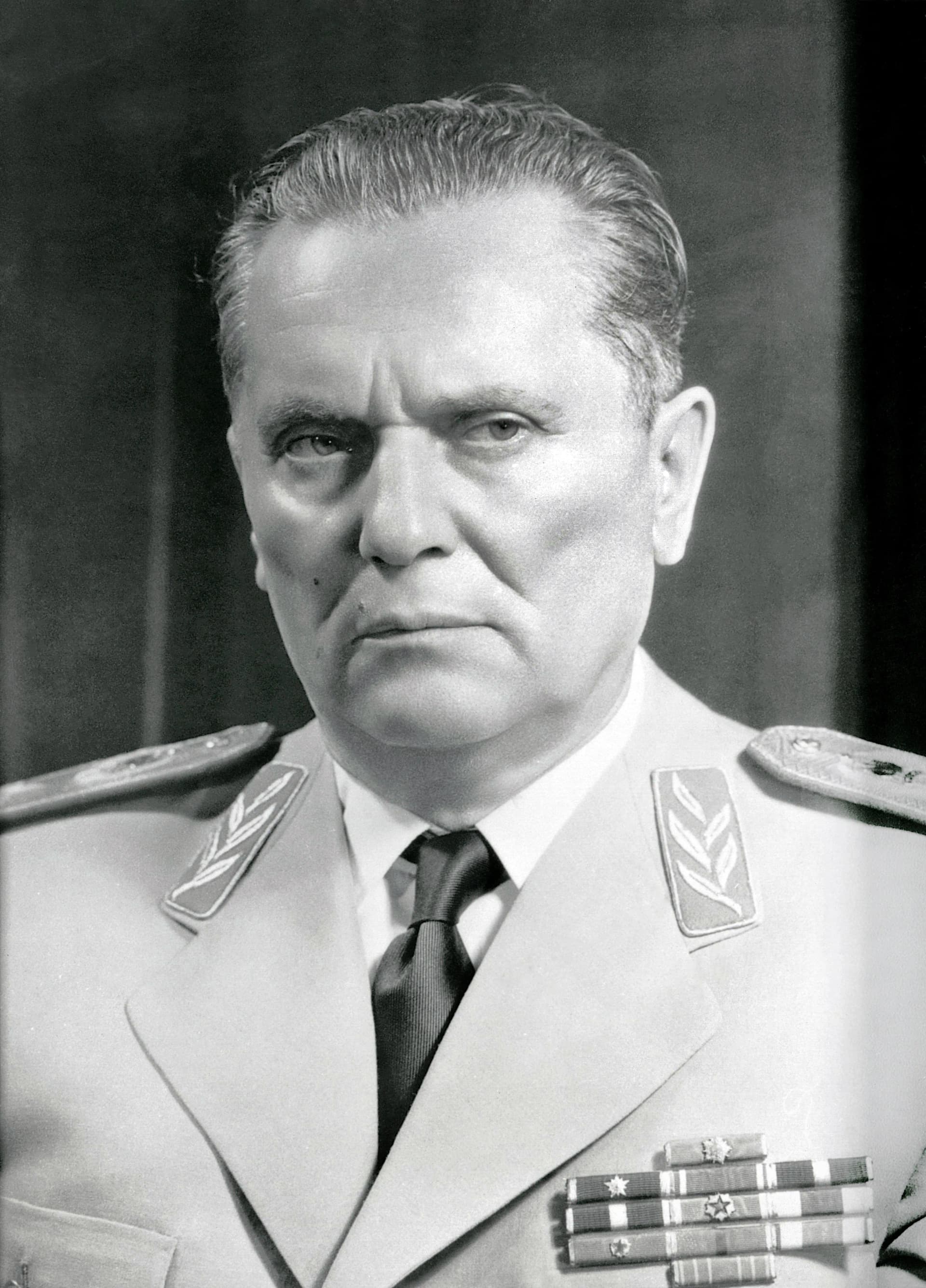
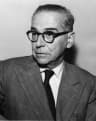
Josip Broz Tito portrait

وُلد

May 7, 1892

Kumrovec, Croatia

تُوفّي

May 4, 1980

Ljubljana, Slovenia

مشهور بـ

Yugoslav revolutionary and statesman (1892−1980)

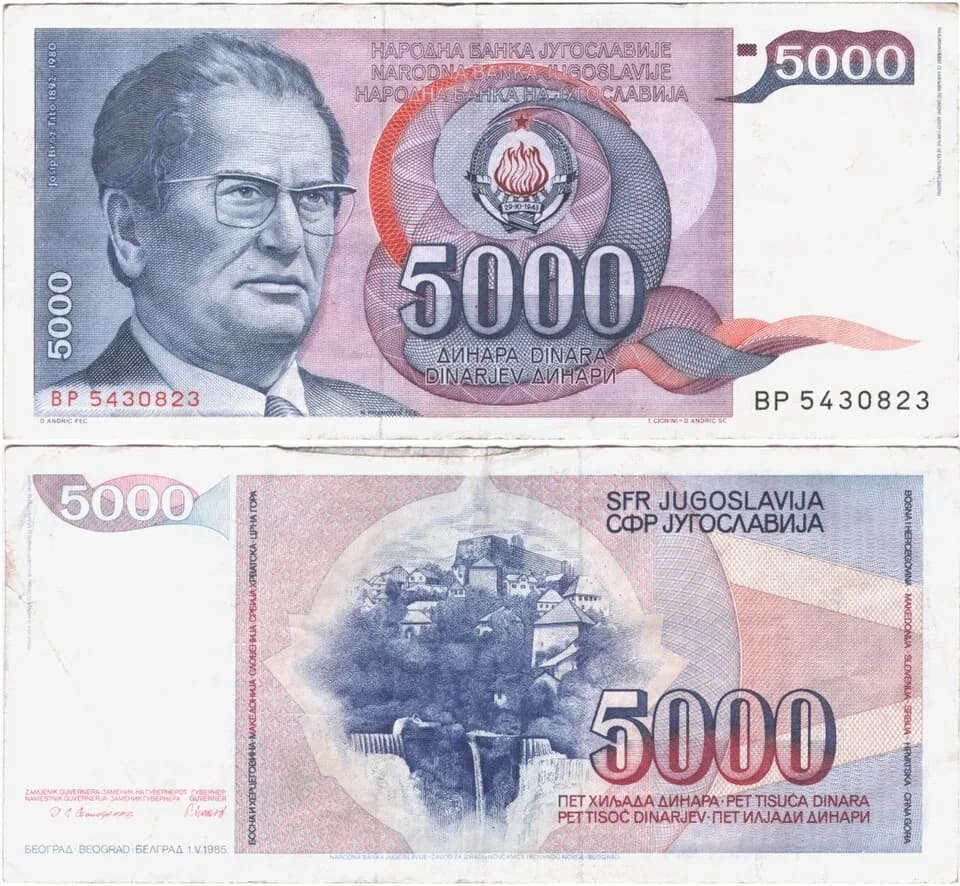
Josip Broz Tito (May 7, 1892 – May 4, 1980) was a Yugoslav revolutionary and statesman from Kumrovec, Croatia. He led Yugoslavia as prime minister and president for decades, famously co-founding the Non-Aligned Movement. His ideology, Titoism, offered a unique path in 20th-century global politics.

حياة في لحظات

اللحظات التي شكّلت حياة
مكتوبة بـ English

الفصل

فصول الحياة

الفصل 1 · 1892· الفصل 1 من 7

Early Life and Origins

Born Josip Broz in the small village of Kumrovec, located in present-day Croatia, on May 7, 1892, his formative years were spent amidst the realities of a changing Central Europe. His early experiences, though not extensively detailed in the provided information, undoubtedly instilled in him a deep understanding of the working class and the societal pressures of the era, which later influenced his political awakening. This foundational period in his birth country of Croatia provided the essential backdrop for the extraordinary path he would later forge as a revolutionary and national leader.

While specific details about his family and upbringing are not extensively provided, his early life was characterized by practical education and skill acquisition. He diligently developed skills that would serve him throughout his life, becoming proficient as a machinist and a locksmith, demonstrating an early aptitude for hands-on work and precision. These professions offered him a tangible connection to industry and labor, experiences that profoundly informed his later political convictions and distinguished leadership style.

الفصل 2· الفصل 2 من 7

Career Beginnings

Josip Broz Tito embarked on his professional journey as a skilled machinist and locksmith, trades that equipped him with a meticulous approach and a profound understanding of mechanical processes and industrial organization. Beyond these practical skills, he also distinguished himself as an Esperantist, demonstrating an early and unique commitment to international communication and cross-cultural understanding. This particular interest speaks to a broader worldview that extended beyond national borders, even in his formative years, hinting at his future international diplomatic endeavors.

His early professional life as a tradesperson gradually transitioned into a more active and committed role as a revolutionary, reflecting a growing engagement with the intense political currents of his time. The skills honed as a machinist, combined with the international perspective gained as an Esperantist, significantly contributed to his development as an astute political organizer and resistance fighter. It was through these early and diverse experiences that he began to cultivate the exceptional leadership qualities that would eventually lead him to the forefront of the Yugoslav communist movement and national governance.

الفصل 3 · 1943· الفصل 3 من 7

Major Achievements and Career Highlights

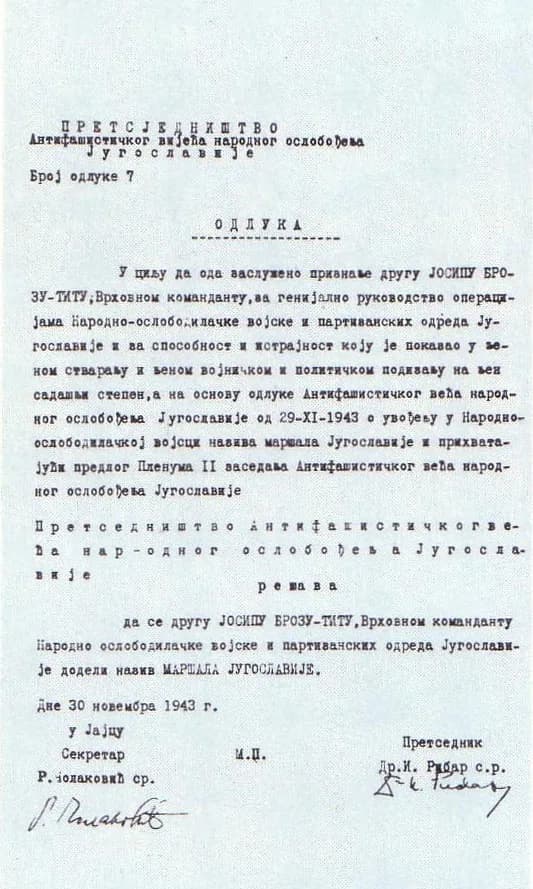
Josip Broz Tito's political career saw him rise to supreme national leadership, serving initially as prime minister of Yugoslavia from 1943 to 1963, a critical period of intense post-war reconstruction and national consolidation. His leadership continued seamlessly as president from 1953 until his death in 1980, making him one of the longest-serving and most influential heads of state in the entire 20th century. During the tumultuous years of World War II, he garnered immense international recognition as the supreme commander of the formidable Yugoslav Partisans, leading a highly effective and successful resistance movement against the brutal Axis occupation.

Beyond his significant national roles, Tito emerged as a towering figure on the international stage, famously co-founding the Non-Aligned Movement, an organization of immense global consequence. This significant initiative provided a crucial third path for newly independent nations during the intense ideological divisions of the Cold War, enabling them to assert their sovereignty and pursue their interests independent of the major power blocs. His long tenure as the dedicated leader of the League of Communists of Yugoslavia further solidified his unparalleled influence, guiding the country's distinct socialist development and shaping its unique political ideology, which became famously known as Titoism.

الفصل 4· الفصل 4 من 7

Personal Life

While the provided information does not extensively detail Josip Broz Tito's immediate family or intimate relationships, his public persona and profound political actions were deeply intertwined with his identity as a committed revolutionary and a dedicated statesman. His unwavering commitment to the cause of a united Yugoslavia and the principles of the Non-Aligned Movement became an overwhelmingly defining characteristic of his entire life. The absence of specific familial details in this overview highlights his primary identification with his consequential public roles and indelible achievements on both national and international levels.

His particular interest in Esperanto, notably being an Esperantist, reveals a personal intellectual curiosity that remarkably extended beyond the immediate political and demanding military spheres of his life. This unique hobby showcases a distinct facet of his personality that was openly receptive to global connectivity and the inherent value of linguistic diversity. It strongly suggests a thoughtful and forward-thinking individual who genuinely appreciated universal communication, even amidst the incredibly complex geopolitical challenges and diplomatic intricacies he navigated throughout his lengthy career.

الفصل 5· الفصل 5 من 7

Notable Works or Contributions

One of Josip Broz Tito's most significant and enduring contributions to political thought and practice is the comprehensive political ideology and associated policies famously known as Titoism. This distinct form of socialism, meticulously developed and implemented under his leadership, allowed Yugoslavia to bravely pursue an independent course from the powerful Soviet Union, thereby fundamentally challenging the rigid bipolar dynamics of the Cold War. Titoism represented a unique and innovative blend of workers' self-management and active non-alignment, profoundly shaping Yugoslavia's internal policies and its proactive international stance.

Furthermore, his truly instrumental role in the establishment and sustained development of the Non-Aligned Movement stands as a monumental diplomatic achievement of the 20th century. This movement, masterfully co-founded by Tito, provided a powerful and collective voice for developing nations across the globe and assertively championed their independence from the Cold War's entrenched ideological divisions. It remains a testament to his expansive vision of a multipolar world and his unwavering dedication to international peace and cooperation, continuing to significantly influence contemporary global diplomacy and international relations.

الفصل 6 · 1980· الفصل 6 من 7

Later Years

Josip Broz Tito diligently maintained his active and authoritative leadership as president of Yugoslavia until his passing on May 4, 1980, just days before his 88th birthday. His final years were intensely dedicated to preserving the delicate internal unity and cohesion of Yugoslavia and upholding the fundamental principles of the Non-Aligned Movement on the international stage. He remained a central and commanding figure, tirelessly working to navigate the complexities of Cold War politics while steadfastly ensuring his nation's distinct and independent path.

His peaceful passing in Ljubljana, Slovenia, marked the definitive end of an era for Yugoslavia, leaving behind a profound political and social legacy that continues to be analyzed and debated. The global community collectively mourned the loss of a statesman who had commanded widespread respect from both the Eastern and Western blocs, a truly unique feat during the Cold War. His final years firmly cemented his image as a powerful leader who consistently advocated for national sovereignty, self-determination, and robust international cooperation.

الفصل 7· الفصل 7 من 7

Legacy and Impact

Josip Broz Tito's legacy is deeply etched in the annals of 20th-century history, particularly concerning the successful formation and enduring development of modern Yugoslavia as a cohesive federal state. He is widely remembered as a charismatic, formidable, and unifying revolutionary and statesman who successfully united a diverse federation of peoples and led it through immense post-war challenges and ideological pressures. His exceptional leadership during World War II as the supreme commander of the Yugoslav Partisans is celebrated as a testament to his military prowess, strategic genius, and unwavering determination against overwhelming odds.

Internationally, his most enduring impact stems from his instrumental and visionary role in establishing the Non-Aligned Movement, an influential organization that continues to shape global discourse on independence, multilateralism, and sovereign equality. The intricate concept of Titoism, his distinct political ideology and practical approach to socialism, further distinguishes his multifaceted contributions, offering a truly unique model of socialist governance that inspired and resonated with many nations. His life's work continues to be studied for its invaluable insights into national identity, international diplomacy, and the complex challenges of post-war nation-building and maintaining unity amidst diversity.

الخط الزمني

الحياة في لمحة

  1. 1892

    Early Life and Origins

  2. 1943

    Major Achievements and Career Highlights

  3. 1980

    Later Years

معرض الصور

حياة في صور

انقر على أي صورة بولارويد لتكبيرها · 42 صورة

رمز الاستجابة السريعة

شارك هذه السيرة

اطبع وشارك

امسح ضوئيًا لزيارة هذه السيرة. اطبعها للفعاليات أو المعارض أو المواد التعليمية.
من كان Josip Broz Tito؟ (1892-1980) | WhoWasThisGuy.com