Sinh
June 5, 1878
San Juan del Río del Centauro del Norte, Mexico
Mất
July 20, 1923
Hidalgo del Parral, Mexico
Được biết đến với
Mexican revolutionary
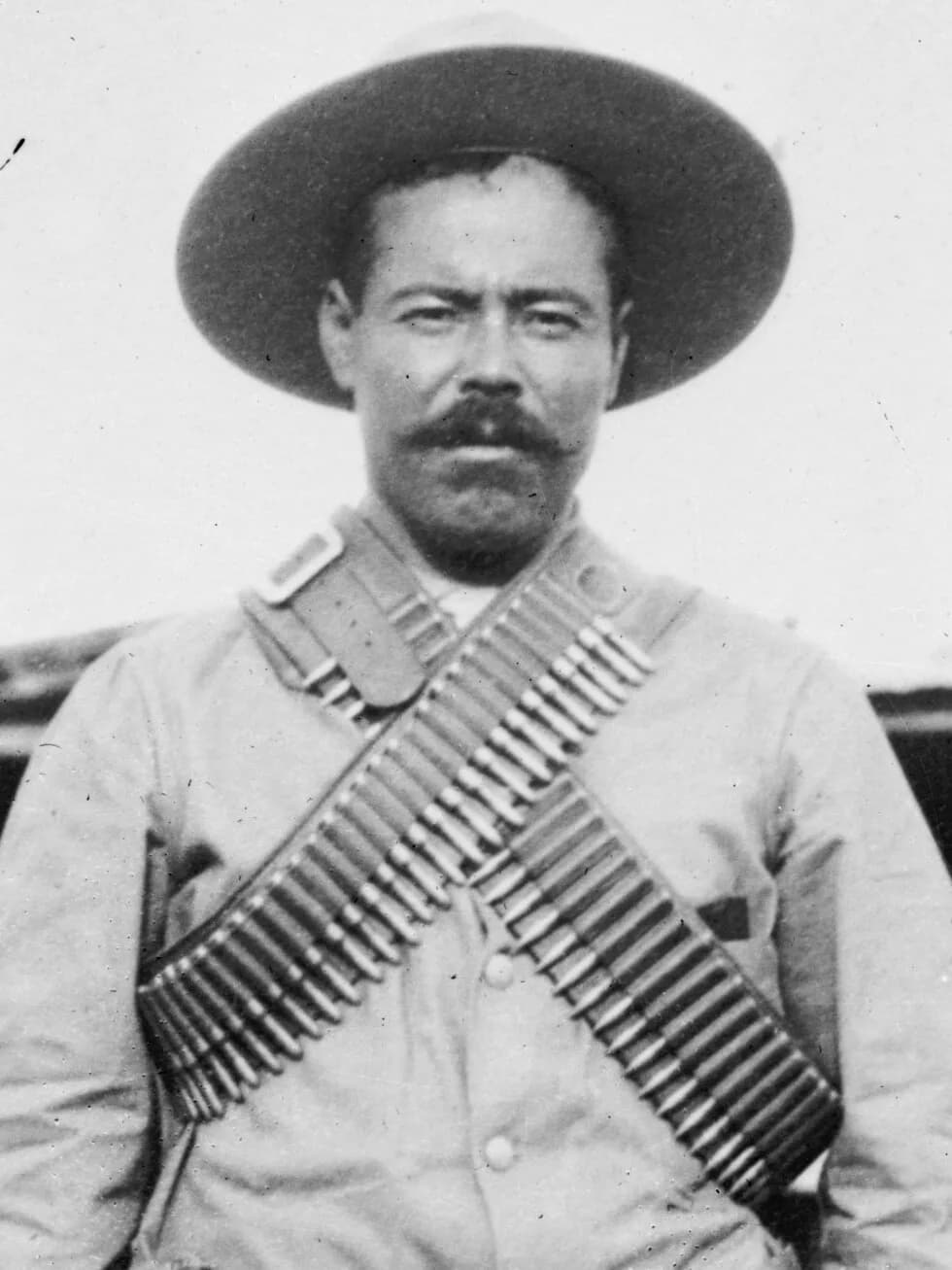
Pancho Villa (1878–1923) was Mexico best known for Mexican revolutionary.
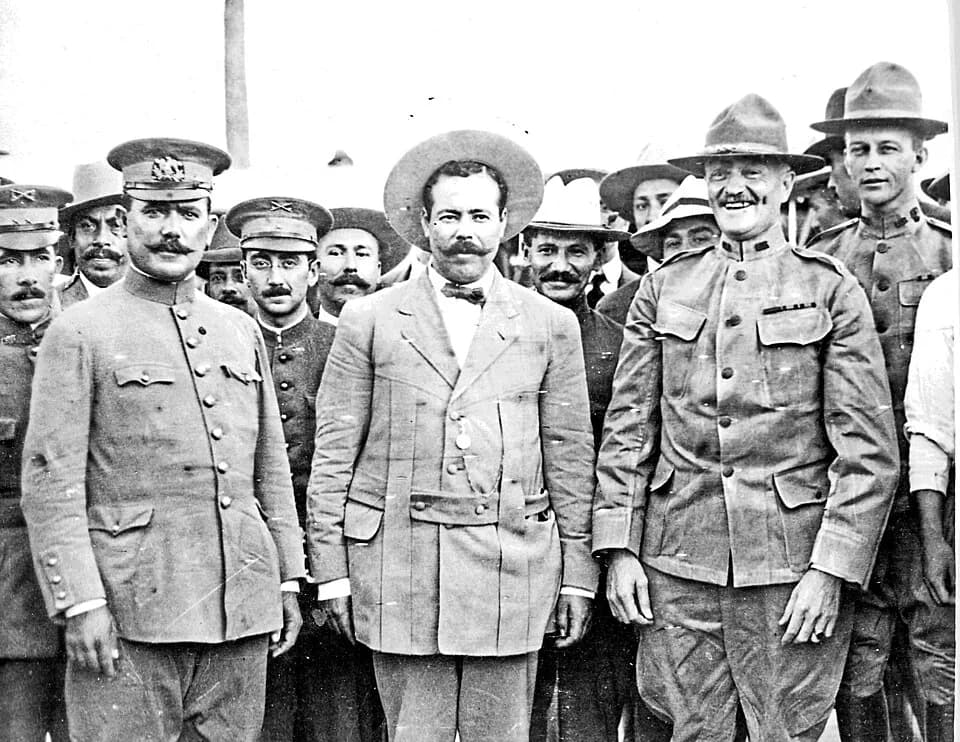
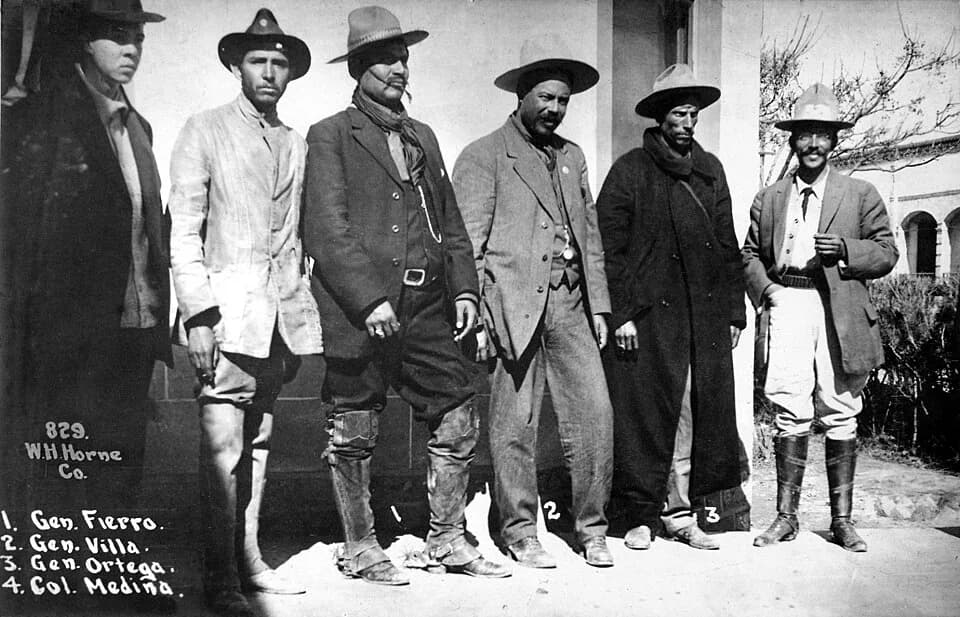
Francisco "Pancho" Villa (June 5, 1878 – July 20, 1923) was a Mexican revolutionary, guerrilla leader, and politician. He was a key figure in the Mexican Revolution, instrumental in ousting dictator Porfirio Díaz and bringing Francisco I. Madero to power. Villa's legacy reflects his fight for social justice and land reform, profoundly shaping modern Mexico.
Chương
Các chương cuộc đời
Chương 1· Chương 1 trên 6
Early Life and Origins
Pancho Villa's early years in San Juan del Río del Centauro del Norte, Mexico, were undoubtedly marked by the harsh realities of rural life under the long-standing dictatorship of Porfirio Díaz. While specific details of his family and formal education remain less documented, his experiences as a young man undoubtedly instilled in him a deep awareness of social injustices and economic disparities. This direct observation of hardship and oppression likely forged his determination to challenge the established order that benefited only a select few.
His humble beginnings contrasted sharply with the elite power structures he would later confront, making him a relatable figure for many of Mexico's disenfranchised rural populations. The environment in which he grew up was ripe for rebellion, with widespread discontent brewing beneath the surface of the Díaz regime's authoritarian rule. These formative experiences undoubtedly contributed to his development as a formidable and charismatic leader, deeply attuned to the pulse of the Mexican people.
Chương 2· Chương 2 trên 6
Career Beginnings
Villa's journey into revolutionary activity began as the simmering frustrations across Mexico ignited into open conflict against the entrenched presidency of Porfirio Díaz. Initially operating as a partisan and guerrilla leader, he quickly garnered a reputation for daring tactics and an unwavering commitment to the revolutionary cause. These early actions were crucial in disrupting the Díaz government's control and demonstrating that resistance was possible, inspiring many to join the burgeoning movement.
His leadership skills and ability to mobilize local populations allowed him to build a formidable fighting force, marking him as a rising star within the diverse factions of the Mexican Revolution. The experience gained in these initial campaigns proved invaluable, honing his military strategies and solidifying his standing among revolutionary generals. It was through these early successes that he began to solidify his position as a central figure in the fight for Mexico's future.
Chương 3· Chương 3 trên 6
Major Achievements and Career Highlights
Pancho Villa played an absolutely central role in the Mexican Revolution, specifically in the initial phase that led to the downfall of President and dictator Porfirio Díaz. His military campaigns and strategic victories were instrumental in breaking the long-standing grip of the Porfiriato, a period of authoritarian rule that had dominated Mexico for decades. Villa's actions directly contributed to the widespread collapse of the old regime, paving the way for a new political era.
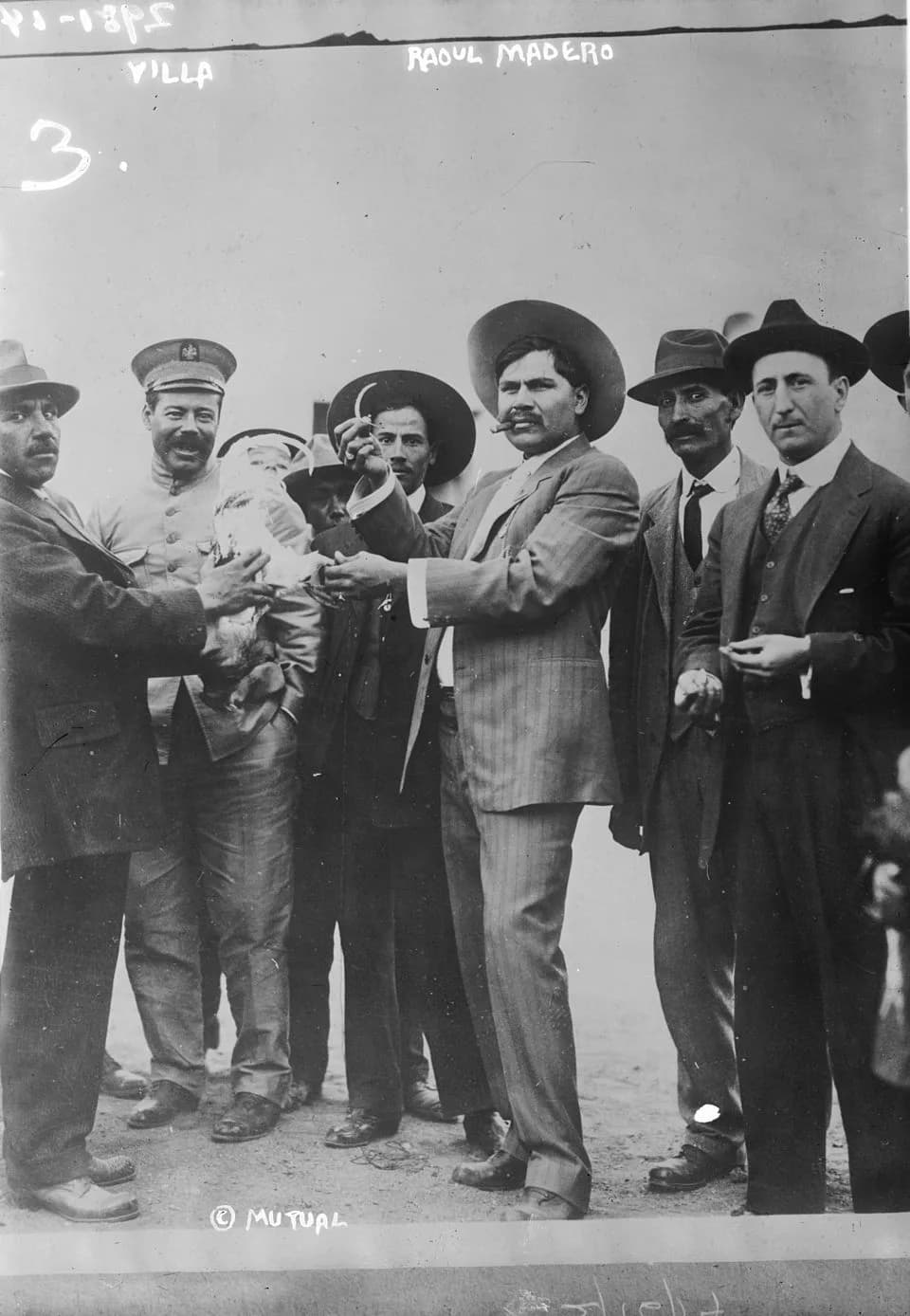
Following the successful ousting of Díaz, Villa was critical in bringing Francisco I. Madero to power in 1911, marking a significant transition in Mexican leadership. However, when Madero was himself overthrown by a coup led by General Victoriano Huerta in February 1913, Villa immediately joined the anti-Huerta forces, aligning with the Constitutionalist Army under the command of Venustiano Carranza. His participation was vital to the Constitutionalist cause, providing essential military might and popular support in their fight against the new dictatorship.
The anti-Huerta campaign culminated in the defeat and exile of Victoriano Huerta in July 1914, a major victory for the Constitutionalist forces and a testament to Villa's continued military effectiveness. After this triumph, however, significant disagreements emerged between Villa and Carranza, leading to a critical split within the revolutionary leadership. Villa then dominated a crucial meeting of revolutionary generals, effectively excluding Carranza and working to establish a coalition government that aimed to unify the fractured revolutionary factions.
Chương 4 · 1913· Chương 4 trên 6
Notable Works or Contributions
Beyond his military endeavors, Pancho Villa also held significant administrative power, notably serving as the provisional governor of Chihuahua from 1913 to 1914. During his governorship, he demonstrated a clear commitment to social justice, particularly advocating for land reform, a deeply felt need among Mexico's impoverished rural population. His policies, even if temporary, reflected a desire to address the systemic inequalities that had fueled the revolution.
A crucial alliance formed during this period was between Villa and Emiliano Zapata, two of the revolution's most iconic figures, both deeply committed to agrarian reform. Their formal alliance represented a powerful coalition of forces dedicated to transforming Mexico's land distribution system and empowering the peasantry. While Villa did not fully implement land reform during his time in power, his consistent advocacy and the alliance with Zapata underscored the importance of this issue to his vision for a new Mexico.
Chương 5 · 1914· Chương 5 trên 6
Later Years
Following the defeat and exile of Victoriano Huerta in July 1914, the revolutionary unity began to fray, and Pancho Villa found himself increasingly at odds with Venustiano Carranza. This ideological and power struggle led to a decisive break between the two prominent leaders. Villa’s attempts to forge a unified path forward included his efforts to dominate the revolutionary generals' meeting and create a more inclusive coalition government, separate from Carranza's vision.
Despite his continued influence and the strategic alliance with Emiliano Zapata, the later years of Villa's life saw a shift in his political and military fortunes as the revolution entered new, complex phases. He continued to be a potent force, but the landscape of power was continually reorganizing. Pancho Villa's life as an active revolutionary leader came to an end on July 20, 1923, when he was assassinated in Hidalgo del Parral, Mexico, a somber conclusion to a life lived on the front lines of historical change.
Chương 6· Chương 6 trên 6
Legacy and Impact
Pancho Villa's legacy as a Mexican revolutionary is profound and enduring, solidifying his place as a national hero and a symbol of resistance against oppression. His actions directly contributed to the dismantling of the Porfirio Díaz dictatorship and the rise of Francisco I. Madero, fundamentally altering the trajectory of Mexican politics. Villa's commitment to fighting for the common person, particularly his advocacy for land reform, resonated deeply with millions.
He remains an iconic figure, a testament to the power of a determined individual to challenge deeply entrenched power structures and inspire widespread social change. Villa’s story continues to be studied and celebrated for his complex role in shaping modern Mexico, embodying the spirit of a revolution that sought to redefine national identity and justice. His influence on Mexican culture and history endures, making him a perpetual subject of art, literature, and historical debate.
Một cuộc đời qua các khoảnh khắc
Những khoảnh khắc đã định hình một cuộc đời
Câu hỏi thường gặp
Câu hỏi thường gặp
Pancho Villa qua đời khi nào?
Pancho Villa qua đời vào ngày 20 tháng 7, 1923 tại Hidalgo del Parral, Mexico, ở tuổi 45.
Pancho Villa sinh ra ở đâu?
Pancho Villa sinh ra tại San Juan del Río del Centauro del Norte, Mexico vào ngày 5 tháng 6, 1878.
Pancho Villa được biết đến nhiều nhất với điều gì?
Pancho Villa được biết đến nhiều nhất với Mexican revolutionary.
Pancho Villa bao nhiêu tuổi khi qua đời?
Pancho Villa 45 tuổi khi qua đời.
Pancho Villa mang quốc tịch nào?
Pancho Villa đến từ Mexico.
Dòng thời gian
Cuộc đời tóm tắt
Thư viện ảnh
Một cuộc đời qua những bức hình
Nhấp vào bất kỳ tấm polaroid nào để mở rộng · 46 ảnh
Mã QR
Chia sẻ tiểu sử này
In và chia sẻ
Quét để truy cập trang tiểu sử này. In cho các sự kiện, triển lãm hoặc tài liệu giáo dục.