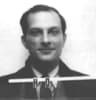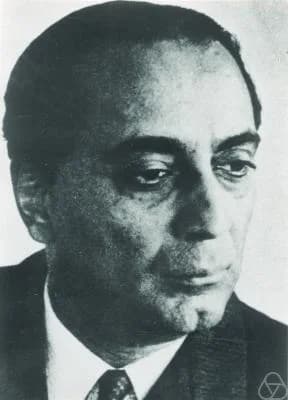
Sinh
October 30, 1909
Mumbai, India
Mất
January 24, 1966
Bossons Glacier, France
Được biết đến với
Indian nuclear physicist
Homi Jehangir Bhabha (1909–1966) was India best known for Indian nuclear physicist.
Homi Jehangir Bhabha (October 30, 1909 – January 24, 1966) was an Indian nuclear physicist from Mumbai, India. Credited as the "father of the Indian nuclear programme," he founded key institutions like the Tata Institute of Fundamental Research. His vision laid the foundation for India's atomic energy and space programs, leaving a lasting impact on the nation's scientific capabilities.
Một cuộc đời qua các khoảnh khắc
Những khoảnh khắc đã định hình một cuộc đời
Chương
Các chương cuộc đời
Chương 1 · 1909· Chương 1 trên 8
Opening
Homi Jehangir Bhabha, born on October 30, 1909, and passing on January 24, 1966, was an Indian nuclear physicist. He is widely revered as the "father of the Indian nuclear programme," a title reflecting his immense contributions. His pioneering vision established the foundational institutions for India's atomic energy initiatives. He played a crucial role in shaping the nation's scientific future through his dedicated leadership and foresight.
Chương 2 · 1909· Chương 2 trên 8
Early Life and Origins
Born on October 30, 1909, in Mumbai, India, Homi Jehangir Bhabha's early years were spent in a vibrant cultural and intellectual environment. This upbringing in Mumbai provided the initial context for his exceptional scientific journey. The city of his birth remained a significant location throughout his life and career, influencing his commitment to national development.
Chương 3· Chương 3 trên 8
Career Beginnings
Bhabha's professional journey began with the establishment of the Tata Institute of Fundamental Research (TIFR). He served as its founding director and professor of physics, setting a high standard for scientific inquiry. This institution became a crucial hub for advanced research and development in India, attracting brilliant minds and fostering innovation.
Following his work at TIFR, Homi Bhabha also founded the Atomic Energy Establishment, Trombay (AEET). This establishment was designed to be another cornerstone for India's burgeoning nuclear energy and weapons programme. His strategic foresight in creating these institutions laid the groundwork for future national scientific capabilities, ensuring India's self-reliance.
Chương 4· Chương 4 trên 8
Major Achievements and Career Highlights
Homi Jehangir Bhabha's most prominent achievement was his widely acknowledged role as the "father of the Indian nuclear programme." He was the driving force behind India's self-reliance in nuclear science and technology. His leadership was instrumental in positioning India as a significant player in the global nuclear arena, advocating for peaceful applications while building national strength.
In addition to founding TIFR and AEET, Bhabha held significant administrative positions. He became the first chairman of the Indian Atomic Energy Commission (AEC), a body he guided with vision and determination. He also served as the secretary of the Department of Atomic Energy (DAE), coordinating national efforts in atomic research and policy.
Beyond nuclear science, Homi Bhabha recognized the synergy between various scientific disciplines. He actively supported space science projects, which initially received funding from the AEC. This forward-thinking support played an important role in the birth of the Indian space programme, expanding India's scientific ambitions beyond terrestrial boundaries.
Chương 5· Chương 5 trên 8
Personal Life
The provided information does not detail Homi Jehangir Bhabha's personal life, family, relationships, or specific personal interests. His professional dedication and immense contributions to science are the primary focus of his widely documented history. He dedicated his life to advancing scientific knowledge and national progress.
Chương 6· Chương 6 trên 8
Notable Works or Contributions
Bhabha's enduring legacy is intrinsically linked to the institutions he founded and nurtured. The Tata Institute of Fundamental Research (TIFR) demonstrates his commitment to basic scientific research and education. It continues to be a premier center for scientific studies in India, fostering new generations of scientists and innovators.
The Atomic Energy Establishment, Trombay (AEET), later renamed the Bhabha Atomic Research Centre in his honour, represents another monumental contribution. AEET was conceived as the primary facility for India's atomic research and development. It became the hub for both peaceful applications of nuclear energy and strategic programs, under Bhabha's meticulous guidance.
As the first chairman of the Indian Atomic Energy Commission (AEC) and secretary of the Department of Atomic Energy (DAE), Bhabha structured India's national approach to atomic science. His administrative acumen ensured that scientific research was integrated with national policy and development goals. His foundational work also indirectly spurred the Indian space program by securing initial funding for its nascent projects through the AEC.
Chương 7 · 1966· Chương 7 trên 8
Later Years
Homi Jehangir Bhabha's life tragically ended on January 24, 1966. He passed away in Bossons Glacier, France, leaving behind an extraordinary scientific and institutional legacy. His sudden demise cut short a brilliant career that had already shaped the destiny of Indian science and research for decades to come.
Chương 8· Chương 8 trên 8
Legacy and Impact
Homi Bhabha's greatest impact lies in his designation as the "father of the Indian nuclear programme." He didn't just envision a nuclear future for India; he meticulously built the infrastructure and fostered the talent required to achieve it. His efforts provided the nation with strategic capabilities and energy independence, setting a course for future development.
The institutions he founded, TIFR and AEET, remain cornerstones of Indian science. The renaming of the Atomic Energy Establishment, Trombay, to the Bhabha Atomic Research Centre stands as a lasting tribute to his immense contributions. This honor reflects the deep respect and gratitude for his pioneering work and enduring vision, which continues to inspire.
His influence extended beyond the immediate scope of nuclear physics, significantly impacting the broader scientific landscape of India. By initiating support for space science through the Atomic Energy Commission, Bhabha also planted the seeds for India's successful space program, demonstrating his broad vision for national scientific advancement and self-sufficiency.
Câu hỏi thường gặp
Câu hỏi thường gặp
Homi Jehangir Bhabha qua đời khi nào?
Homi Jehangir Bhabha qua đời vào ngày 24 tháng 1, 1966 tại Bossons Glacier, France, ở tuổi 56.
Homi Jehangir Bhabha sinh ra ở đâu?
Homi Jehangir Bhabha sinh ra tại Mumbai, India vào ngày 30 tháng 10, 1909.
Homi Jehangir Bhabha được biết đến nhiều nhất với điều gì?
Homi Jehangir Bhabha được biết đến nhiều nhất với Indian nuclear physicist.
Homi Jehangir Bhabha bao nhiêu tuổi khi qua đời?
Homi Jehangir Bhabha 56 tuổi khi qua đời.
Homi Jehangir Bhabha mang quốc tịch nào?
Homi Jehangir Bhabha đến từ India.
Dòng thời gian
Cuộc đời tóm tắt
- 1909
Opening
- 1909
Early Life and Origins
- 1966
Later Years
Thư viện ảnh
Một cuộc đời qua những bức hình
Nhấp vào bất kỳ tấm polaroid nào để mở rộng · 24 ảnh
Mã QR
Chia sẻ tiểu sử này
In và chia sẻ
Quét để truy cập trang tiểu sử này. In cho các sự kiện, triển lãm hoặc tài liệu giáo dục.