Sinh
October 10, 1901
Borgonovo, Switzerland
Mất
January 11, 1966
Chur, Switzerland
Được biết đến với
Swiss sculptor and painter
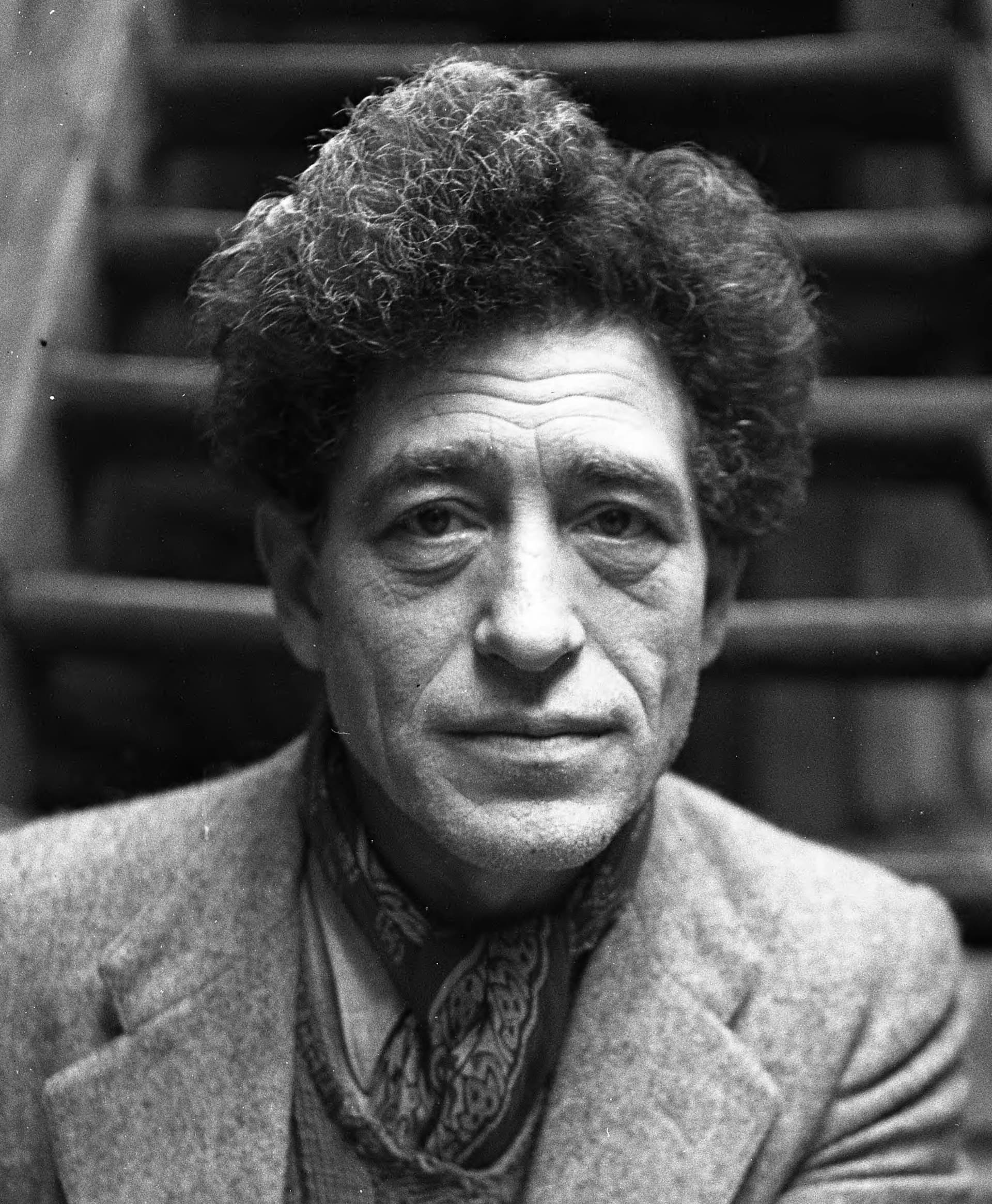
Alberto Giacometti (1901–1966) was Switzerland best known for Swiss sculptor and painter.
Alberto Giacometti (October 10, 1901 – January 11, 1966) was a Swiss sculptor and painter. He became one of the most important sculptors of the 20th century, exploring philosophical questions about the human condition. His distinctive elongated figures forever altered the scope of modern art.
Chương
Các chương cuộc đời
Chương 1 · 1901· Chương 1 trên 5
Early Life and Artistic Foundations
Alberto Giacometti was born on October 10, 1901, in Borgonovo, Switzerland, a charming setting that marked the beginning of his journey. Switzerland remained a constant presence in his life, serving as both his birthplace and the location of his passing. From a young age, Giacometti displayed a remarkable sensitivity to form and an innate artistic talent, laying the foundation for a distinguished career.
His early experiences cultivated a versatile approach to art, influencing his later willingness to experiment across mediums. The serene Swiss landscape may have subtly contributed to the reflective and contemplative nature often observed in his profound artworks. This initial period set him on a trajectory to become a significant figure in modern art.
Chương 2· Chương 2 trên 5
Developing a Unique Vision
Giacometti’s artistic development was notably shaped by powerful avant-garde movements, particularly Cubism and Surrealism, which offered him new ways to perceive and articulate reality. He skillfully assimilated elements from these styles, evolving them into his own highly personal visual language. This synthesis allowed him to move beyond conventional representation and create emotionally resonant forms.
His practice was deeply informed by philosophical inquiries, specifically questions about the human condition, which served as a constant wellspring for his artistic investigations. Existential and phenomenological debates played a significant role in his work, inspiring him to distill figures to their most essential, vulnerable states. Giacometti's profound intellectual engagement became inextricably linked to his creative process, resulting in art that speaks to universal human experiences.
Beyond his celebrated sculptures and paintings, Giacometti embraced a variety of creative roles, showcasing his extensive artistic capabilities. He was a highly proficient draftsperson and an inventive printmaker, creating numerous graphic works that shared the same intensity as his three-dimensional art. His skills also extended to illustration and design, including jewelry design, reflecting an extensive mastery of visual communication.
Chương 3 · 1947· Chương 3 trên 5
Masterpieces and Iconic Forms
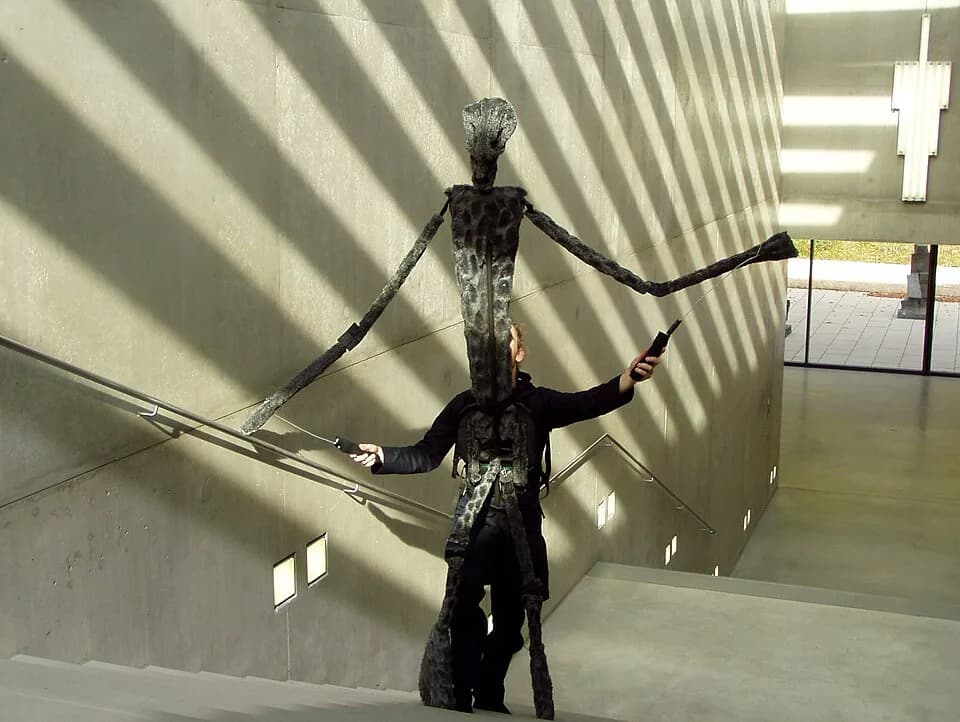
Alberto Giacometti’s extensive body of work includes numerous masterpieces that have become emblematic of 20th-century art, many of which are preserved in major international museums. His sculptures are famously characterized by their attenuated, often solitary figures, embodying a sense of existential fragility and resilience. The Met Museum proudly features iconic pieces such as "Tall Figure" (1947), a striking example of his elongated forms, and "The Cat" (1954), which demonstrates his unique approach to animal subjects.
Other significant works at the Met Museum include "Woman of Venice II" (1956), a poignant exploration of the female figure, "Standing Woman" (1946), capturing a moment of stillness, and "Head/Skull" (1934), an early powerful rendering of human anatomy. These pieces collectively showcase his persistent engagement with the human and animal form, stripped down to their most fundamental elements. Each work reflects Giacometti's singular ability to evoke profound emotion through minimalist yet expressive shapes.
The Art Institute of Chicago also houses an impressive collection of Giacometti’s sculptures, further illustrating the scope of his artistic vision. "Walking Man II" (1960) stands as one of his most recognizable and potent statements on human existence and movement, portraying a figure in perpetual motion. Early works like "Spoon Woman" (1926–27, cast 1954) reveal his initial explorations into more abstract, totemic forms, marking a departure from strict realism.
His continued artistic evolution is seen in pieces such as "Isaku Yanaihara" (1956), a portrait that delves into the subject's inner life, and another compelling "Tall Figure" (1947), confirming his recurring artistic motifs. Group compositions like "Three Men Walking II" (1948/49) and intimate studio scenes like "Diego Seated in the Studio" (1950) and "The Studio" (1955) provide insights into his creative environment and personal subjects. The collection also includes an early "Couple" (1926) and profound portraits such as "Annette Giacometti, the Artist's Wife" (1949) and another powerful "Head" (1934), emphasizing his dedicated focus on human representation.
Chương 4· Chương 4 trên 5
Published Works and Creative Range
Alberto Giacometti’s creative expression extended beyond physical art forms into the world of published works, where he functioned as both a writer and illustrator. His involvement in publications like "Alberto Giacometti, dessins" and "Thirteen bronzes" offered direct insight into his artistic process and showcased his mastery of drawing and sculpture. These volumes allowed enthusiasts and scholars alike to examine his sketches and finished pieces in detail, providing a deeper understanding of his creative journey.
His bibliography also includes titles such as "Testfall des Kunstbetriebes," which suggests his engagement with art criticism and the evolving art market of his time. Other publications, including "Giacometti-Smith" and "Giacometti, Marini, Matisse, Moore," indicate his prominence within contemporary artistic circles, placing him alongside other great masters. These collaborative or comparative works confirm his esteemed position among his peers.
Further literary and artistic contributions are found in "Barutusu to Jakometti," "Gegendruck," "Alberto Giacometti, in margine," and "Pomme endormie." These varied titles highlight his international reach and his willingness to explore diverse themes and formats. The poignant "Alberto Giacometti, autre heure, autres traces--les murs de l'atelier et de la chambre" particularly suggests a more personal, reflective look at his immediate creative spaces and daily existence. Through these numerous publications, Giacometti enriched the understanding of his versatile genius.
Chương 5 · 1966· Chương 5 trên 5
Final Years and Enduring Legacy
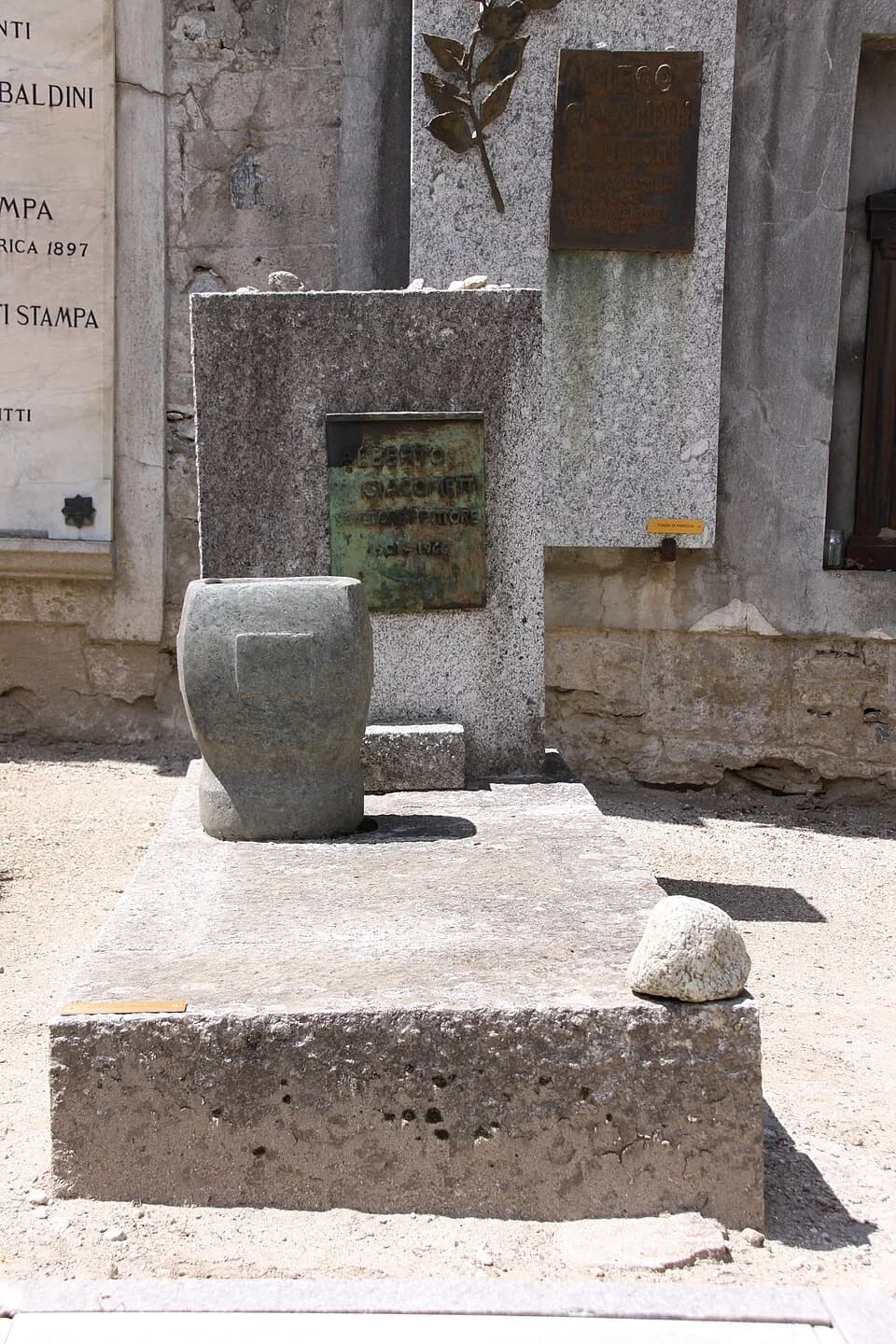
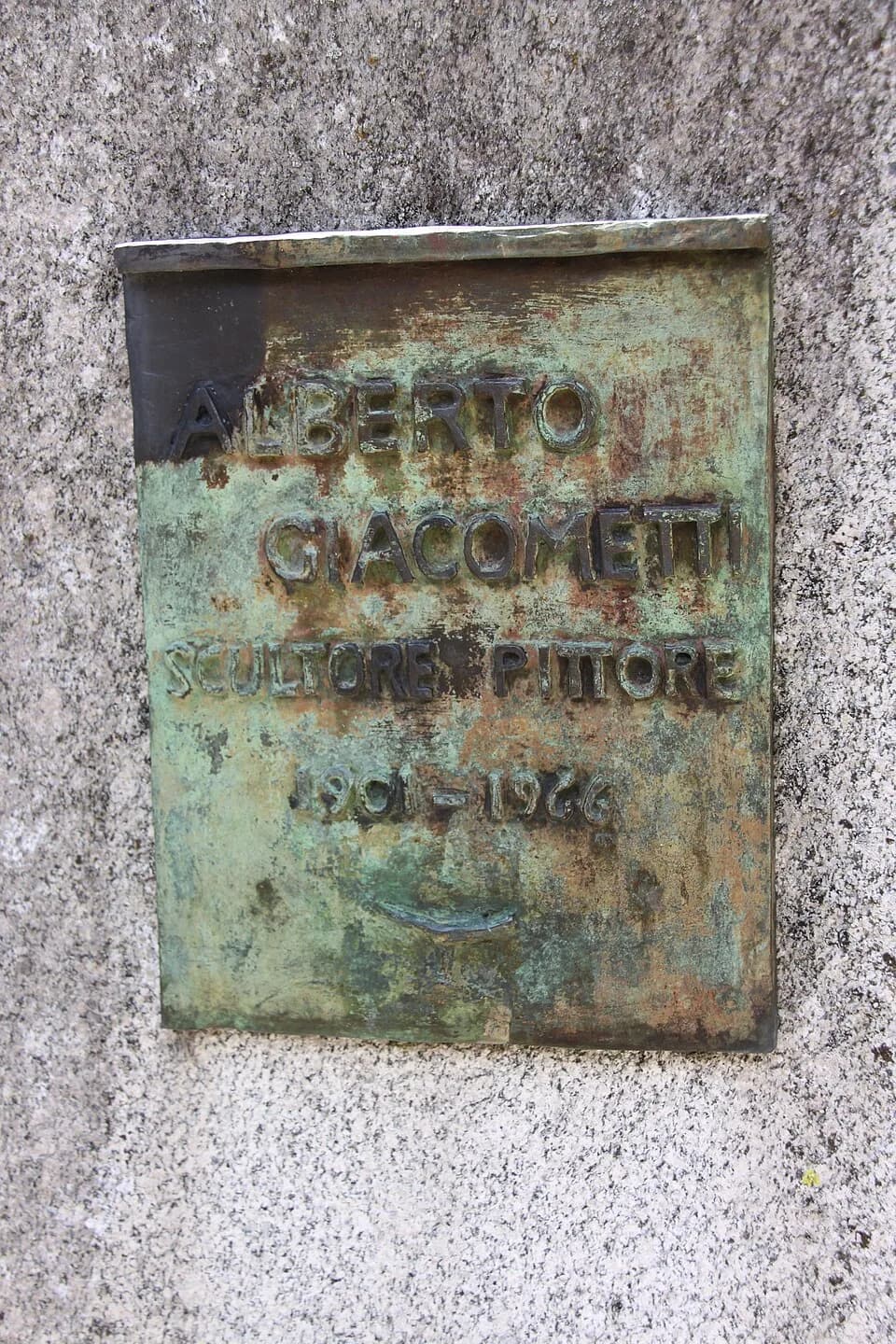
Alberto Giacometti’s extraordinary life concluded on January 11, 1966, when he passed away in Chur, Switzerland, bringing his artistic voyage full circle in his home country. His death marked the close of an exceptionally productive and influential career, but it simultaneously cemented his lasting place in the annals of art history. Giacometti's distinctive approach to rendering the human figure significantly reshaped sculptural practice, moving it towards a more introspective and existential dimension.
His art continues to resonate deeply, celebrated for its unique ability to convey universal themes of isolation, presence, and the fragility of human existence. The philosophical questions he grappled with—regarding the human condition, existentialism, and phenomenology—remain relevant and thought-provoking for contemporary audiences. Giacometti’s vision continues to inspire new generations of artists and thinkers, confirming his status as an artist whose work transcends time and cultural boundaries. His legacy is one of unwavering artistic integrity and a relentless pursuit of truth in form.
Một cuộc đời qua các khoảnh khắc
Những khoảnh khắc đã định hình một cuộc đời


Câu hỏi thường gặp
Câu hỏi thường gặp
Alberto Giacometti qua đời khi nào?
Alberto Giacometti qua đời vào ngày 11 tháng 1, 1966 tại Chur, Switzerland, ở tuổi 64.
Alberto Giacometti sinh ra ở đâu?
Alberto Giacometti sinh ra tại Borgonovo, Switzerland vào ngày 10 tháng 10, 1901.
Alberto Giacometti được biết đến nhiều nhất với điều gì?
Alberto Giacometti được biết đến nhiều nhất với Swiss sculptor and painter.
Alberto Giacometti bao nhiêu tuổi khi qua đời?
Alberto Giacometti 64 tuổi khi qua đời.
Alberto Giacometti mang quốc tịch nào?
Alberto Giacometti đến từ Switzerland.
Dòng thời gian
Cuộc đời tóm tắt
Thư viện ảnh
Một cuộc đời qua những bức hình
Nhấp vào bất kỳ tấm polaroid nào để mở rộng · 50 ảnh
Mã QR
Chia sẻ tiểu sử này
In và chia sẻ
Quét để truy cập trang tiểu sử này. In cho các sự kiện, triển lãm hoặc tài liệu giáo dục.