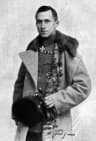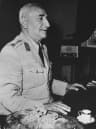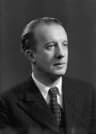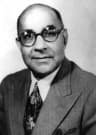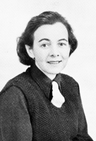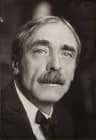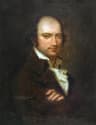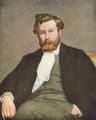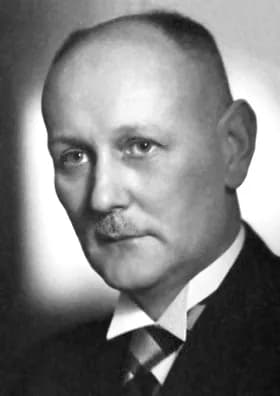
Sinh
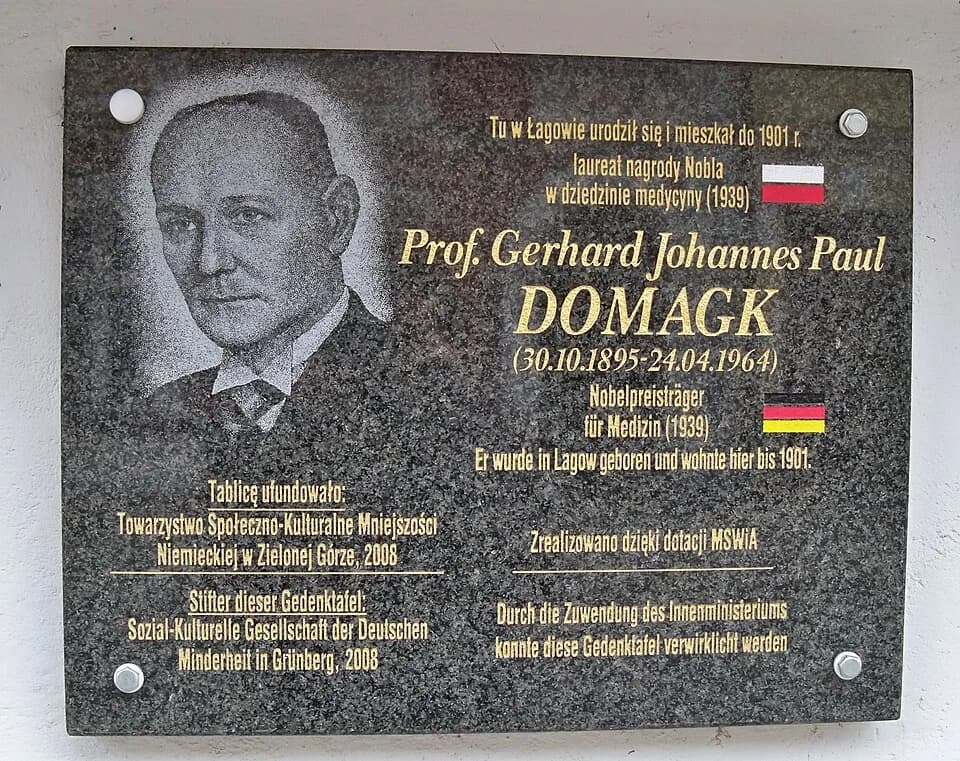
October 30, 1895
Łagów, Poland
Mất
April 24, 1964
Königsfeld im Schwarzwald, Germany
Được biết đến với
German bacteriologist
Gerhard Domagk (1895–1964) was Poland best known for German bacteriologist.
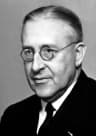
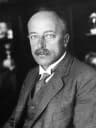
Gerhard Domagk (October 30, 1895 – April 24, 1964) was a German pathologist and bacteriologist. He was awarded the 1939 Nobel Prize in Physiology or Medicine for discovering the antibacterial effects of prontosil. His work significantly advanced the fight against bacterial infections, laying the groundwork for modern antibiotic therapy.
Chương
Các chương cuộc đời
Chương 1 · 1895· Chương 1 trên 6
Early Life and Origins
Gerhard Domagk was born on October 30, 1895, in Łagów, which is located in present-day Poland. Details of his early family life and specific upbringing are not widely known from the provided information. However, his future career paths as a physician, chemist, and biochemist suggest a robust early education and a strong inclination towards the natural sciences from a young age. The foundational experiences of his youth likely instilled in him the discipline and curiosity that would characterize his later scientific pursuits and lead to significant discoveries.
Chương 2· Chương 2 trên 6
Career Beginnings
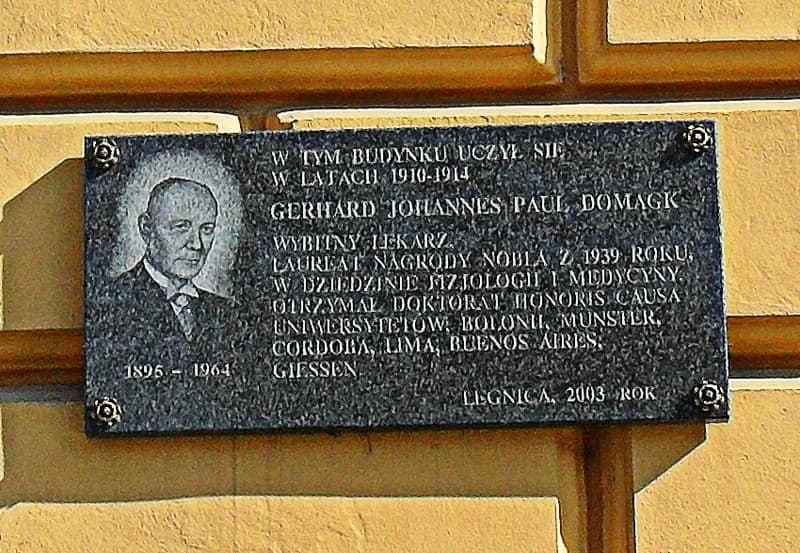
Domagk embarked on his professional journey with a broad scientific background, encompassing multiple disciplines. He trained and practiced as a physician and chemist, and later expanded his expertise to include biochemistry and pathology. His multifaceted education prepared him for a career that blended clinical understanding with rigorous laboratory investigation. Early in his career, he also held positions as a university teacher, indicating a commitment to both research and the dissemination of knowledge to future generations of scientists and medical professionals.
Chương 3 · 1939· Chương 3 trên 6
Major Achievements and Career Highlights
Gerhard Domagk's career was defined by a singular, momentous discovery that revolutionized medicine. He is best known for his work leading to the identification of the antibacterial effects of prontosil. This discovery, made while working as a pathologist and bacteriologist, marked a turning point in the treatment of bacterial infections. His dedication to this research culminated in 1939 when he was awarded the Nobel Prize in Physiology or Medicine for this pivotal breakthrough, recognizing its immense potential to save lives worldwide.
Chương 4· Chương 4 trên 6
Notable Works or Contributions
The discovery of prontosil's antibacterial properties stands as Domagk's most celebrated contribution to science and medicine. Prontosil was the first commercially available sulfonamide drug, effectively demonstrating that certain dyes could inhibit bacterial growth within the body. This finding ushered in the era of sulfa drugs, which were the first class of effective systemic antibacterial agents. Domagk's meticulous research provided the crucial evidence that led to the development of these life-saving medications, fundamentally changing how bacterial infections were treated.
Chương 5 · 1964· Chương 5 trên 6
Later Years
Gerhard Domagk continued his professional activities in the years following his Nobel Prize. Though specific details of his later research are not provided, his foundational work with prontosil solidified his reputation as a leading figure in medical science. He passed away on April 24, 1964, in Königsfeld im Schwarzwald, Germany. His death marked the end of a life dedicated to scientific inquiry and discovery, leaving behind a legacy that continued to influence medical research and patient care for decades.
Chương 6· Chương 6 trên 6
Legacy and Impact
Gerhard Domagk's legacy is profound and far-reaching. His discovery of the antibacterial effects of prontosil not only directly led to the widespread use of sulfa drugs but also paved the way for the development of other antibacterial agents, including penicillin. His work transformed the landscape of infectious disease treatment, significantly reducing mortality rates from previously deadly bacterial infections such as pneumonia and streptococcal infections. Domagk's scientific courage and insight continue to inspire researchers, underscoring the power of fundamental research to alter the course of human health.
Một cuộc đời qua các khoảnh khắc
Những khoảnh khắc đã định hình một cuộc đời
Câu hỏi thường gặp
Câu hỏi thường gặp
Gerhard Domagk qua đời khi nào?
Gerhard Domagk qua đời vào ngày 24 tháng 4, 1964 tại Königsfeld im Schwarzwald, Germany, ở tuổi 68.
Gerhard Domagk sinh ra ở đâu?
Gerhard Domagk sinh ra tại Łagów, Poland vào ngày 30 tháng 10, 1895.
Gerhard Domagk được biết đến nhiều nhất với điều gì?
Gerhard Domagk được biết đến nhiều nhất với German bacteriologist.
Gerhard Domagk bao nhiêu tuổi khi qua đời?
Gerhard Domagk 68 tuổi khi qua đời.
Gerhard Domagk mang quốc tịch nào?
Gerhard Domagk đến từ Poland.
Dòng thời gian
Cuộc đời tóm tắt
Thư viện ảnh
Một cuộc đời qua những bức hình
Nhấp vào bất kỳ tấm polaroid nào để mở rộng · 37 ảnh
Mã QR
Chia sẻ tiểu sử này
In và chia sẻ
Quét để truy cập trang tiểu sử này. In cho các sự kiện, triển lãm hoặc tài liệu giáo dục.