Народився(лася)
March 17, 1881
Frauenfeld, Switzerland
Помер(ла)
August 12, 1973
Muralto, Switzerland
Відомий(а) завдяки
Swiss physiologist
Walter Rudolf Hess (1881–1973) was Switzerland best known for Swiss physiologist.
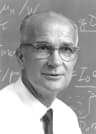
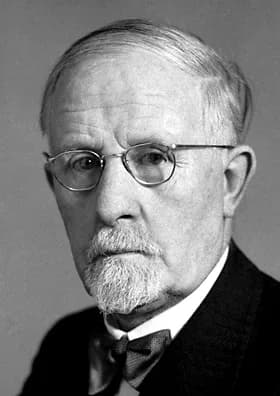
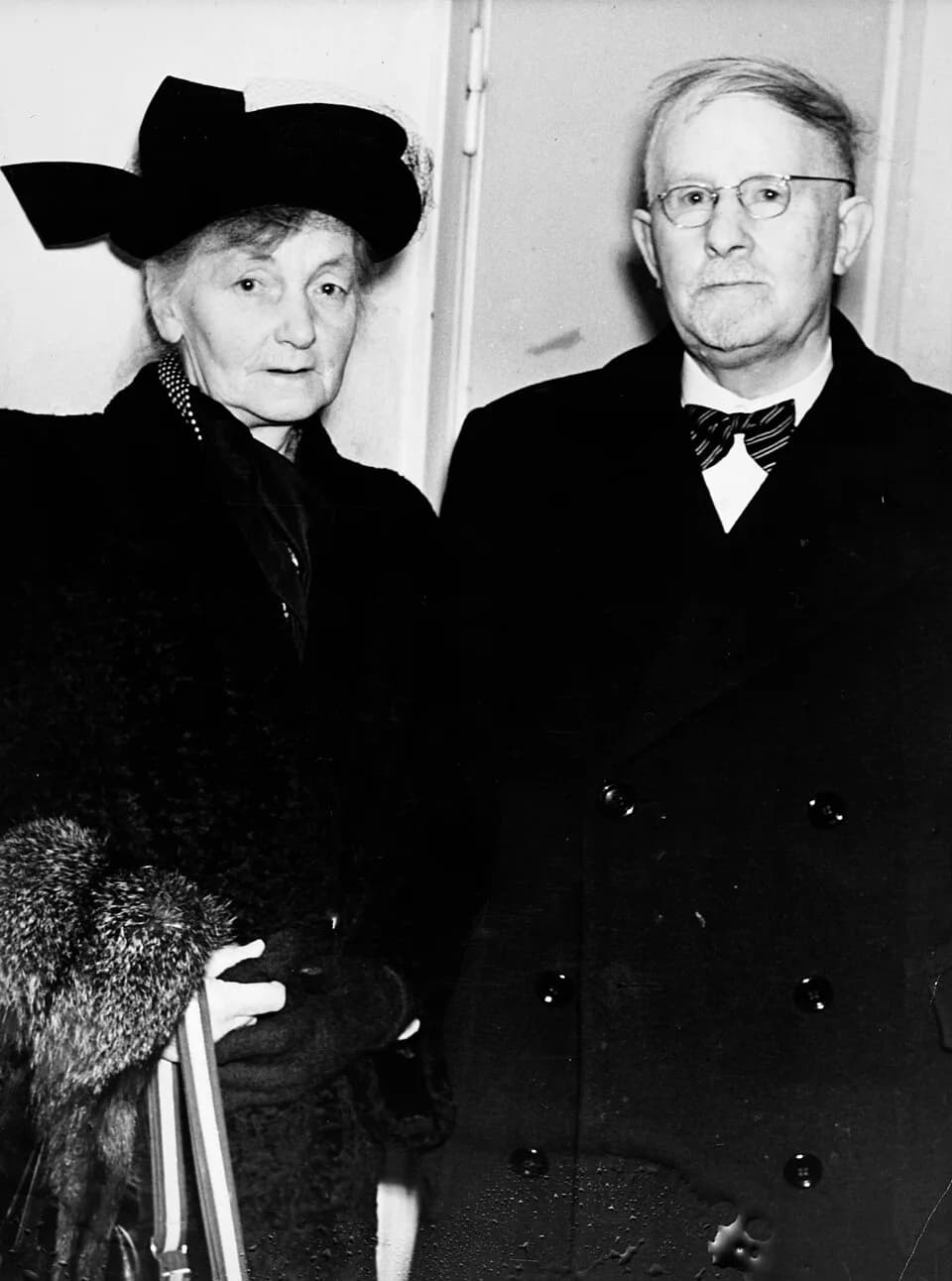
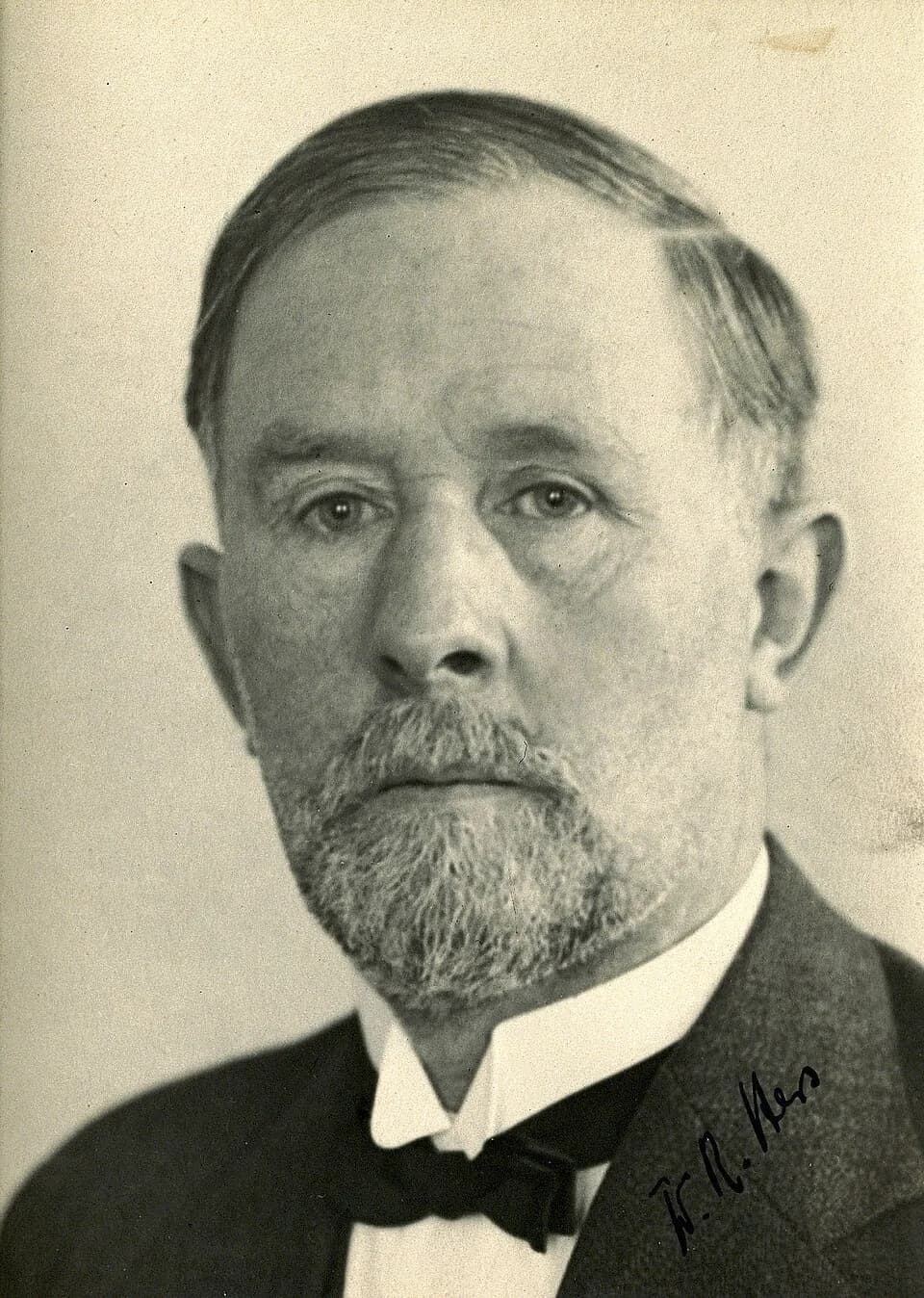
Walter Rudolf Hess (March 17, 1881 – August 12, 1973) was a Swiss physiologist from Frauenfeld, Switzerland. He won the Nobel Prize in 1949 for mapping brain areas controlling internal organs, advancing our understanding of neurological functions.
Розділ
Розділи життя
Розділ 1 · 1881· Розділ 1 з 8
Introduction: A Visionary in Neuroscience
Walter Rudolf Hess (March 17, 1881 – August 12, 1973) was a distinguished Swiss physiologist whose pioneering work significantly advanced our understanding of the brain. He is widely recognized for his Nobel Prize-winning research that meticulously mapped the areas of the brain responsible for controlling internal organs. Hess's contributions laid foundational knowledge for future studies in neuroscience and autonomic regulation, leaving an indelible mark on medical science.
Розділ 2 · 1881· Розділ 2 з 8
Early Life and Origins
Born on March 17, 1881, in Frauenfeld, Switzerland, Walter Rudolf Hess began a life that would span more than nine decades, dedicated to scientific inquiry. His early life in Switzerland likely fostered an environment conducive to intellectual growth and scientific curiosity. Hess passed away on August 12, 1973, in Muralto, Switzerland, concluding a long and impactful career.
His diverse professional background included roles as a physician, surgeon, biologist, and ophthalmologist. This broad initial training provided him with a comprehensive understanding of human anatomy and physiology, which undoubtedly informed his later specialized research. This multidisciplinary foundation was crucial for his interdisciplinary approach to complex biological problems.
Розділ 3· Розділ 3 з 8
Career Beginnings and Evolution
Hess initially pursued a career in medicine, becoming a physician and surgeon, which equipped him with practical clinical experience. His early work as an ophthalmologist further sharpened his observational and analytical skills, particularly concerning neurological functions related to vision. This practical medical background eventually transitioned into a deep focus on biological research, moving him towards the frontiers of physiology.
His intellectual journey led him from clinical practice to becoming a university teacher, physiologist, and neuroscientist. This progression showcased his commitment to both understanding and disseminating scientific knowledge. Hess's path exemplifies a dedication to exploring the fundamental mechanisms governing living organisms.
Розділ 4 · 1949· Розділ 4 з 8
Major Achievements and Career Highlights
The pinnacle of Walter Rudolf Hess's career came in 1949 when he was awarded the Nobel Prize in Physiology or Medicine. This prestigious honor recognized his groundbreaking discoveries regarding the functional organization of the interbrain. Specifically, he was lauded for identifying its role as a crucial coordinator of the activities of internal organs.
Hess shared this significant award with Egas Moniz, acknowledging the parallel importance of their respective contributions to neuroscience. His work meticulously detailed how specific regions within the diencephalon, or interbrain, regulated essential bodily functions such as circulation, respiration, and digestion. This mapping provided concrete evidence for the neurological basis of autonomic control.
Розділ 5· Розділ 5 з 8
Personal Life and Professional Dedication
While specific details about Walter Rudolf Hess's personal family life are not extensively documented in public records, his profound dedication to the advancement of science is evident through his extensive career. His professional roles, ranging from physician to art historian, suggest a mind with broad intellectual interests and an unwavering commitment to scholarship. His relentless pursuit of knowledge in diverse fields underscores a deeply inquisitive character.
Розділ 6· Розділ 6 з 8
Notable Works and Enduring Contributions
Walter Rudolf Hess authored numerous influential works that shaped the understanding of brain function. His publications, such as "Biological order and brain organization," offered overarching theories on how biological systems are organized. Works like "Diencephalon, autonomic and extrapyramidal functions" and "Vegetative Funktionen und Zwischenhirn" directly explored his Nobel-winning research into the interbrain.
Other significant contributions included "Die Graphische Darstellung Von Bewegungs-Störungen der Augen Mit Beispieltafeln Zur Diagnose Von Augenmuskellähmungen," reflecting his earlier work in ophthalmology. His philosophical and biological insights were also captured in texts such as "Biology of Mind" and "The biology of mind." These works collectively demonstrate the breadth and depth of his scientific thought.
Further exploring specific regulatory mechanisms, Hess also published "Das Prinzip des kleinsten Kraftverbrauches im Dienste hämodynamischer Forschung" and "Das Zwischenhirn und die Regulation von Kreislauf und Atmung." These titles highlight his detailed investigations into the brain's control over critical physiological processes. His bibliography stands as a testament to a lifetime of rigorous scientific exploration.
Розділ 7 · 1973· Розділ 7 з 8
Later Years and Final Chapter
Walter Rudolf Hess continued to influence the scientific community well into his later years, solidifying his legacy after receiving the Nobel Prize. His passing on August 12, 1973, in Muralto, Switzerland, marked the end of a remarkable era in neuroscience. His decades of research and teaching had already established a lasting foundation for future generations of scientists.
Розділ 8· Розділ 8 з 8
Legacy and Lasting Impact
The legacy of Walter Rudolf Hess endures through the fundamental principles he established concerning brain organization and function. His meticulous mapping of the diencephalon's role in coordinating internal organ activities profoundly transformed neurology and physiology. This understanding provided crucial insights into how the nervous system maintains homeostasis and responds to various stimuli.
His work continues to be a cornerstone for research into the autonomic nervous system, influencing fields from neuropharmacology to clinical neurology. Hess's approach to studying complex brain functions through systematic investigation inspired countless researchers. He remains revered as a visionary who unlocked critical secrets of the brain, fundamentally changing our perception of its control over the body.
Життя в моментах
Моменти, що сформували життя

FAQ
Часті запитання
Коли помер(ла) Walter Rudolf Hess?
Walter Rudolf Hess помер(ла) 12 серпня 1973 р. у Muralto, Switzerland у віці 92 років.
Де народився(лася) Walter Rudolf Hess?
Walter Rudolf Hess народився(лася) у Frauenfeld, Switzerland 17 березня 1881 р..
Чим найбільше відомий(а) Walter Rudolf Hess?
Walter Rudolf Hess найбільше відомий(а) за Swiss physiologist.
Скільки років було Walter Rudolf Hess на момент смерті?
Walter Rudolf Hess було 92 років на момент смерті.
Якої національності був(ла) Walter Rudolf Hess?
Walter Rudolf Hess був(ла) з Switzerland.
Хронологія
Життя стисло
Фотогалерея
Життя у світлинах
Натисніть на будь-яке полароїдне фото, щоб збільшити · 15 фотографій
QR-код
Поділитися цією біографією
Друк і поширення
Скануйте, щоб відвідати цю біографічну сторінку. Друкуйте для подій, виставок або освітніх матеріалів.