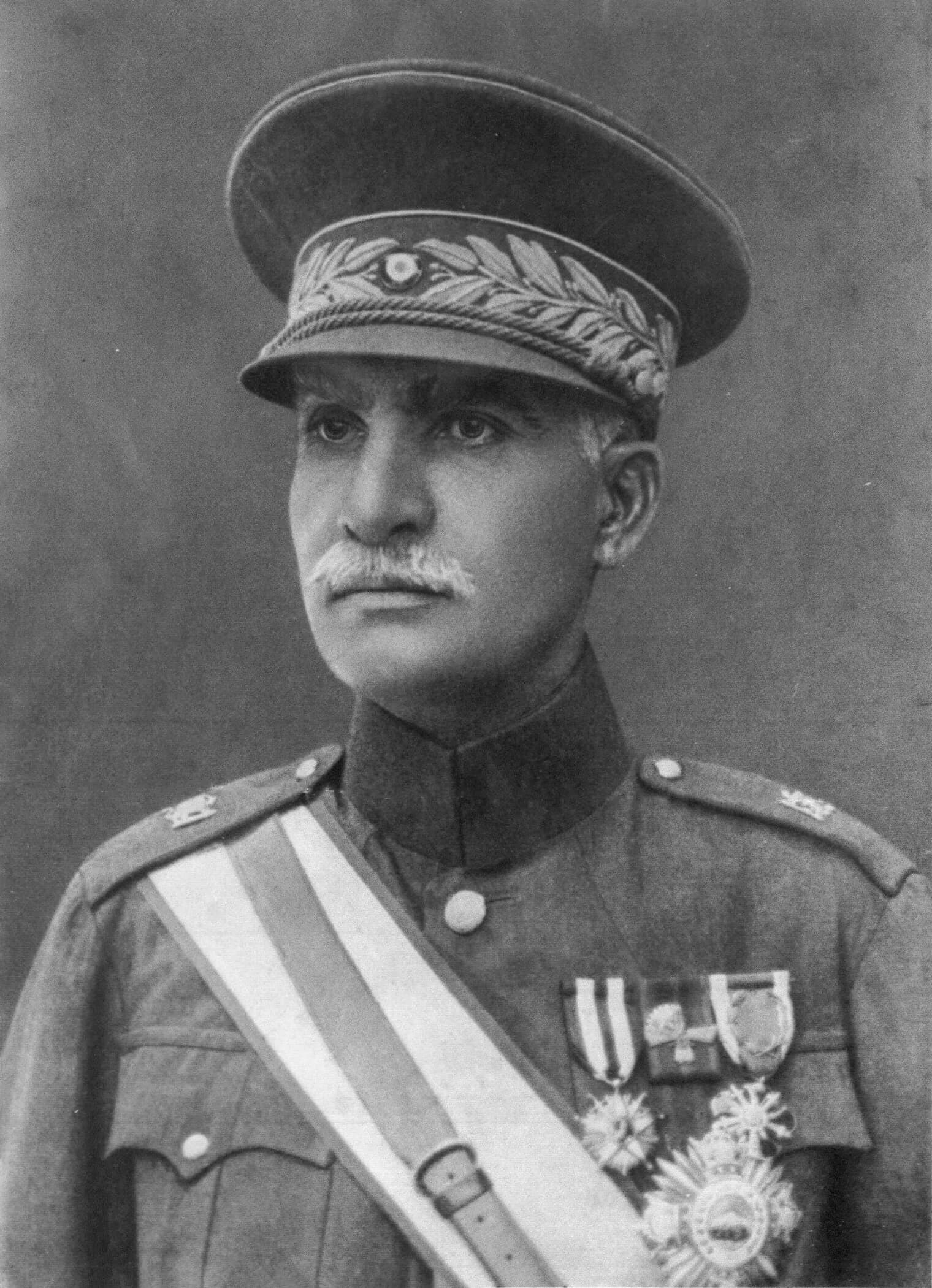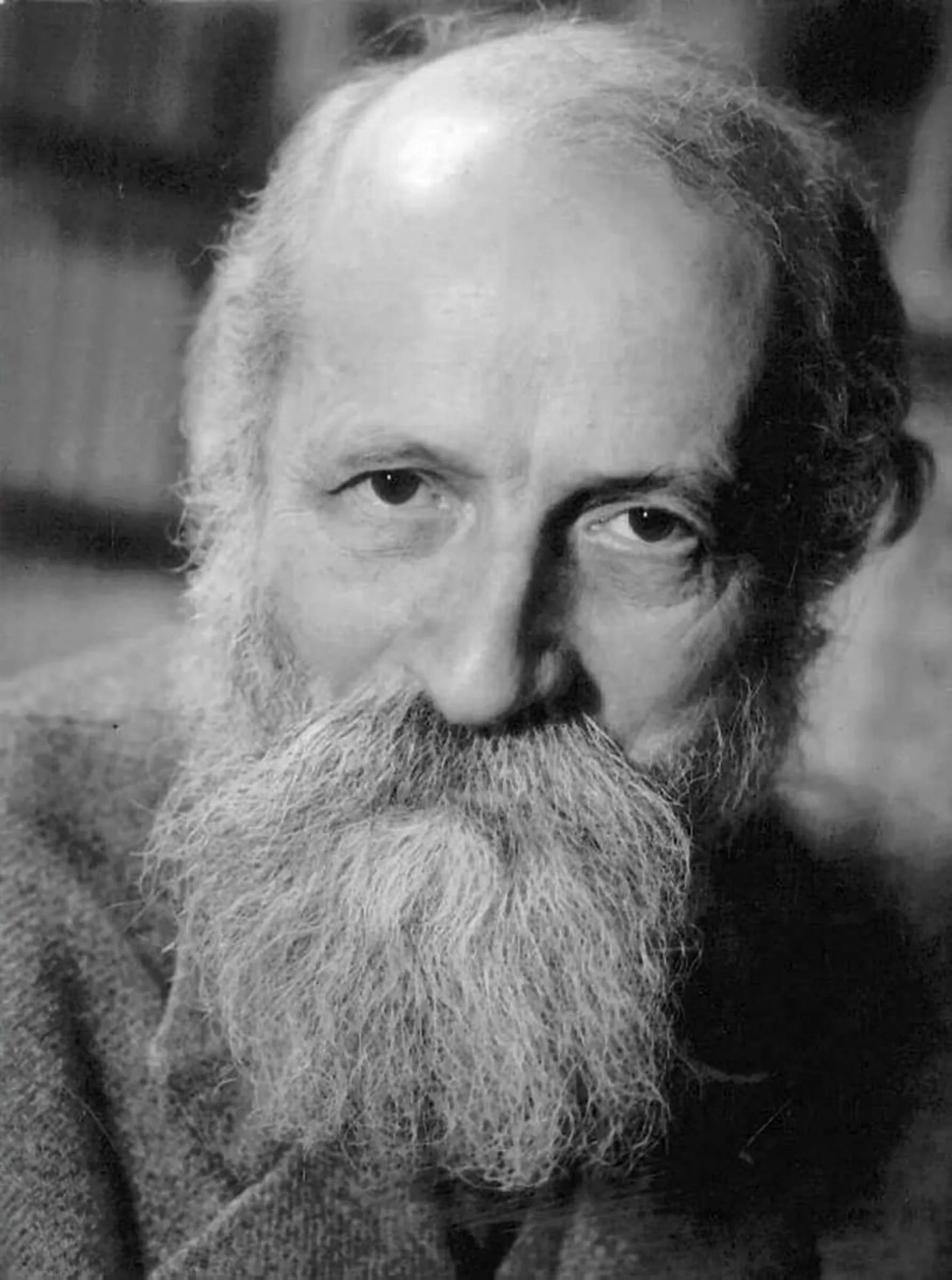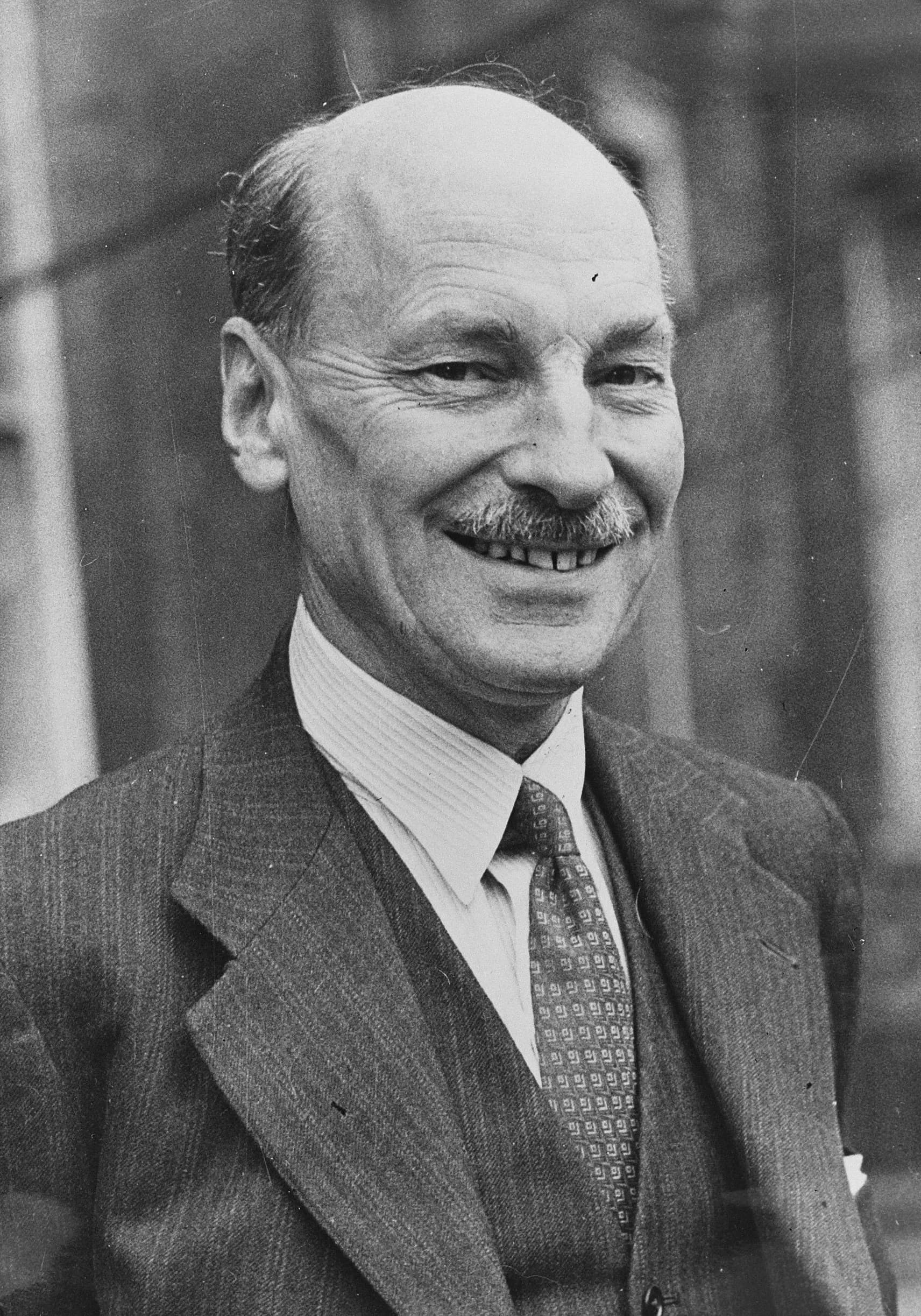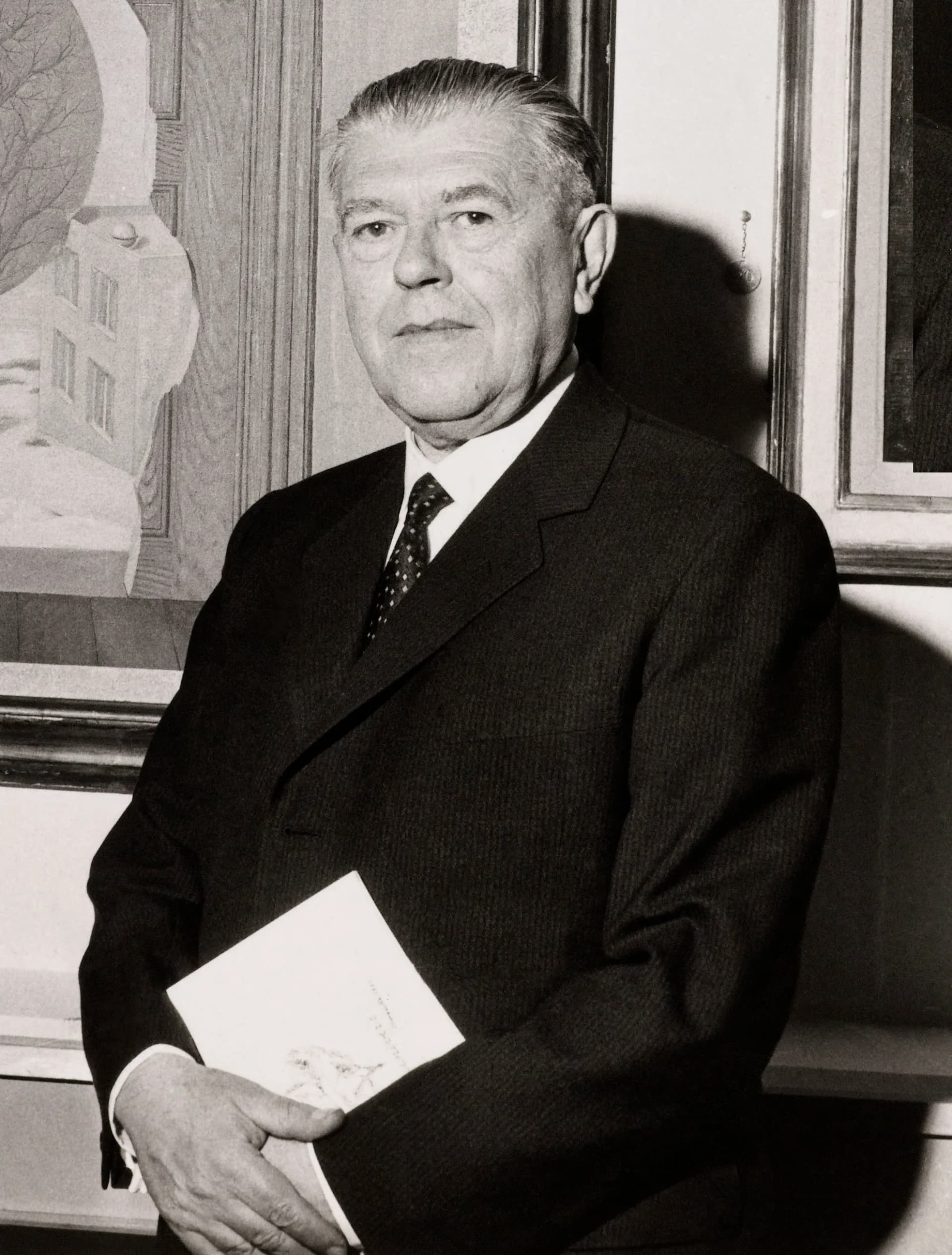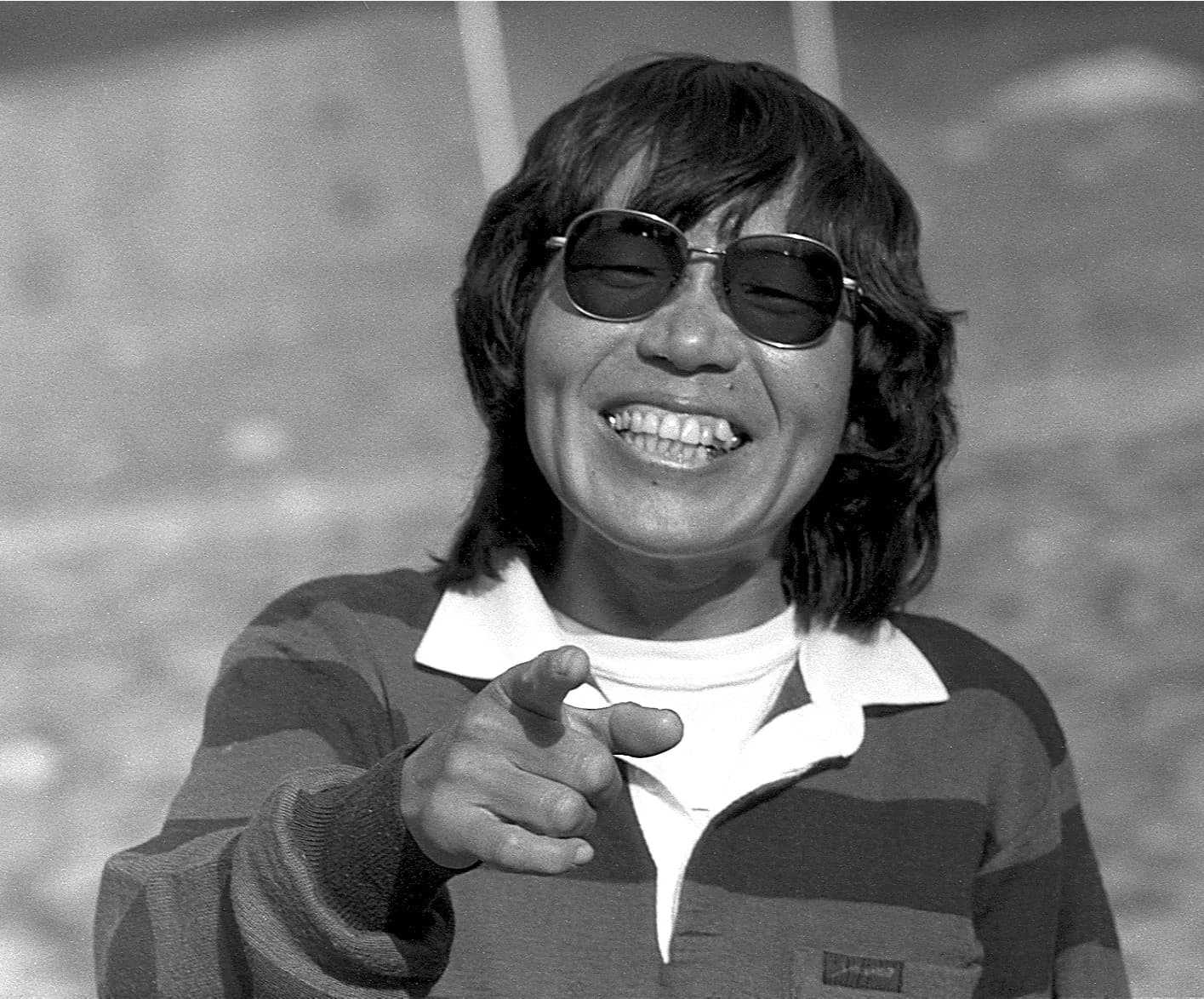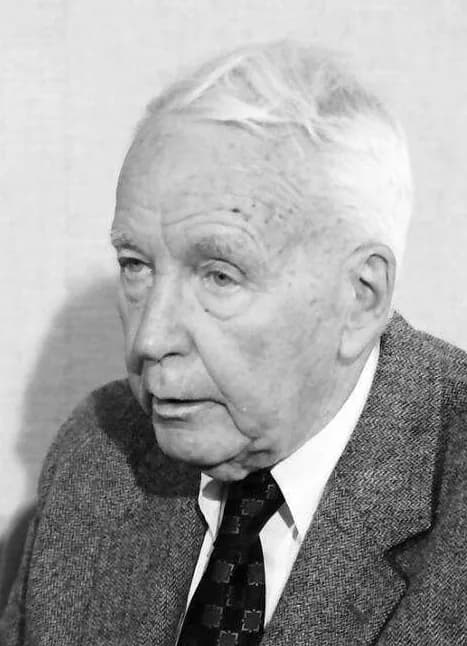
Народився(лася)
September 22, 1878
Kanda-Surugadai, Japan
Помер(ла)
October 20, 1967
Oiso, Japan
Відомий(а) завдяки
Prime minister of Japan
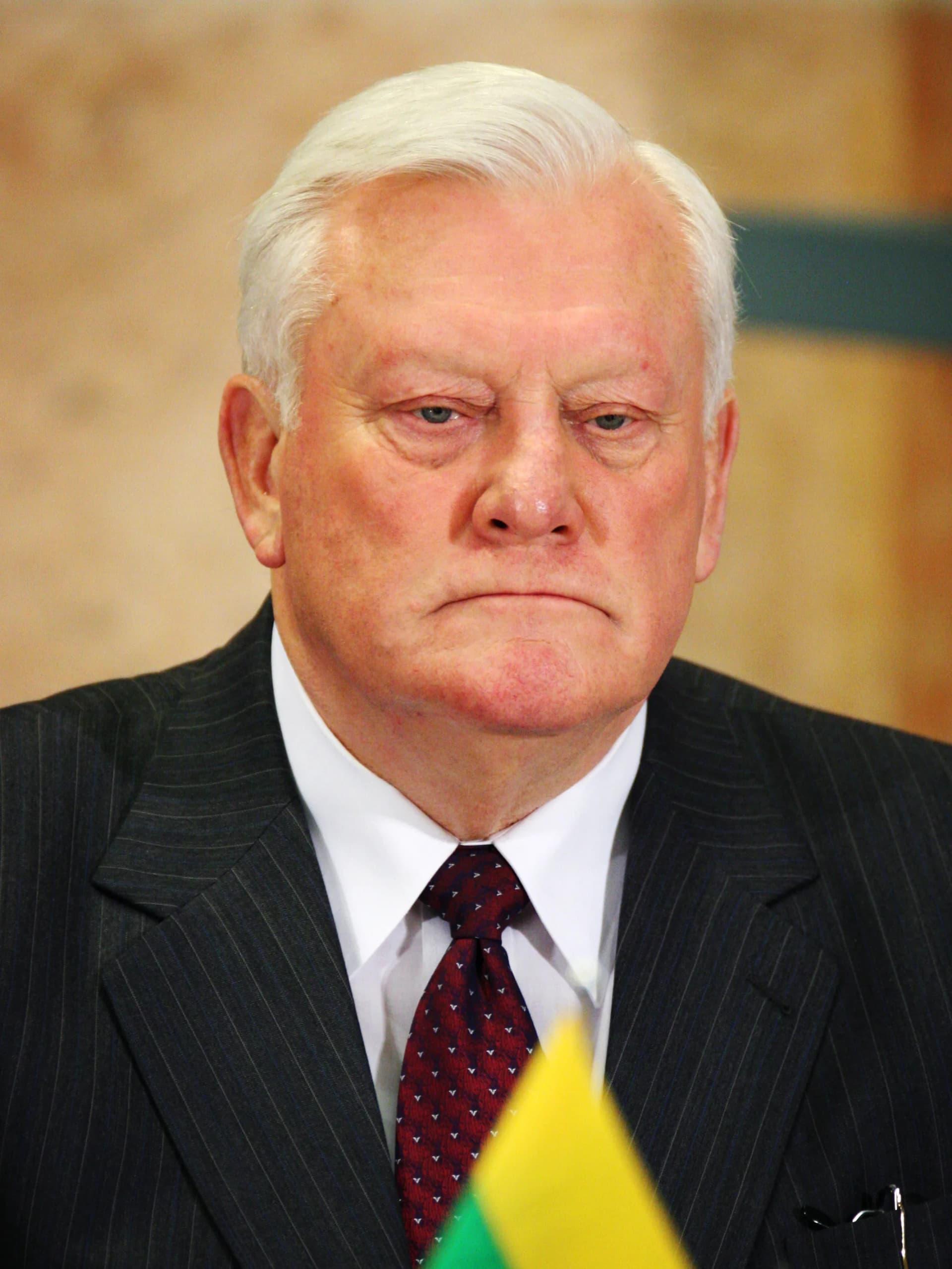
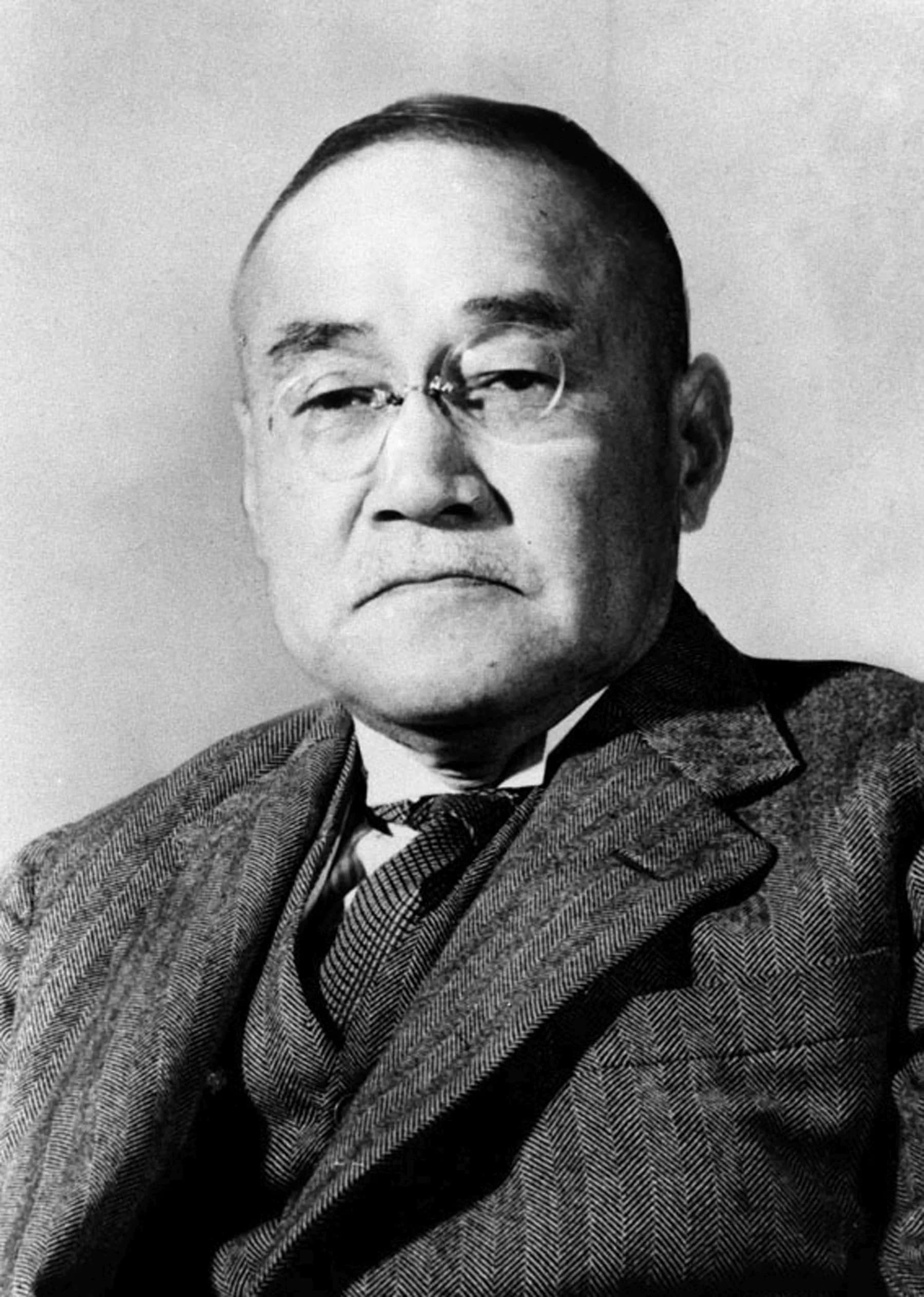
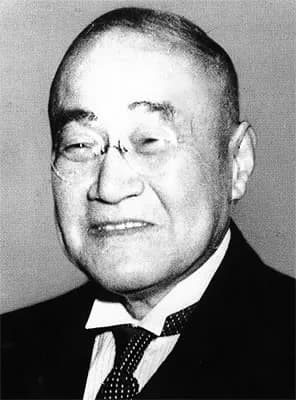
Shigeru Yoshida (1878–1967) was Japan best known for Prime minister of Japan.
Shigeru Yoshida (September 22, 1878 – October 20, 1967) was a Japanese politician and diplomat. He served as Prime Minister, guiding Japan through most of its post-World War II occupation. Yoshida played a crucial role in forging a strong relationship with the United States and pursuing the nation's economic recovery, laying the groundwork for modern Japan.
Життя в моментах
Моменти, що сформували життя
Розділ
Розділи життя
Розділ 1 · 1878· Розділ 1 з 7
Early Life and Diplomatic Career
Born on September 22, 1878, in Kanda-Surugadai, Japan, Shigeru Yoshida began his life in a nation undergoing rapid modernization. While specific details of his early family life and educational journey are not extensively provided, his path led him toward public service. He commenced his professional life as a diplomat, a role that equipped him with a deep understanding of global affairs and international relations.
His diplomatic postings allowed him to observe world powers and their interactions firsthand. This experience was crucial for developing the strategic perspective he would later employ as a national leader. He cultivated relationships and honed skills in negotiation, preparing him for the complex political tasks ahead.
Розділ 2 · 1946· Розділ 2 з 7
First Term as Prime Minister (1946-1947)
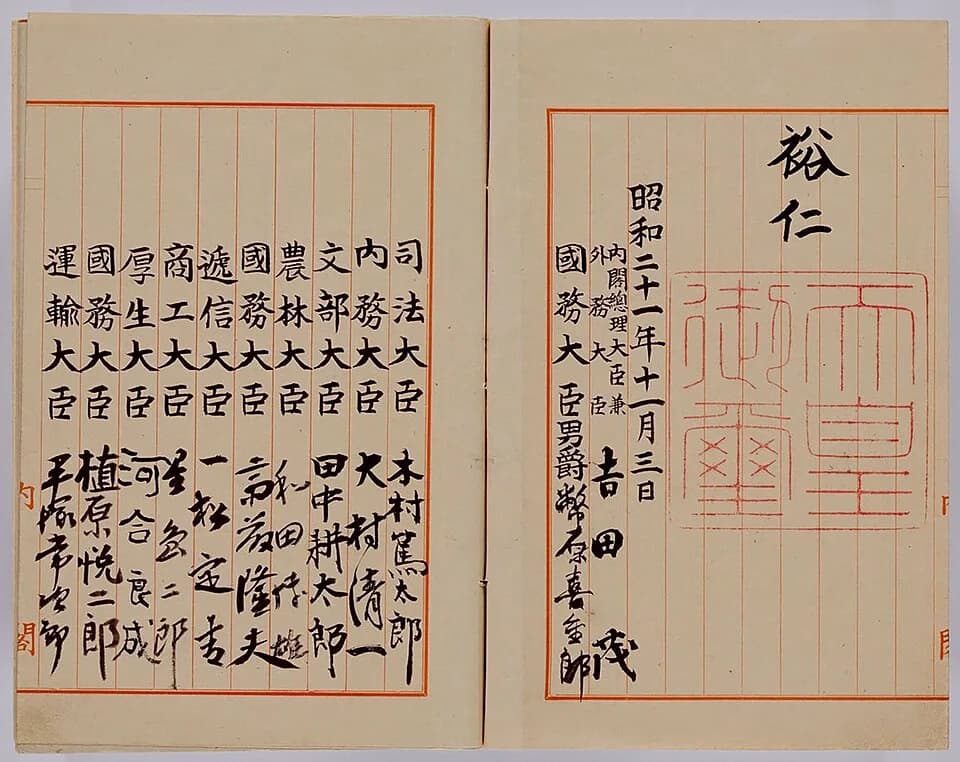
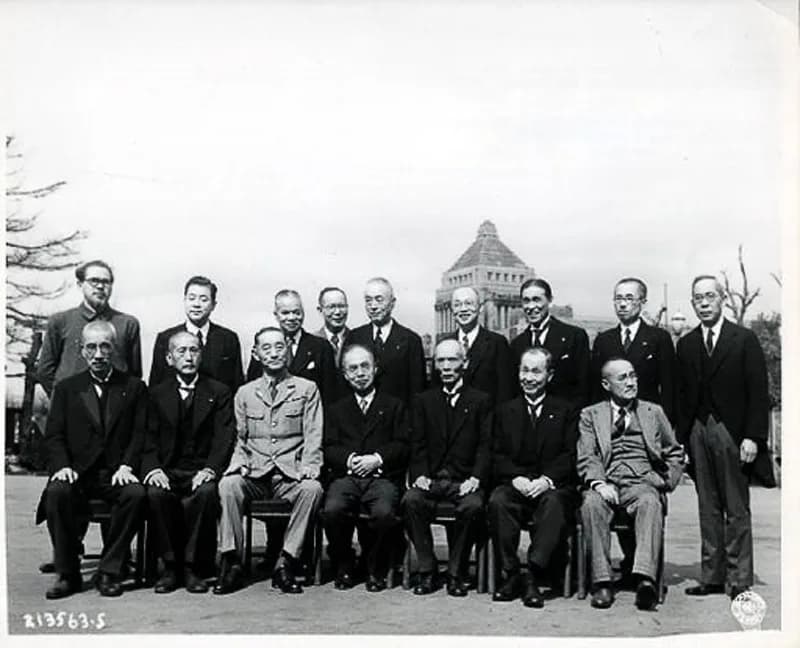
Shigeru Yoshida first assumed the premiership from 1946 to 1947, a profoundly challenging period immediately following Japan's surrender in World War II. He took the helm during the initial stages of the Allied Occupation, inheriting a nation in ruins. His government faced the daunting task of stabilizing the domestic situation amidst widespread devastation and societal upheaval.
During this brief but critical first tenure, Yoshida's focus was on establishing a working government and cooperating with the occupation authorities. He began the initial steps toward rebuilding infrastructure and addressing the urgent needs of the Japanese populace. This period laid the groundwork for his future leadership and demonstrated his capacity to operate under extreme pressure.
Розділ 4 · 1948· Розділ 4 з 7
Second Term and Economic Recovery (1948-1954)
Shigeru Yoshida returned to the prime minister's office in 1948, serving a more extensive and arguably most influential term until 1954. During these crucial years, he vigorously prioritized the nation's economic recovery. His government initiated policies aimed at stimulating industrial revival and fostering international trade, recognizing these as essential for Japan's resurgence.
His economic strategies were instrumental in laying the foundation for Japan's subsequent rapid economic growth. He championed free-market principles and encouraged innovation, creating an environment for businesses to flourish. These policies helped to lift Japan out of the depths of post-war poverty and set it on a path toward prosperity.
Розділ 5· Розділ 5 з 7
Forging International Ties
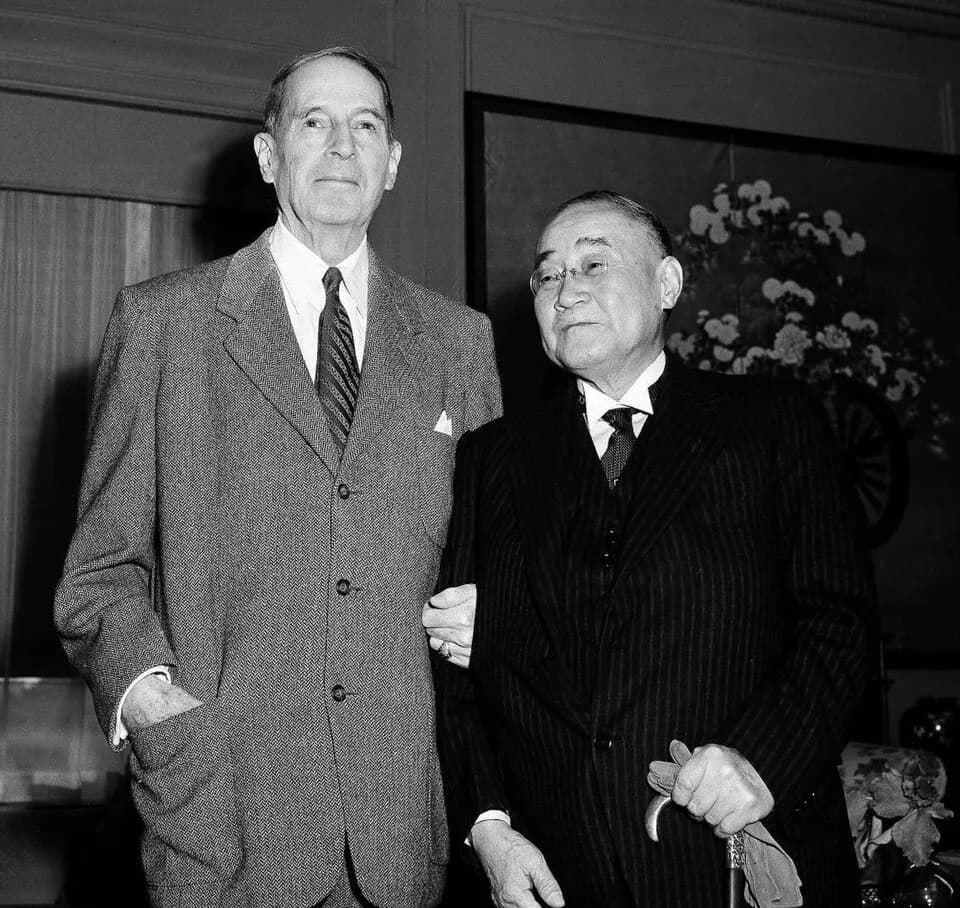
A cornerstone of Shigeru Yoshida's strategy for post-war Japan was the cultivation of a strong and enduring relationship with the United States. He understood that this alliance was paramount for Japan's security and its reintegration into the global community. This foreign policy became a defining characteristic of his leadership, often referred to as the "Yoshida Doctrine."
The doctrine emphasized economic development through partnership with the United States, while limiting Japan's military expenditures. This approach allowed Japan to concentrate resources on rebuilding its economy rather than rearmament. Yoshida's diplomatic acumen secured vital support and stability for Japan during a very fragile and uncertain international climate.
Розділ 6 · 1954· Розділ 6 з 7
Final Years
After concluding his significant service as prime minister in 1954, Shigeru Yoshida continued to hold influence within Japanese political circles. He remained a respected elder statesman, offering his counsel and perspective drawn from his extensive experience. His presence continued to shape discussions on Japan's future direction.
Shigeru Yoshida passed away on October 20, 1967, in Oiso, Japan. His life's work concluded after having witnessed the remarkable transformation of his country, a transformation he had so significantly helped to orchestrate. His passing marked the end of an era for Japanese politics, but his impact persisted.
Розділ 7· Розділ 7 з 7
Enduring Legacy
Shigeru Yoshida played a truly major role in determining the course of post-war Japan. His strategic vision for a nation focused on economic strength, underpinned by a robust alliance with the United States, proved remarkably successful. He is credited with guiding Japan through its most challenging period, from wartime devastation to a period of peace and burgeoning prosperity.
The framework he established continues to influence Japan's domestic policy, economic strategies, and international relations to this day. His commitment to peace, economic growth, and strong diplomatic ties created a lasting foundation for modern Japan. Yoshida's enduring legacy is that of a statesman who reshaped a nation's destiny and secured its place in the modern world.
FAQ
Часті запитання
Коли помер(ла) Shigeru Yoshida?
Shigeru Yoshida помер(ла) 20 жовтня 1967 р. у Oiso, Japan у віці 89 років.
Де народився(лася) Shigeru Yoshida?
Shigeru Yoshida народився(лася) у Kanda-Surugadai, Japan 22 вересня 1878 р..
Чим найбільше відомий(а) Shigeru Yoshida?
Shigeru Yoshida найбільше відомий(а) за Prime minister of Japan.
Скільки років було Shigeru Yoshida на момент смерті?
Shigeru Yoshida було 89 років на момент смерті.
Якої національності був(ла) Shigeru Yoshida?
Shigeru Yoshida був(ла) з Japan.
Хронологія
Життя стисло
Фотогалерея
Життя у світлинах
Натисніть на будь-яке полароїдне фото, щоб збільшити · 25 фотографій
QR-код
Поділитися цією біографією
Друк і поширення
Скануйте, щоб відвідати цю біографічну сторінку. Друкуйте для подій, виставок або освітніх матеріалів.