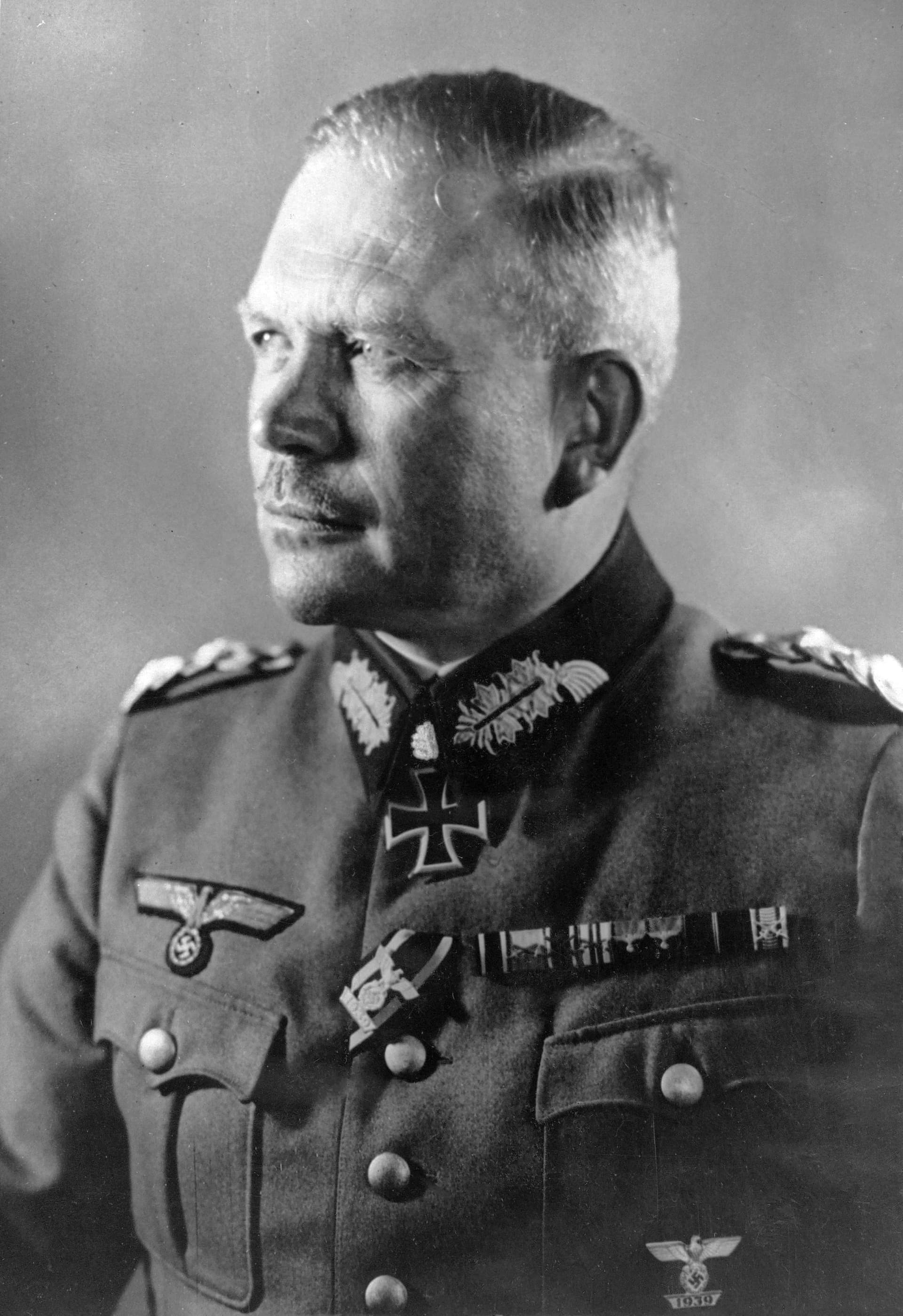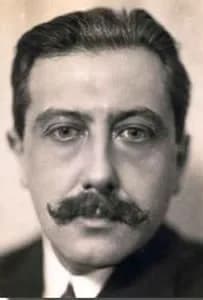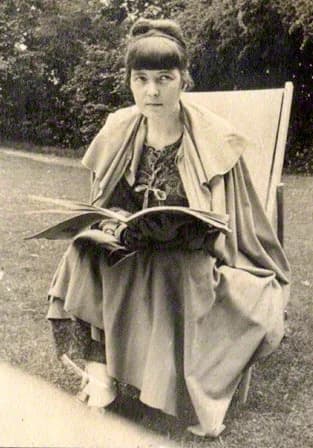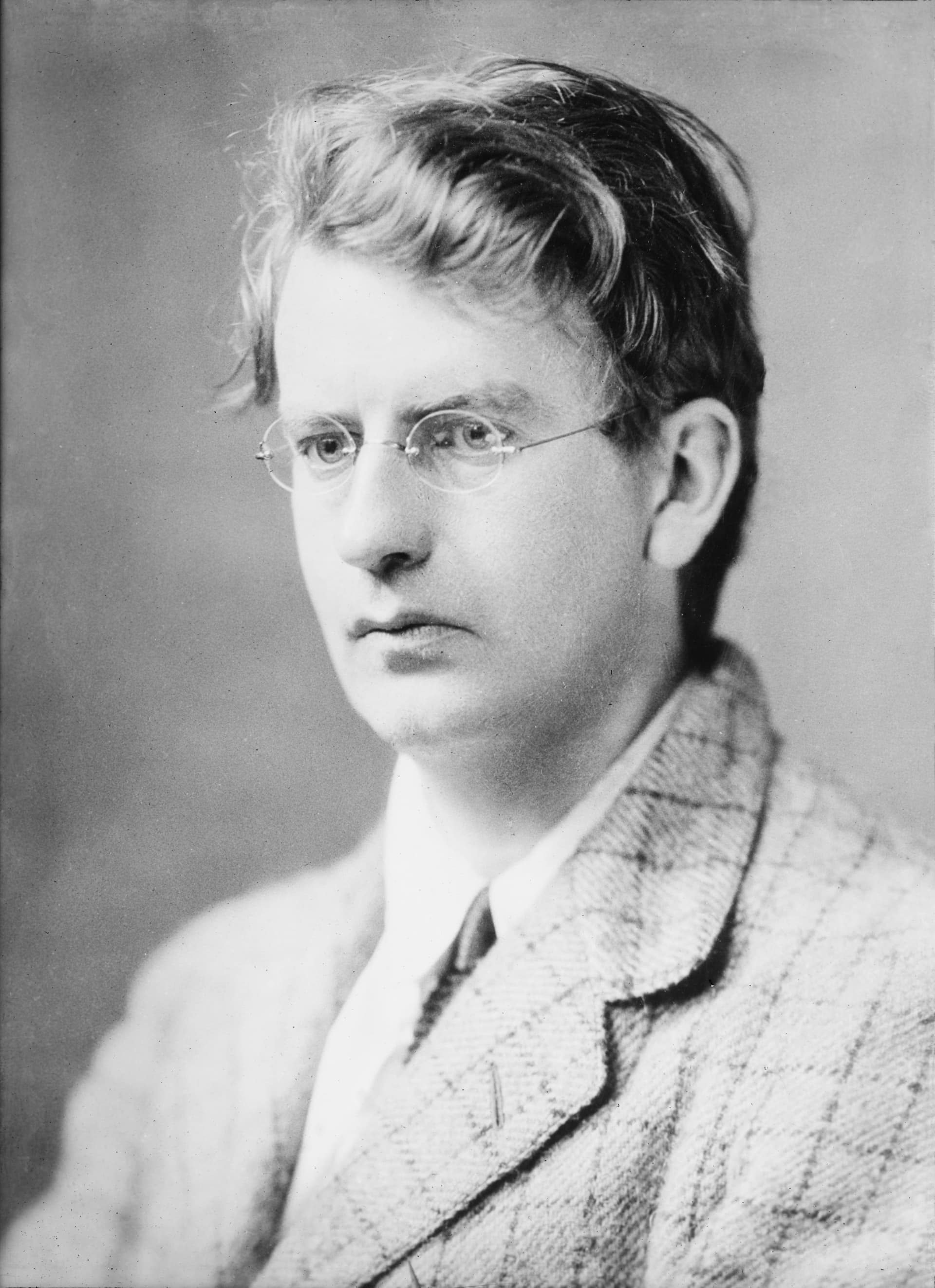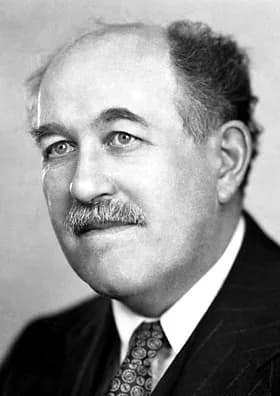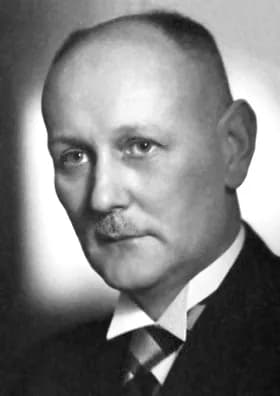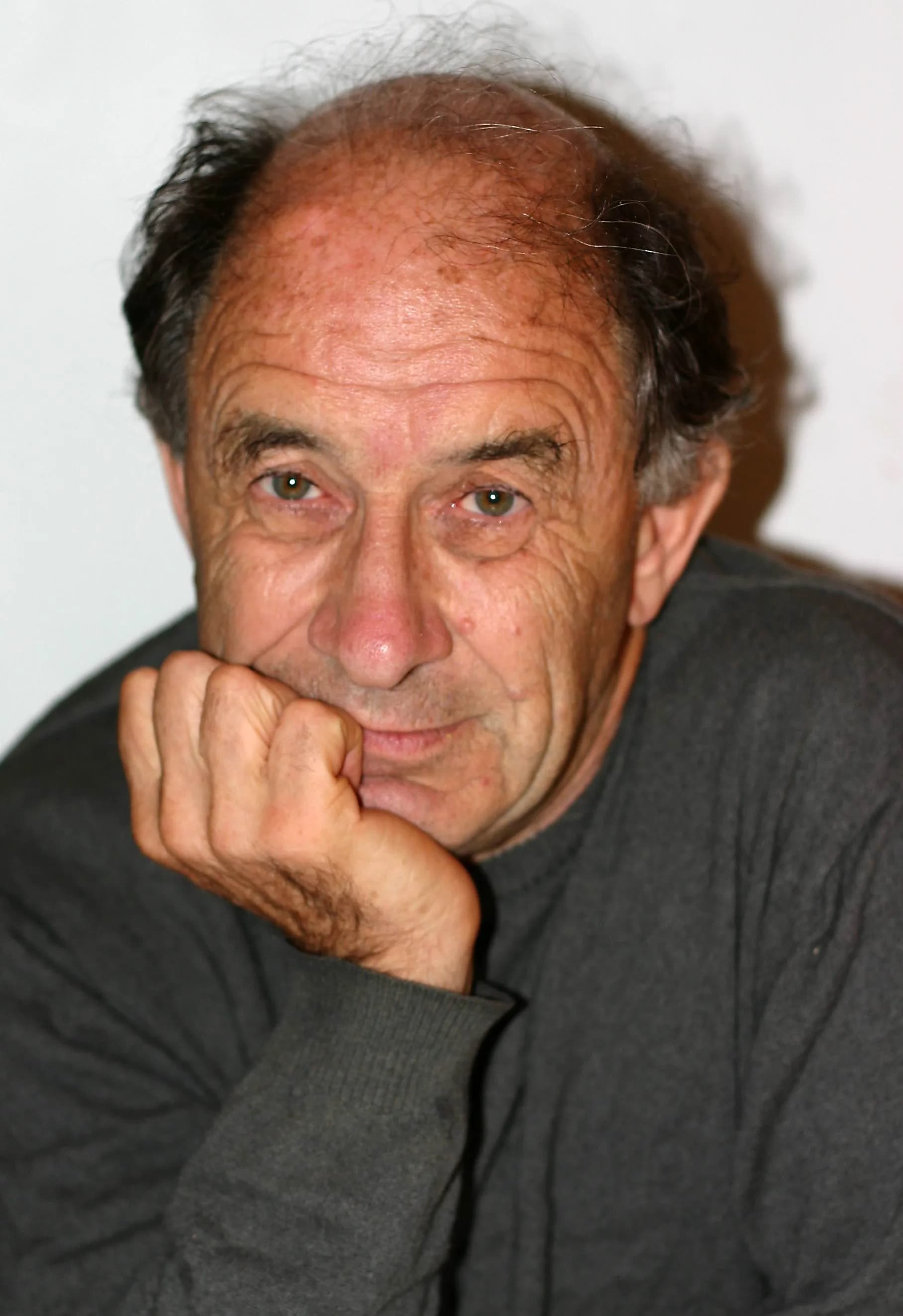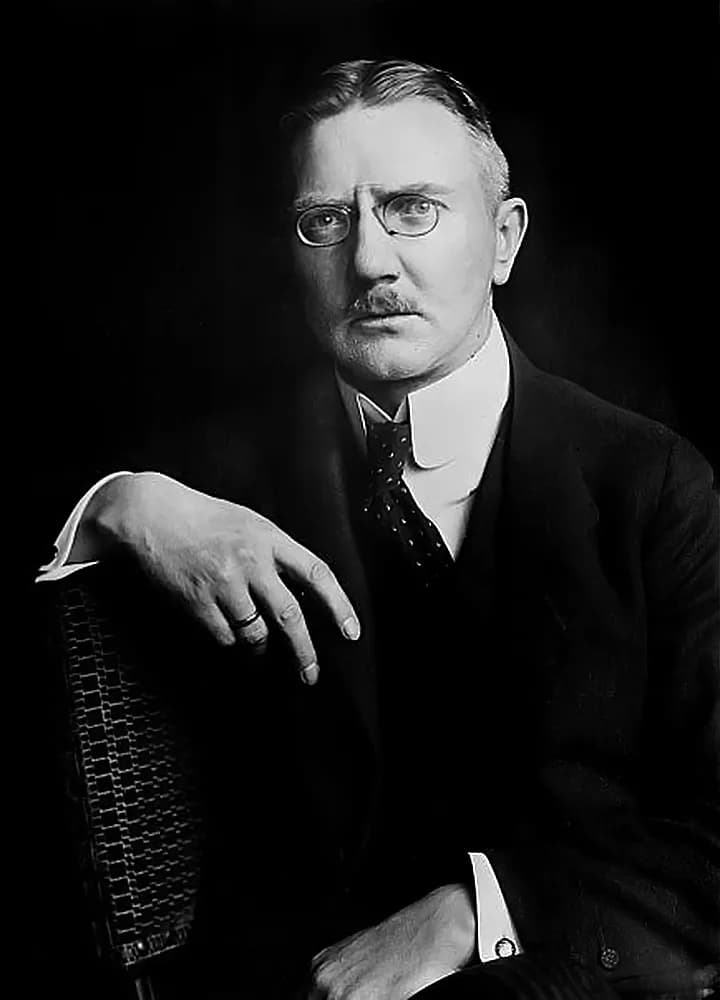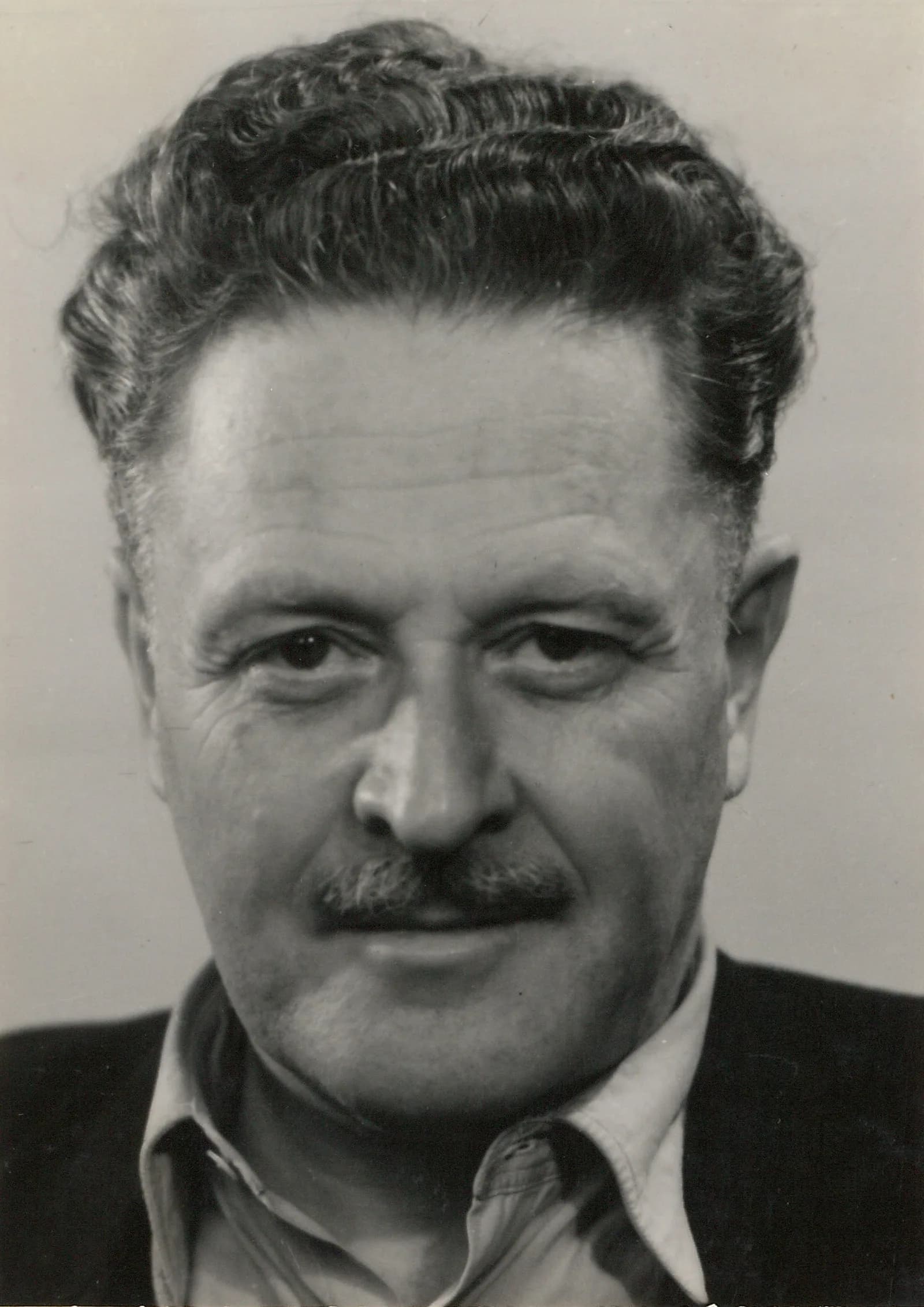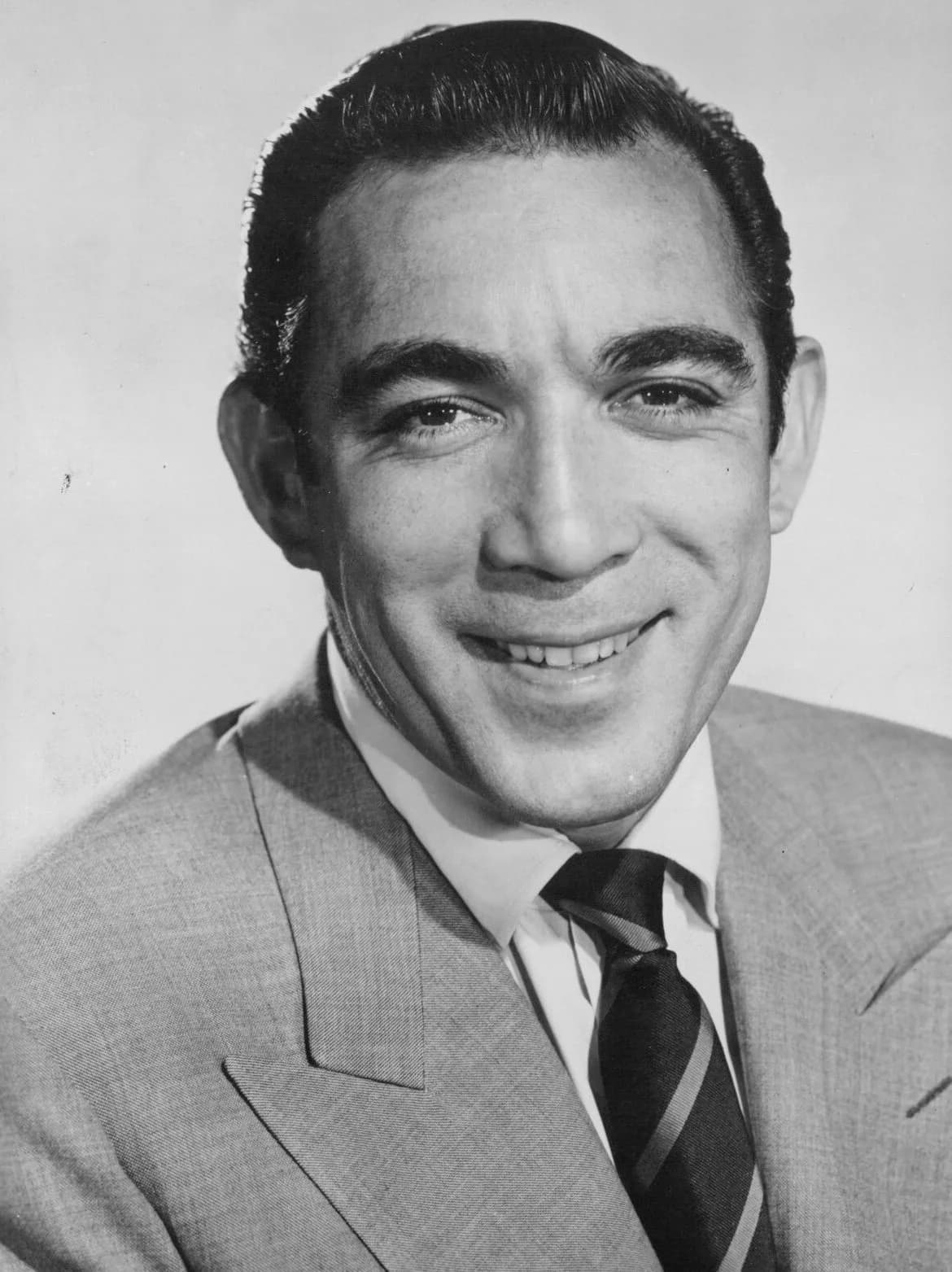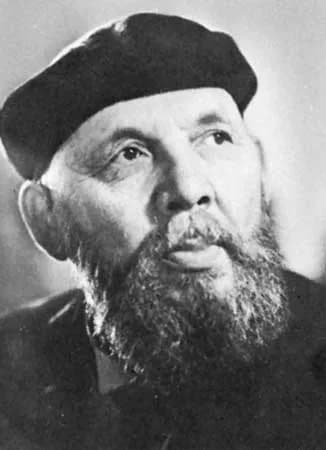
Народився(лася)
September 16, 1888
Hämeenkyrö, Finland
Помер(ла)
June 3, 1964
Helsinki, Finland
Відомий(а) завдяки
Finnish writer
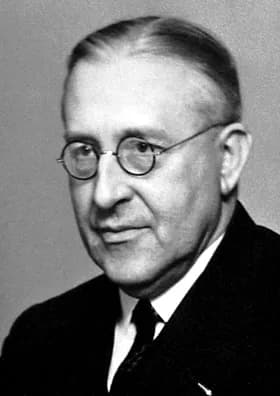
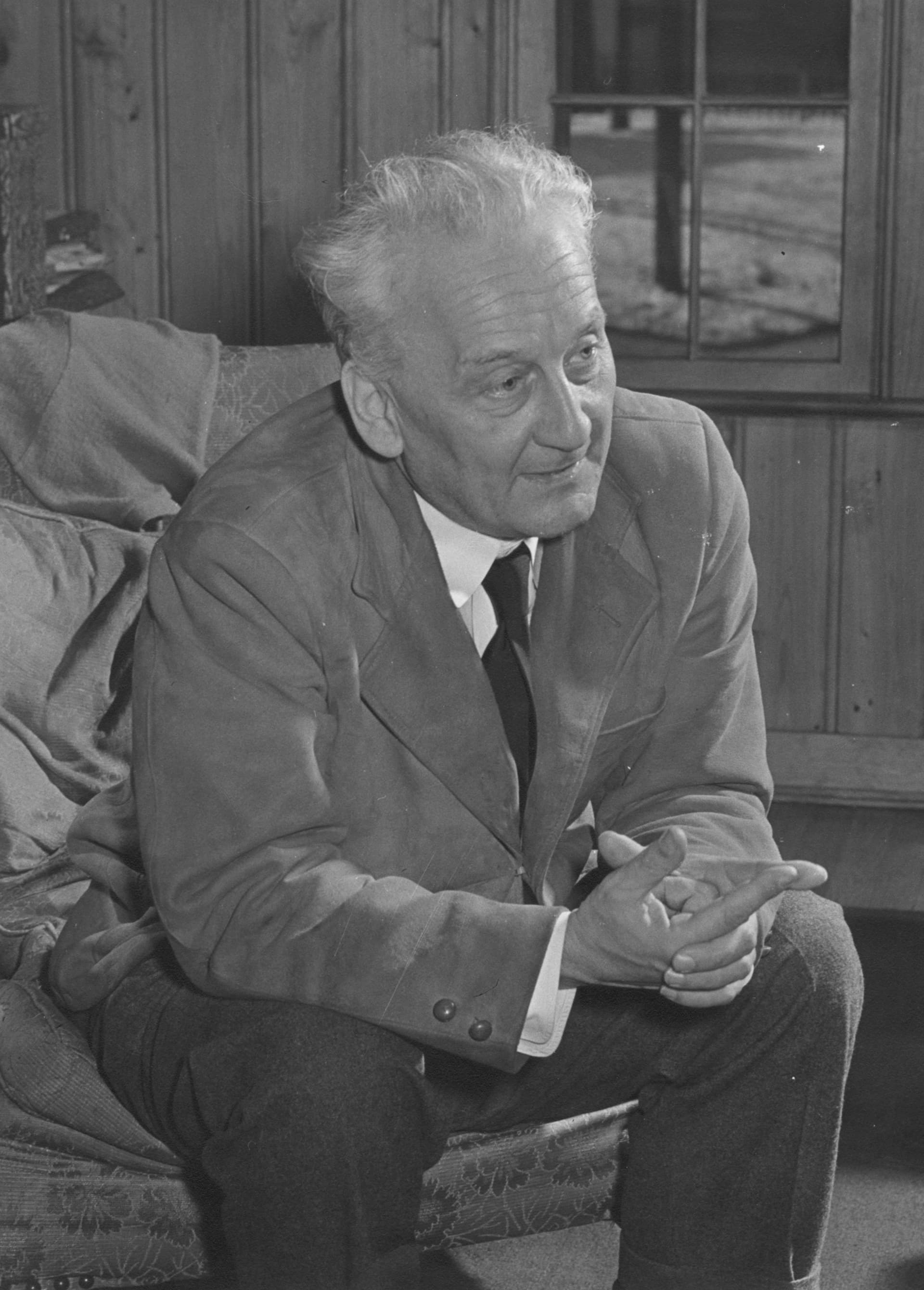
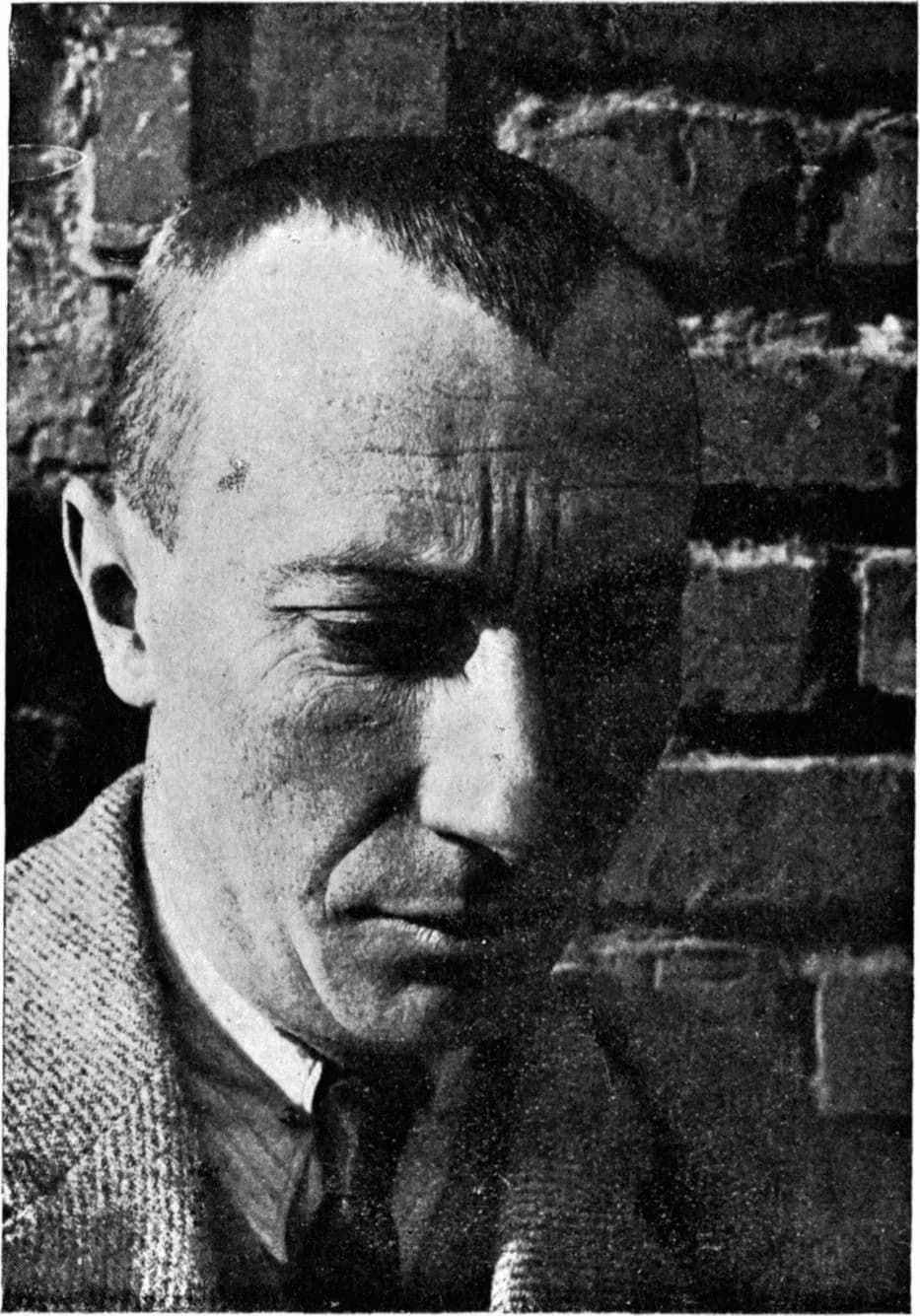
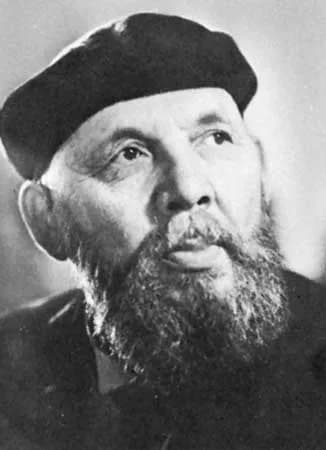
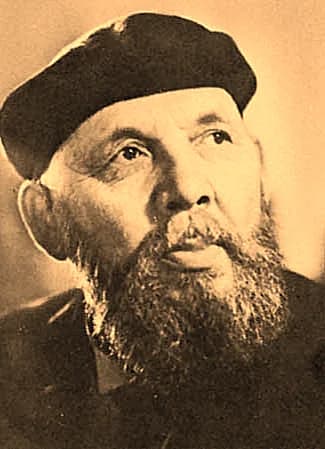
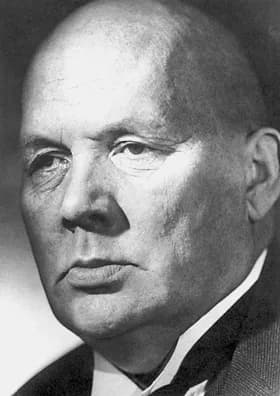
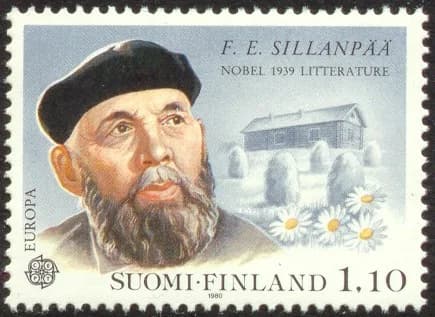
Frans Eemil Sillanpää (1888–1964) was a Finnish writer from Hämeenkyrö who became the first Finnish author to win the Nobel Prize for Literature in 1939. He was recognized for his masterful portrayal of Finnish peasantry and their relationship with nature. His works captured the essence of rural Finnish life with exceptional artistic skill.
Життя в моментах
Моменти, що сформували життя
Розділ
Розділи життя
Розділ 1 · 1888· Розділ 1 з 6
Early Life and Origins
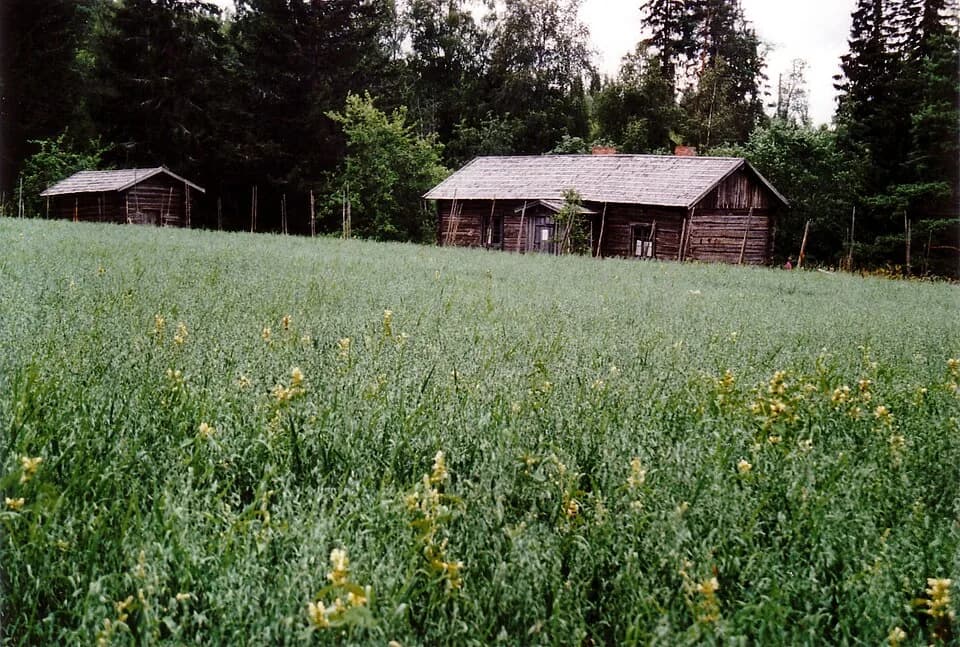
Frans Eemil Sillanpää was born on September 16, 1888, in Hämeenkyrö, a municipality in the Pirkanmaa region of Finland. Growing up in this rural Finnish community during the late 19th century, Sillanpää was immersed from childhood in the agrarian culture that would later become the central theme of his literary works. The landscapes, traditions, and people of his hometown would provide the foundation for his understanding of Finnish peasant life.
His early years in Hämeenkyrö exposed him to the rhythms of rural existence, the changing seasons, and the close relationship between the Finnish people and their natural environment. This formative experience in the Finnish countryside would prove invaluable to his later success as a writer, providing him with authentic material and genuine insight into the lives he would portray in his novels and poetry.
Розділ 2· Розділ 2 з 6
Career Beginnings
Sillanpää began his literary journey as both a poet and novelist, drawing inspiration from his intimate knowledge of rural Finnish life. His early works established him as a voice for the common people of Finland, particularly those living in the countryside. He wrote with an authenticity that could only come from someone who had lived among the peasantry he portrayed.
His writing style combined lyrical prose with realistic depictions of rural life, creating a unique literary voice that resonated with Finnish readers. Sillanpää's ability to capture both the hardships and beauty of peasant life set him apart from other writers of his era, establishing his reputation as a significant literary talent in Finland.
Розділ 3 · 1939· Розділ 3 з 6
Major Achievements and Career Highlights
The pinnacle of Sillanpää's career came in 1939 when he was awarded the Nobel Prize for Literature, making him the first Finnish writer to receive this prestigious honor. The Nobel Committee specifically recognized his exceptional ability to portray Finnish peasantry and their relationship with nature, praising the artistic excellence with which he brought these rural characters to life on the page.
This historic achievement not only elevated Sillanpää's international profile but also brought significant attention to Finnish literature as a whole. His Nobel Prize win was a source of national pride for Finland and helped establish the country's literary tradition on the world stage. The recognition validated his lifelong dedication to chronicling the lives of ordinary Finnish people with extraordinary literary skill.
Розділ 4· Розділ 4 з 6
Notable Works and Literary Contributions
Among Sillanpää's most celebrated works is "Miehen tie" (The Way of a Man), which exemplifies his masterful portrayal of Finnish rural life. Another significant work, "The maid Silja," showcased his ability to create compelling female characters within the context of peasant society. These novels demonstrated his talent for weaving together individual human stories with broader themes about Finnish culture and identity.
His work "Das fromme Elend" further established his reputation beyond Finland's borders, while other works like "אנשים בליל קיץ" (People on a Summer Night) continued to explore the themes that defined his literary career. Each of these works contributed to his reputation as a master storyteller who could capture the essence of Finnish peasant life with both accuracy and artistic beauty.
Розділ 5· Розділ 5 з 6
Later Years and Final Period
Following his Nobel Prize victory, Sillanpää continued to write and maintain his literary output, though the international recognition brought new pressures and expectations. He remained committed to his central themes of rural life and the relationship between humans and nature, continuing to draw from his deep well of experience and observation of Finnish peasant culture.
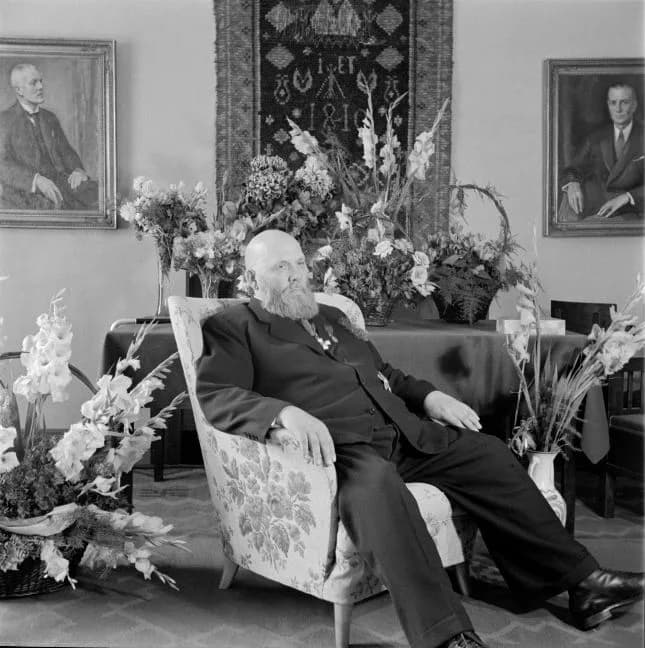
In his final years, Sillanpää moved to Helsinki, Finland's capital, where he spent his remaining time until his death on June 3, 1964. Despite living in the urban environment of Helsinki, his heart and literary focus remained with the rural landscapes and people who had inspired his greatest works. His transition from the countryside of Hämeenkyrö to the cosmopolitan atmosphere of Helsinki marked the full arc of his remarkable life.
Розділ 6· Розділ 6 з 6
Legacy and Lasting Impact
Frans Eemil Sillanpää's influence on Finnish literature and culture extends far beyond his individual works. As Finland's first Nobel laureate in literature, he opened doors for future Finnish writers and helped establish the country's literary reputation internationally. His authentic portrayal of peasant life preserved important aspects of Finnish rural culture for future generations.
His literary legacy lies in his unique ability to elevate simple rural stories into universal themes about humanity's relationship with nature and community. Sillanpää proved that stories rooted in specific local experiences could speak to readers worldwide, earning him a permanent place among the great writers of the 20th century. His work continues to be studied and appreciated as both a chronicle of Finnish rural life and as literature of enduring artistic merit.
FAQ
Часті запитання
Коли помер(ла) Frans Eemil Sillanpää?
Frans Eemil Sillanpää помер(ла) 3 червня 1964 р. у Helsinki, Finland у віці 75 років.
Де народився(лася) Frans Eemil Sillanpää?
Frans Eemil Sillanpää народився(лася) у Hämeenkyrö, Finland 16 вересня 1888 р..
Чим найбільше відомий(а) Frans Eemil Sillanpää?
Frans Eemil Sillanpää найбільше відомий(а) за Finnish writer.
Скільки років було Frans Eemil Sillanpää на момент смерті?
Frans Eemil Sillanpää було 75 років на момент смерті.
Якої національності був(ла) Frans Eemil Sillanpää?
Frans Eemil Sillanpää був(ла) з Finland.
Хронологія
Життя стисло
Фотогалерея
Життя у світлинах
Натисніть на будь-яке полароїдне фото, щоб збільшити · 43 фотографій
QR-код
Поділитися цією біографією
Друк і поширення
Скануйте, щоб відвідати цю біографічну сторінку. Друкуйте для подій, виставок або освітніх матеріалів.