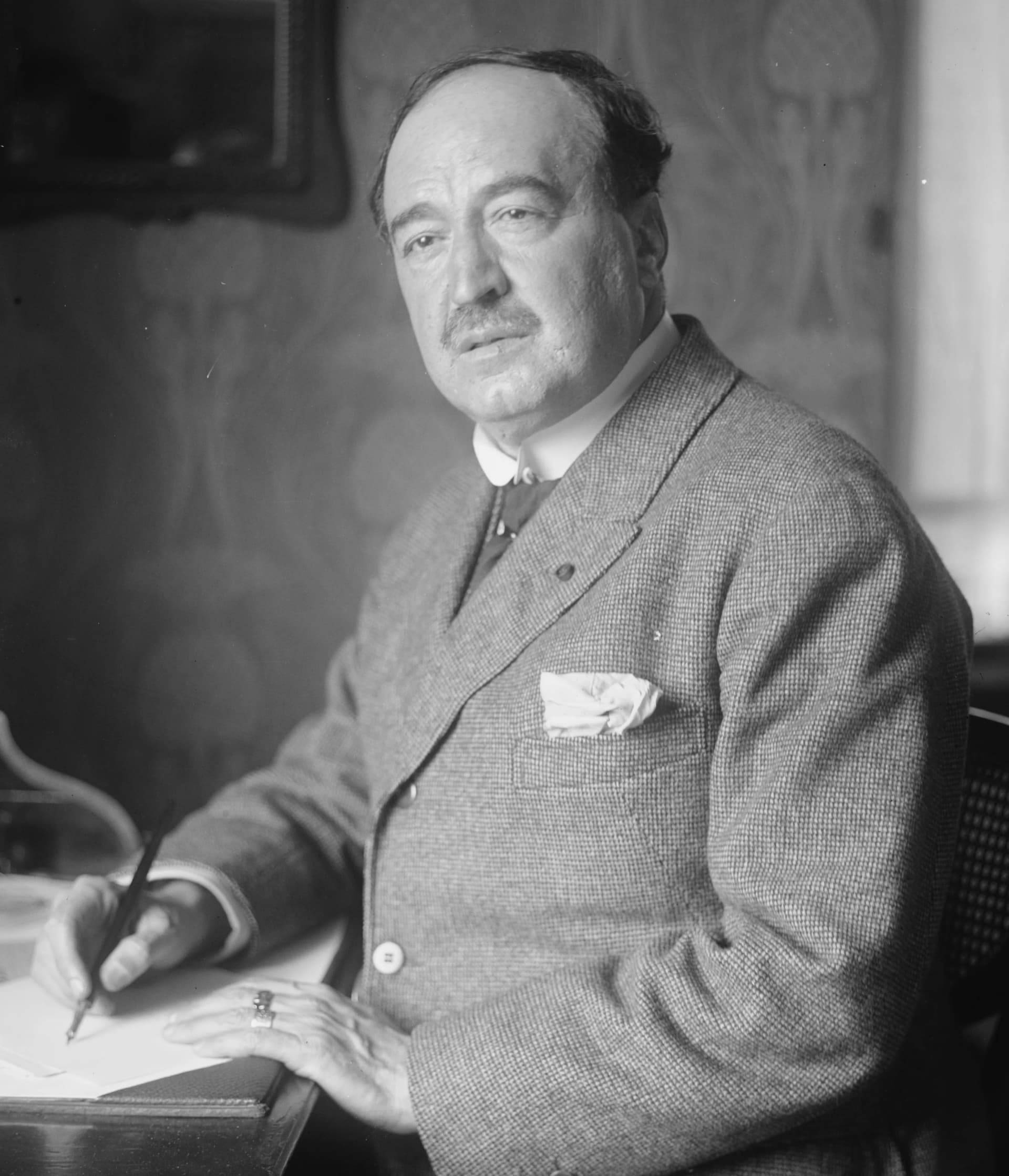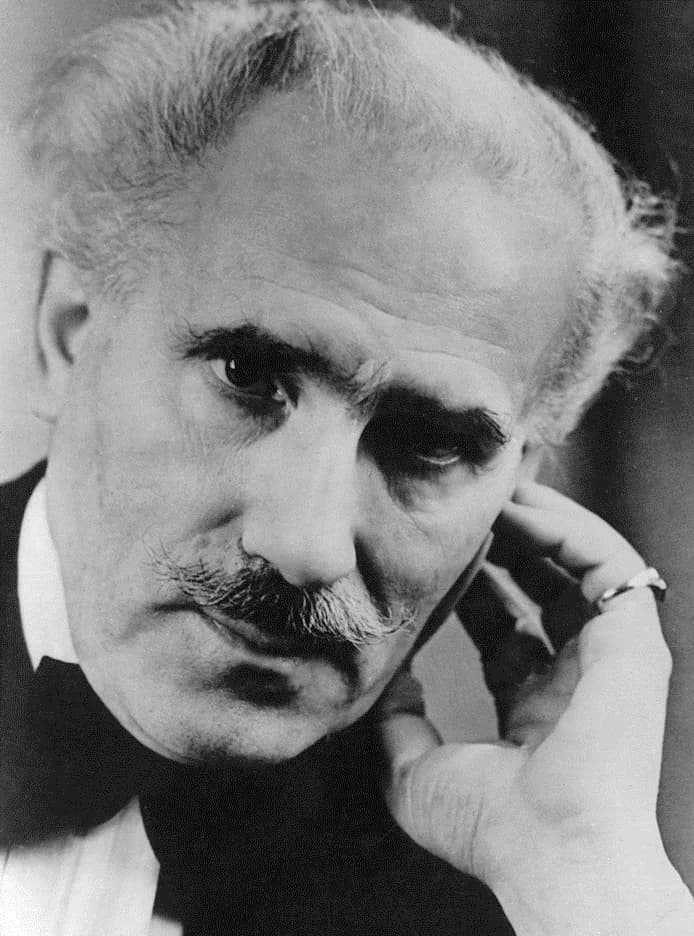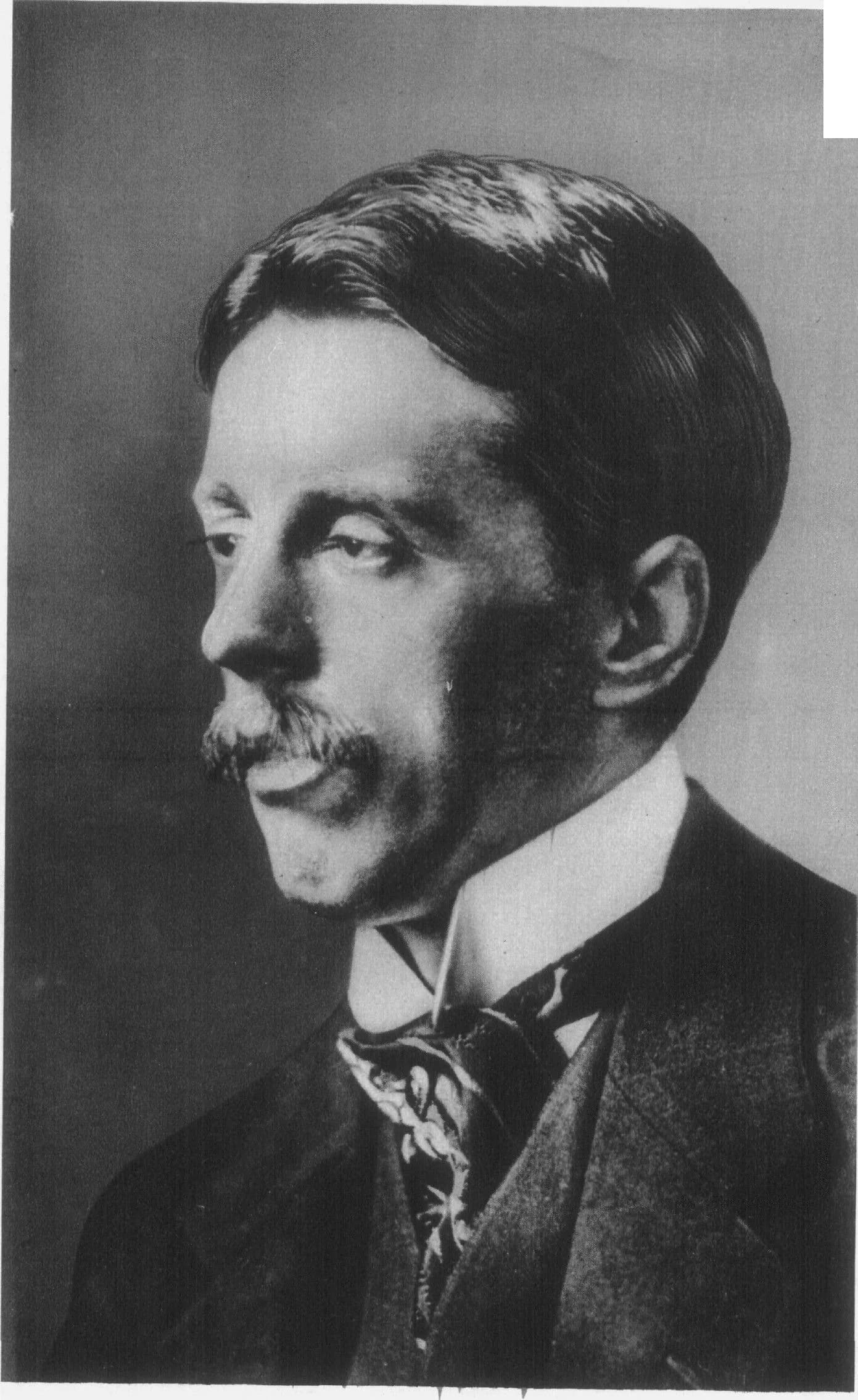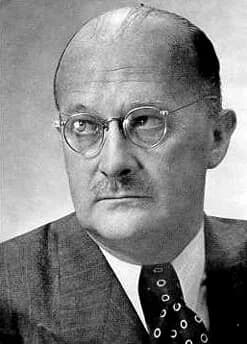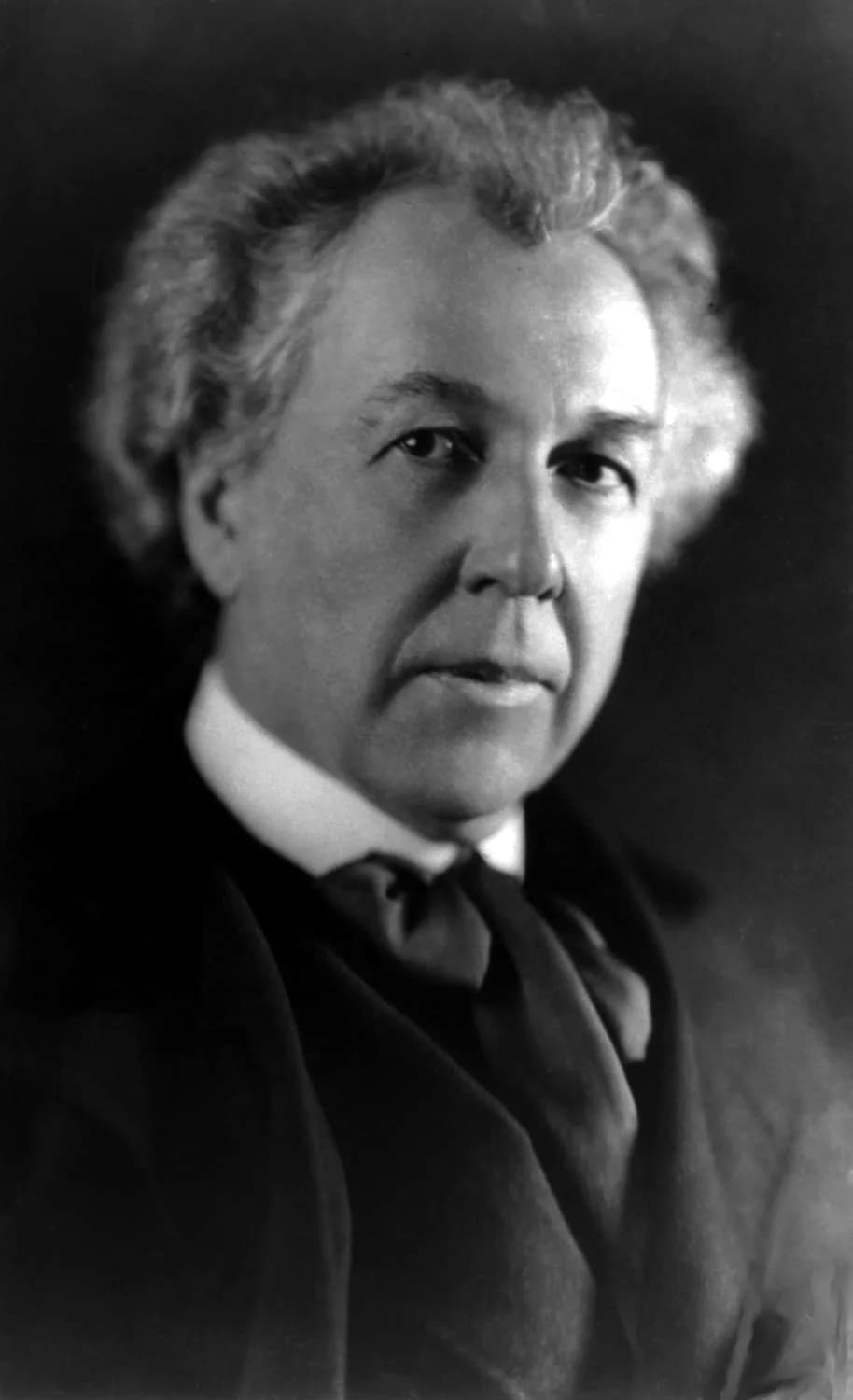
Народився(лася)
June 8, 1867
Richland Center, United States
Помер(ла)
April 9, 1959
Phoenix, United States
Відомий(а) завдяки
American architect
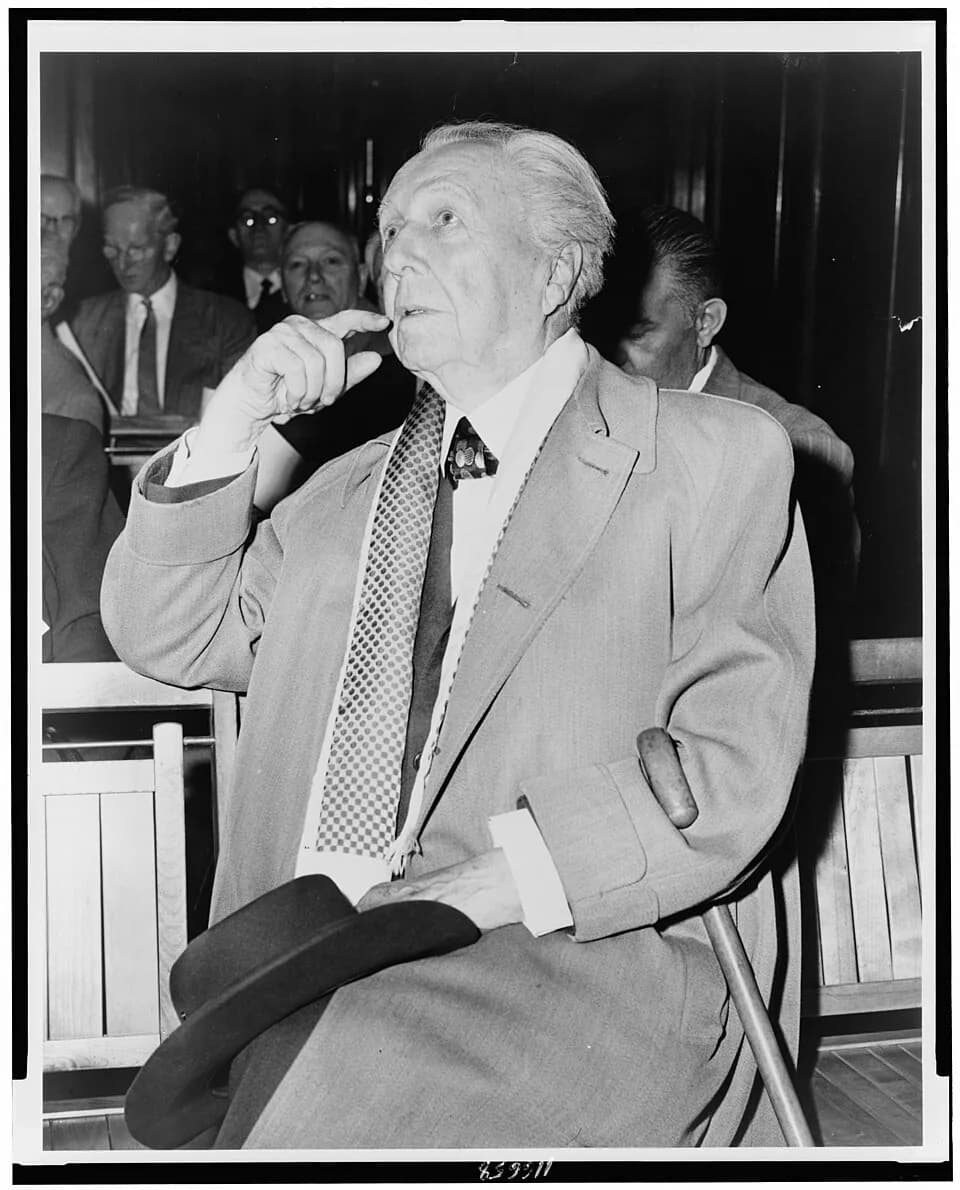
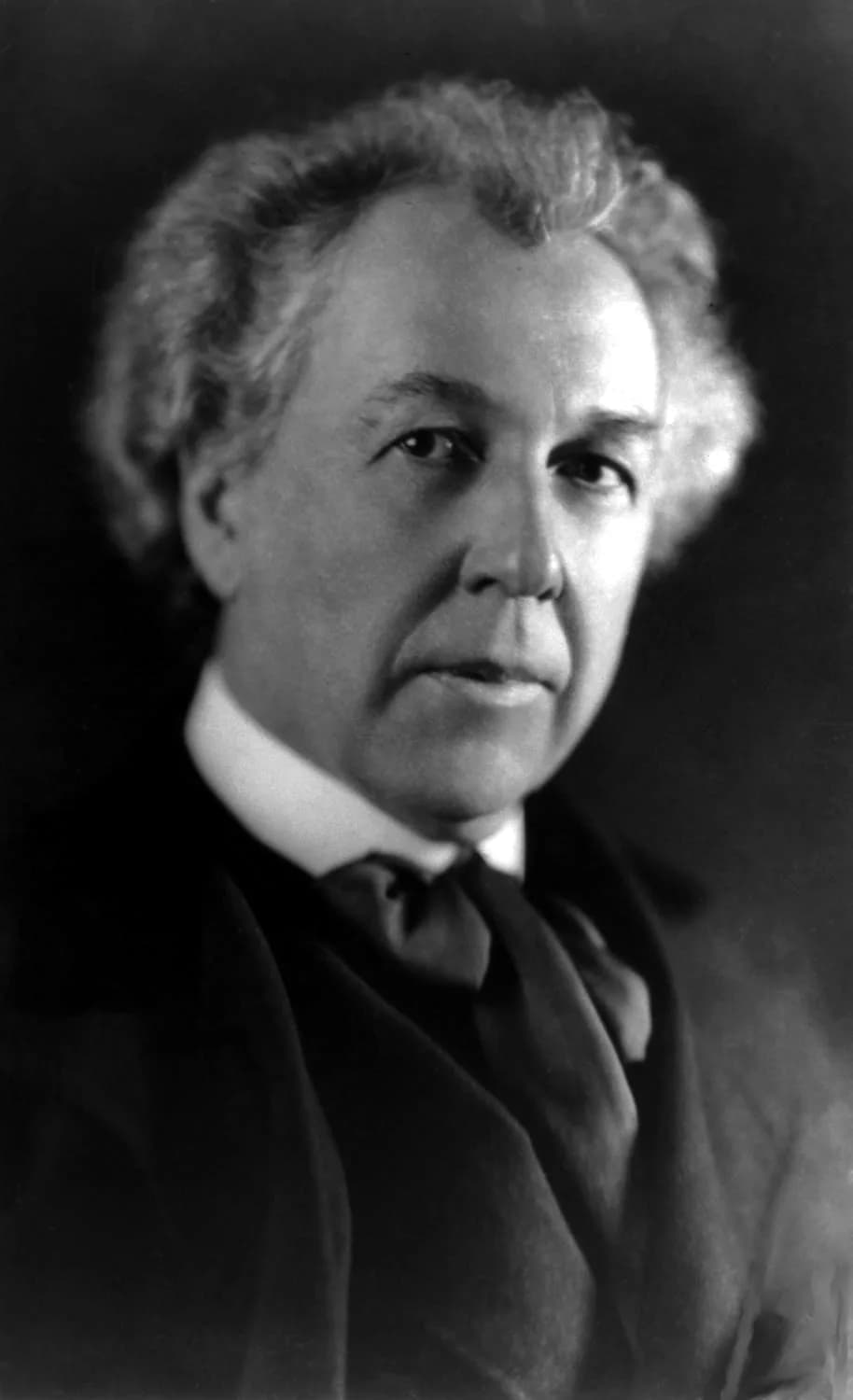
Frank Lloyd Wright (1867–1959) was United States best known for American architect.
Frank Lloyd Wright (June 8, 1867 – April 9, 1959) was an American architect, designer, and writer. He pioneered organic architecture, designing over 1,000 structures, including the iconic Fallingwater. His work significantly influenced twentieth-century architectural movements and continues to inspire designers globally.
Життя в моментах
Моменти, що сформували життя
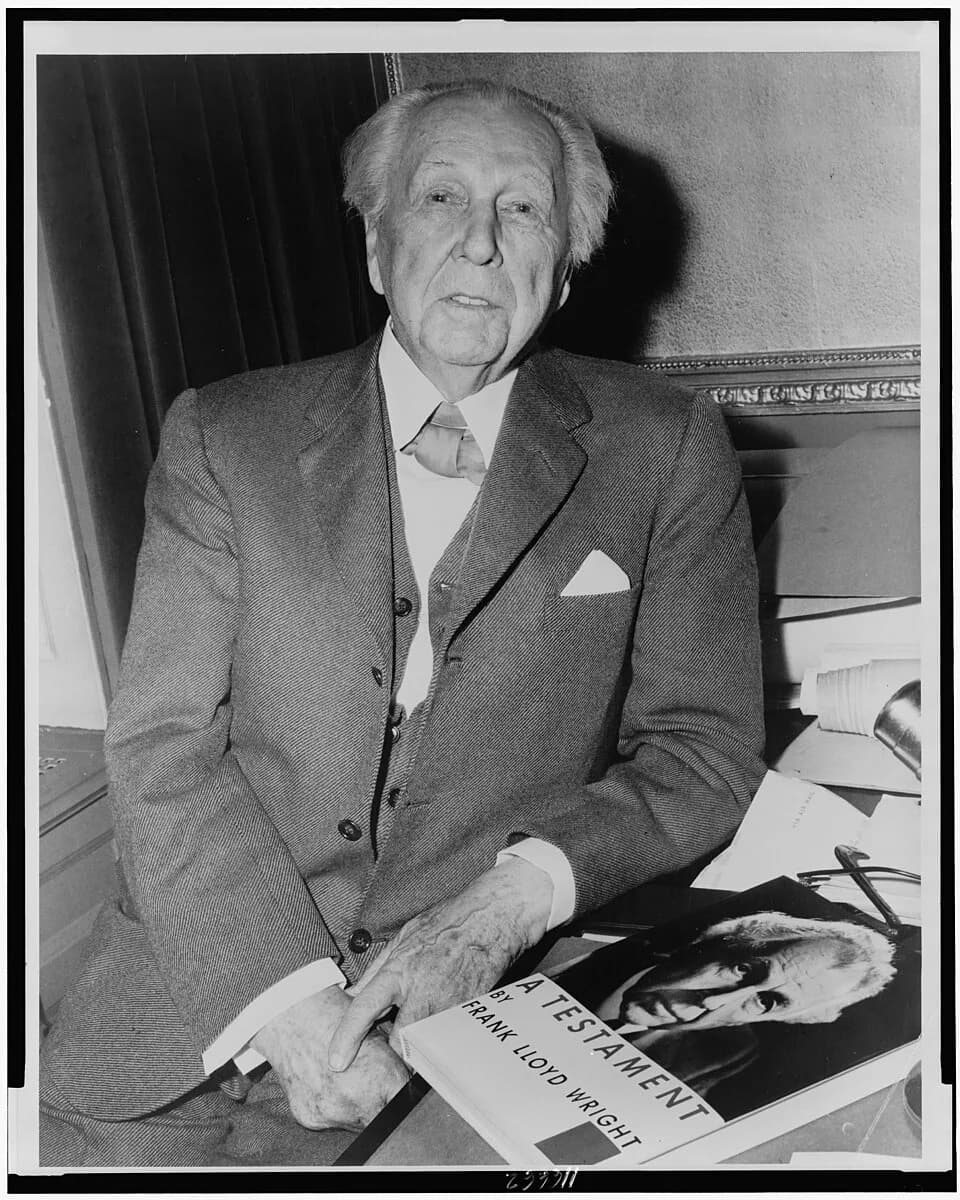
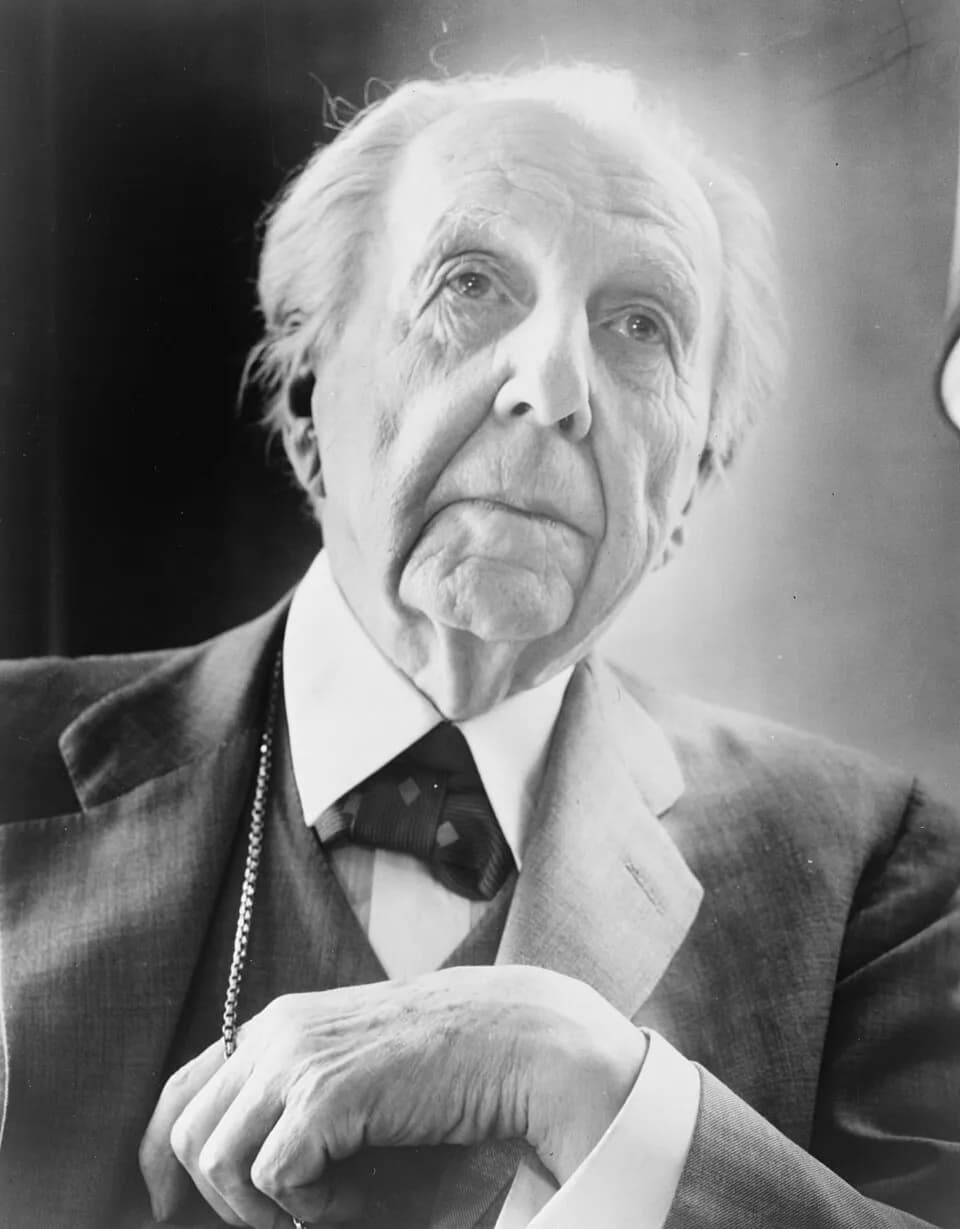
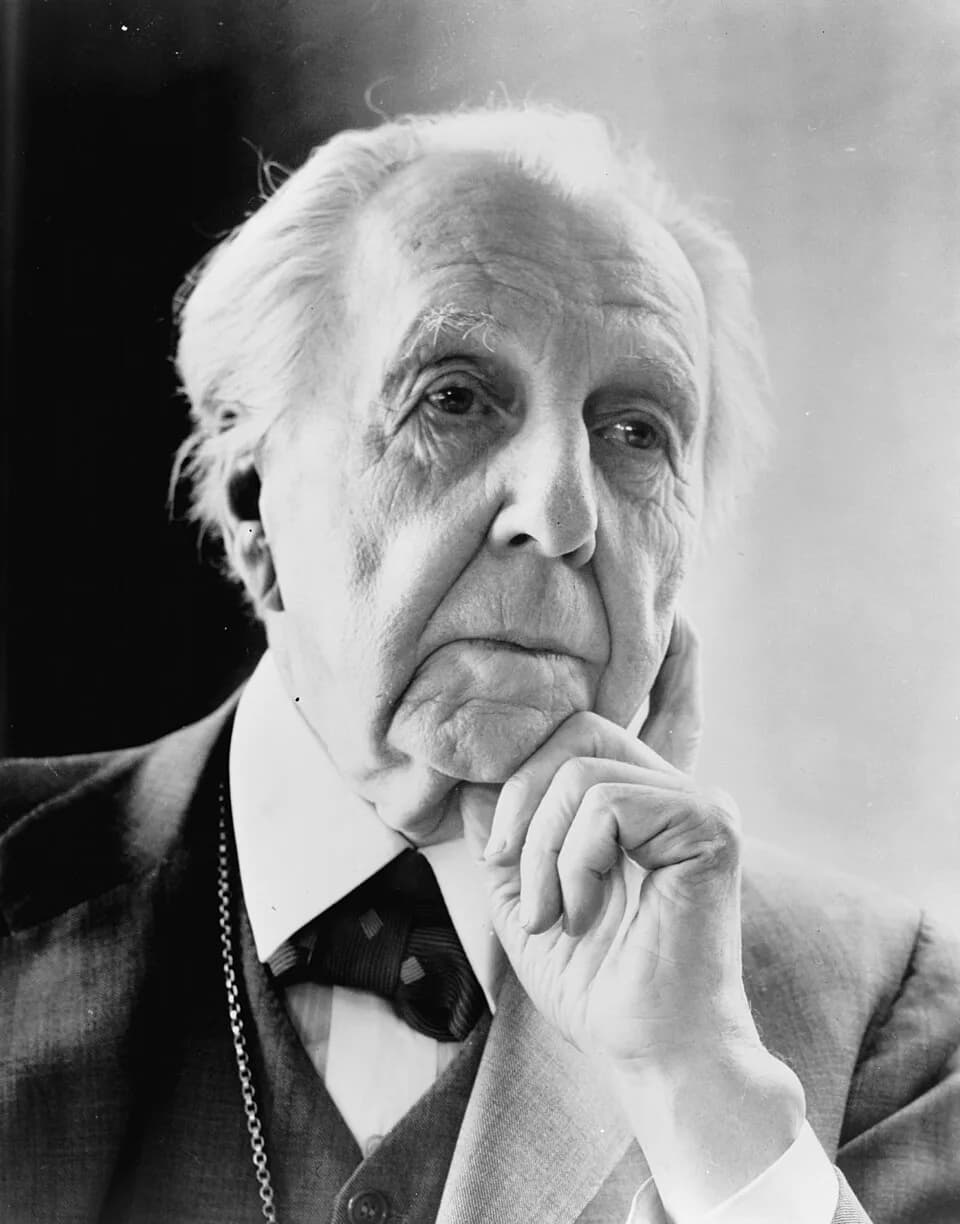
Розділ
Розділи життя
Розділ 1 · 1867· Розділ 1 з 6
Early Life and Origins
Frank Lloyd Wright was born on June 8, 1867, in Richland Center, United States. His birth in the American Midwest would subtly influence his design sensibilities, connecting him to the expansive landscapes. While details of his upbringing are not extensively provided, his early life in the United States certainly shaped his perspective on environment and design.
Розділ 2· Розділ 2 з 6
Career Beginnings
Wright embarked on his architectural career with an ambitious vision that quickly distinguished him. His foundational work laid the groundwork for a seventy-year creative period, demonstrating an early and consistent dedication to his profession. He developed an approach to design that was both innovative and deeply considered, setting the stage for his future successes.
Розділ 3· Розділ 3 з 6
Major Achievements and Career Highlights
A defining characteristic of Wright's career was his articulation and application of "organic architecture." This philosophy championed the integration of buildings with their surroundings, creating a seamless connection between structure and nature. Wright believed that buildings should develop from their specific sites, using local materials and responding to the local climate.
Through his extensive body of work, Wright significantly shaped architectural thought during the twentieth century. He influenced architects globally, inspiring new approaches to design and construction. His vision extended beyond individual projects to broader movements that redefined modern architecture.
The Taliesin Fellowship was a crucial institution established by Wright, where he mentored hundreds of apprentices. This educational endeavor allowed him to directly transmit his architectural principles and design philosophy to a new generation. The fellowship fostered a community of learning and creative exploration under his guidance.
His creative output spanned an impressive 70 years, culminating in designs for more than 1,000 structures. This prolific career underscores his sustained impact and tireless dedication to the field of architecture. His contributions extended beyond building design, encompassing roles as a writer, urban planner, and designer.
Розділ 4 · 1935· Розділ 4 з 6
Notable Works or Contributions
Among his most celebrated architectural creations is Fallingwater, completed in 1935. This residence in rural Pennsylvania is a direct manifestation of organic architecture, famously cantilevered over a waterfall and blending harmoniously with its natural setting. Fallingwater has been widely acclaimed as "the best all-time work of American architecture" for its audacious design and environmental integration.
Another significant architectural achievement is The Ennis-Brown house, which showcases Wright's mastery of textile block construction and distinctive ornamentation. Beyond full-scale buildings, Wright meticulously designed interior elements and furnishings. His vision for a complete environment is evident in pieces like the "Living Room from the Francis W. Little House: Windows and paneling" (1912–14), which demonstrates his attention to every detail of a space.Wright's artistic range is further displayed through his collection of unique furniture. This includes the "Armchair" (ca. 1902–3) and other armchairs from 1908 and 1937–39, each reflecting his evolving design aesthetic. The "Spindle Cube Chair" (1902–6) is another example of his innovative approach to furniture design, merging form and function.
His distinct approach to windows and decorative glass is particularly noteworthy, as seen in the "Darwin D. Martin House: 'Tree of Life' Window" (1904). The "Triptych Window from the Coonley Playhouse, Riverside, Illinois" (1912) and the "Window" from the Emil Bach House (c. 1915) further illustrate his skill in incorporating art into architecture. Even specific details like the "Leaded Glass Window" from the Robert W. Evans House (c. 1908) speak to his meticulous artistic hand.
Wright also conceived various practical and aesthetic interior items, such as the "Table" (1912–14) and several desks (1908, 1937–39). A unique "Vase" (1890–1900) also highlights his broader design interests and artistic sensibilities. These smaller scale works demonstrate his consistent desire to integrate design across all elements of a living space.
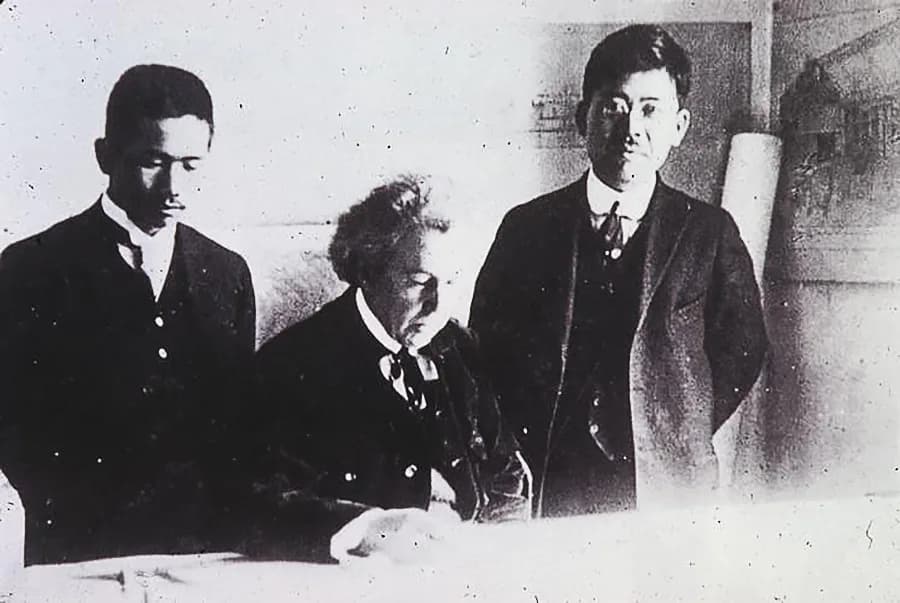
His professional roles extended beyond architecture, encompassing writing, urban planning, and designing various objects. As a writer, he penned "Frank Lloyd Wright, An autobiography," providing invaluable insights into his philosophical approach and experiences. He was also a printseller and print collector, particularly engaged with Japanese prints, as highlighted by the "Frank Lloyd Wright, Japanese prints Exhibition."
Розділ 5 · 1959· Розділ 5 з 6
Later Years
Wright maintained his extraordinary creative drive and continued to design significant projects throughout his later life, a testament to his enduring passion. His long career culminated in a lifetime of architectural achievement, shaping the environments of countless individuals. Frank Lloyd Wright passed away on April 9, 1959, in Phoenix, United States, leaving an architectural heritage that continues to inspire.
Розділ 6· Розділ 6 з 6
Legacy and Impact
The philosophy of organic architecture, pioneered by Wright, fundamentally changed perceptions of building design. His emphasis on harmonizing structures with their natural surroundings became a guiding principle for many subsequent architects and designers. Through his extensive works, influential writings, and the mentorship provided at the Taliesin Fellowship, Frank Lloyd Wright solidified his place as a visionary figure whose legacy continues to be studied and admired worldwide.
FAQ
Часті запитання
Коли помер(ла) Frank Lloyd Wright?
Frank Lloyd Wright помер(ла) 9 квітня 1959 р. у Phoenix, United States у віці 91 років.
Де народився(лася) Frank Lloyd Wright?
Frank Lloyd Wright народився(лася) у Richland Center, United States 8 червня 1867 р..
Чим найбільше відомий(а) Frank Lloyd Wright?
Frank Lloyd Wright найбільше відомий(а) за American architect.
Скільки років було Frank Lloyd Wright на момент смерті?
Frank Lloyd Wright було 91 років на момент смерті.
Якої національності був(ла) Frank Lloyd Wright?
Frank Lloyd Wright був(ла) з United States.
Хронологія
Життя стисло
Фотогалерея
Життя у світлинах
Натисніть на будь-яке полароїдне фото, щоб збільшити · 24 фотографій
QR-код
Поділитися цією біографією
Друк і поширення
Скануйте, щоб відвідати цю біографічну сторінку. Друкуйте для подій, виставок або освітніх матеріалів.