Народився(лася)
November 7, 1888
Tiruchirappalli, India
Помер(ла)
November 21, 1970
Bengaluru, India
Відомий(а) завдяки
Indian physicist
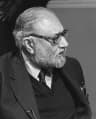
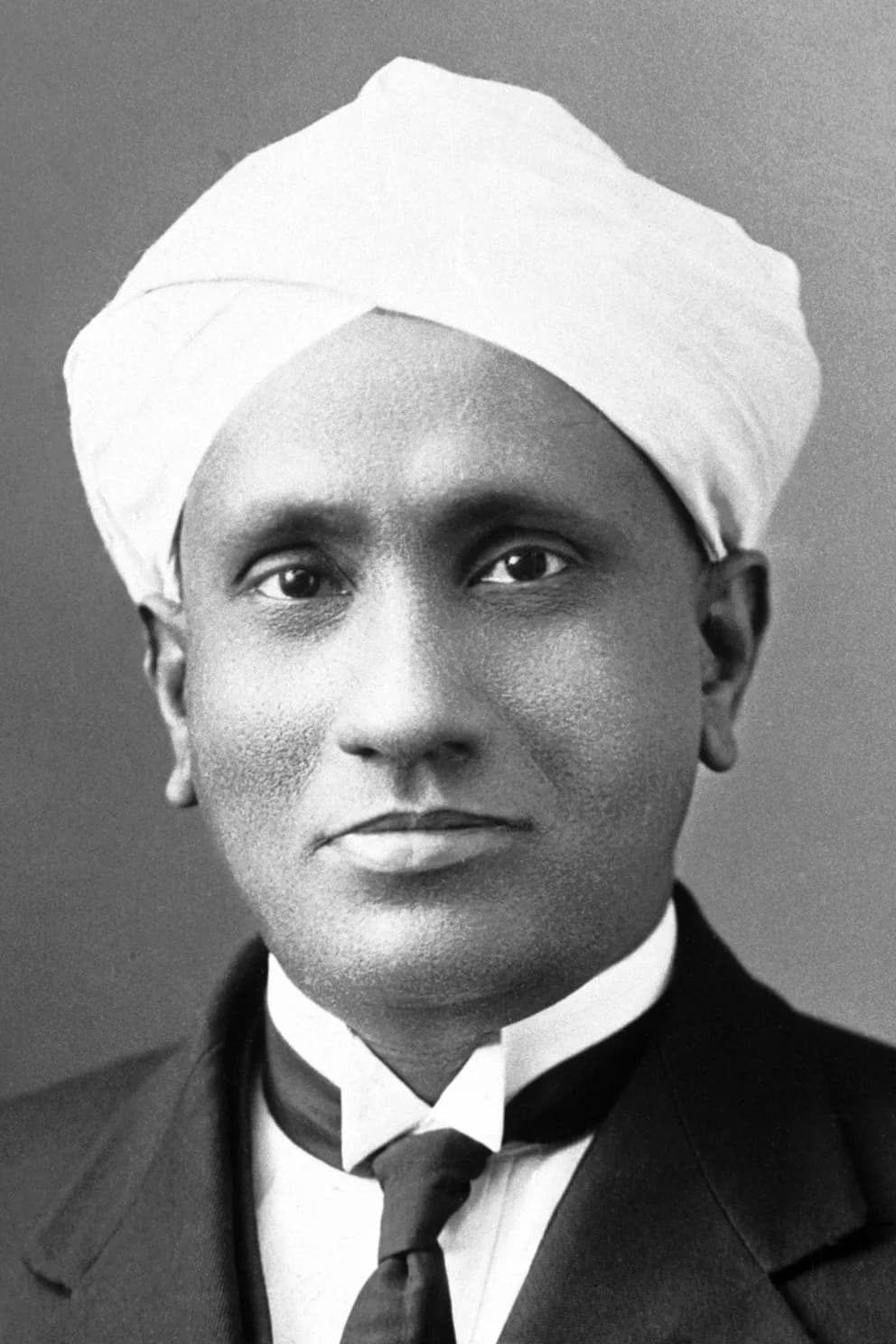
Chandrasekhara Venkata Raman (1888–1970) was India best known for Indian physicist.
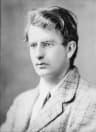
Chandrasekhara Venkata Raman (November 7, 1888 – November 21, 1970) was an Indian physicist. He discovered the Raman effect, where deflected light changes wavelength when traversing transparent material, for which he received the 1930 Nobel Prize in Physics. His work revolutionized the understanding of light scattering.
Розділ
Розділи життя
Розділ 1 · 1888· Розділ 1 з 7
Early Life and Origins
Born on November 7, 1888, in the vibrant city of Tiruchirappalli, India, Chandrasekhara Venkata Raman's early years were spent in an environment that would eventually shape his scientific aspirations. This culturally rich birthplace provided the initial setting for the inquisitive mind of the young Raman. His academic journey began here, laying the foundation for a life dedicated to unraveling the mysteries of the physical world.
Розділ 2· Розділ 2 з 7
Career Beginnings
Raman embarked on his distinguished professional journey as a physicist, later transitioning into a respected role as a university teacher. His early career was characterized by an intense curiosity about the properties of light and its behavior. This passion led him to ingeniously develop a specialized spectrograph, an instrument that would prove indispensable for his future research and pivotal scientific discoveries. This period of meticulous experimental work and instrument development was crucial for the insights that would soon follow.
Розділ 3· Розділ 3 з 7
Major Achievements and Career Highlights
The defining moment in Chandrasekhara Venkata Raman's career arrived with the co-discovery of what became known as the Raman effect, a collaborative effort with his student K. S. Krishnan. Their meticulous observations revealed that when light traverses a transparent material, the deflected light undergoes a distinct change in its wavelength. This previously unknown phenomenon of light scattering, which they initially termed "modified scattering," represented a fundamental breakthrough in optics and spectroscopy.
This monumental achievement did not go unnoticed by the global scientific community. In 1930, Raman was deservedly awarded the Nobel Prize in Physics, recognized specifically "for his work on the scattering of light and for the discovery of the effect named after him." This prestigious honor carried additional historical significance, as Raman became the first Asian and non-White person to receive a Nobel Prize in Physics, breaking important barriers and inspiring countless individuals worldwide.
Розділ 4· Розділ 4 з 7
Personal Life
While Chandrasekhara Venkata Raman's extensive professional achievements and scientific contributions are meticulously documented and widely celebrated, specific details regarding his personal life are not extensively available in public records. His unwavering dedication to scientific inquiry, alongside his roles as a prolific physicist, influential university teacher, and meticulous crystallographer, predominantly defined his public persona and enduring legacy. He channeled his energies into the pursuit of knowledge, leaving an indelible mark on the scientific community.
Розділ 5· Розділ 5 з 7
Notable Works or Contributions
At the heart of Raman's scientific legacy lies the identification and comprehensive explanation of the Raman effect itself. The ingenious spectrograph he personally developed was absolutely central to this discovery, providing the precision tools necessary to observe the subtle, yet critical, changes in light wavelengths. This profound scientific breakthrough significantly broadened the understanding of molecular structure, dynamics, and the interaction of radiation with matter, opening new avenues for research and application.
Beyond this singular discovery, Raman's prolific career as an academic and crystallographer yielded a substantial body of scholarly work. His commitment to advancing scientific knowledge is reflected in his impressive h-index of 29, accumulated across a remarkable output of 567 published papers. This extensive publication record underscores his continuous engagement with diverse areas of physics and his lasting influence on scientific thought throughout his active years.
Розділ 6 · 1970· Розділ 6 з 7
Later Years
Chandrasekhara Venkata Raman's life concluded on November 21, 1970, in Bengaluru, India, bringing to an end a distinguished career spanning many decades. Even in his later years, his spirit of inquiry and his foundational contributions continued to resonate deeply within the scientific community. His final years were spent in the country he deeply cherished, leaving behind a profound intellectual inheritance for future generations of scientists to build upon.
Розділ 7· Розділ 7 з 7
Legacy and Impact
The enduring influence of the Raman effect, proudly bearing his name, remains a cornerstone principle in both physics and chemistry today. It serves as an indispensable tool in various advanced analytical techniques, providing insights into material composition and molecular vibrations across numerous scientific disciplines. Raman's pioneering spirit not only dramatically advanced the specific field of light scattering but also had a far-reaching cultural impact. His achievement as the first Asian and non-White Nobel laureate in Physics broke significant societal and academic barriers. His invaluable contributions firmly established him as one of India's most revered scientists and a universally recognized icon of scientific discovery and intellectual courage.
Життя в моментах
Моменти, що сформували життя
FAQ
Часті запитання
Коли помер(ла) Chandrasekhara Venkata Raman?
Chandrasekhara Venkata Raman помер(ла) 21 листопада 1970 р. у Bengaluru, India у віці 82 років.
Де народився(лася) Chandrasekhara Venkata Raman?
Chandrasekhara Venkata Raman народився(лася) у Tiruchirappalli, India 7 листопада 1888 р..
Чим найбільше відомий(а) Chandrasekhara Venkata Raman?
Chandrasekhara Venkata Raman найбільше відомий(а) за Indian physicist.
Скільки років було Chandrasekhara Venkata Raman на момент смерті?
Chandrasekhara Venkata Raman було 82 років на момент смерті.
Якої національності був(ла) Chandrasekhara Venkata Raman?
Chandrasekhara Venkata Raman був(ла) з India.
Хронологія
Життя стисло
Фотогалерея
Життя у світлинах
Натисніть на будь-яке полароїдне фото, щоб збільшити · 44 фотографій
QR-код
Поділитися цією біографією
Друк і поширення
Скануйте, щоб відвідати цю біографічну сторінку. Друкуйте для подій, виставок або освітніх матеріалів.