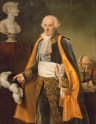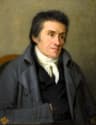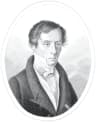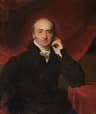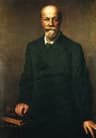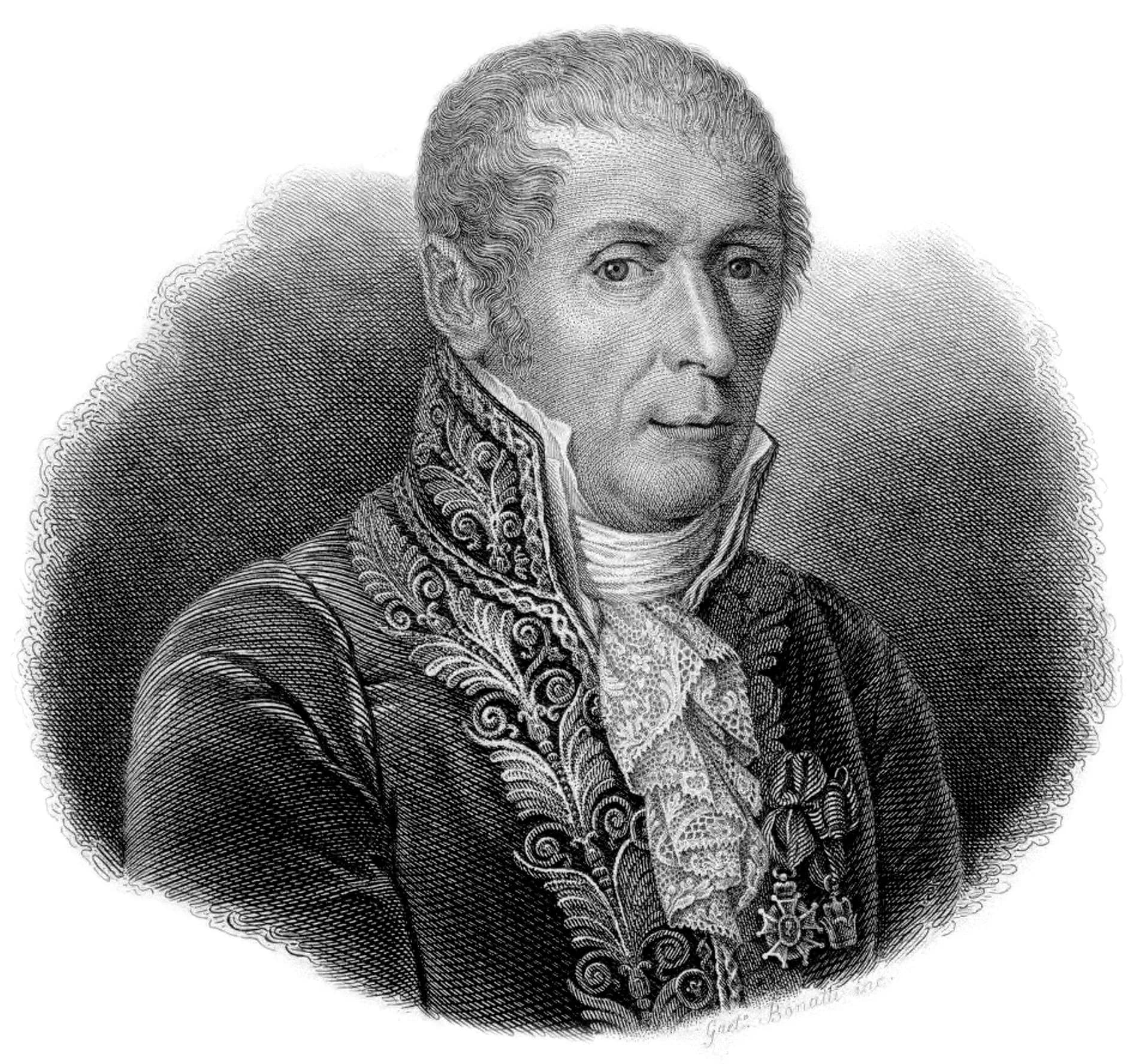
Народився(лася)
February 18, 1745
Como, Italy
Помер(ла)
March 5, 1827
Como, Italy
Відомий(а) завдяки
Italian chemist and physicist
Alessandro Volta (1745–1827) was Italy best known for Italian chemist and physicist.
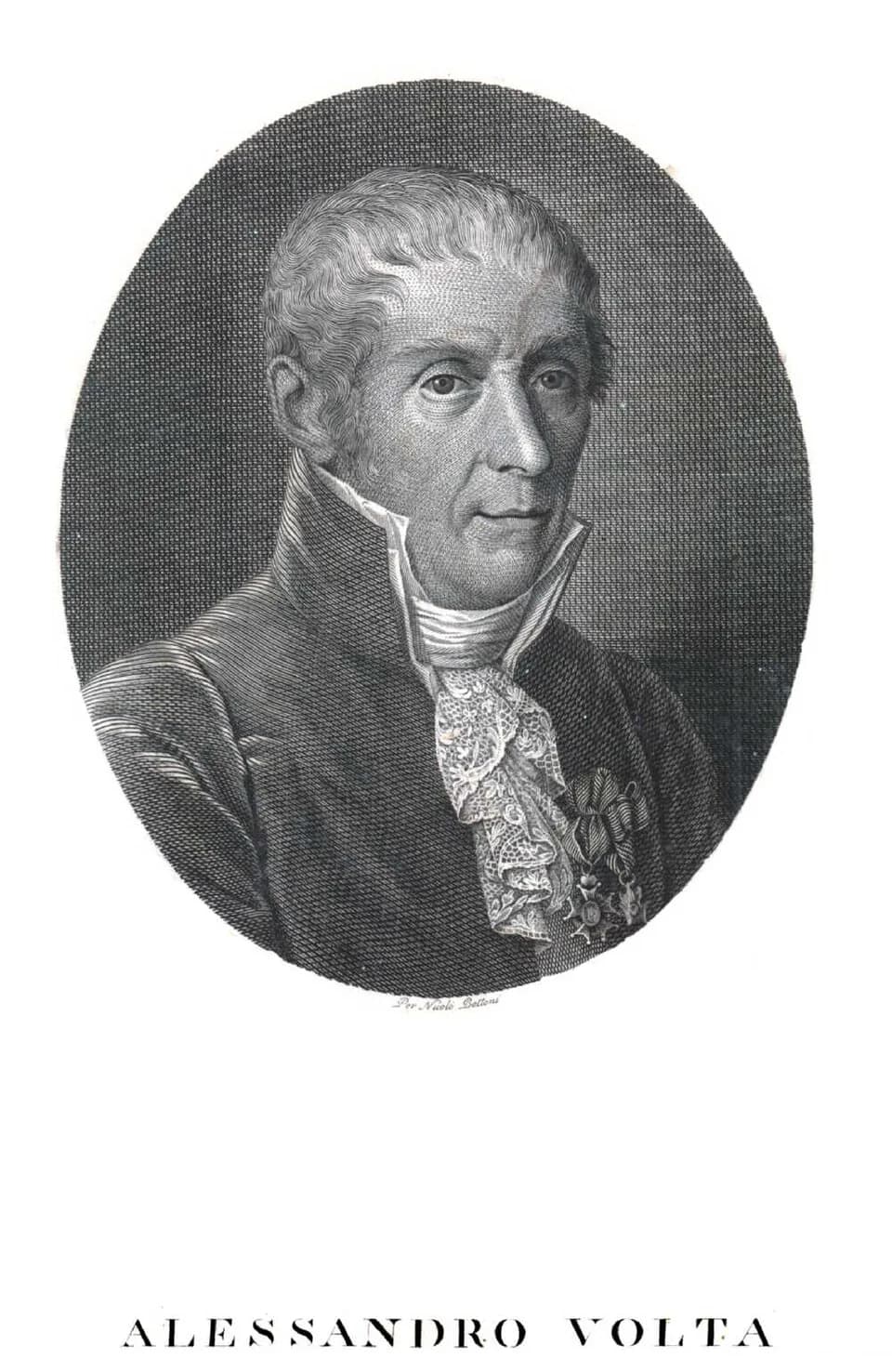
Alessandro Giuseppe Antonio Anastasio Volta (February 18, 1745 – March 5, 1827) was an Italian chemist and physicist from Como, Italy. He invented the electric battery (voltaic pile) in 1799, demonstrating electricity could be generated chemically. His work debunked old theories and pioneered the field of electrochemistry, leaving an enduring legacy.
Розділ
Розділи життя
Розділ 1 · 1745· Розділ 1 з 7
Early Life and Origins
Alessandro Volta's journey began in Como, Italy, where he was born on February 18, 1745. This charming city also became the place of his passing many years later, rooting his entire life within its rich history. While specific details about his family and early education are not extensively provided, his later accomplishments clearly indicate a deep commitment to scientific inquiry from a young age.
Розділ 2· Розділ 2 з 7
Career Beginnings
Volta embarked on a distinguished career that saw him excel as an inventor, physicist, chemist, university teacher, and academic. His early work involved deep engagement with the scientific principles of his time, laying the groundwork for his groundbreaking discoveries. This foundational period was critical in honing the skills and curiosity that would define his professional life.
Розділ 3 · 1799· Розділ 3 з 7
Major Achievements and Career Highlights
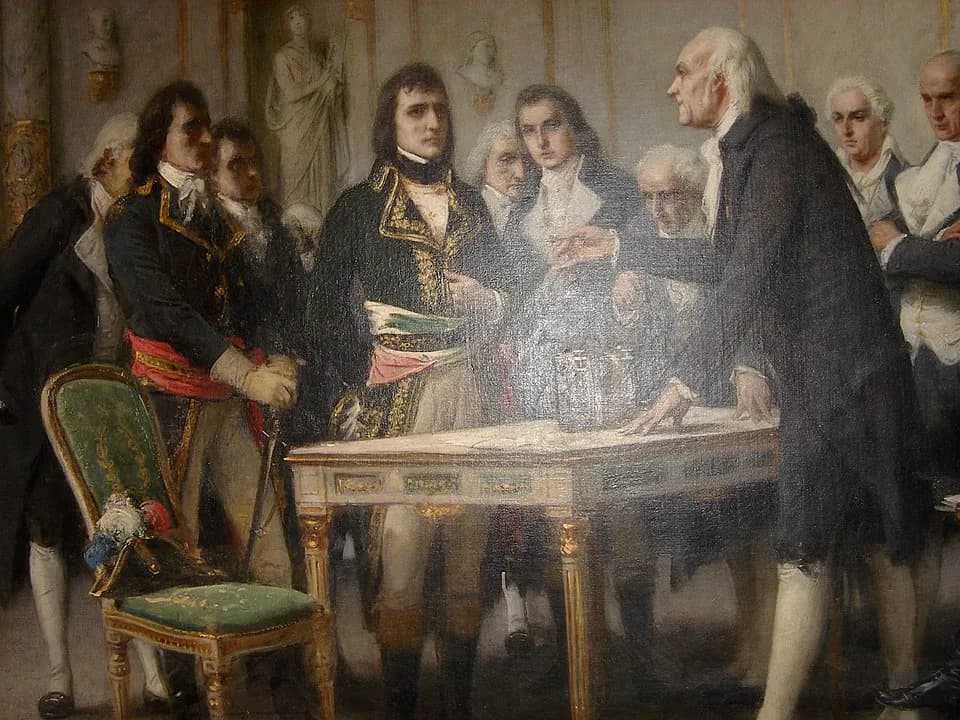
Volta's most celebrated contribution to science was the invention of the voltaic pile in 1799, a device recognized as the first electric battery. This monumental invention allowed for a continuous current of electricity, fundamentally altering the course of scientific experimentation. He also holds the distinction of being the discoverer of methane, another significant contribution to chemistry.
The voltaic pile's invention represented a paradigm shift in scientific thought. It conclusively proved that electricity could be generated chemically, thereby challenging and ultimately debunking the then-prevalent theory that electricity originated solely from living beings. This breakthrough ignited immense scientific excitement across Europe, inspiring countless other researchers to conduct similar experiments and explore new avenues in electrical science.
Розділ 4· Розділ 4 з 7
Personal Life
While Alessandro Volta's scientific achievements are extensively documented and celebrated, details regarding his personal life, family, and individual interests beyond his scientific pursuits are not widely provided in available records. His public persona was predominantly defined by his relentless dedication to scientific discovery and his professional roles as an academic and inventor. He focused his energies on the exploration of natural phenomena.
Розділ 5 · 1800· Розділ 5 з 7
Notable Works or Contributions
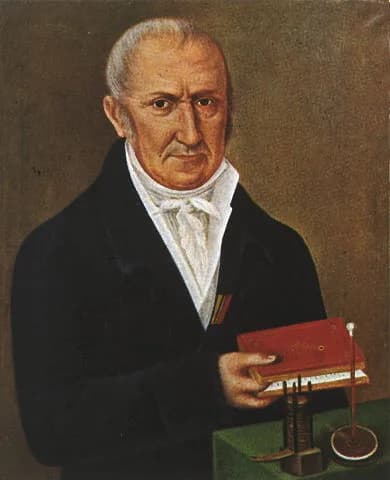
The voltaic pile stands as Volta's most iconic invention, a testament to his inventive genius. He meticulously reported the results of his pioneering experiments in a two-part letter addressed to the president of the Royal Society in London, which was subsequently published in 1800. This detailed account allowed the broader scientific community to replicate and build upon his findings, solidifying the foundation of electrochemistry.
Volta's work with the voltaic pile not only provided a reliable source of electricity but also spurred the development of an entirely new scientific discipline: electrochemistry. His methodical approach to experimentation and his clear articulation of results made his contributions instantly impactful. Beyond electricity, his identification of methane further showcased his diverse scientific interests and capabilities.
Розділ 6 · 1827· Розділ 6 з 7
Later Years
Alessandro Volta spent his entire life rooted in his birthplace of Como, Italy. After a lifetime dedicated to scientific exploration and teaching, he passed away peacefully on March 5, 1827, in his beloved hometown. His final years were lived with the recognition and respect befitting a man who had so profoundly advanced human knowledge.
Розділ 7· Розділ 7 з 7
Legacy and Impact
Alessandro Volta's legacy endures as a pioneer of electricity and power, forever changing how we understand and utilize electrical energy. His invention of the electric battery laid the groundwork for modern electrical technology and spurred the rapid growth of electrochemistry as a field. The international unit of electromotive force, the volt, is named in his honor, a lasting tribute to his monumental contributions.
His meticulous research and the clarity of his experimental reports inspired a generation of scientists and continue to influence scientific thought today. Volta's ability to challenge existing theories with empirical evidence established a benchmark for scientific rigor. The excitement his discoveries generated transformed the scientific landscape, making him a truly foundational figure in the history of science.
Життя в моментах
Моменти, що сформували життя
FAQ
Часті запитання
Коли помер(ла) Alessandro Volta?
Alessandro Volta помер(ла) 5 березня 1827 р. у Como, Italy у віці 82 років.
Де народився(лася) Alessandro Volta?
Alessandro Volta народився(лася) у Como, Italy 18 лютого 1745 р..
Чим найбільше відомий(а) Alessandro Volta?
Alessandro Volta найбільше відомий(а) за Italian chemist and physicist.
Скільки років було Alessandro Volta на момент смерті?
Alessandro Volta було 82 років на момент смерті.
Якої національності був(ла) Alessandro Volta?
Alessandro Volta був(ла) з Italy.
Хронологія
Життя стисло
Фотогалерея
Життя у світлинах
Натисніть на будь-яке полароїдне фото, щоб збільшити · 24 фотографій
QR-код
Поділитися цією біографією
Друк і поширення
Скануйте, щоб відвідати цю біографічну сторінку. Друкуйте для подій, виставок або освітніх матеріалів.