Alizaliwa
January 19, 1936
Bogura District, Bangladesh
Alifariki
May 30, 1981
Chittagong, Bangladesh
Anajulikana kwa
Chief of Army Staff and President of Bangladesh
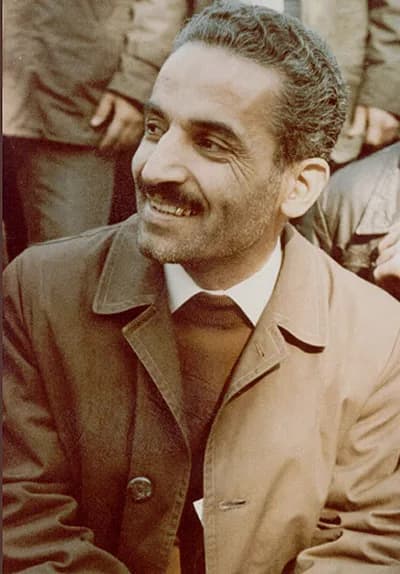
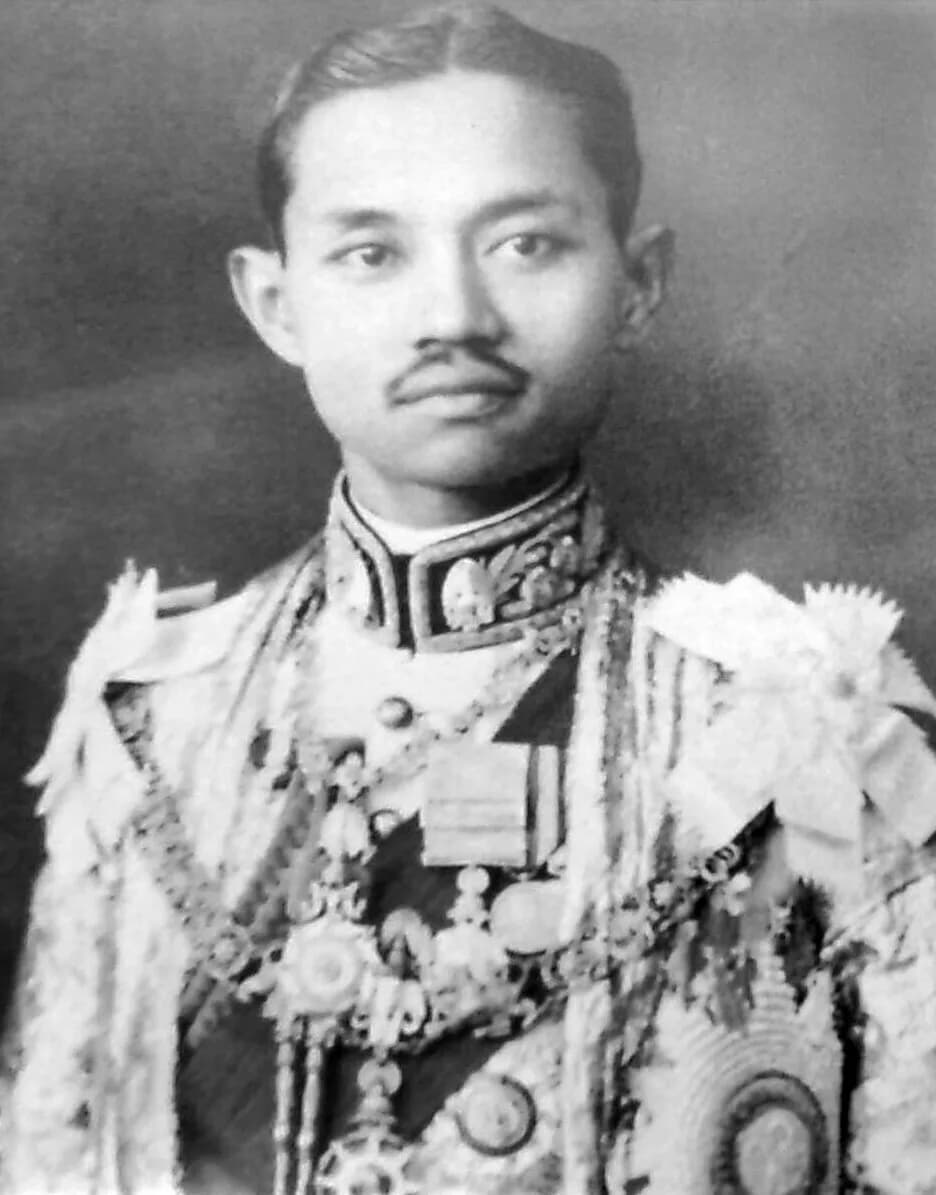
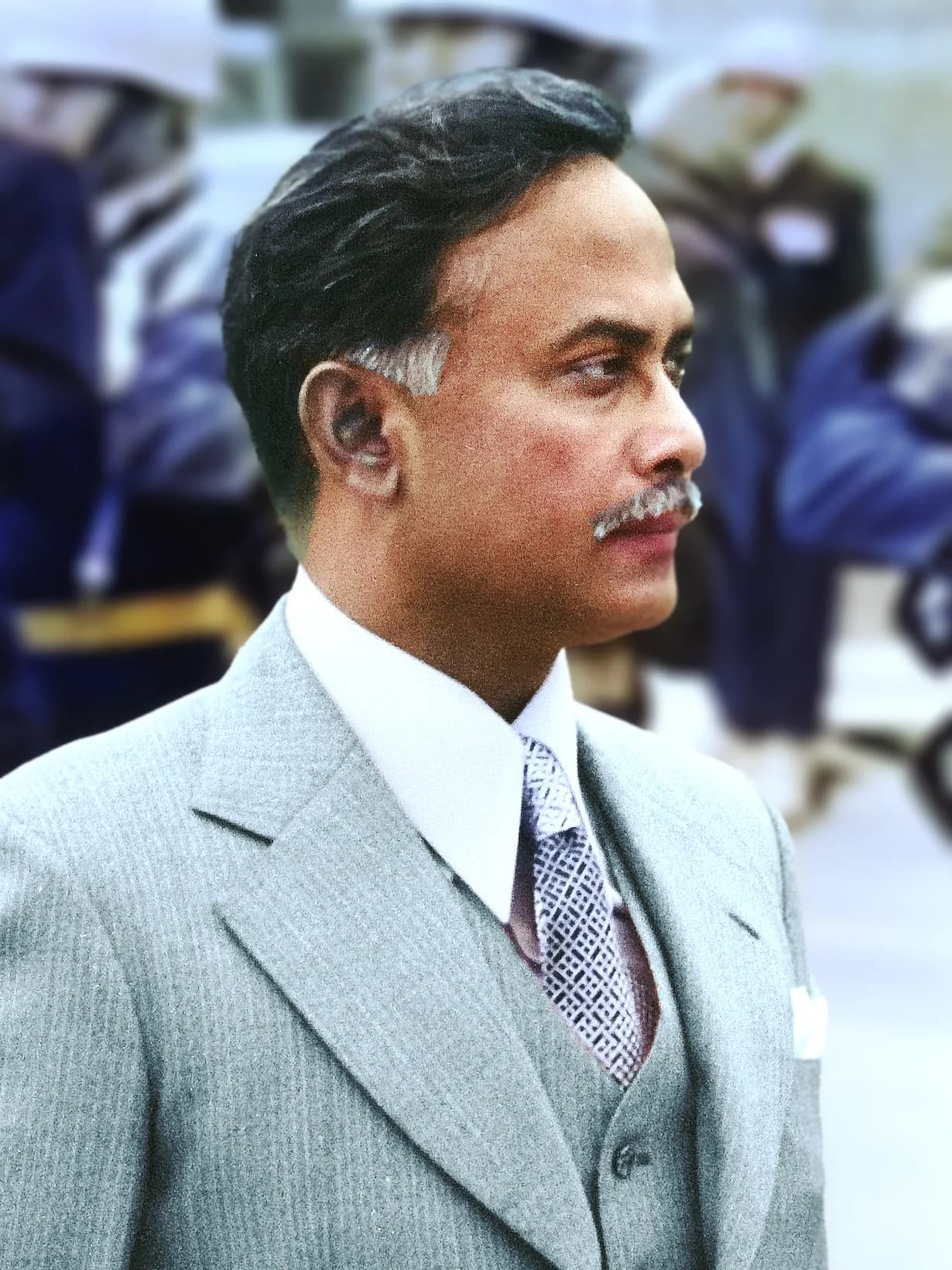
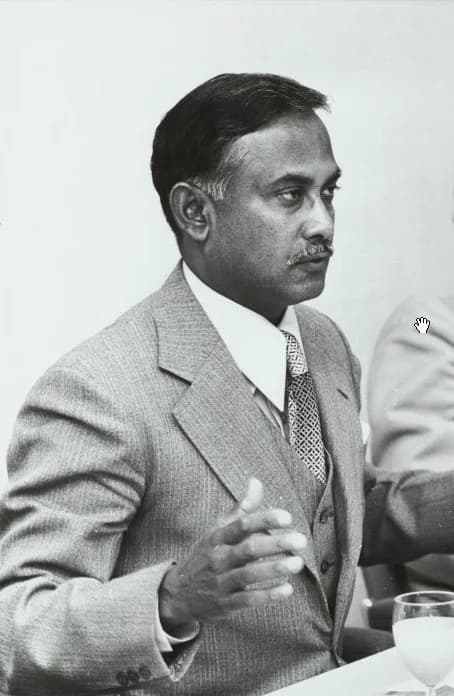
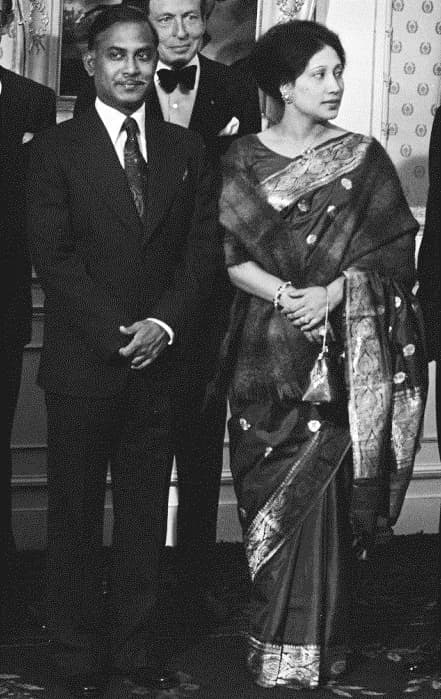
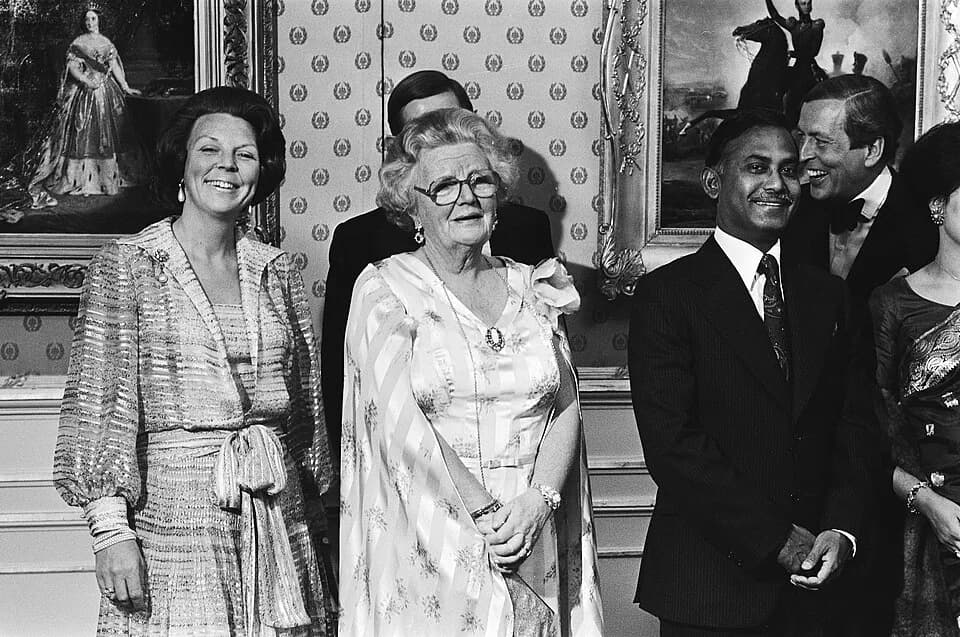
Ziaur Rahman (1936–1981) was Bangladesh best known for Chief of Army Staff and President of Bangladesh.
Ziaur Rahman (January 19, 1936 – May 30, 1981) was a Bangladeshi military personnel and politician. He served as the sixth president of Bangladesh and was a leading figure in the independence war, broadcasting the declaration of independence in 1971. His policies contributed to the country's economic recovery and he founded the Bangladesh Nationalist Party.
Maisha katika nyakati
Nyakati zilizoyaunda maisha
Sura
Sura za maisha
Sura 1 · 1936· Sura 1 ya 6
Early Life and Origins
Ziaur Rahman was born in the Bogura District of Bangladesh, then part of British India, on January 19, 1936. Details of his early family life and upbringing are not extensively documented in public records, but his formative years in the region undoubtedly shaped his worldview. The political climate of the subcontinent during his youth, marked by struggles for independence, likely instilled in him a deep sense of patriotism and duty towards his homeland.
Sura 2· Sura 2 ya 6
Career Beginnings
Rahman's career began in the military, a path he chose with conviction and skill. He quickly rose through the ranks, demonstrating leadership qualities that would become crucial for his nation. His early military service equipped him with the discipline and strategic thinking essential for the challenges that lay ahead for Bangladesh.
During the critical period leading up to Bangladesh's independence, Ziaur Rahman emerged as one of the country's leading figures. In March 1971, from Chittagong, he famously broadcast the Bangladeshi declaration of independence. This act resonated deeply with the populace and rallied support for the liberation movement, establishing his place in the annals of Bangladeshi history.
Sura 3· Sura 3 ya 6
Major Achievements and Career Highlights
Following Bangladesh's independence, Ziaur Rahman continued to play a significant role in the nation's evolving political landscape. He ascended to the position of Chief of Army Staff, bringing stability and order to the newly formed military. His leadership during these early, turbulent years was vital for consolidating the country's defense capabilities.
In 1977, Ziaur Rahman became the sixth president of Bangladesh, a role he held until his assassination in 1981. This presidency followed the Sipahi-Janata revolution in 1975, where he consolidated power during a period of national uncertainty. As president, he initiated pragmatic policies focused on economic liberalization and civic nationalism.
These policies significantly contributed to the economic recovery of Bangladesh, fostering growth and stability when the country greatly needed it. He aimed to build a resilient and prosperous nation, and his efforts during this time are widely acknowledged. A key political achievement was the founding of the Bangladesh Nationalist Party (BNP), which remains a major political force in the country today.
Sura 4 · 1971· Sura 4 ya 6
Notable Works or Contributions
Ziaur Rahman's broadcast of the Bangladeshi declaration of independence in March 1971 is a defining moment in the nation's history. This announcement from Chittagong galvanized the freedom fighters and the general population, marking a crucial step towards the realization of an independent Bangladesh. His voice became a symbol of national aspirations.
As president, his contributions extended to shaping the country's economic and political direction. He implemented policies designed to open up the economy and foster a sense of shared national identity through civic nationalism. These practical measures laid groundwork for future development and aimed to unite a diverse populace under a common vision for Bangladesh.
Sura 5· Sura 5 ya 6
Later Years
Ziaur Rahman served as president of Bangladesh, guiding the nation through a critical phase of its development. His tenure was marked by efforts to stabilize the economy and strengthen national institutions. He worked diligently to advance the interests of Bangladesh on both domestic and international fronts.
His leadership came to an abrupt and tragic end when he was assassinated on May 30, 1981, in Chittagong, Bangladesh. His untimely passing left a void in the political arena, cutting short a period of significant national transformation. The circumstances of his death remain a somber reminder of the challenges faced by developing nations.
Sura 6· Sura 6 ya 6
Legacy and Impact
The legacy of Ziaur Rahman continues to resonate deeply within Bangladesh. He is frequently referred to as the ‘‘Shaheed President’’, acknowledging his sacrifice and contributions to the nation. His role as a military leader during the independence war and his subsequent presidency are central to his historical standing.
His economic liberalization policies and focus on civic nationalism are credited with aiding Bangladesh's recovery during a critical post-independence period. The Bangladesh Nationalist Party, which he founded, stands as a lasting institution reflecting his political vision. Ziaur Rahman's influence shaped the political and economic trajectory of Bangladesh, impacting generations.
Maswali
Yanayoulizwa mara kwa mara
Ziaur Rahman alikufa lini?
Ziaur Rahman alikufa tarehe 30 Mei 1981 huko Chittagong, Bangladesh, akiwa na umri wa miaka 45.
Ziaur Rahman alizaliwa wapi?
Ziaur Rahman alizaliwa Bogura District, Bangladesh tarehe 19 Januari 1936.
Ziaur Rahman anajulikana zaidi kwa nini?
Ziaur Rahman anajulikana zaidi kwa Chief of Army Staff and President of Bangladesh.
Ziaur Rahman alikuwa na umri gani alipokufa?
Ziaur Rahman alikuwa na umri wa miaka 45 alipokufa.
Ziaur Rahman alikuwa wa utaifa gani?
Ziaur Rahman alitoka Bangladesh.
Ratiba
Maisha kwa muhtasari
Matunzio ya picha
Maisha katika picha
Bofya polaroid yoyote kupanua · picha 24
Msimbo wa QR
Shiriki Wasifu Huu
Chapisha na Shiriki
Skani kutembelea ukurasa huu wa wasifu. Chapisha kwa hafla, maonyesho, au nyenzo za kielimu.