Alizaliwa
September 4, 1906
Berlin, Margraviate of Brandenburg
Alifariki
March 9, 1981
Pasadena, United States
Anajulikana kwa
biophysicist
Max Delbrück (1906–1981) was Margraviate of Brandenburg best known for biophysicist.
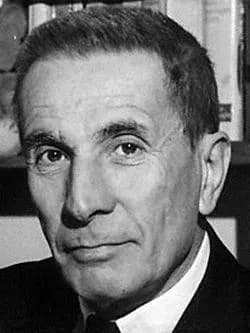
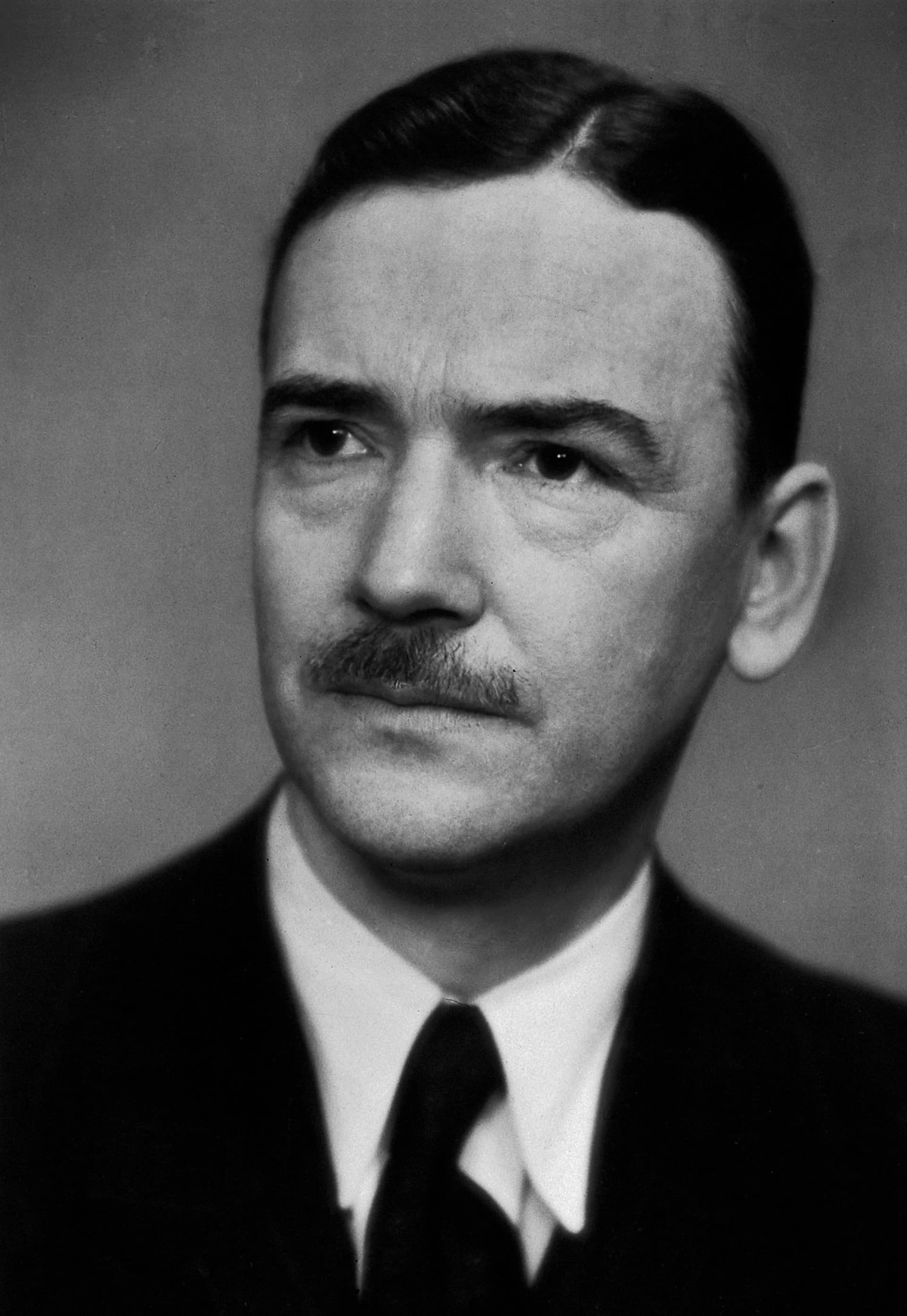
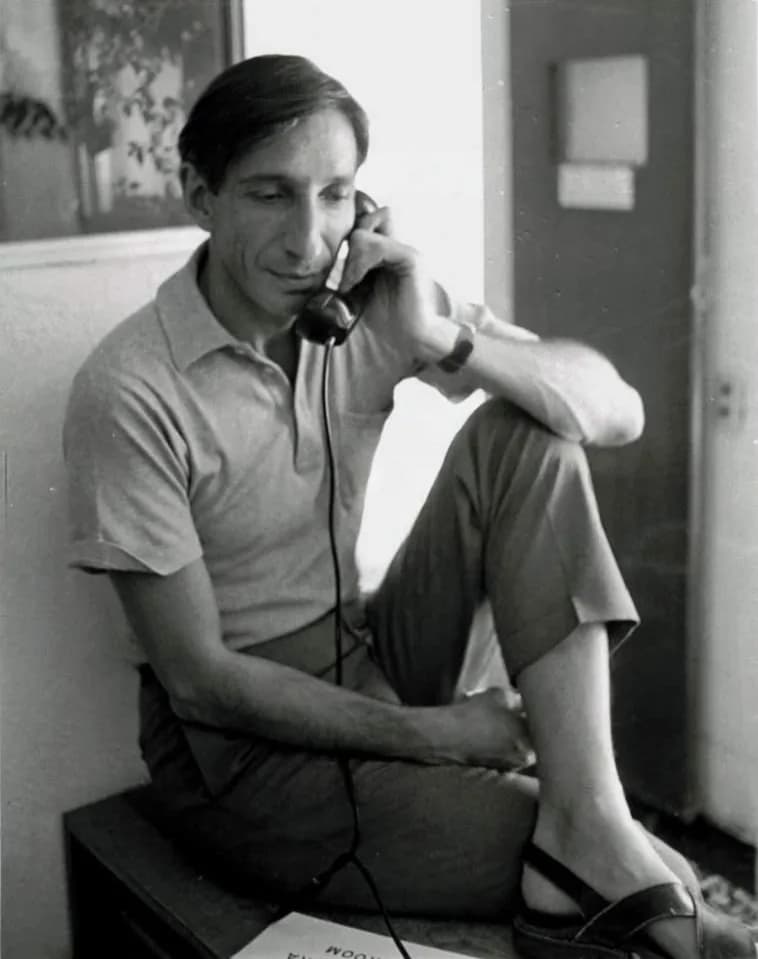
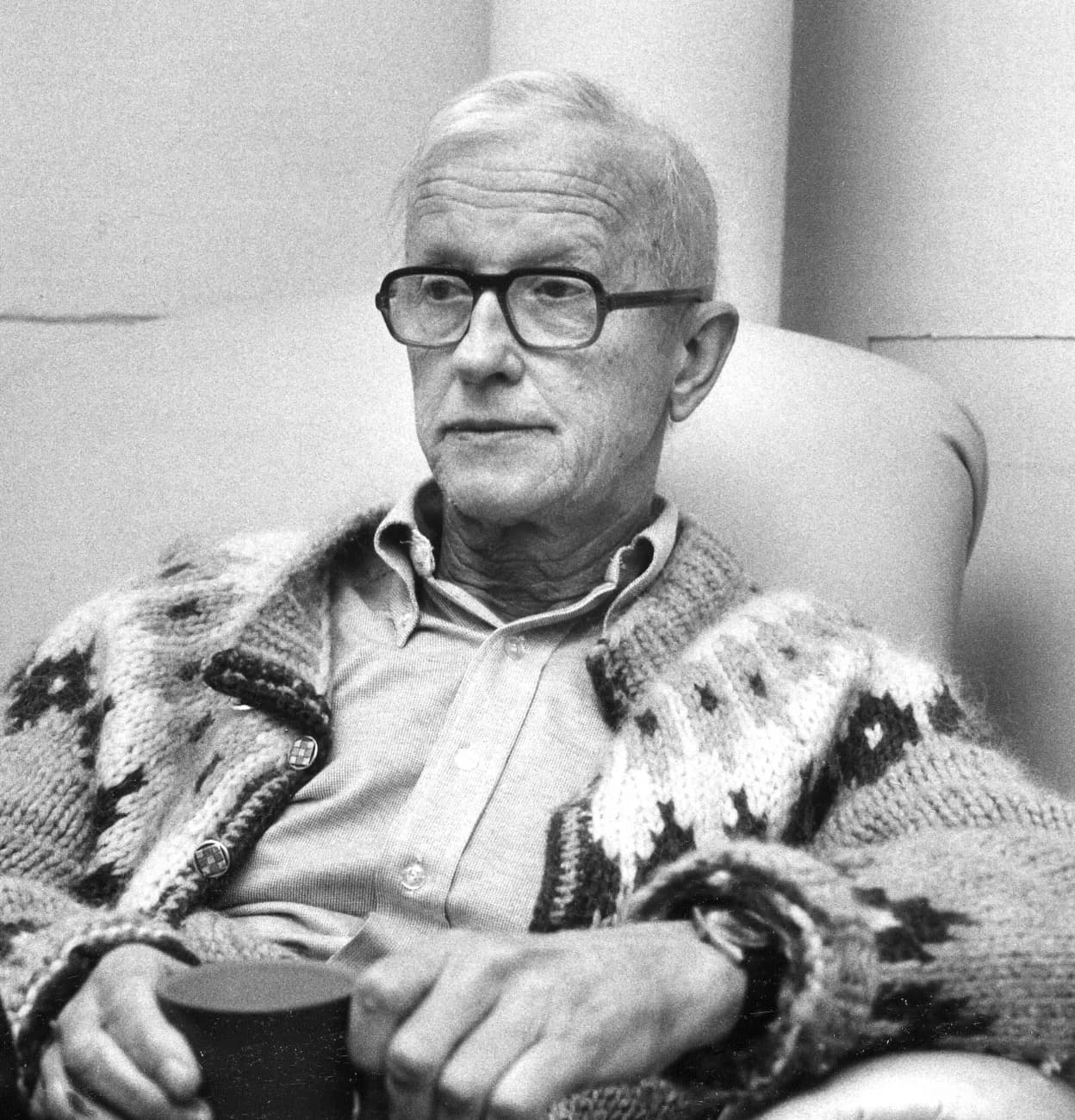
Max Ludwig Henning Delbrück (September 4, 1906 – March 9, 1981) was a German-American biophysicist. He co-founded the Phage Group, which significantly advanced genetics by unraveling viral replication and genetic structure. His work earned him the 1969 Nobel Prize in Physiology or Medicine.
Maisha katika nyakati
Nyakati zilizoyaunda maisha
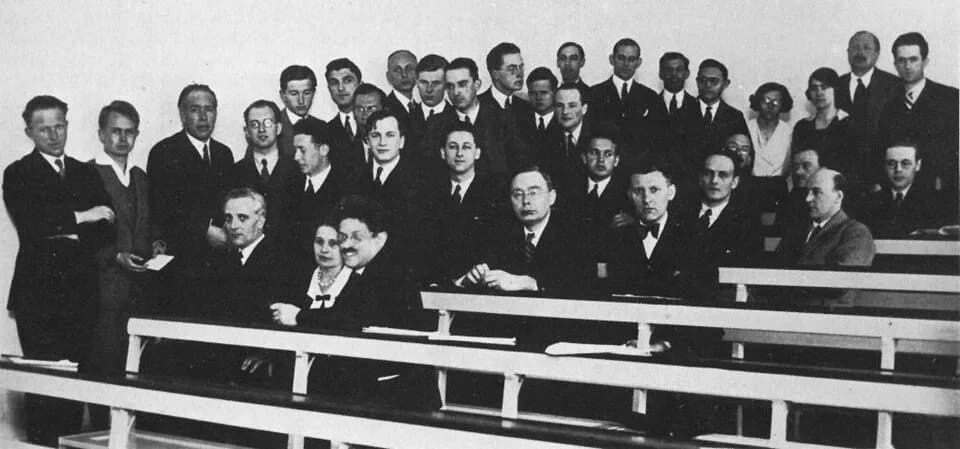
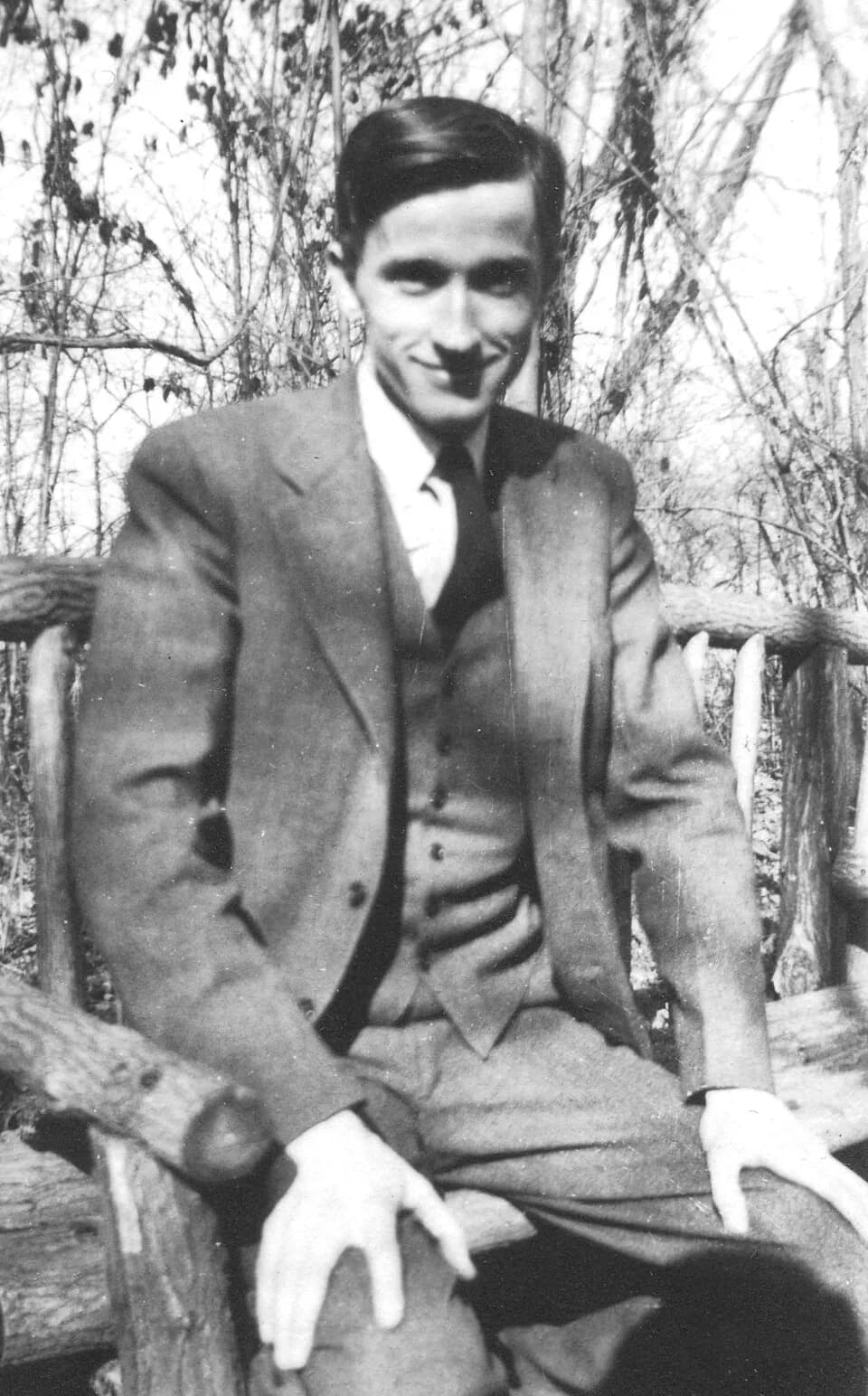
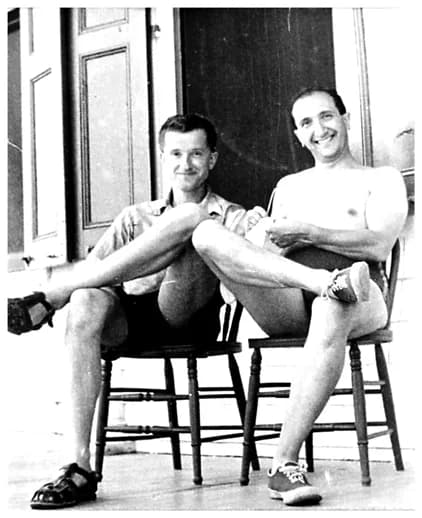
![Max Delbrück - Salvador Luria with Max Delbruck at Cold Spring Harbor]. Photographic Print.](/_next/image?url=https%3A%2F%2Fcdn.whowasthisguy.com%2Fgallery_wikimedia_commons_1778074160221_3_d0cdd42236.webp&w=1920&q=75)
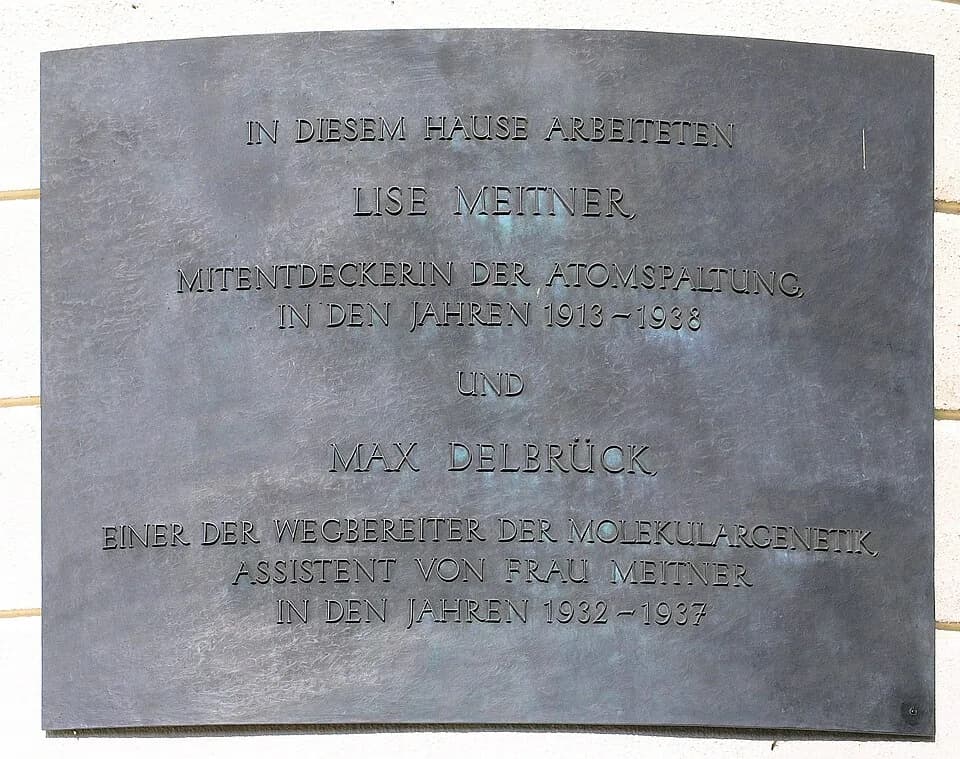
Sura
Sura za maisha
Sura 1 · 1906· Sura 1 ya 6
Early Life and Origins
Born on September 4, 1906, in Berlin, a vibrant intellectual hub within the historical Margraviate of Brandenburg, Max Delbrück's formative years unfolded in a rich academic environment.
His early education and intellectual curiosity laid the groundwork for a multifaceted career that would traverse disciplines from physics to molecular biology, demonstrating a deep-seated desire to comprehend fundamental scientific principles.
Sura 2· Sura 2 ya 6
Career Beginnings
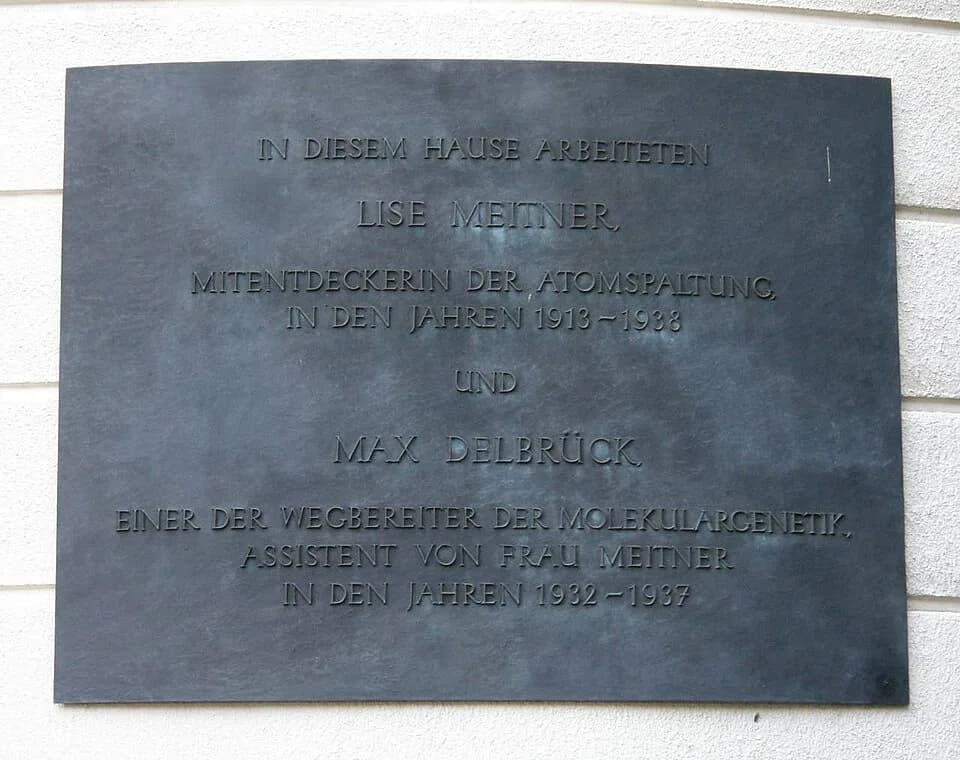
Delbrück initially pursued a career as a physicist, later broadening his expertise into astrophysics and subsequently genetics, illustrating a profound intellectual versatility. His early scientific background provided him with a unique perspective, enabling him to approach biological problems with the rigor and analytical tools of a physical scientist.
In the late 1930s, he played a crucial role in initiating the molecular biology research program, which aimed to bring physical explanations to biological mysteries. He actively stimulated the interest of physical scientists in biology, particularly in basic research designed to physically explain genes, which were then largely ununderstood entities.
Sura 3 · 1945· Sura 3 ya 6
Major Achievements and Career Highlights
A cornerstone of Max Delbrück's enduring legacy is his instrumental role in establishing the Phage Group in 1945, a collaborative research collective that proved pivotal for genetics.
Under his leadership, along with Salvador Luria and Alfred Hershey, the Phage Group achieved substantial breakthroughs, unraveling important aspects concerning the genetic structure of viruses and their replication mechanism. Their combined efforts propelled the field forward, providing concrete insights into the fundamental processes of heredity.
These profound discoveries were recognized with the 1969 Nobel Prize in Physiology or Medicine, an honor shared by Delbrück, Luria, and Hershey. Beyond his biological contributions, Delbrück also holds the distinction of being the first physicist to predict the phenomenon now universally known as Delbrück scattering, a testament to his early theoretical prowess in physics.
Sura 4· Sura 4 ya 6
Notable Works or Contributions
Max Delbrück's scientific output included 26 published papers, reflected in an h-index of 5, showcasing his consistent contribution to scientific discourse.
Among his most cited early works is “Strahlengenetische Versuche über sichtbare Mutationen und die Mutabilität einzelner Gene bei Drosophila melanogaster” from 1936, which gathered 20 citations for its insights into radiation genetics. His 1954 paper, “Wie vermehrt sich ein Bakteriophage,” with 12 citations, directly addressed the complex question of bacteriophage replication, a core area of his Nobel-winning research.
Earlier, his deep engagement with physics was evident in “Der Aufbau der Atomkerne : natürliche und künstliche Kernumwandlungen” (1935), which garnered 11 citations, exploring the structure and transformation of atomic nuclei. Later in his career, he continued to push boundaries with “Signalwandler: Terra incognita der Molekularbiologie” (1972), attracting 8 citations for its exploration of molecular biological signal transduction, highlighting his sustained intellectual curiosity. Another early physics contribution was “Statistische Quantenmechanik und Thermodynamik” from 1936, which received 5 citations.
Sura 5· Sura 5 ya 6
Later Years
Max Delbrück remained an influential figure in the scientific community through his later years, continuing to inspire and guide research.
He passed away on March 9, 1981, in Pasadena, United States, leaving an intellectual void but a rich body of work that continues to inform scientific inquiry decades later.
Sura 6· Sura 6 ya 6
Legacy and Impact
The indelible impact of Max Delbrück on modern science is especially evident in his catalytic role in uniting physics and biology, a convergence that reshaped scientific understanding.
His steadfast conviction that biological mysteries could be solved with physical principles directly led to the profound advancements in molecular biology, particularly concerning the physical explanation of genes. The enduring success of the Phage Group, which he helped found and lead, remains a powerful illustration of collaborative scientific discovery.
Max Delbrück’s pioneering work, culminating in the 1969 Nobel Prize, laid essential groundwork for our current understanding of viral biology and genetic mechanisms, affirming his lasting status as a visionary biophysicist.
Maswali
Yanayoulizwa mara kwa mara
Max Delbrück alikufa lini?
Max Delbrück alikufa tarehe 9 Machi 1981 huko Pasadena, United States, akiwa na umri wa miaka 74.
Max Delbrück alizaliwa wapi?
Max Delbrück alizaliwa Berlin, Margraviate of Brandenburg tarehe 4 Septemba 1906.
Max Delbrück anajulikana zaidi kwa nini?
Max Delbrück anajulikana zaidi kwa biophysicist.
Max Delbrück alikuwa na umri gani alipokufa?
Max Delbrück alikuwa na umri wa miaka 74 alipokufa.
Max Delbrück alikuwa wa utaifa gani?
Max Delbrück alitoka Margraviate of Brandenburg.
Ratiba
Maisha kwa muhtasari
Matunzio ya picha
Maisha katika picha
Bofya polaroid yoyote kupanua · picha 37
Msimbo wa QR
Shiriki Wasifu Huu
Chapisha na Shiriki
Skani kutembelea ukurasa huu wa wasifu. Chapisha kwa hafla, maonyesho, au nyenzo za kielimu.