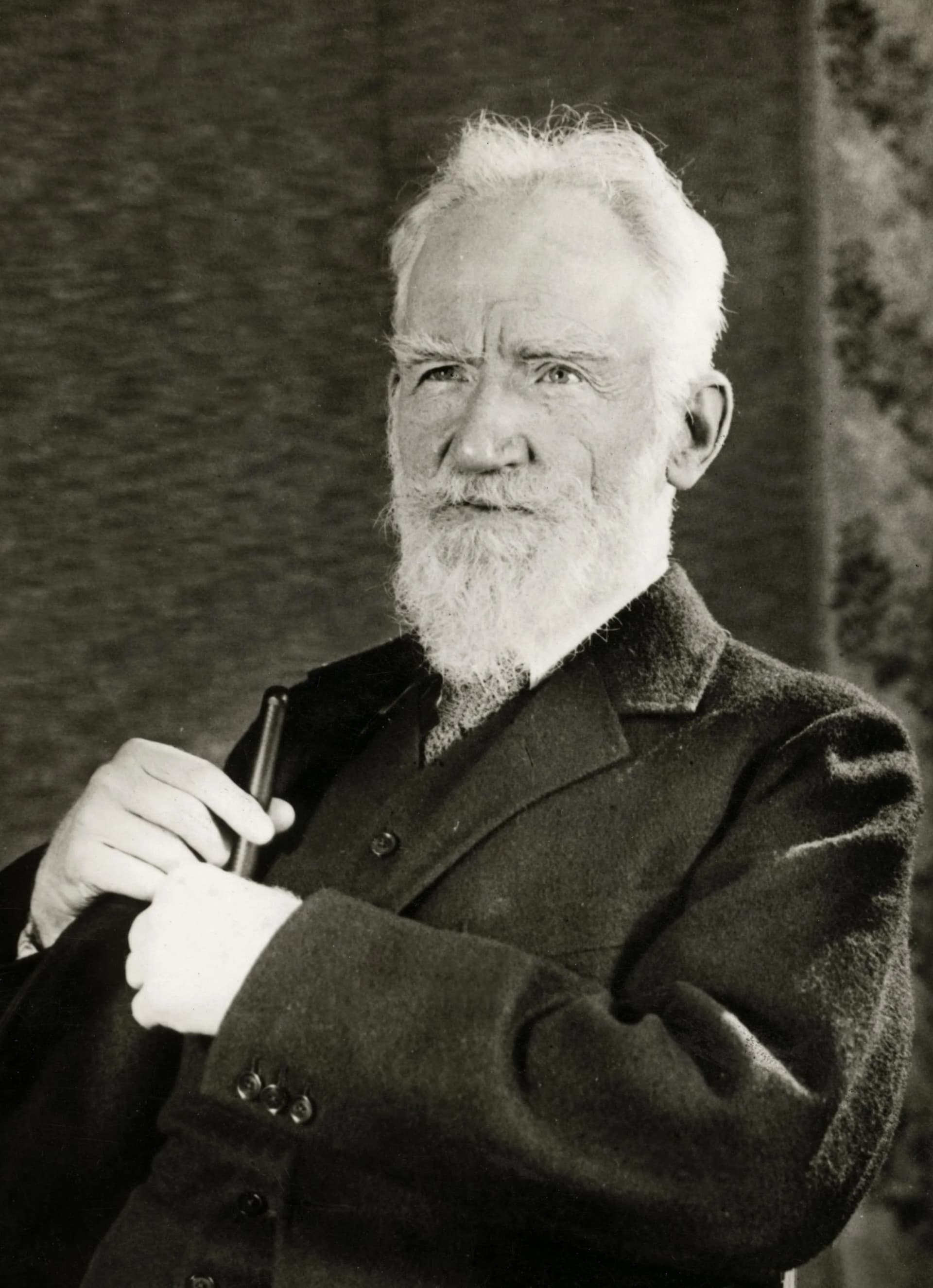
Lindur
July 26, 1856
Dublin, United Kingdom of Great Britain and Ireland
Vdekur
November 2, 1950
Ayot St Lawrence, United Kingdom
I njohur për
Irish playwright, critic, and polemicist
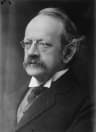
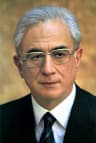
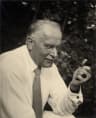
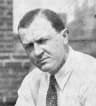
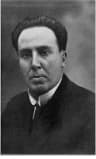
George Bernard Shaw (1856–1950) was United Kingdom of Great Britain and Ireland best known for Irish playwright, critic, and polemicist.
George Bernard Shaw (July 26, 1856 – November 2, 1950) was an Irish playwright, critic, and political activist. He was awarded the Nobel Prize in Literature in 1925 for his works, which blended idealism, humanity, and stimulating satire. Shaw's influence on Western theatre and culture remains profound.
Kapitulli
Kapitujt e jetës
Kapitulli 1 · 1856· Kapitulli 1 nga 7
Early Life and Origins
George Bernard Shaw began his life in Dublin, a city then part of the United Kingdom of Great Britain and Ireland, on July 26, 1856. His early years in Ireland laid a foundational influence for the sharp wit and social commentary that would later define his literary voice. Though details of his specific upbringing are not extensively provided here, his origins in Dublin undoubtedly contributed to his unique perspective as an Irish writer operating on a global stage.
Kapitulli 2· Kapitulli 2 nga 7
Career Beginnings
Shaw's influence on Western theatre, culture, and politics began to extend significantly from the 1880s, marking the start of his active public and literary career. He quickly established himself not just as a playwright, but also as a formidable critic, a persuasive polemicist, and a committed political activist. This combination of roles allowed him to comment incisively on society and shape public discourse through various mediums.
His early efforts saw him engaging with the burning issues of his time, using his writing as a tool for social critique and reform. Shaw’s initial forays into the literary world demonstrated his sharp intellect and his unique ability to blend serious thought with engaging prose. He dedicated himself to crafting narratives that challenged conventional thinking and prompted critical reflection among his audiences.
Kapitulli 3 · 1925· Kapitulli 3 nga 7
Major Achievements and Career Highlights
George Bernard Shaw became recognized as the leading dramatist of his generation, a testament to his prolific output and intellectual rigor. His profound impact on literature was formally acknowledged in 1925 when he was awarded the Nobel Prize in Literature. The Swedish Academy cited his work specifically for being "marked by both idealism and humanity, its stimulating satire often being infused with a singular poetic beauty."
This prestigious award highlighted the depth and breadth of his plays, which skillfully combined sharp social commentary with aesthetic grace. Shaw's ability to craft narratives that were both intellectually stimulating and deeply human set him apart. The Nobel Prize solidified his standing as one of the most important literary voices of the 20th century, celebrating his consistent excellence and intellectual bravery in his chosen art form.
Kapitulli 4· Kapitulli 4 nga 7
Personal Life
While George Bernard Shaw was widely known by his full name, he famously insisted on being addressed and referred to simply as Bernard Shaw. This detail offers a small glimpse into his personal preferences and perhaps his desire for a direct, unadorned public identity. Beyond his literary pursuits, Shaw was also a dedicated political activist, a role that was integral to his public persona and intellectual output.
His commitment to social and political causes frequently infused his dramatic works, demonstrating that his personal convictions were inseparable from his creative expression. This dedication to activism meant that his life extended beyond the page and stage, influencing real-world discussions and movements. His varied interests and public engagement underscored a life lived with purpose and a desire to shape the world around him.
Kapitulli 5 · 1902· Kapitulli 5 nga 7
Notable Works or Contributions
George Bernard Shaw's expansive bibliography includes more than sixty plays, each demonstrating his distinct voice and commitment to intellectual discourse. Among his most celebrated works is Man and Superman, first presented in 1902, a play that explores philosophical themes through a witty comedic lens. This was followed by Pygmalion in 1913, a critical and popular success that delved into social class and language.
His later major works include Saint Joan from 1923, which offered a compelling historical allegory examining faith, politics, and power. Shaw's diverse dramatic range allowed him to craft plays that incorporated both contemporary satire and deep historical allegory. Other significant contributions include Major Barbara, Candida, and the epic Back to Methuselah, all showcasing his intellectual versatility.
Further demonstrating his prolificacy, Shaw's collected dramatic works were often grouped, such as Plays Pleasant, Plays Unpleasant, and Three Plays for Puritans, which reflected his categorized approach to his varied themes. He also penned works like Caesar and Cleopatra, The Dark Lady of the Sonnets, and John Bull's Other Island, each adding to his rich body of literature that explored societal norms and human nature with characteristic wit and insight.
Kapitulli 6 · 1925· Kapitulli 6 nga 7
Later Years
Even after receiving the Nobel Prize in Literature in 1925, George Bernard Shaw continued to be a vibrant and influential voice in the literary and political spheres. His creative output and critical engagement persisted, maintaining his prominence as a leading intellectual figure. Shaw's commitment to his craft and his social ideals did not wane in his later decades, allowing his influence to extend throughout his long life.
George Bernard Shaw passed away on November 2, 1950, at his home in Ayot St Lawrence, United Kingdom. His death marked the end of an era, but his intellectual and artistic legacy was firmly established. He remained active and engaged until the very end, leaving behind a vast body of work that reflected a lifetime of sharp observation and incisive commentary.
Kapitulli 7· Kapitulli 7 nga 7
Legacy and Impact
George Bernard Shaw's legacy extends far beyond his lifetime, cementing his place as one of the most significant figures in Western theatre, culture, and politics. His ability to fuse idealism with humanity, and satire with poetic beauty, ensures that his plays continue to be performed and studied globally. He challenged audiences to think critically about society, class, gender, and morality, making his works perpetually relevant.
As the leading dramatist of his generation, Shaw reshaped the dramatic form, injecting it with intellectual vigor and a unique brand of social critique. His enduring influence can be seen in the way playwrights continue to use the stage as a platform for challenging ideas and engaging with contemporary issues. George Bernard Shaw’s contributions to literature and thought remain a vital part of our cultural heritage, inspiring new generations to question and create.
Një jetë në momente
Momentet që formësuan një jetë
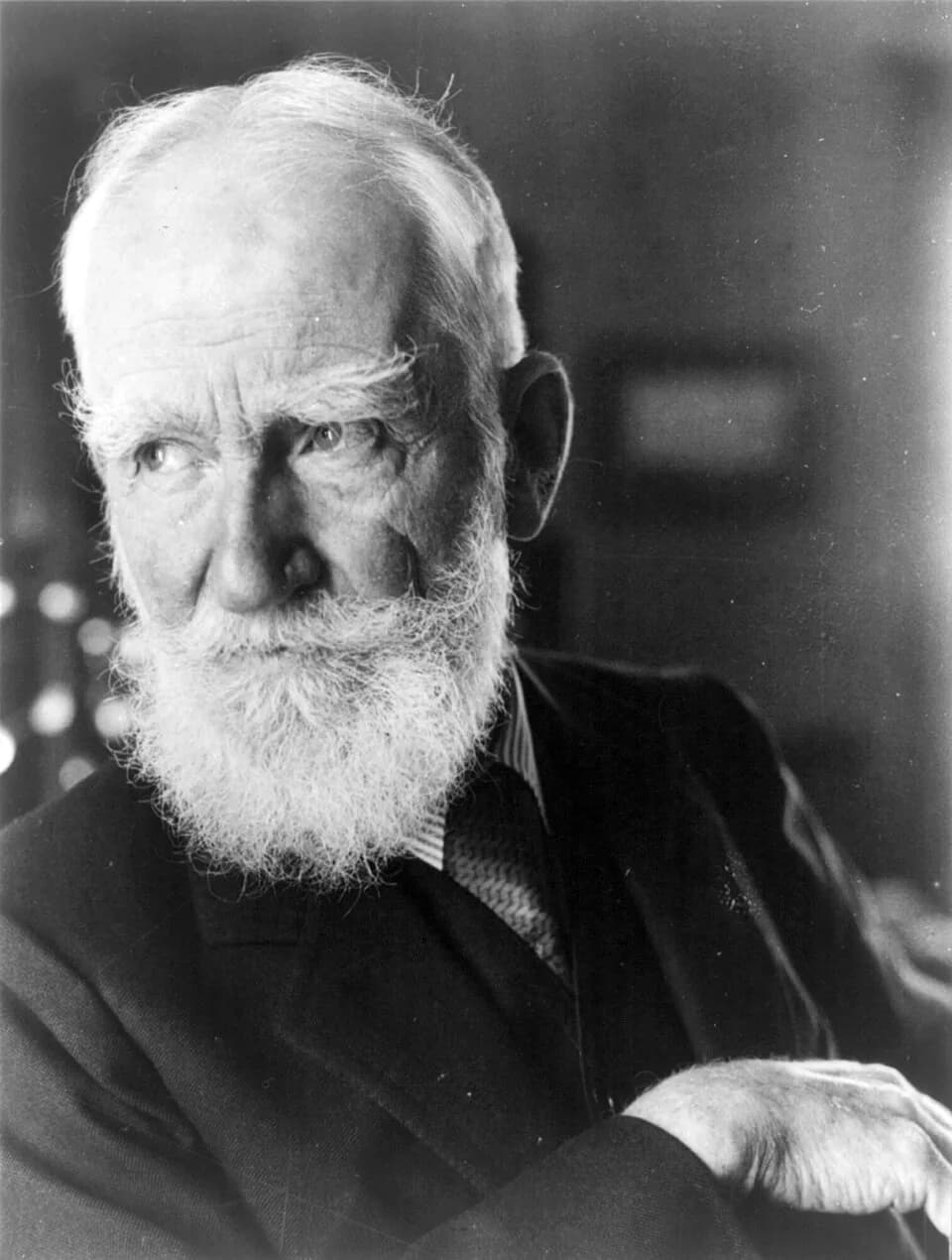
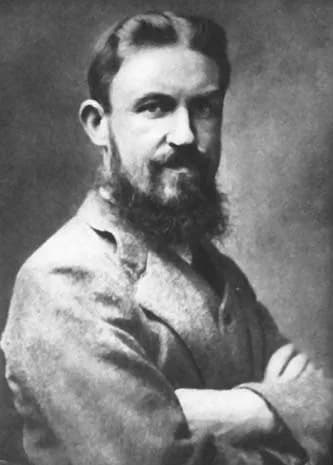
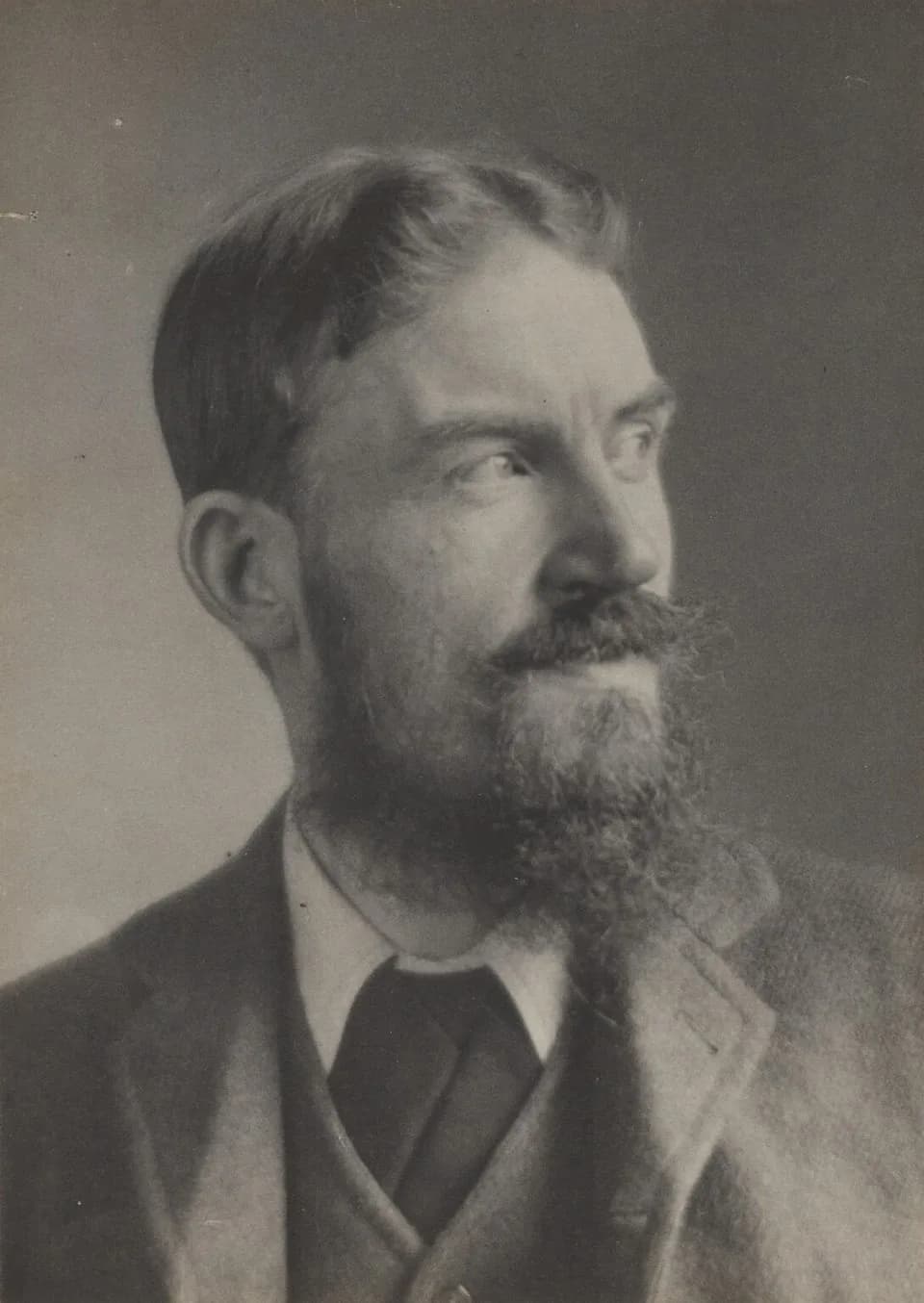
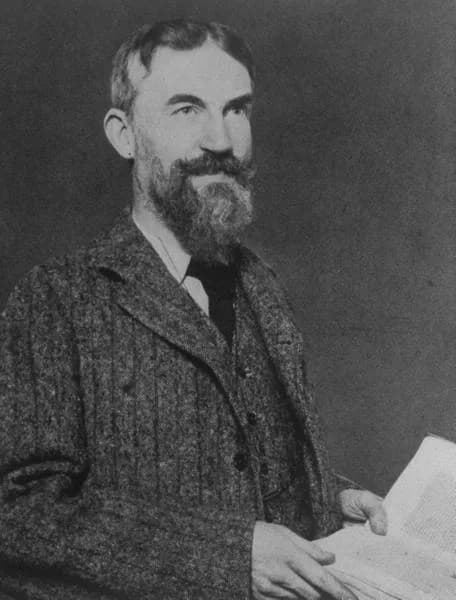
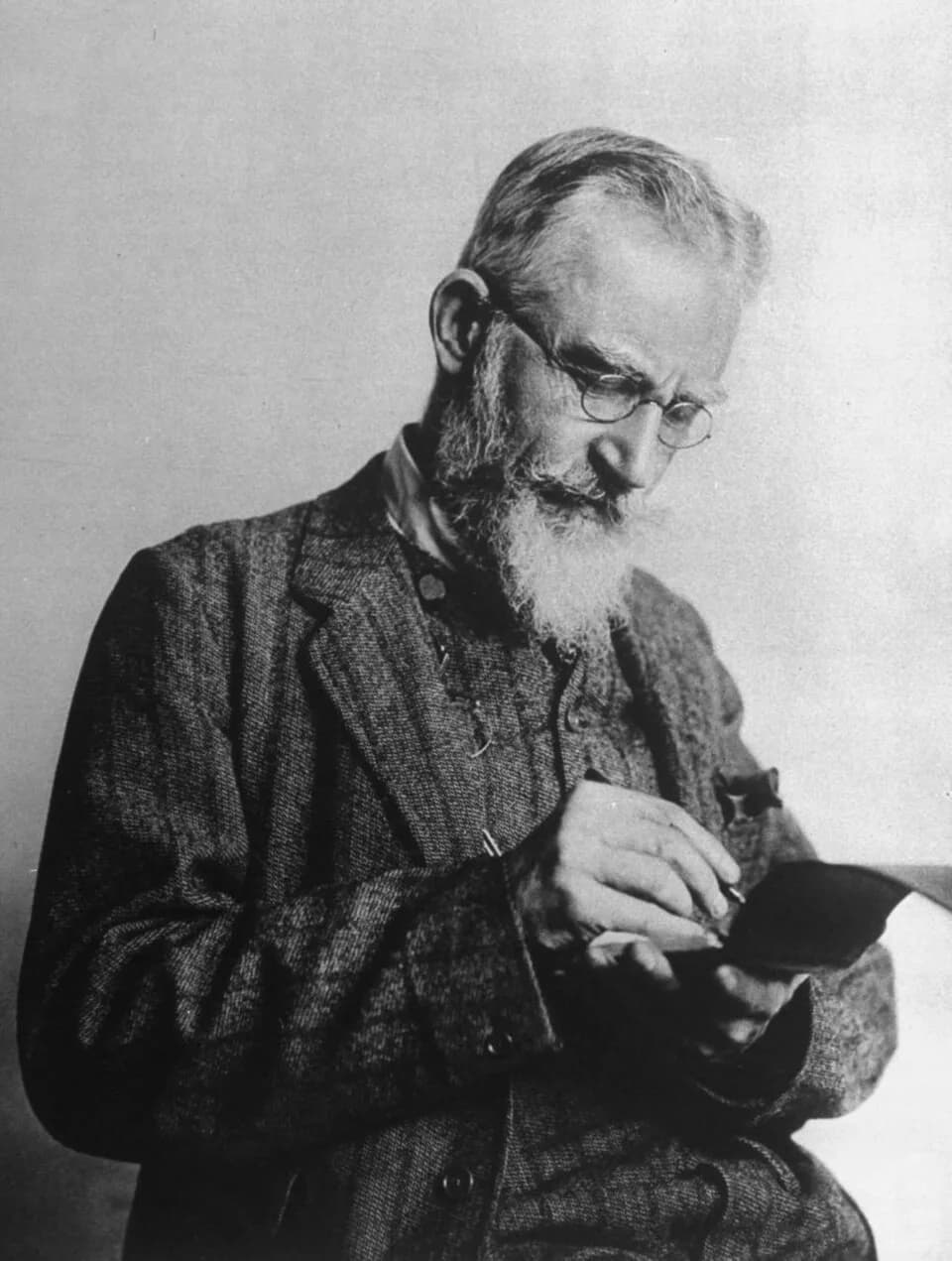
Pyetje të shpeshta
Pyetje të bëra shpesh
Kur vdiq George Bernard Shaw?
George Bernard Shaw vdiq më 2 nëntor 1950 në Ayot St Lawrence, United Kingdom, në moshën 94-vjeçare.
Ku lindi George Bernard Shaw?
George Bernard Shaw lindi në Dublin, United Kingdom of Great Britain and Ireland më 26 korrik 1856.
Për çfarë është më i/e njohur George Bernard Shaw?
George Bernard Shaw është më i/e njohur për Irish playwright, critic, and polemicist.
Sa vjeç ishte George Bernard Shaw kur vdiq?
George Bernard Shaw ishte 94 vjeç kur vdiq.
Çfarë kombësie kishte George Bernard Shaw?
George Bernard Shaw ishte nga United Kingdom of Great Britain and Ireland.
Linja kohore
Jeta në një vështrim
Galeri fotografike
Një jetë në fotografi
Klikoni çdo polaroid për ta zmadhuar · 47 foto
Kodi QR
Ndajeni Këtë Biografi
Printoni dhe Ndani
Skanoni për të vizituar këtë faqe biografie. Printojeni për ngjarje, ekspozita ose materiale edukative.