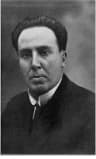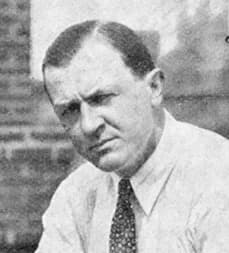
Lindur
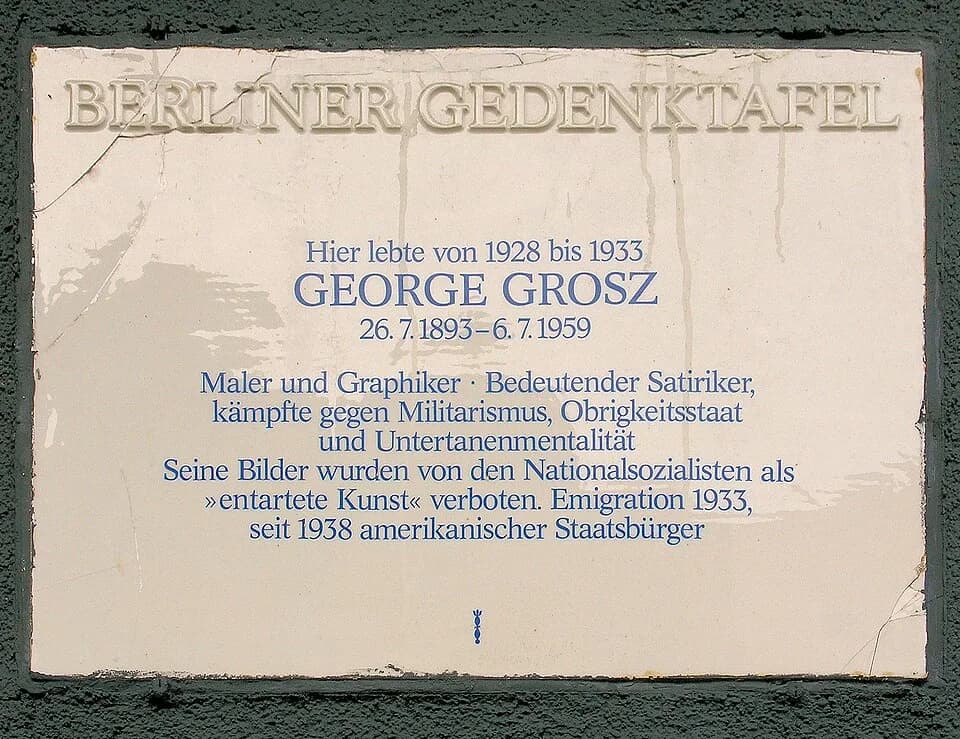
July 26, 1893
Berlin, Margraviate of Brandenburg
Vdekur
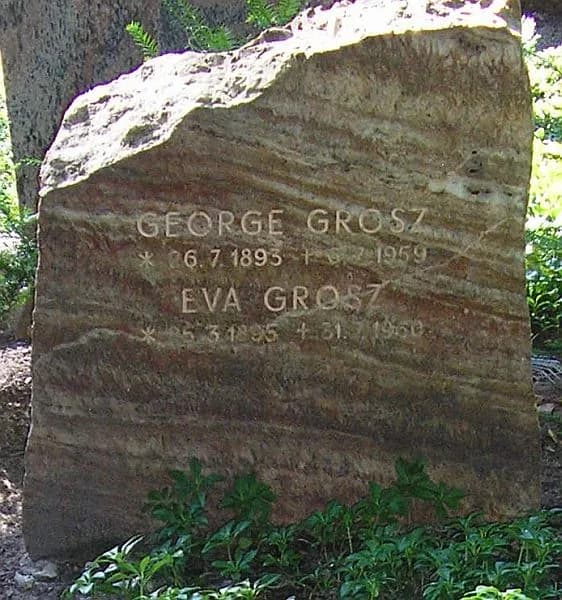
July 6, 1959
West Berlin, Allied-occupied Germany
I njohur për
German artist
George Grosz (1893–1959) was Margraviate of Brandenburg best known for German artist.
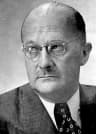
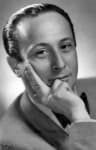
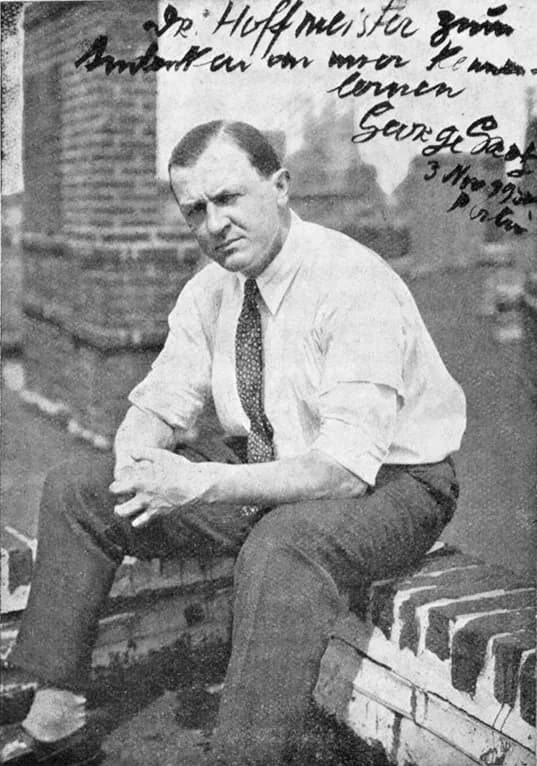
George Grosz (July 26, 1893 – July 6, 1959) was a German artist from Berlin, renowned for his caricatural drawings of 1920s Berlin life. A prominent member of the Berlin Dada and New Objectivity groups, he profoundly influenced modern art. His unique visual commentary continues to resonate.
Kapitulli
Kapitujt e jetës
Kapitulli 1 · 1893· Kapitulli 1 nga 6
Early Life and Origins
George Grosz was born in Berlin, a city then part of the Margraviate of Brandenburg, on July 26, 1893. His early life unfolded amidst the vibrant yet politically charged atmosphere of Wilhelmine Germany. This formative period undoubtedly shaped his observant eye and critical perspective on society.
Kapitulli 2· Kapitulli 2 nga 6
Career Beginnings
As a young artist, Grosz quickly established himself as a prominent member of the Berlin Dada movement, a radical avant-garde group reacting to the absurdities of war and society. He then became a leading figure within the New Objectivity (Neue Sachlichkeit) group during the tumultuous years of the Weimar Republic. His work from this era, particularly his biting caricatures, served as a stark mirror reflecting the social decay and political tensions of Berlin life.
Grosz developed a distinctive visual language that blended satire with stark realism, making him a unique voice in the art world. His varied approach allowed his art to reach a broad audience, cementing his reputation as a fearless commentator. This period saw him actively engage with his multiple professions, from illustrator to graphic artist, all contributing to his potent artistic output.
Kapitulli 3 · 1933· Kapitulli 3 nga 6
Major Achievements and Career Highlights
A significant turning point in Grosz's life and career occurred in 1933 when he emigrated to the United States, seeking refuge from the rising political extremism in Germany. He later became a naturalized citizen in 1938, embracing his new home while continuing his artistic practice. During his time in America, he notably shifted his artistic style and subject matter, moving away from the harsh social critiques of his Berlin years.
In the United States, Grosz regularly exhibited his work and dedicated many years to teaching at the prestigious Art Students League of New York. This role allowed him to influence a new generation of artists, sharing his vast experience and evolving artistic philosophy. His contributions to both the German and American art scenes highlight his enduring importance and adaptability as an artist.
Kapitulli 4 · 1893· Kapitulli 4 nga 6
Notable Works and Contributions
George Grosz's extensive body of work includes both literary and visual art, making a lasting mark on 20th-century culture. Among his notable written works is "Ein kleines Ja und ein grosses Nein," his autobiography offering insights into his life and artistic journey. Other significant publications associated with him include "George Grosz, 1893-1959," "Le carte di Grosz," and "George Grosz, Deutschland über Alles."
His iconic artworks are housed in major institutions globally, showcasing his powerful visual commentary. "The Secret Emperor (The Industrialist Hugo Stinnes)" (1920) at the Met Museum, "The Pimps of Death" (1919, published 1920) at the AIC, and "The Rabblerouser" (1925) at the AIC are prime examples of his Weimar-era social critiques. Later works, such as "The Ambassador of Good Will" (1936) at the Met Museum and "The Survivor" (1936) at the AIC, reflect his continued engagement with societal themes even after his emigration.
Further notable pieces include "Berlin Street" (1931), "Bow to the Authorities" (1927), "The Guilty One Remains Unknown" (1919), and "Cafe Neptune" (1919/20), all demonstrating his mastery of capturing the human condition. His series illustrating "Die Raüber" (1922) also stands out, with pieces like "I have done my part... the plunder is your affair!" (Act II, Scene 3) and "Even lions and tigers nourish their young. Ravens feast their brood on carrion." (Act I, scene 2) held at the AIC. These works collectively portray the breadth and depth of his artistic vision.
Kapitulli 5 · 1959· Kapitulli 5 nga 6
Later Years
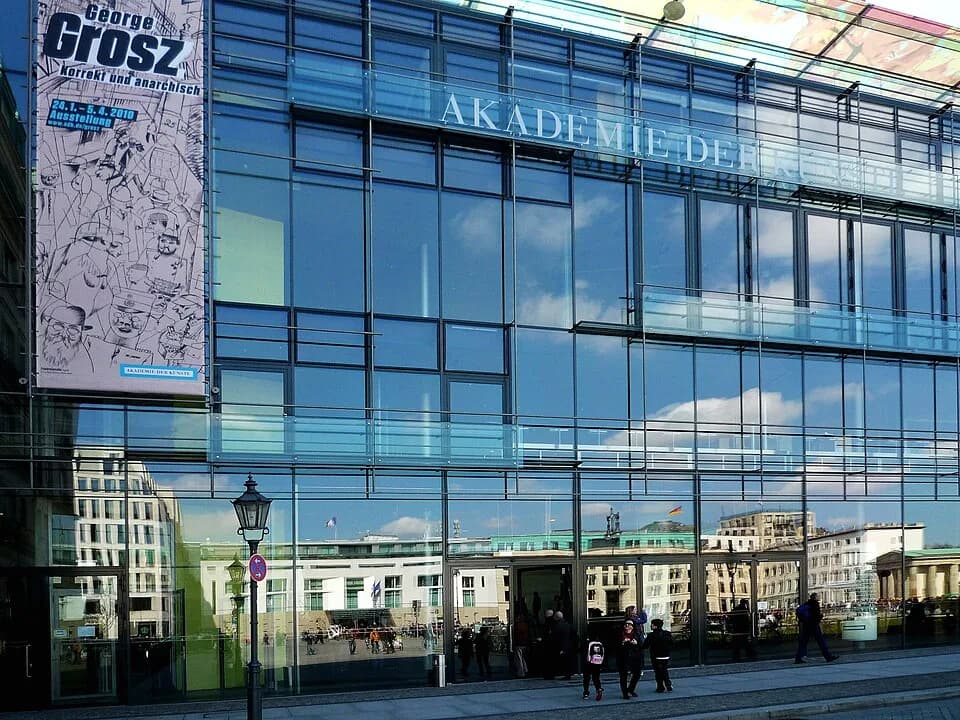
In 1959, after decades spent in the United States, George Grosz made the decision to return to Berlin, the city that had so deeply inspired his early, most famous works. His return to his homeland marked a full circle in his life's journey. Tragically, he passed away shortly after his arrival, on July 6, 1959, in West Berlin, then part of Allied-occupied Germany.
Kapitulli 6· Kapitulli 6 nga 6
Legacy and Impact
George Grosz's legacy as an artist is enduring, primarily defined by his unflinching portrayal of society during a period of immense upheaval. His caricatural drawings and paintings remain crucial historical documents, offering unparalleled insight into the social and political atmosphere of the Weimar Republic. His sharp wit and distinctive style continue to influence contemporary artists and critics alike.
His contributions to the Berlin Dada and New Objectivity movements solidified his place in the history of modern art, while his later career in the United States showcased his artistic evolution. Grosz's work challenges viewers to confront uncomfortable truths, ensuring his status as a master of social commentary and an artist whose vision remains remarkably relevant today.
Një jetë në momente
Momentet që formësuan një jetë
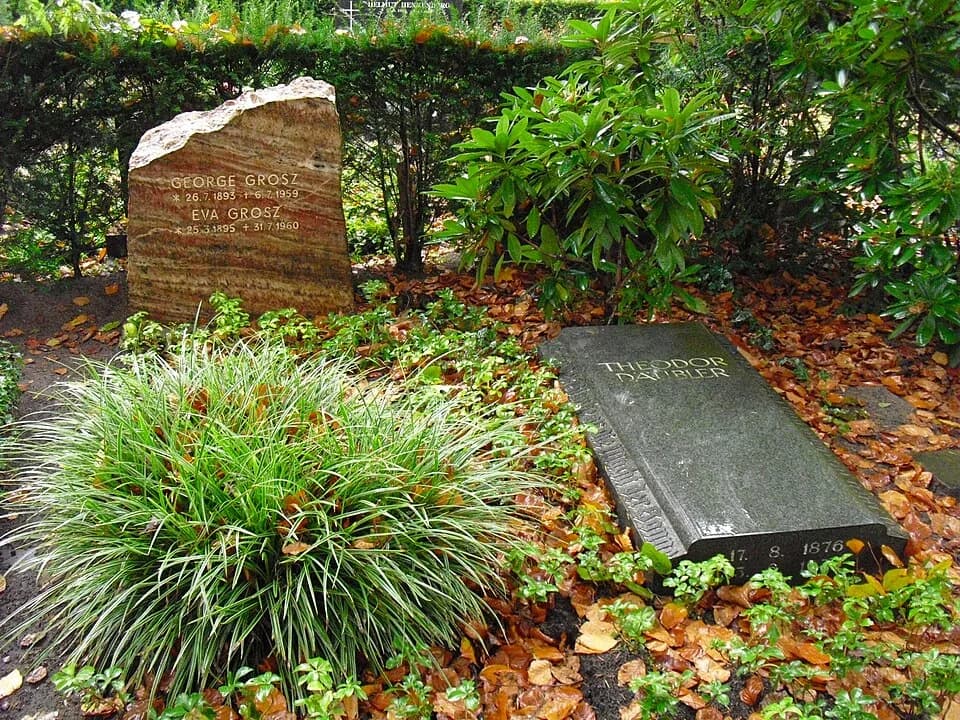
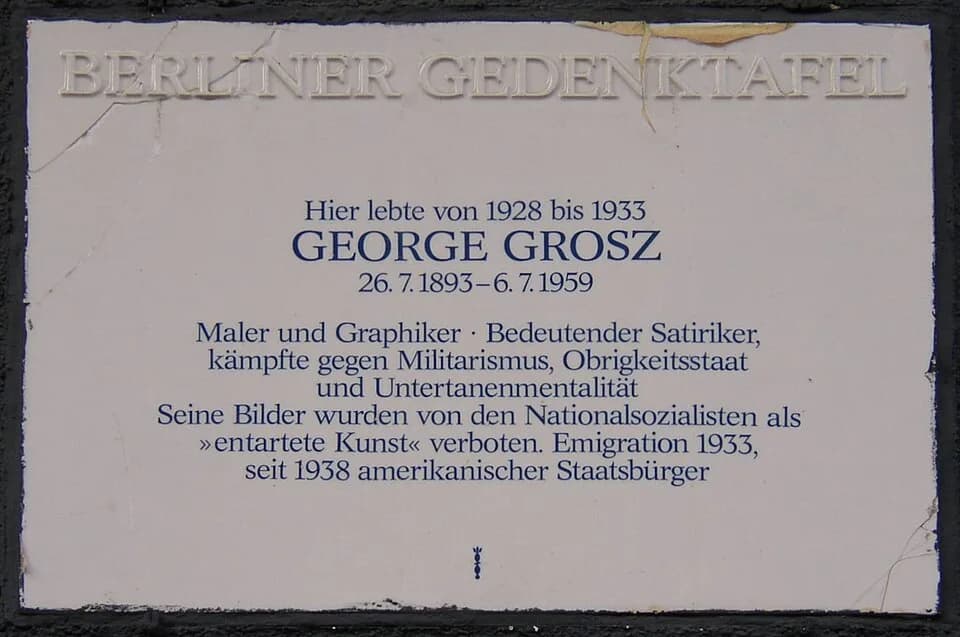
Pyetje të shpeshta
Pyetje të bëra shpesh
Kur vdiq George Grosz?
George Grosz vdiq më 6 korrik 1959 në West Berlin, Allied-occupied Germany, në moshën 65-vjeçare.
Ku lindi George Grosz?
George Grosz lindi në Berlin, Margraviate of Brandenburg më 26 korrik 1893.
Për çfarë është më i/e njohur George Grosz?
George Grosz është më i/e njohur për German artist.
Sa vjeç ishte George Grosz kur vdiq?
George Grosz ishte 65 vjeç kur vdiq.
Çfarë kombësie kishte George Grosz?
George Grosz ishte nga Margraviate of Brandenburg.
Linja kohore
Jeta në një vështrim
Galeri fotografike
Një jetë në fotografi
Klikoni çdo polaroid për ta zmadhuar · 43 foto
Kodi QR
Ndajeni Këtë Biografi
Printoni dhe Ndani
Skanoni për të vizituar këtë faqe biografie. Printojeni për ngjarje, ekspozita ose materiale edukative.