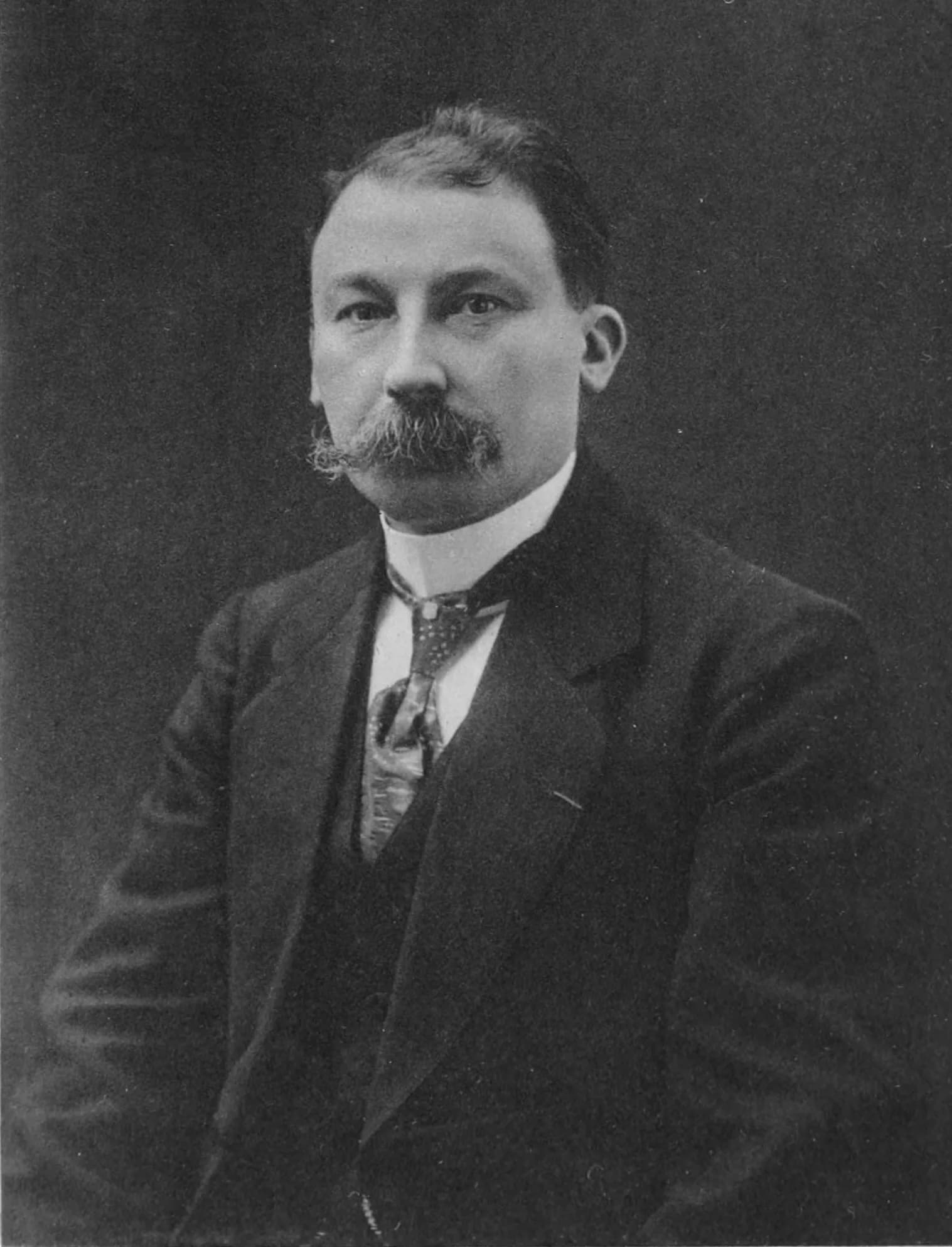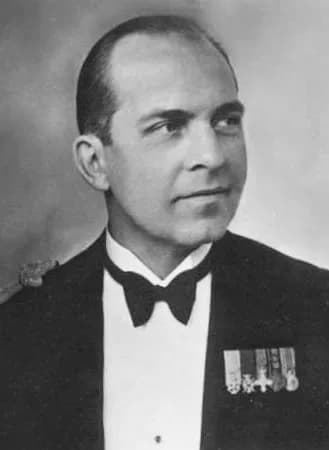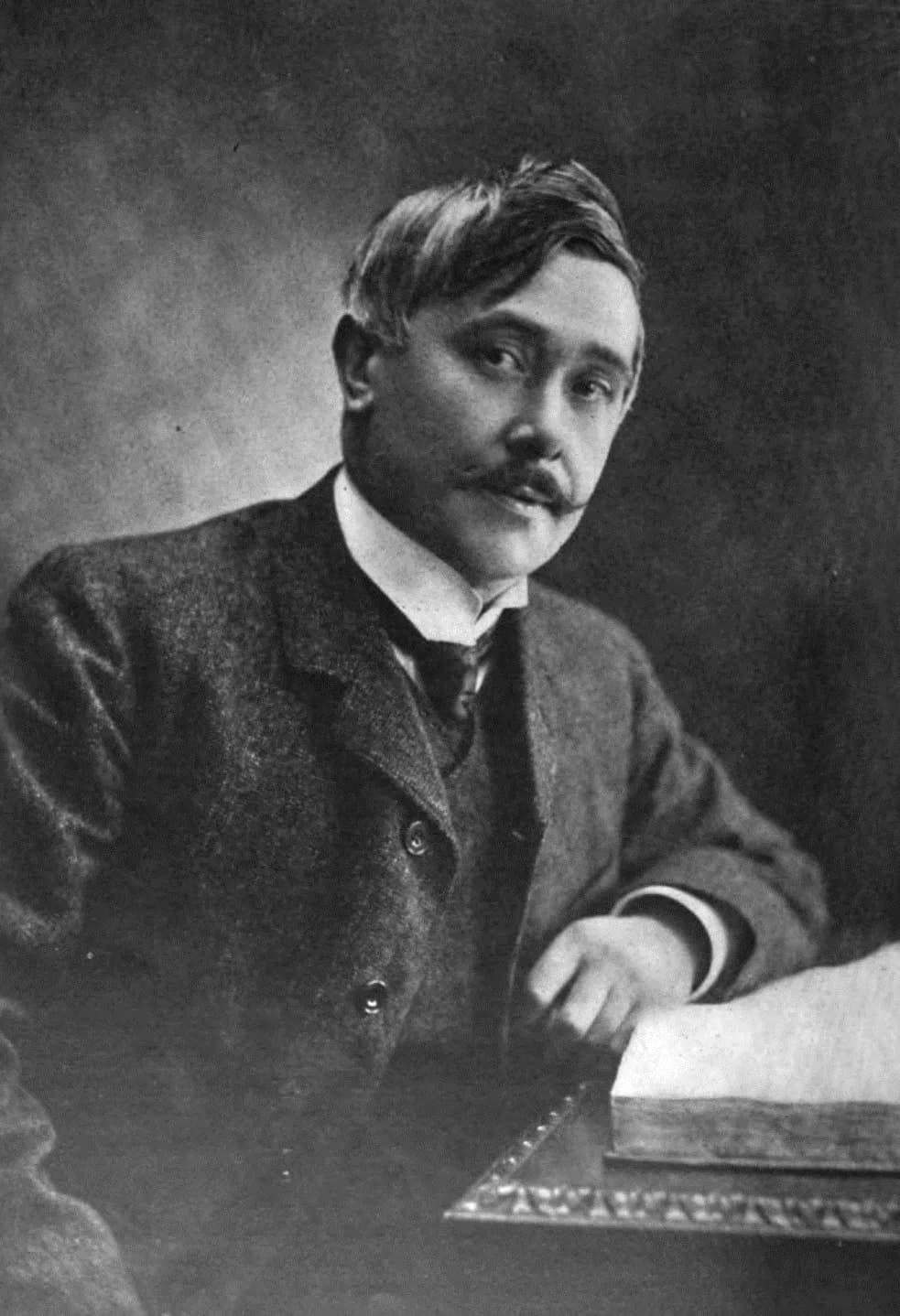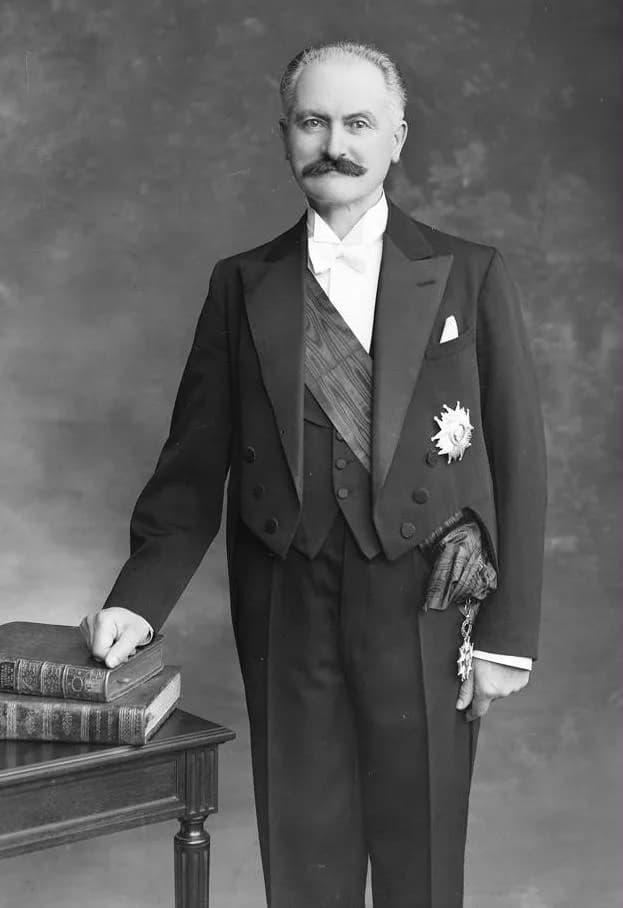
Lindur
August 29, 1871
Mercy-le-Haut, France
Vdekur
March 6, 1950
16th arrondissement of Paris, France
I njohur për
15th President of the French Republic
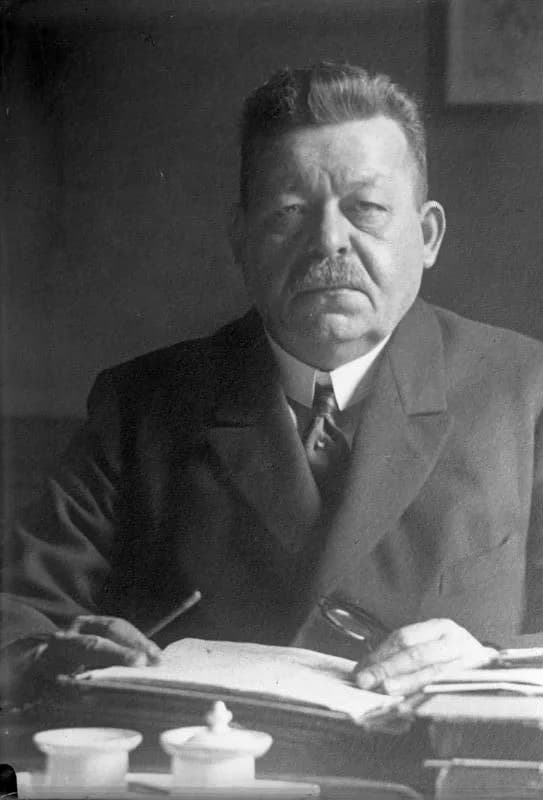
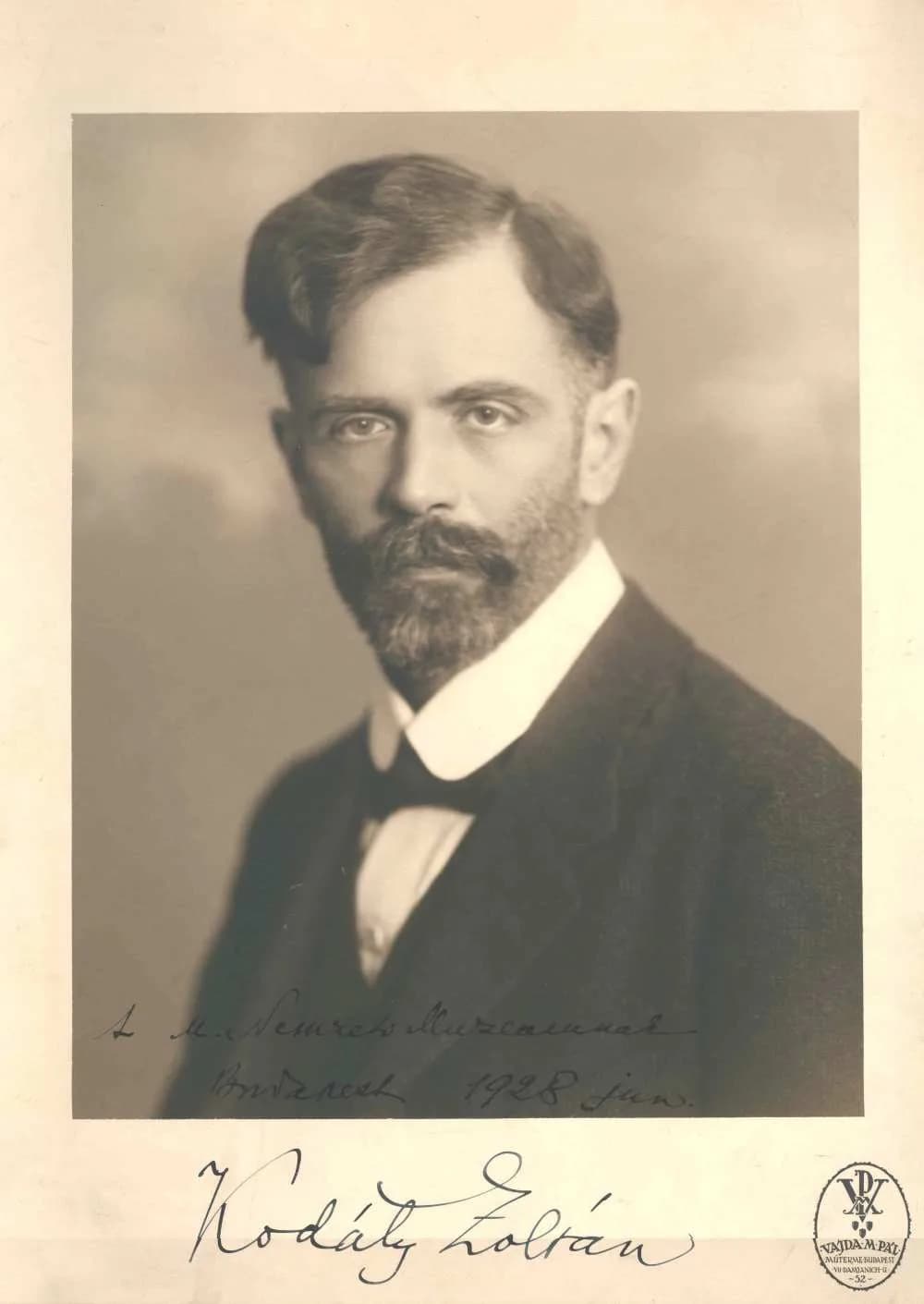
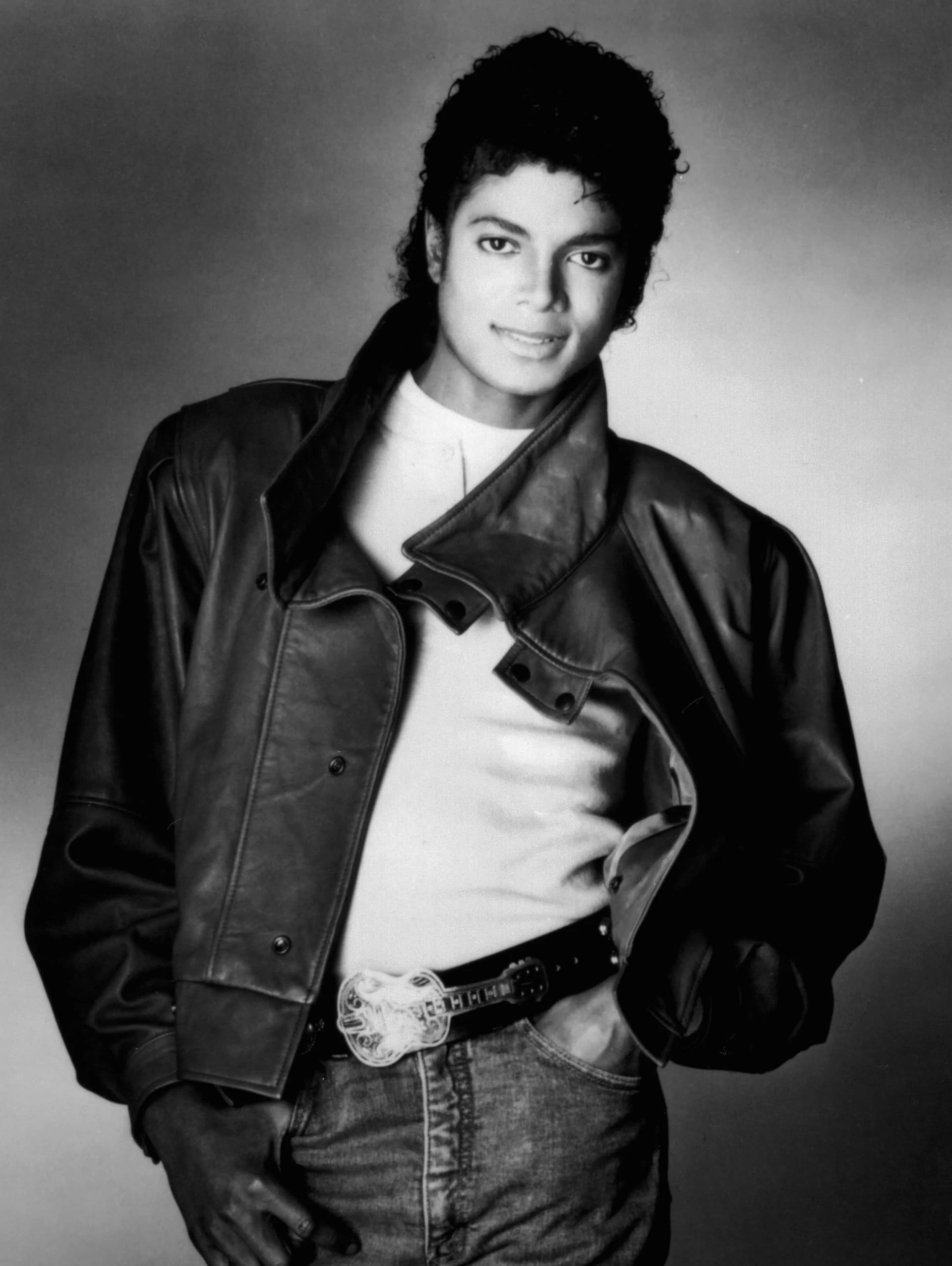
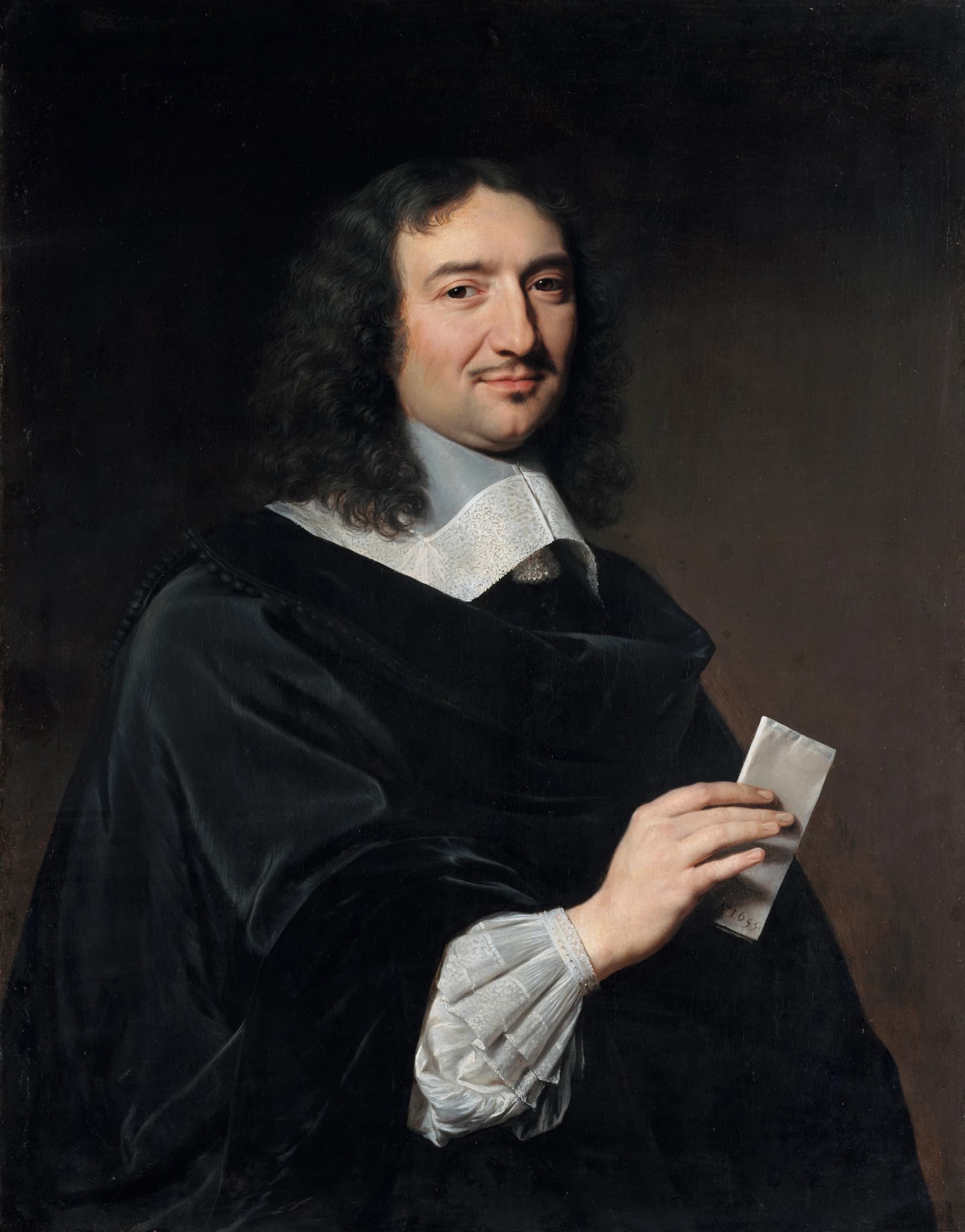
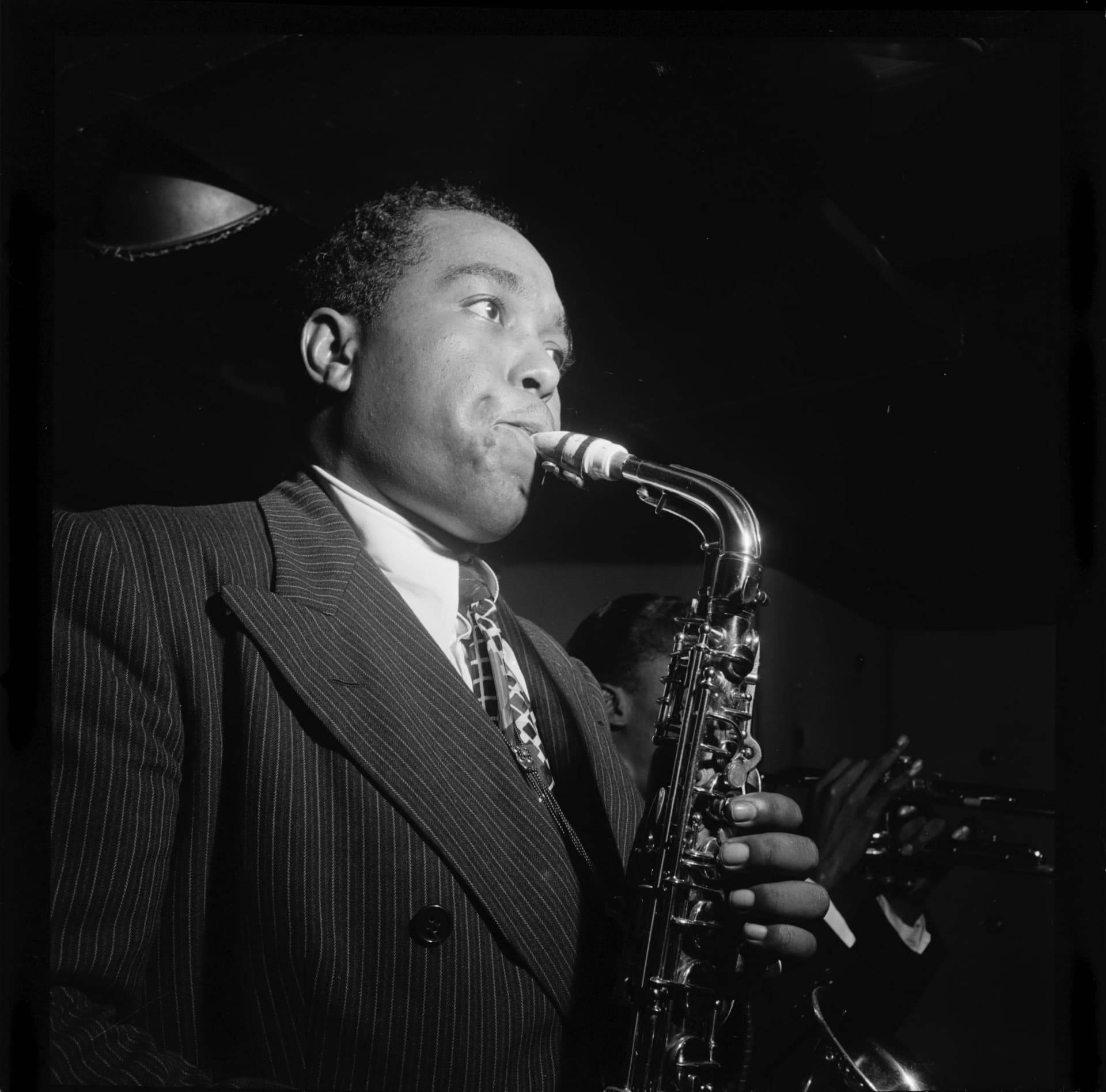
Albert François Lebrun (1871–1950) was France best known for 15th President of the French Republic.
Albert François Lebrun (August 29, 1871 – March 6, 1950) was a French politician, engineer, and entomologist. He served as the 15th and last President of the French Republic from 1932 to 1940. His presidency marked the end of the Third Republic, leaving a significant historical legacy.
Një jetë në momente
Momentet që formësuan një jetë
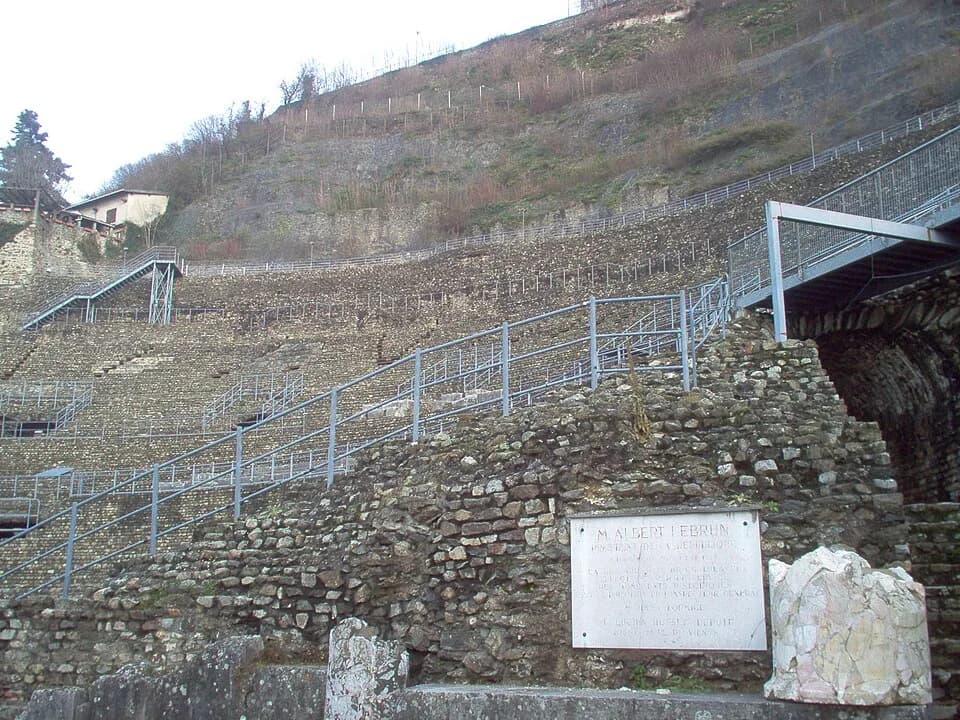
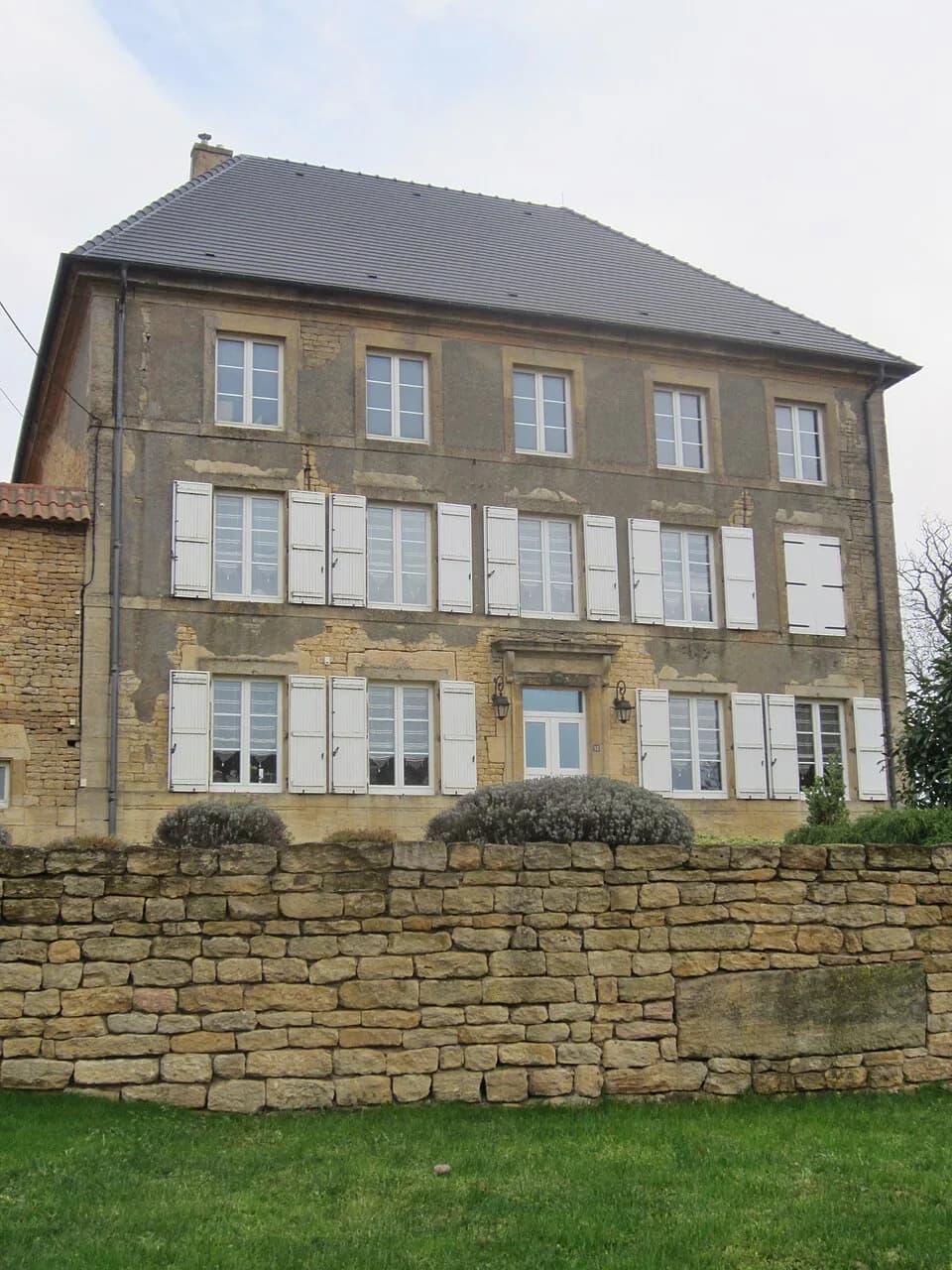
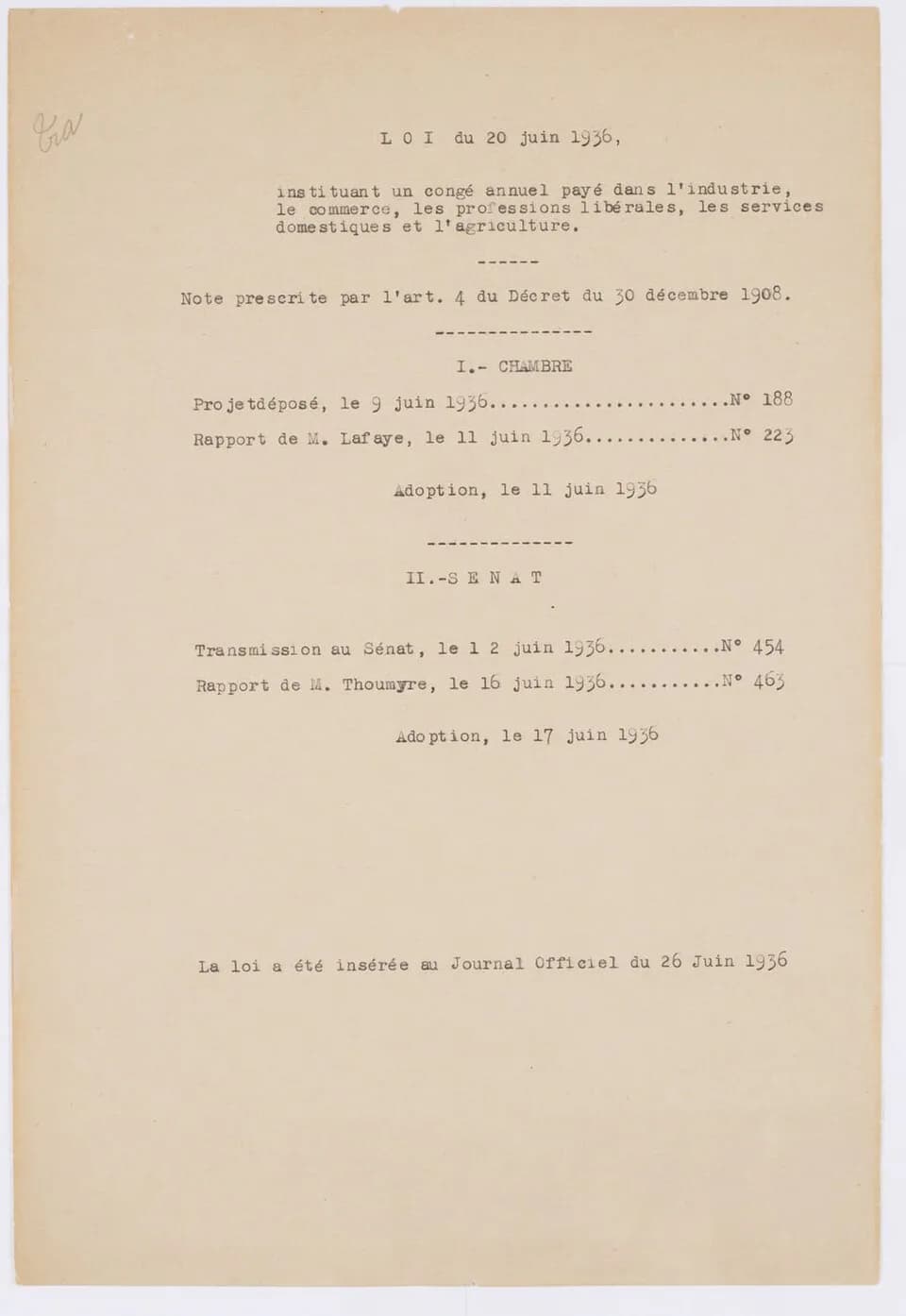
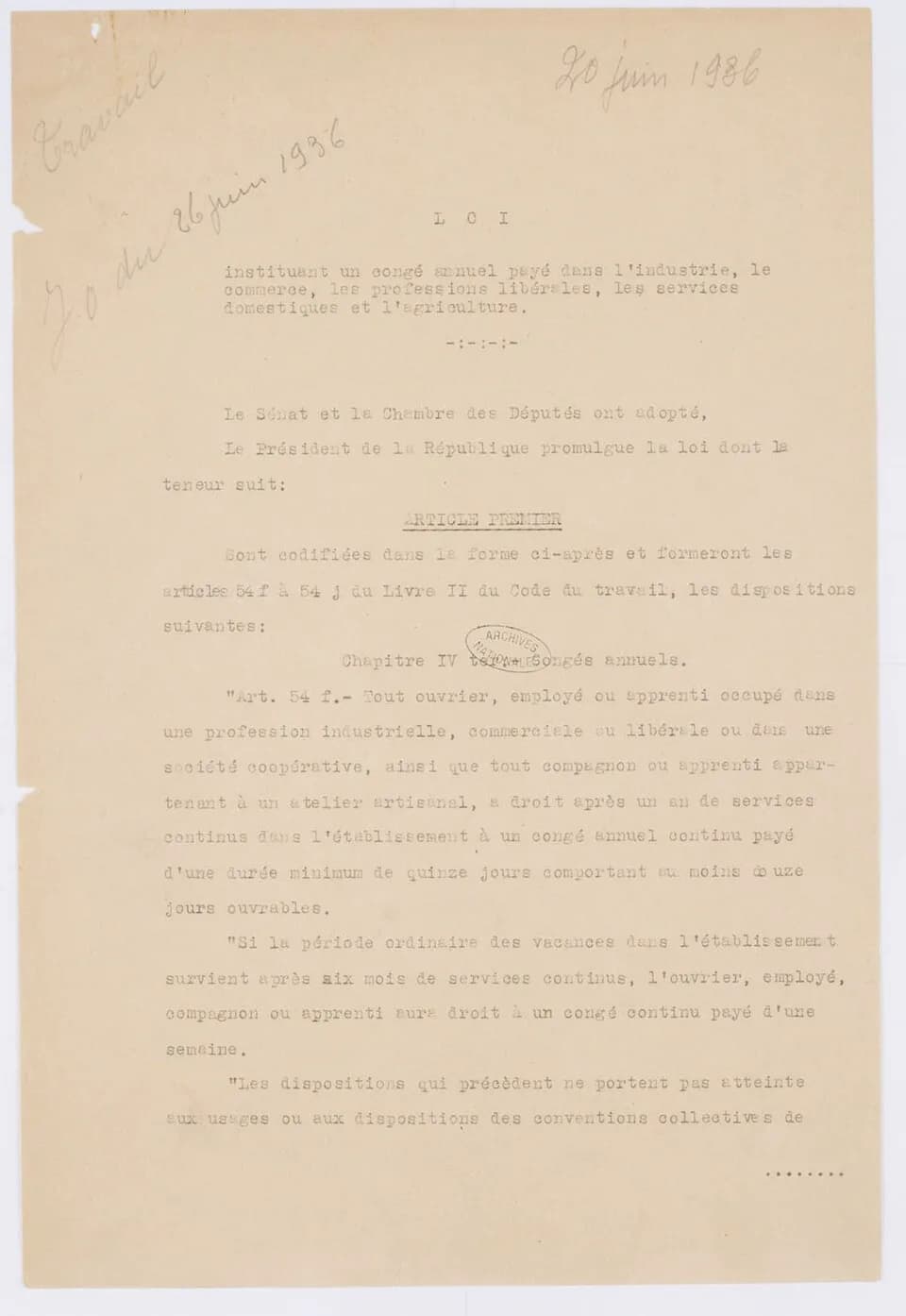
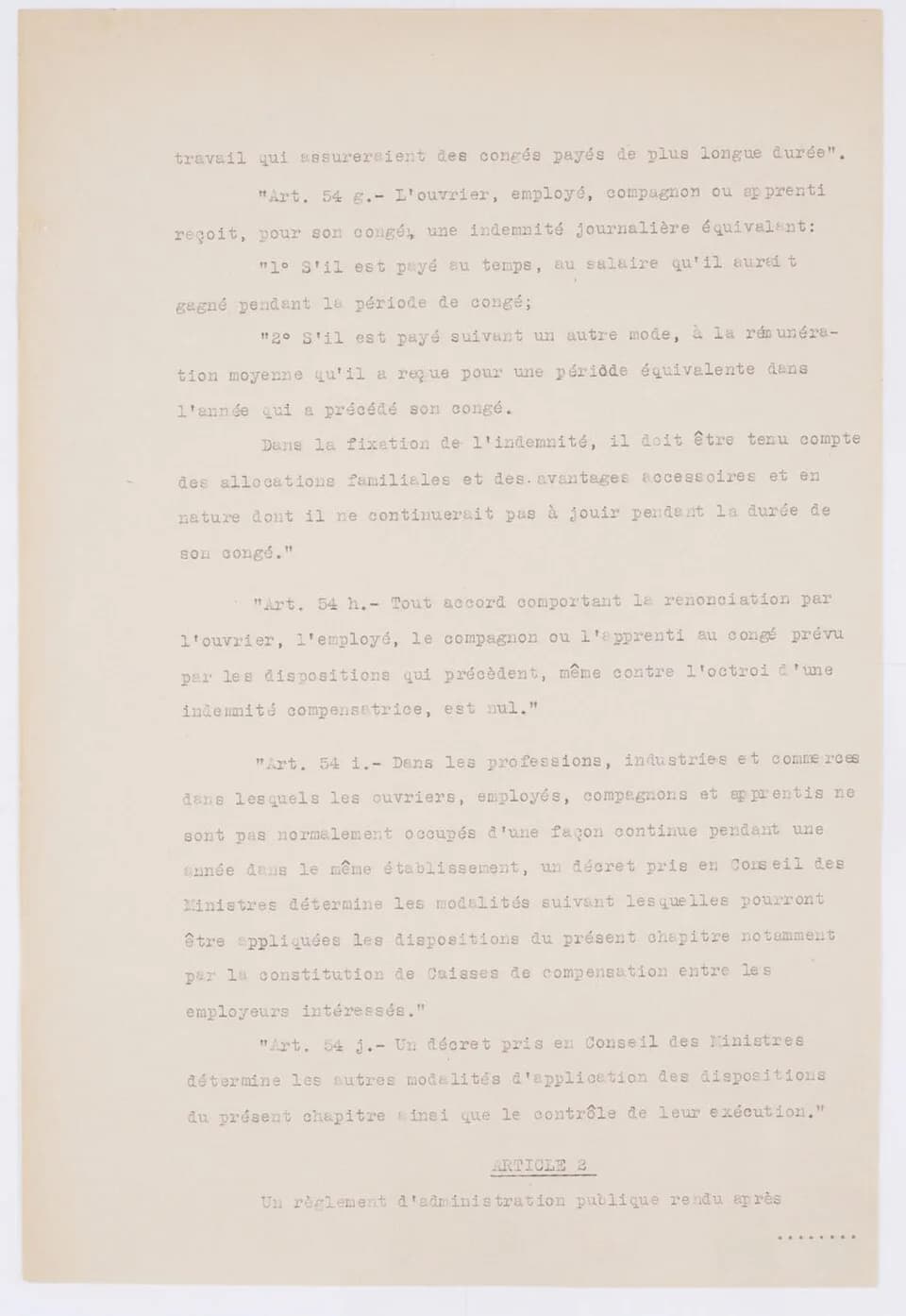
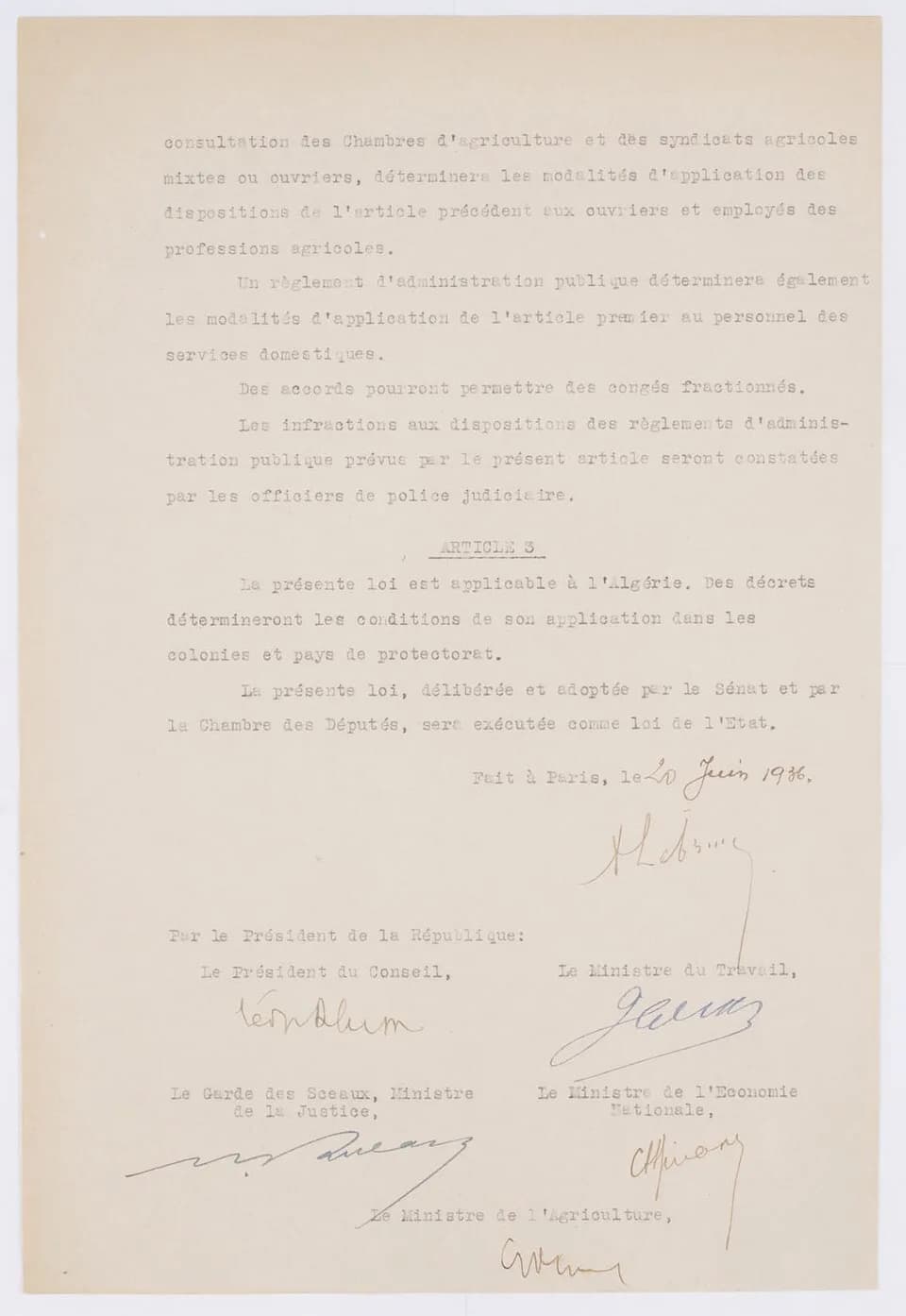
Kapitulli
Kapitujt e jetës
Kapitulli 1 · 1871· Kapitulli 1 nga 7
Early Life and Origins
Albert François Lebrun's journey began in Mercy-le-Haut, a community in France, where he was born on August 29, 1871. His early years in the French countryside likely instilled in him a foundational understanding of the nation's diverse populace and its needs, shaping his eventual trajectory into public life. The pursuit of knowledge and intellectual rigor defined his formative experiences, leading him to cultivate a range of scholarly interests. Beyond the traditional paths of education, Lebrun embraced the demanding disciplines of engineering, which provided him with a structured, problem-solving approach to complex challenges. This practical education would undoubtedly prove invaluable in his later political career, offering a grounding in logical thought and systematic execution.
His intellectual curiosity also extended to the natural world, as evidenced by his profession as an entomologist. This less common pursuit for a future head of state speaks volumes about Albert François Lebrun's broad intellectual scope and his capacity for detailed observation and classification. While engineering provided a framework for understanding constructed systems, entomology offered insights into the intricate organization of nature, fostering patience and a keen eye for detail. These diverse academic and professional backgrounds, nurtured from his roots in Mercy-le-Haut, France, prepared him for a life of public service that would demand both technical acumen and a nuanced understanding of complex societal structures.
Kapitulli 2· Kapitulli 2 nga 7
Career Beginnings
Albert François Lebrun's entry into public life was underpinned by his robust educational background in engineering, a field that emphasizes practical application and strategic planning. This foundation allowed him to approach political issues with a methodical mindset, differentiating him from many of his contemporaries. His early career saw him align with the Democratic Republican Alliance (ARD), a prominent centre-right political party in France during the Third Republic. This affiliation signaled his commitment to a political philosophy rooted in republican values, economic stability, and moderate social reform, positioning him within the mainstream of French parliamentary politics.
His progression through the political system was steady and reflective of his growing influence and respect among his peers. Before ascending to the presidency, Albert François Lebrun served in various governmental capacities, gaining invaluable experience in national administration and legislative processes. Each role he undertook contributed to his comprehensive understanding of the intricate workings of the French state, from economic policy to social welfare. These foundational experiences, developed within the structured environment of the Third Republic's political machinery, meticulously prepared him for the ultimate responsibility that awaited him, showcasing a politician who built his career on a solid bedrock of service and expertise.
Kapitulli 3 · 1932· Kapitulli 3 nga 7
Major Achievements and Career Highlights
The zenith of Albert François Lebrun's political career arrived in 1932, when he was elected the 15th President of the French Republic. This appointment placed him at the highest constitutional office in France, a position of immense symbolic and political importance, especially during the tumultuous interwar period. His presidency, which lasted until 1940, spanned a critical epoch in European history, marked by economic depression, rising geopolitical tensions, and the inexorable march towards global conflict. President Lebrun’s tenure was characterized by his efforts to maintain French unity and stability amidst these swirling currents, adhering to the republican principles he had espoused throughout his career.
One of Albert François Lebrun's most significant, albeit challenging, distinctions was serving as the last president of the Third Republic. This historical fact imbues his presidency with a unique gravity, as he presided over the final chapter of a republican system that had governed France since 1870. During his years in office, from 1932 to 1940, he navigated complex parliamentary politics, witnessing frequent changes in government while striving to provide a consistent figurehead for the nation. His role involved upholding the constitution and representing France on the international stage, responsibilities he carried out even as the shadows of war lengthened across the continent. The period leading up to and including the initial stages of World War II fundamentally defined his presidency, placing extraordinary demands on his leadership as President of the French Republic.
Kapitulli 4· Kapitulli 4 nga 7
Personal Life
While Albert François Lebrun dedicated the vast majority of his public life to the demanding arenas of politics and engineering, his personal interests offered a glimpse into a multifaceted intellect. His profession as an entomologist stands out as a unique passion, suggesting a profound curiosity for the natural world that transcended the often-rigid boundaries of public office. This scientific pursuit likely provided a quiet counterpoint to the relentless pressures of being the President of France, offering moments of meticulous observation and intellectual detachment. The study of insects, requiring patience, detailed classification, and an understanding of complex ecosystems, may have informed his approach to societal and political structures, fostering an appreciation for intricate interdependencies.
Though specific details about his family life are not extensively documented in the public record, his commitment to such a specialized scientific field indicates a man of diverse passions. Albert François Lebrun's interest in entomology was not merely a casual hobby but a recognized profession, suggesting a dedication that went beyond fleeting interest. This aspect of his personal life reflects a mind that valued structured inquiry and the quiet pursuit of knowledge, offering a fuller picture of the individual behind the statesman. His ability to balance the rigorous demands of being a politician and President with a scientific vocation speaks to a well-rounded personality and an enduring intellectual vigor throughout his life, including his final years in the 16th arrondissement of Paris.
Kapitulli 5 · 1932· Kapitulli 5 nga 7
Notable Works or Contributions
Albert François Lebrun's most significant contributions are inextricably linked to his eight-year tenure as President of France from 1932 to 1940. As the 15th President of the French Republic, his primary work was the stewardship of the nation through one of its most precarious periods. He exercised the constitutional powers of his office, which included presiding over cabinet meetings, representing France in diplomatic engagements, and ensuring the continuity of the state amidst frequent governmental changes in the Third Republic. His steady hand and adherence to republican protocols were vital during a time when political extremism was gaining traction across Europe, posing direct threats to democratic institutions.
The weight of his contributions grew exponentially as the decade progressed, with France facing severe economic challenges and the rising menace of Nazi Germany. President Lebrun's actions during these years were geared towards maintaining national sovereignty and peace, though the latter ultimately proved unattainable. His role as a unifying figure, despite the deep divisions within French politics, was a crucial aspect of his presidency. He upheld the democratic framework of the Third Republic until its dissolution in 1940, a critical moment that defined his place in history. His professional background as an engineer likely influenced his methodical approach to the immense challenges he faced, contributing a sense of order and logical progression to his presidential duties, while his interest in entomology perhaps instilled a perspective on resilience and adaptation.
Kapitulli 6 · 1940· Kapitulli 6 nga 7
Later Years
The conclusion of Albert François Lebrun's presidency in 1940 marked a profound turning point, not only for his personal career but for the entire French nation. With the collapse of the Third Republic amidst the German invasion, his eight-year term as President of France came to an abrupt and dramatic end. This period of immense national crisis saw him grappling with the gravest decisions a head of state could face, ultimately presiding over the end of an era that had endured for seven decades. Following the cessation of his presidential duties, Lebrun retreated from the intense glare of public office, undoubtedly reflecting on the extraordinary circumstances that brought his tenure to a close.
Despite the seismic events that defined the end of his public career, Albert François Lebrun lived for another decade, witnessing the aftermath of World War II and the reconstruction of France. He passed away on March 6, 1950, in the 16th arrondissement of Paris, France. His death marked the quiet departure of a man who had stood at the helm of his nation during its most trying hours, a politician, engineer, and entomologist whose life was intrinsically linked to the fate of the French Third Republic. His final years were spent away from the direct exercise of power, yet his historical significance remained, as a living link to a bygone republican age.
Kapitulli 7 · 1932· Kapitulli 7 nga 7
Legacy and Impact
Albert François Lebrun's most enduring legacy stems from his unique position as the last president of the French Third Republic. His eight-year term, from 1932 to 1940, effectively brought to a close a pivotal period in French history, making him a central figure in the narrative of France's twentieth-century transformations. His presidency is historically significant not just for its duration, but for the profound challenges it encompassed, including the Great Depression and the onset of World War II. He became a symbol of the Third Republic's final years, a period of immense political and social strain that ultimately led to a reevaluation of France's national identity and governmental structure.
Beyond his presidential role, Albert François Lebrun’s diverse professional background as an engineer and entomologist underscores a legacy of intellectual breadth and practical engagement. His engineering prowess would have shaped his approach to governance, emphasizing efficiency and logical problem-solving. Meanwhile, his identity as an entomologist showcases a commitment to scientific inquiry and a curiosity about the natural world, demonstrating that his intellectual life extended well beyond the political arena. This unique combination of professions suggests a leader who valued both systematic thought and the detailed observation characteristic of a scientific mind. His contributions as a politician were defined by his steady presence during years of crisis, fulfilling his duties as President of the French Republic until the very end of its constitutional existence, leaving an indelible mark on French historical memory from his birth in Mercy-le-Haut to his death in the 16th arrondissement of Paris.
Pyetje të shpeshta
Pyetje të bëra shpesh
Kur vdiq Albert François Lebrun?
Albert François Lebrun vdiq më 6 mars 1950 në 16th arrondissement of Paris, France, në moshën 78-vjeçare.
Ku lindi Albert François Lebrun?
Albert François Lebrun lindi në Mercy-le-Haut, France më 29 gusht 1871.
Për çfarë është më i/e njohur Albert François Lebrun?
Albert François Lebrun është më i/e njohur për 15th President of the French Republic.
Sa vjeç ishte Albert François Lebrun kur vdiq?
Albert François Lebrun ishte 78 vjeç kur vdiq.
Çfarë kombësie kishte Albert François Lebrun?
Albert François Lebrun ishte nga France.
Linja kohore
Jeta në një vështrim
Galeri fotografike
Një jetë në fotografi
Klikoni çdo polaroid për ta zmadhuar · 42 foto
Kodi QR
Ndajeni Këtë Biografi
Printoni dhe Ndani
Skanoni për të vizituar këtë faqe biografie. Printojeni për ngjarje, ekspozita ose materiale edukative.