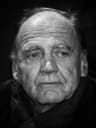
Narodený(á)
March 22, 1907
Bucharest, Principality of Wallachia
Zomrel(a)
April 22, 1986
Chicago, United States
Známy(a) ako
Romanian-American historian, writer, philosopher and professor at the University of Chicago
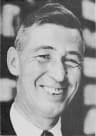
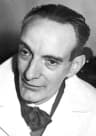
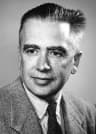
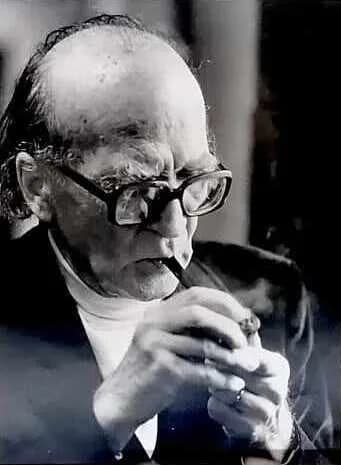
Mircea Eliade (1907–1986) was Principality of Wallachia best known for Romanian-American historian, writer, philosopher and professor at the University of Chicago.
Mircea Eliade (March 22, 1907 – April 22, 1986) was a Romanian-American historian, writer, and philosopher. He significantly influenced religious studies with his theories on hierophanies and the eternal return. Eliade's work shaped paradigms for interpreting religious experience.
Kapitola
Životné kapitoly
Kapitola 1 · 1907· Kapitola 1 z 8
Remembering Mircea Eliade
Mircea Eliade (March 22, 1907 – April 22, 1986) was a distinguished Romanian-American historian, writer, philosopher, and professor at the University of Chicago. He stands as one of the most influential scholars of religion in the 20th century, offering profound interpretations of religious experience. Eliade established enduring paradigms in religious studies, profoundly shaping the understanding of human encounters with the sacred.
Kapitola 2 · 1907· Kapitola 2 z 8
Early Life and Origins
Mircea Eliade began his life in Bucharest, Principality of Wallachia, where he was born on March 22, 1907. This birthplace in Eastern Europe would later inform some of his unique perspectives on culture and tradition. His early years fostered an environment that allowed for the development of his expansive intellectual interests.
Although specific details of his upbringing are not extensively documented, his extensive future career reflects an early dedication to learning and inquiry. His formative experiences in Bucharest undoubtedly contributed to his later explorations into global mythologies and religious phenomena.
Kapitola 3· Kapitola 3 z 8
Career Beginnings
Eliade cultivated an extensive range of professions early in his career, demonstrating his broad intellectual curiosity and versatility. He was recognized as a writer, historian, and diplomat, developing a solid foundation for his scholarly pursuits. His professional life also encompassed roles as a playwright, biographer, pedagogue, and journalist, alongside his contributions as a literary critic and philosopher.
This wide array of roles, including anthropologist, novelist, essayist, ethnographer, diarist, mythographer, and Indologist, allowed Eliade to approach the study of religion from numerous angles. These diverse experiences provided a rich, interdisciplinary background that would characterize his later academic work and writings. His early contributions helped set the stage for his eventual prominence as a religious studies scholar.
Kapitola 4· Kapitola 4 z 8
Major Achievements and Career Highlights
Mircea Eliade’s academic career was marked by significant contributions to the field of religious studies, particularly during his tenure as a professor at the University of Chicago. One of his most important theoretical frameworks centered on hierophanies, which he posited form the fundamental basis of religion. This theory explains how the human experience of reality is divided into sacred and profane space and time.
Another instrumental contribution was his theory of eternal return, which asserts that myths and rituals are not merely commemorative acts. Instead, Eliade argued that these practices actively participate in the hierophanies they describe, allowing individuals to experience the sacred directly. These groundbreaking theories established new methodologies for understanding religious phenomena and have continued to influence generations of scholars.
Kapitola 5· Kapitola 5 z 8
Personal Life
While specific details concerning Mircea Eliade's personal life, such as family and relationships, are not widely available, his extensive body of work speaks to a life intensely committed to scholarship and intellectual exploration. His unwavering dedication to the study of religion and mythology defined much of his existence. He channeled his energies into his writing and academic pursuits, creating a lasting intellectual legacy.
His career as a university teacher, particularly at the University of Chicago, highlights a life spent in academic rigor and teaching. This devotion to knowledge suggests that his personal choices were deeply intertwined with his professional vocation. Eliade's intellectual journey was undeniably central to his identity.
Kapitola 6· Kapitola 6 z 8
Notable Works or Contributions
Mircea Eliade produced an extensive bibliography across his career, encompassing various genres and academic disciplines. Among his most recognized works are ‘Le sacré et le profane’ and ‘Noaptea de sânziene,’ which reached broad audiences. His scholarly endeavors included texts like ‘Metallurgy, magic and alchemy,’ further illustrating his eclectic research interests.
His academic publications also stand as significant contributions to his field. ‘Istoria credinţelor și ideilor religioase,’ published in 1999, garnered 32 citations, demonstrating its enduring relevance. ‘Tratat de istorie a religiilor,’ a 1992 publication, received 14 citations, reinforcing his scholarly influence. Other notable academic contributions include ‘DESTINUL CULTURII ROMANESTI’ (1994, 3 citations) and ‘Nostalgia originilor; istorie şi semnificanţie în religie’ (1994, 2 citations), alongside ‘Drumul Spre Centru Antologie Alcatuita de Gabriel Liiceanu Si Andrei Plesu’ (1991, 1 citation). His H-index of 3, based on 12 papers, reflects the scholarly attention given to his work. Eliade also authored works such as ‘MEMORIA,’ ‘Vom Heiligen in der Kunst,’ ‘Die grossen Mythen der Menschheit,’ ‘رساله در تاريخ اديان,’ ‘Das Heilige und das Profane,’ ‘Farhang va dīn,’ and ‘دىنپژوهى,’ which further showcase his extensive output and international reach.
Kapitola 7· Kapitola 7 z 8
Later Years
In his later years, Mircea Eliade continued his influential work as a professor at the University of Chicago, contributing significantly to academic discourse. He remained an active scholar, philosopher, and writer until the end of his life. His presence at such a prestigious institution cemented his status as a leading figure in religious studies.
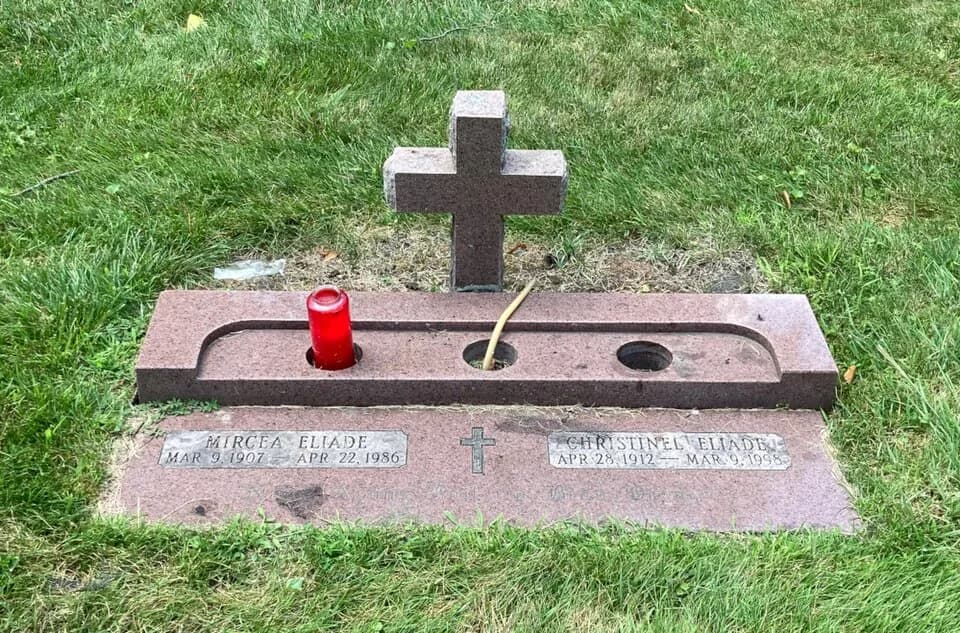
Mircea Eliade passed away in Chicago, United States, on April 22, 1986, at the age of 79. His passing marked the end of a prolific career dedicated to exploring the depths of human religious experience and its cultural expressions. His intellectual contributions continued to resonate long after his death.
Kapitola 8· Kapitola 8 z 8
Legacy and Impact
Mircea Eliade's legacy in the field of religious studies is enduring and far-reaching. His theories on hierophanies and the eternal return continue to be foundational concepts for scholars examining religion and mythology. He successfully established new interpretive frameworks, guiding how religious phenomena are understood and analyzed globally.
His diverse professional background as a writer, historian, philosopher, and mythographer allowed him to approach his subject with a unique interdisciplinary vision. Eliade's work encourages a deeper appreciation for the sacred dimension of human existence, ensuring his lasting influence on subsequent generations of thinkers and researchers. He remains a central figure in the academic exploration of religion and culture.
Život v okamihoch
Okamihy, ktoré formovali život
Časté otázky
Často sa pýtajú
Kedy zomrel(a) Mircea Eliade?
Mircea Eliade zomrel(a) 22. apríla 1986 v Chicago, United States vo veku 79 rokov.
Kde sa narodil(a) Mircea Eliade?
Mircea Eliade sa narodil(a) v Bucharest, Principality of Wallachia 22. marca 1907.
Čím je Mircea Eliade najznámejší(ia)?
Mircea Eliade je najznámejší(ia) vďaka Romanian-American historian, writer, philosopher and professor at the University of Chicago.
Koľko mal(a) Mircea Eliade v čase smrti?
Mircea Eliade mal(a) v čase smrti 79 rokov.
Akú národnosť mal(a) Mircea Eliade?
Mircea Eliade pochádzal(a) z Principality of Wallachia.
Časová os
Život v skratke
Fotogaléria
Život v obrazoch
Kliknite na ľubovoľný polaroid pre zväčšenie · 25 fotografií
QR kód
Zdieľať tento životopis
Vytlačiť a zdieľať
Naskenujte pre návštevu tejto stránky životopisu. Vytlačte si pre podujatia, výstavy alebo vzdelávacie materiály.