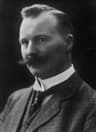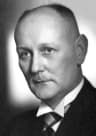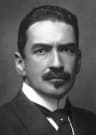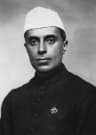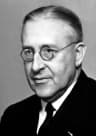
Narodený(á)
March 22, 1869
Kawit, Philippines
Zomrel(a)
February 6, 1964
Manila, Philippines
Známy(a) ako
President of the Philippines from 1899 to 1902
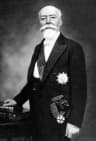
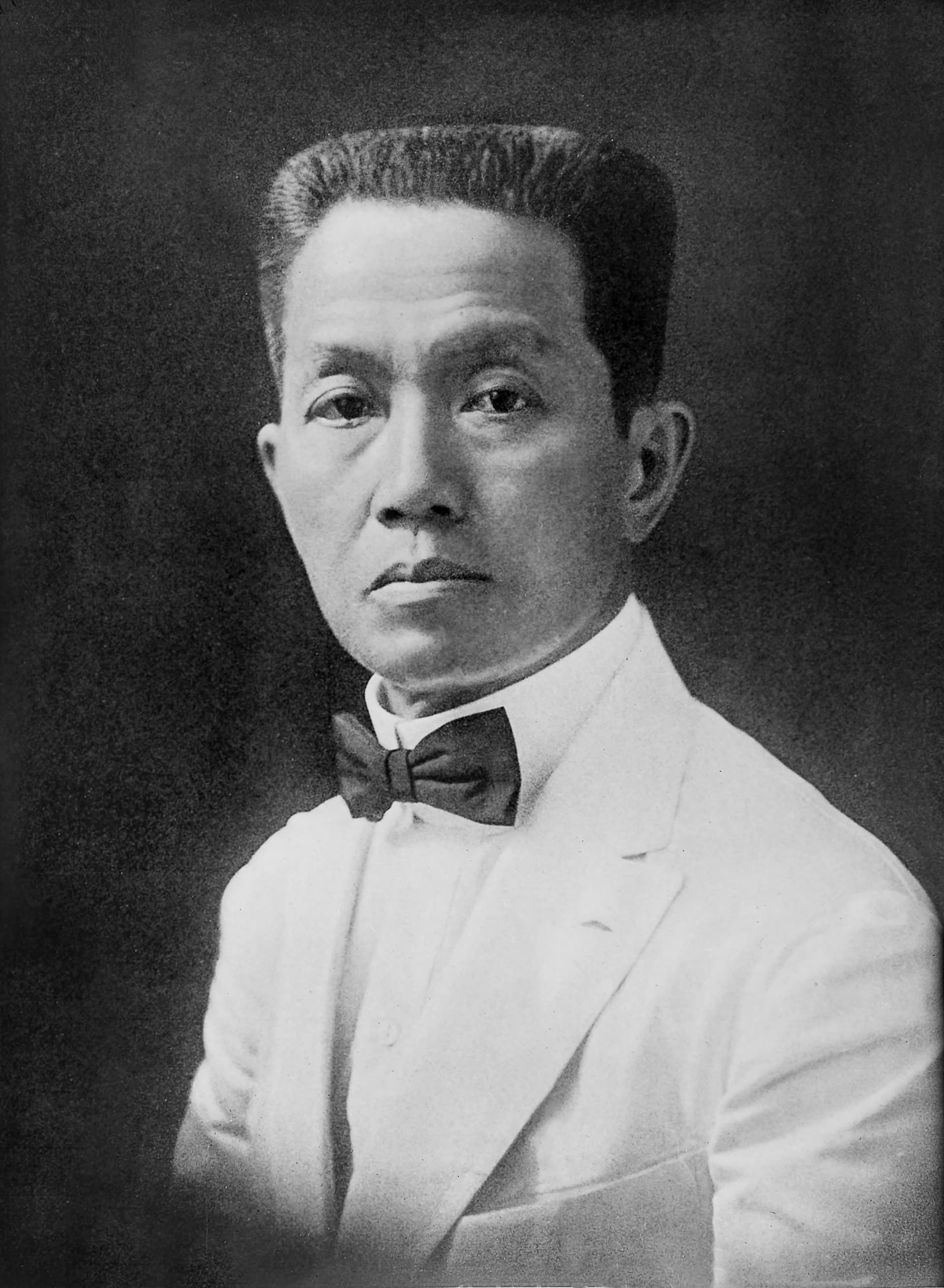
Emilio Aguinaldo (1869–1964) was Philippines best known for President of the Philippines from 1899 to 1902.
Emilio Aguinaldo (March 22, 1869 – February 6, 1964) was a Filipino revolutionary, statesman, and military leader. He served as the first President of the Philippines from 1899 to 1902, making him the first president of an Asian constitutional republic. His leadership was crucial in the Philippine Revolution against Spain and the Philippine–American War.
Kapitola
Životné kapitoly
Kapitola 1 · 1869· Kapitola 1 z 7
Opening Tribute
Emilio Aguinaldo y Famy (1869–1964) was a formidable figure in Philippine history, remembered as a revolutionary, statesman, military leader, politician, and autobiographer. Born in Kawit, Philippines, and passing away in Manila, Philippines, his life spanned an era of intense struggle for national sovereignty. He holds the distinct honor of being the first President of the Philippines, serving from 1899 to 1902, a role that positioned him at the very foundation of the modern Filipino nation.
Kapitola 2 · 1869· Kapitola 2 z 7
Early Life and Origins
Emilio Aguinaldo was born on March 22, 1869, in the town of Kawit, Cavite, in the Philippines, a territory then under Spanish colonial rule. Growing up in a period of escalating nationalistic sentiment, his early life was undoubtedly shaped by the social and political dynamics of the late 19th century. Although specific details about his family and precise upbringing are not extensively provided, his subsequent rise to leadership suggests a strong connection to his community and a keen awareness of the burgeoning desire for independence among his countrymen.
His humble beginnings in Kawit provided the backdrop for a life dedicated to the aspiration of a free and sovereign Philippines. The local environment, rife with the undercurrents of colonial oppression and the growing stirrings of resistance, likely instilled in him the principles that would later define his revolutionary career. These formative years laid the groundwork for the extraordinary path he would forge as a leader in the struggle against foreign domination.
Kapitola 3 · 1896· Kapitola 3 z 7
Career Beginnings as a Revolutionary
Emilio Aguinaldo's career truly began with his involvement in the burgeoning revolutionary movement against Spanish colonial rule. As a Filipino revolutionary and military leader, he quickly rose through the ranks, demonstrating exceptional leadership qualities and strategic acumen. His dedication to the cause of Philippine independence led him to lead significant forces in the Philippine Revolution, which erupted in 1896 and continued until 1898.
This early period saw him at the forefront of armed resistance, mobilizing Filipino patriots and engaging in critical battles that chipped away at Spanish authority. His initial successes against colonial forces established him as a pivotal figure in the national struggle. Aguinaldo's emergence as a key military figure during these crucial years set the stage for his subsequent political leadership and his role in establishing the First Philippine Republic.
Kapitola 4 · 1899· Kapitola 4 z 7
Major Achievements and Career Highlights
Emilio Aguinaldo's most defining achievement was his presidency of the Philippines from 1899 to 1901, making him the first president of his nation and the first president of an Asian constitutional republic. This monumental role was the culmination of his dedicated efforts as a military leader and statesman, driving the formation of an independent government in the face of ongoing conflicts. His leadership during this period was crucial for establishing the initial framework of Philippine self-governance.
His journey to the presidency was marked by a series of intense conflicts, as he strategically led Philippine forces. First, he guided the resistance against Spain during the Philippine Revolution from 1896 to 1898, a struggle that aimed to throw off centuries of colonial rule. Following Spain's defeat, he then navigated the complexities of the Spanish–American War in 1898, where Filipino aspirations for independence were once again challenged by the shifting geopolitical landscape.
Ultimately, Aguinaldo found himself leading his forces in a prolonged and arduous conflict against the United States during the Philippine–American War, which lasted from 1899 to 1901. Throughout these wars, his resolve to establish and defend an independent Philippines remained unwavering, solidifying his place as a central figure in the fight for national self-determination. He is widely regarded in the Philippines as the country's first president during the period of the First Philippine Republic, even though his government did not receive universal recognition outside the revolutionary Philippines at the time.
Kapitola 5· Kapitola 5 z 7
Notable Works and Contributions
As an autobiographer, Emilio Aguinaldo provided invaluable firsthand accounts of the Philippine Revolution and the early years of the republic, offering a unique perspective on these transformative events. His literary contributions serve as essential historical documents, allowing future generations to understand the struggles and aspirations of the Filipino people through the eyes of one of its most central figures. These works stand as enduring testaments to his experiences and his profound commitment to the nation's independence.
Among his significant works are "My memoirs" and "Mga gunita ng himagsikan," both of which offer personal recollections of his revolutionary journey. Other notable titles include "Address to the Filipino People," which articulated his vision for the nation, and "True Version of the Philippine Revolution," providing his comprehensive account of the events. His bibliography also features "Saloobin," "Aguinaldo and the American generals," "Reseña veridica de la revolucion Filipina =," "A second look at America," and "Sentiments," each contributing to a deeper understanding of his thoughts and the historical context of his era.
Kapitola 6 · 1964· Kapitola 6 z 7
Later Years
After his active revolutionary and presidential years, Emilio Aguinaldo lived a long life, passing away on February 6, 1964, in Manila, Philippines. Despite the conclusion of his formal presidency in 1902, he remained a respected, and at times controversial, figure in Philippine society. His later years were spent reflecting on the nation's journey and his significant role in its foundational history, often sharing his experiences and insights with the public.
His passing in Manila marked the end of an era, but his influence continued to resonate throughout the nation. Even decades after his presidency, he was widely regarded as a symbol of the struggle for independence and a living link to the very origins of the Philippine Republic. His enduring presence in the national consciousness underscored the weight and significance of his early contributions to Filipino sovereignty.
Kapitola 7· Kapitola 7 z 7
Legacy and Impact
Emilio Aguinaldo's legacy is firmly etched in the annals of Philippine history as the nation's first president and a tireless champion for independence. His courage in leading forces against Spanish colonial rule, then against the United States, demonstrates an unwavering commitment to the establishment of a sovereign Filipino nation. He founded the First Philippine Republic, thereby laying the governmental groundwork for a self-ruling state, a monumental step in the country's development.
His distinction as the first president of an Asian constitutional republic also highlights his broader international significance, inspiring other nations in the region striving for self-determination. Aguinaldo's life and actions served as a powerful symbol of national aspiration and resistance against foreign domination. Through his military leadership, political acumen, and invaluable autobiographical accounts, he provided both the impetus and the narrative for the Philippines' early quest for freedom, ensuring his enduring impact on the nation's identity and its historical trajectory.
Život v okamihoch
Okamihy, ktoré formovali život
Časté otázky
Často sa pýtajú
Kedy zomrel(a) Emilio Aguinaldo?
Emilio Aguinaldo zomrel(a) 6. februára 1964 v Manila, Philippines vo veku 94 rokov.
Kde sa narodil(a) Emilio Aguinaldo?
Emilio Aguinaldo sa narodil(a) v Kawit, Philippines 22. marca 1869.
Čím je Emilio Aguinaldo najznámejší(ia)?
Emilio Aguinaldo je najznámejší(ia) vďaka President of the Philippines from 1899 to 1902.
Koľko mal(a) Emilio Aguinaldo v čase smrti?
Emilio Aguinaldo mal(a) v čase smrti 94 rokov.
Akú národnosť mal(a) Emilio Aguinaldo?
Emilio Aguinaldo pochádzal(a) z Philippines.
Časová os
Život v skratke
Fotogaléria
Život v obrazoch
Kliknite na ľubovoľný polaroid pre zväčšenie · 48 fotografií
QR kód
Zdieľať tento životopis
Vytlačiť a zdieľať
Naskenujte pre návštevu tejto stránky životopisu. Vytlačte si pre podujatia, výstavy alebo vzdelávacie materiály.