Narodený(á)
May 14, 1868
Kołobrzeg, Poland
Zomrel(a)
May 14, 1935
Nice, France
Známy(a) ako
German physician and sexologist
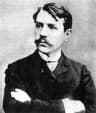
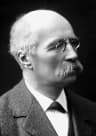
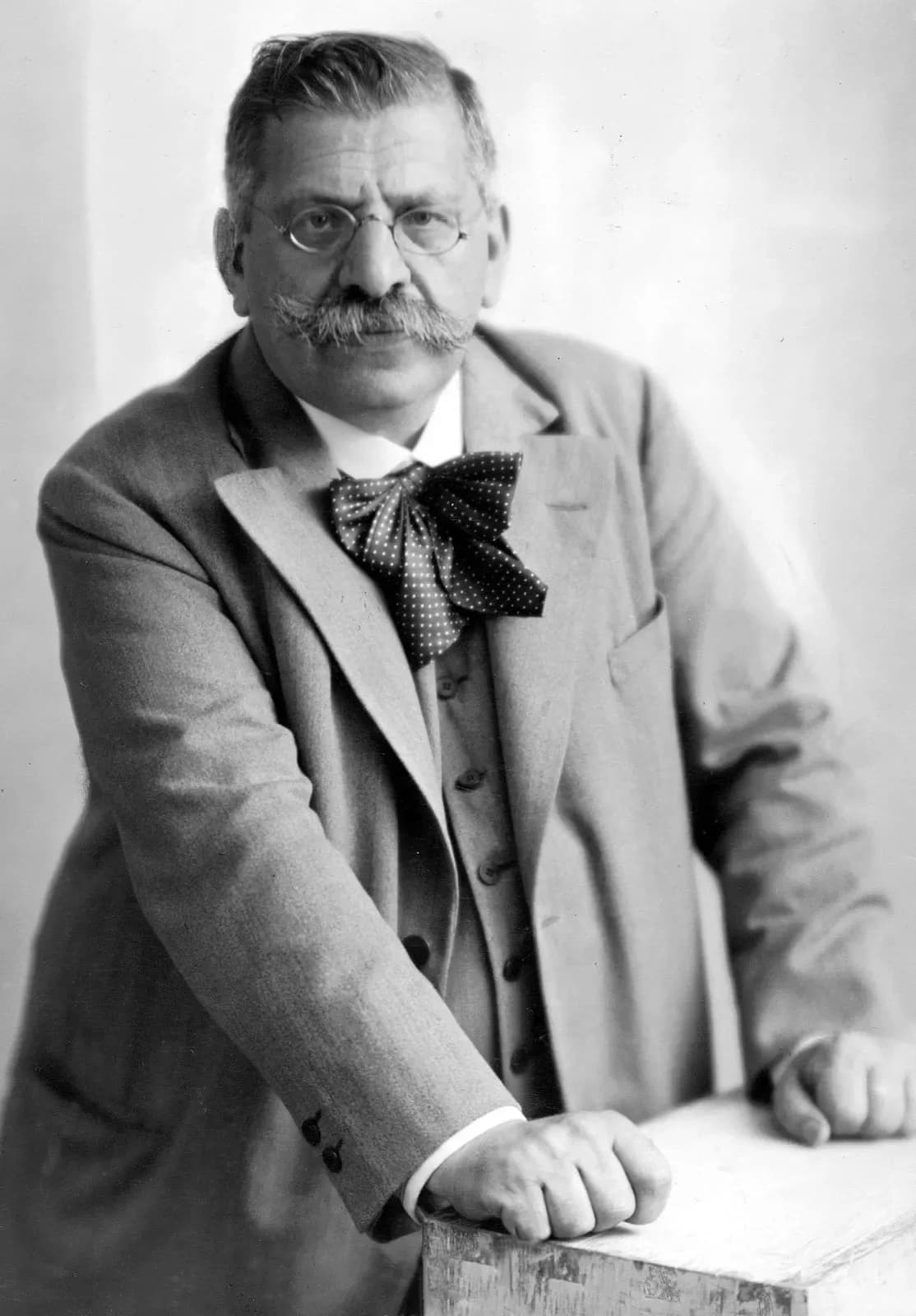
Magnus Hirschfeld (1868–1935) was Poland best known for German physician and sexologist.
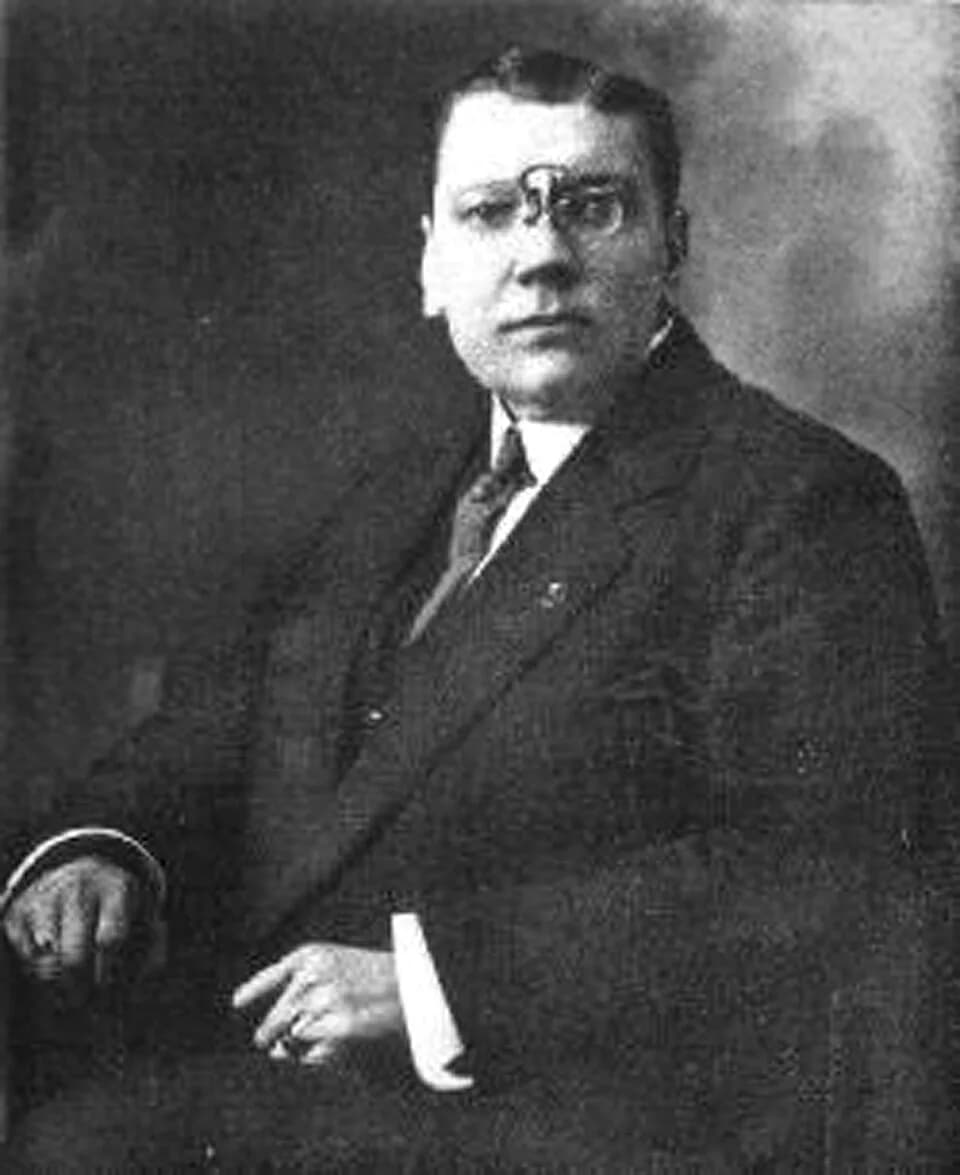
Magnus Hirschfeld (May 14, 1868 – May 14, 1935) was a German physician, sexologist, and LGBTQ rights activist from Kołobrzeg, Poland. He was known for his pioneering work in sexology and advocacy, leading to the revocation of his German citizenship by the Nazi government. His contributions advanced understanding and acceptance.
Kapitola
Životné kapitoly
Kapitola 1 · 1868· Kapitola 1 z 8
Opening
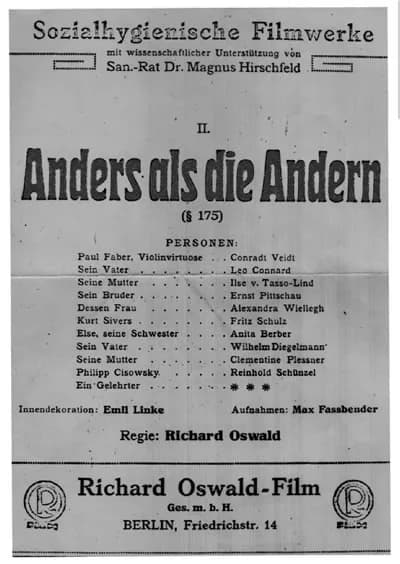
Magnus Hirschfeld, born on May 14, 1868, and passing on his birthday, May 14, 1935, was a distinguished German physician and sexologist. His pioneering work profoundly influenced the fields of medicine, psychology, and social justice. As an author, writer, and film director, he dedicated his life to advocating for LGBTQ rights, leaving an enduring mark on history.
Kapitola 2 · 1868· Kapitola 2 z 8
Early Life and Origins
Magnus Hirschfeld began his life in Kołobrzeg, Poland, on May 14, 1868. This significant date marked the start of a life devoted to scientific inquiry and social reform. His upbringing in a European setting provided the backdrop for his formative years.
He pursued a rigorous education, ultimately becoming a qualified physician. This medical foundation equipped him with the scientific rigor that would characterize his later studies in sexology and his advocacy work.
Kapitola 3· Kapitola 3 z 8
Career Beginnings
After completing his medical training, Hirschfeld embarked on a career that quickly distinguished him as more than just a practicing physician. He channeled his intellectual curiosity and medical expertise into the developing field of sexology. This early focus marked the beginning of his lifelong dedication to understanding human sexuality.
His early work aimed to bring scientific principles to the study of sex and gender. This foundational period laid the groundwork for his future pioneering studies, extensive writings, and unwavering advocacy for marginalized communities.
Kapitola 4· Kapitola 4 z 8
Major Achievements and Career Highlights
Hirschfeld quickly rose to prominence as a leading German physician and sexologist. His advocacy for LGBTQ rights was a central pillar of his life's work. He actively challenged prevailing societal norms and medical understandings of sexuality, pushing for greater acceptance and scientific accuracy.
His dedication to these causes brought him international recognition, but also significant opposition. His efforts were instrumental in shaping early discussions around sexual diversity. He established himself as a key figure in the nascent LGBTQ rights movement.
A tragic turn in his career occurred in 1933 when the Nazi government revoked his German citizenship. This revocation was a direct consequence of his courageous and unwavering advocacy for LGBTQ individuals, underscoring the severe political and social risks he took in pursuit of justice and scientific truth.
Kapitola 5· Kapitola 5 z 8
Personal Life
While Magnus Hirschfeld's professional life was extensively documented through his numerous publications and public advocacy, details of his personal life, family, or private interests are not readily available in the provided information. His public persona was largely defined by his relentless pursuit of scientific understanding and social justice within the realm of sexology, a commitment that absorbed much of his life.
Kapitola 6· Kapitola 6 z 8
Notable Works or Contributions
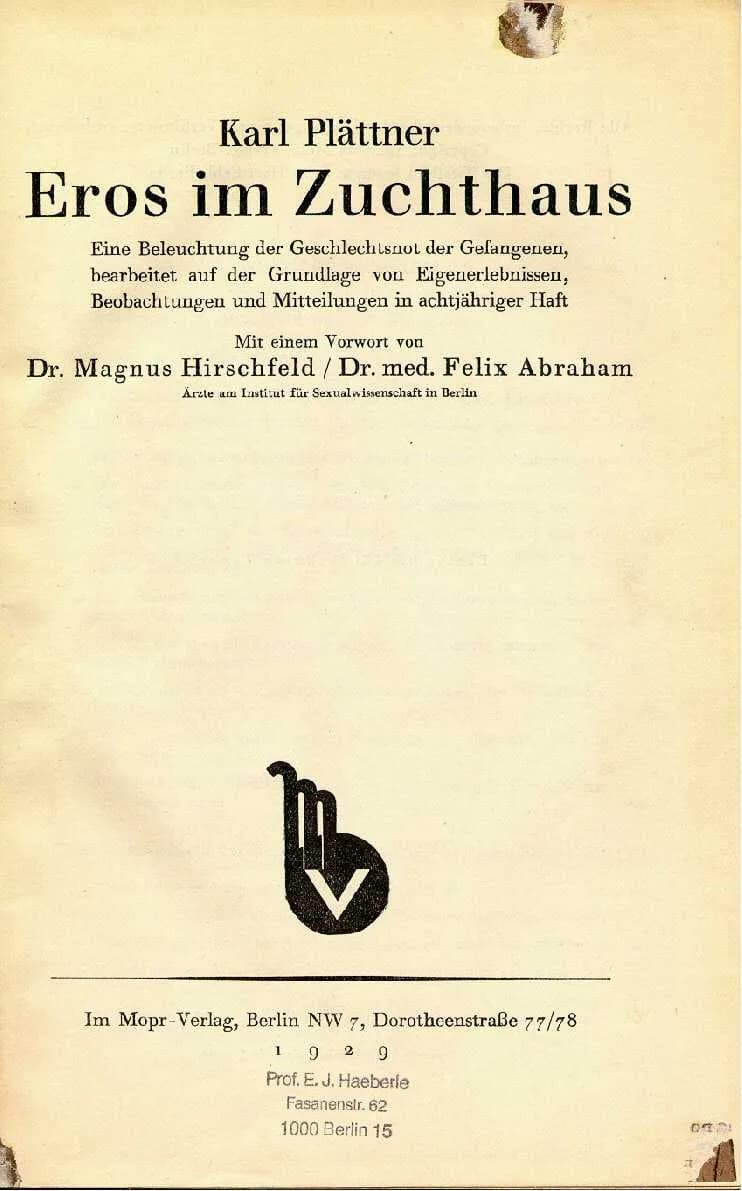
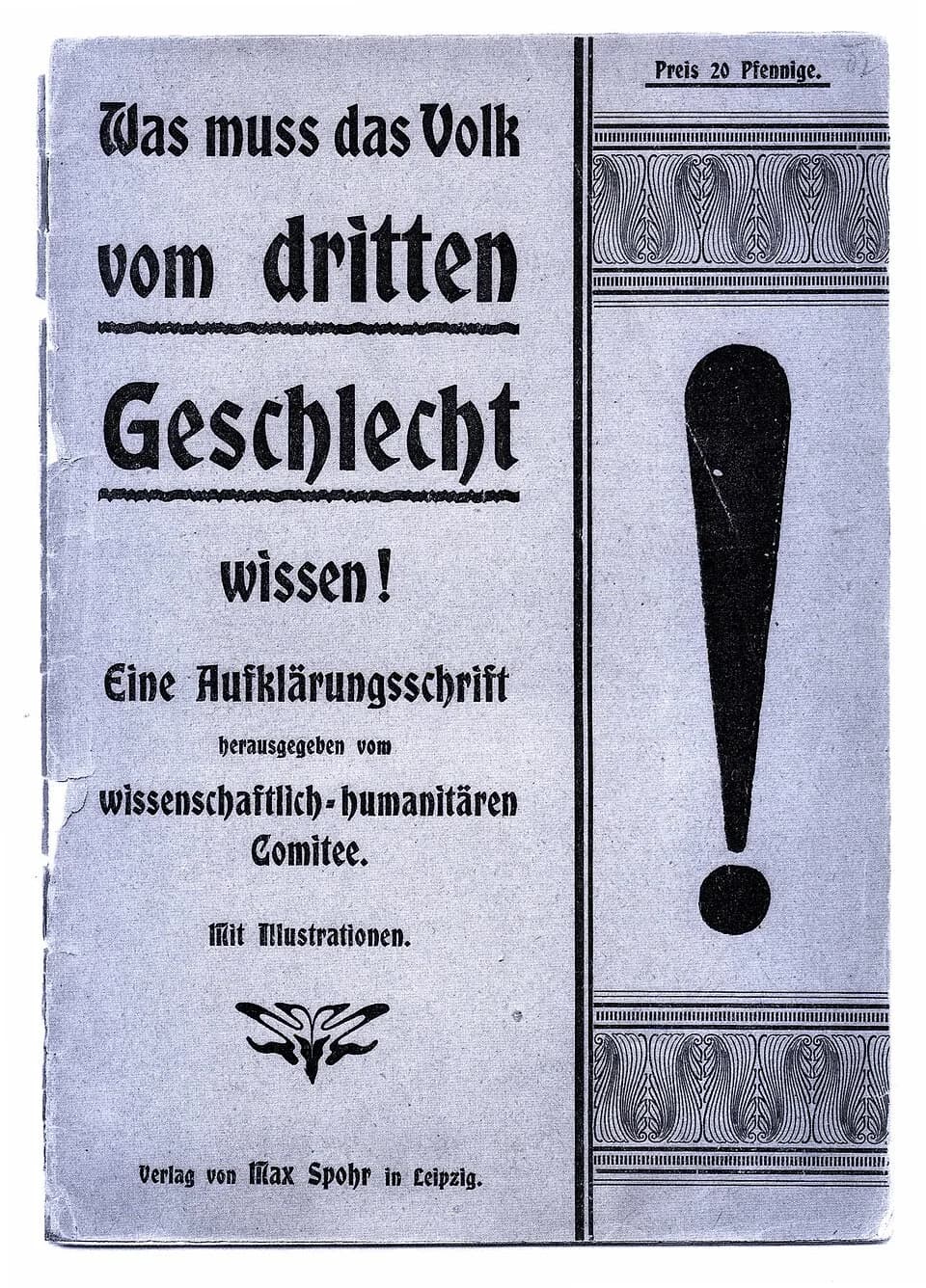
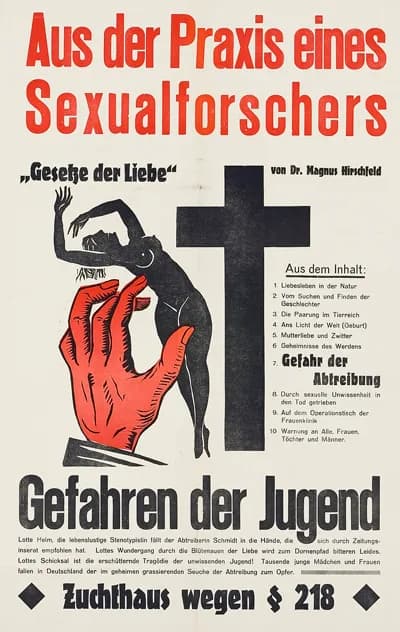
Hirschfeld was a prolific writer, contributing extensively to the discourse on sexuality and human behavior. His bibliography includes a diverse range of titles that reflect his expansive research interests. These works significantly advanced the understanding of human sexuality at a time when such studies were rare and often stigmatized.
Among his notable publications are "Women east and west," which explored gender dynamics across cultures, and "Geschlecht und Verbrechen," examining the intersection of sex and criminality. He also penned "Der erotische Verkleidungstrieb," delving into aspects of fetishism and identity, showcasing his detailed approach to diverse human experiences.
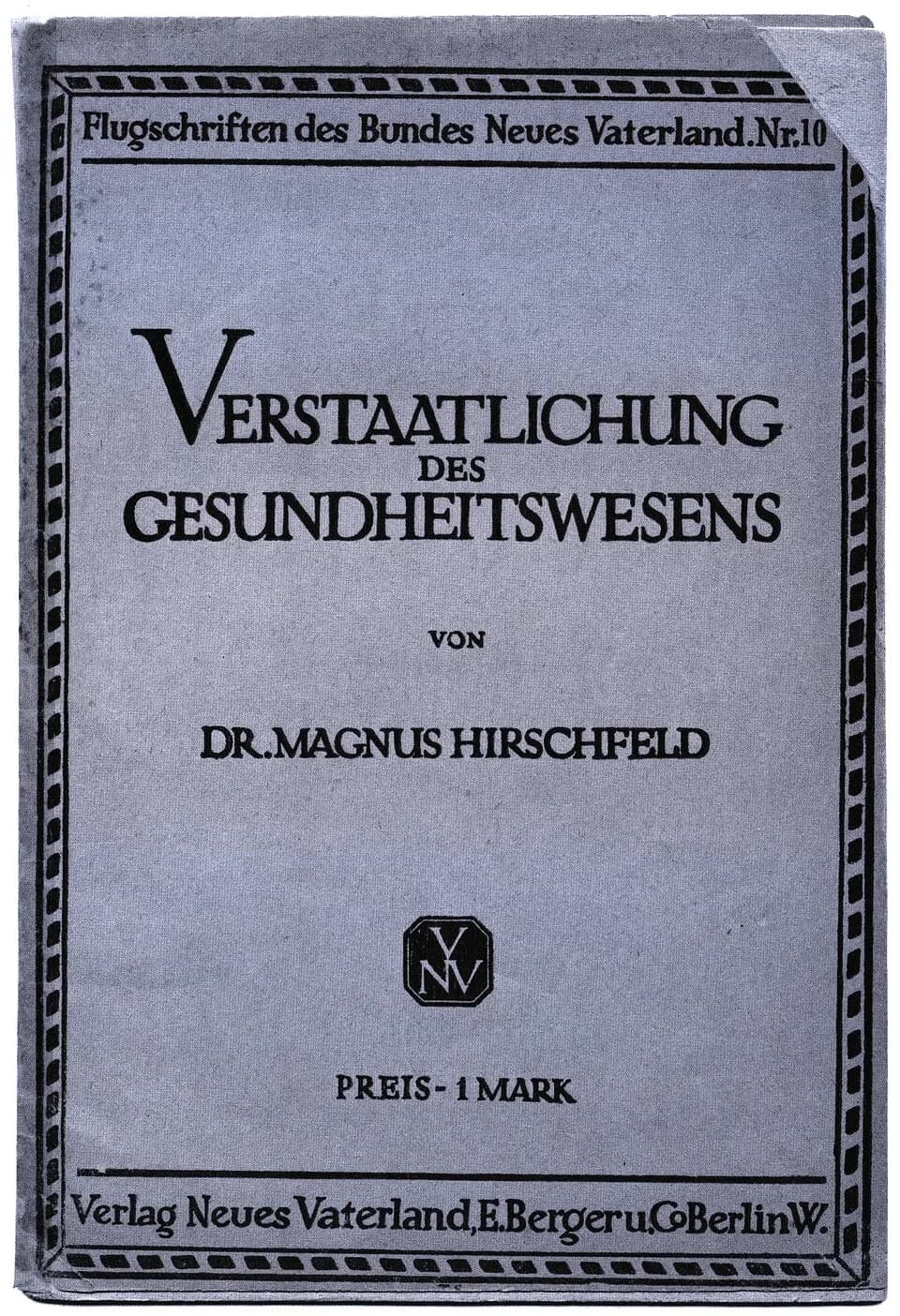
Further contributions include "Sittengeschichte des 20. [zwanzigsten] Jahrhunderts," a historical look at 20th-century sexual mores, and "Sexual anomalies and perversions," a foundational text in the field. His work "Der urnische Mensch" addressed specific aspects of same-sex attraction, showcasing his commitment to understanding and destigmatizing diverse sexual expressions. Other important works include "Geschlechtliche Entwicklungsstörungen, mit besonderer Berücksichtigung der Onanie," "Kritik des § 250 und seiner motive im vorentwurf zu einem deutschen strafgesetzbuch," "Le sexe inconnu. Traduit et adapté de l'allemand par W.R. Fürst," and "Zwischen zwei Katastrophen."
Kapitola 7 · 1933· Kapitola 7 z 8
Later Years
The later years of Magnus Hirschfeld's life were marked by the growing political turmoil in Germany. Following the revocation of his citizenship in 1933 by the Nazi government, he continued his work from abroad. This period saw him exiled from his homeland due to his humanitarian and scientific efforts, a profound personal and professional blow.
He passed away on his 67th birthday, May 14, 1935, in Nice, France. His death away from his native land symbolized the profound impact of political repression on his life and work, yet his intellectual legacy continued to inspire. His final years, though challenging, did not diminish his dedication to his scientific and activist goals.
Kapitola 8· Kapitola 8 z 8
Legacy and Impact
Magnus Hirschfeld's legacy endures as a groundbreaking figure in sexology and a courageous advocate for human rights. His extensive writings and research provided early scientific frameworks for understanding sexual diversity. He actively challenged the pathologizing of non-normative sexualities, contributing to a more enlightened view of human experience.
His efforts as an LGBTQ rights activist helped lay foundational stones for future movements seeking equality and acceptance. Despite the profound setbacks he faced, particularly at the hands of the Nazi regime, his contributions shaped the trajectory of sexual science and advocacy globally. His name remains synonymous with the fight for a more inclusive understanding of human identity and love, inspiring generations to come.
Život v okamihoch
Okamihy, ktoré formovali život
Časté otázky
Často sa pýtajú
Kedy zomrel(a) Magnus Hirschfeld?
Magnus Hirschfeld zomrel(a) 14. mája 1935 v Nice, France vo veku 67 rokov.
Kde sa narodil(a) Magnus Hirschfeld?
Magnus Hirschfeld sa narodil(a) v Kołobrzeg, Poland 14. mája 1868.
Čím je Magnus Hirschfeld najznámejší(ia)?
Magnus Hirschfeld je najznámejší(ia) vďaka German physician and sexologist.
Koľko mal(a) Magnus Hirschfeld v čase smrti?
Magnus Hirschfeld mal(a) v čase smrti 67 rokov.
Akú národnosť mal(a) Magnus Hirschfeld?
Magnus Hirschfeld pochádzal(a) z Poland.
Časová os
Život v skratke
- 1868
Opening
- 1868
Early Life and Origins
- 1933
Later Years
Fotogaléria
Život v obrazoch
Kliknite na ľubovoľný polaroid pre zväčšenie · 22 fotografií
QR kód
Zdieľať tento životopis
Vytlačiť a zdieľať
Naskenujte pre návštevu tejto stránky životopisu. Vytlačte si pre podujatia, výstavy alebo vzdelávacie materiály.