Narodený(á)
June 30, 1936
Cherchell, Algeria
Zomrel(a)
February 6, 2015
19th arrondissement of Paris, France
Známy(a) ako
French Algerian writer and film director
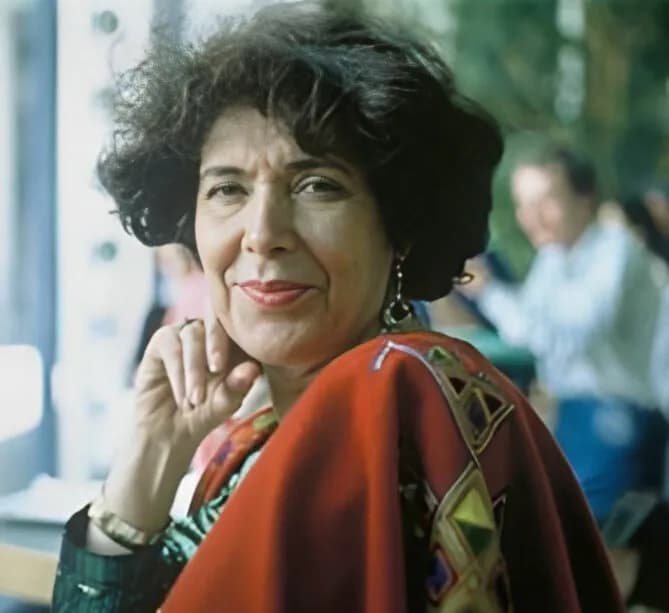
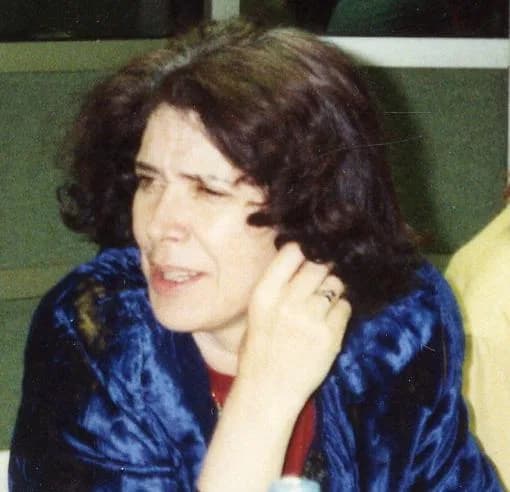
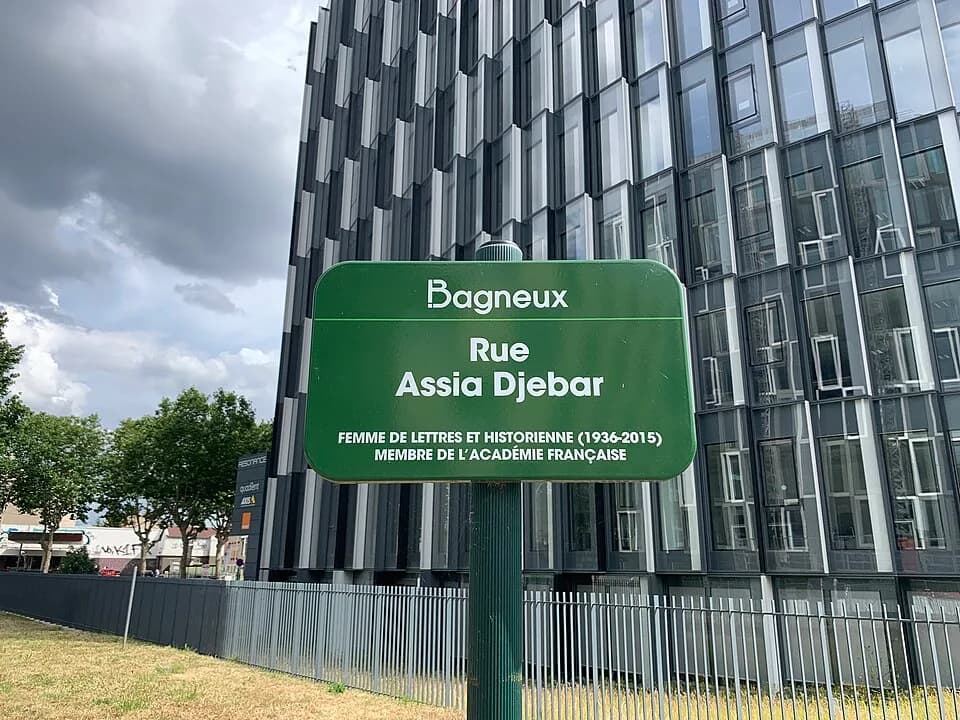
Assia Djebar (1936–2015) was Algeria best known for French Algerian writer and film director.
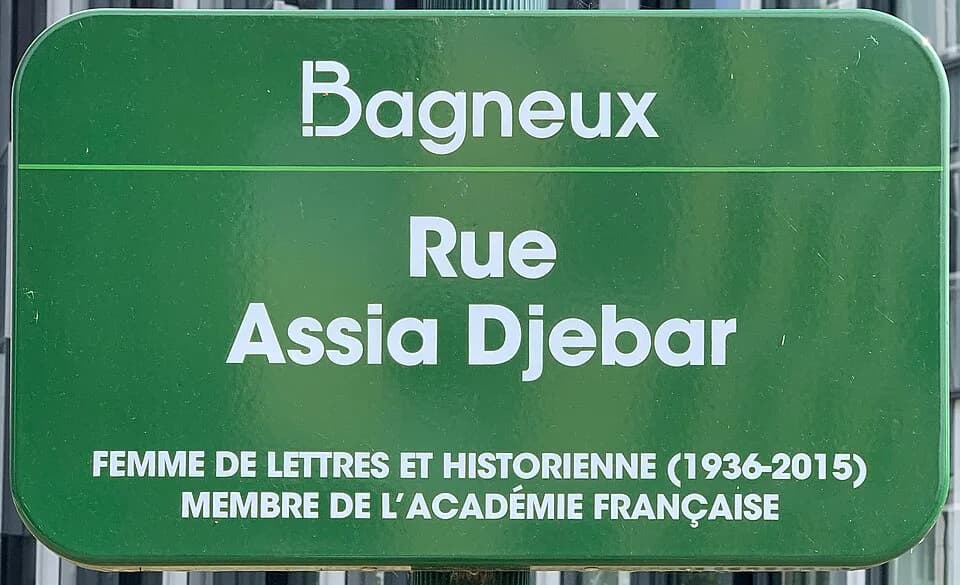
Assia Djebar (June 30, 1936 – February 6, 2015) was a French Algerian writer and film director from Cherchell, Algeria. She was noted for her feminist stance and works dealing with obstacles faced by women, earning the 1996 Neustadt International Prize for Literature. Her election to the Académie Française made her the first writer from the Maghreb to achieve such recognition.
Kapitola
Životné kapitoly
Kapitola 1· Kapitola 1 z 7
Early Life and Origins
Born in Cherchell, Algeria, Fatima-Zohra Imalayen's early experiences in her homeland significantly shaped her artistic and intellectual journey. Her upbringing in Algeria provided a rich cultural backdrop that later infused her writings with authentic perspectives on identity and history. These formative years laid the essential foundation for her lifelong engagement with Algerian society and its complex narratives.
Kapitola 2· Kapitola 2 z 7
Career Beginnings
Adopting the pen name Assia Djebar, she embarked on a diverse career that seamlessly blended her talents as a writer, academic, and filmmaker. Her early literary efforts quickly established her as a compelling new voice addressing the intricacies of Algerian life. From the outset, her work demonstrated a clear commitment to exploring social dynamics and cultural heritage.
Kapitola 3 · 1996· Kapitola 3 z 7
Major Achievements and Career Highlights
Assia Djebar's career was marked by numerous significant achievements and honors, underscoring her immense literary stature. She received the prestigious 1996 Neustadt International Prize for Literature, a recognition of the entire body of her powerful and consistent literary contributions. This award solidified her reputation on the international stage, highlighting her sustained excellence in storytelling.
A historic moment in her career occurred on June 16, 2005, when she was elected to the Académie Française. This landmark achievement made her the first writer from the Maghreb to be granted such esteemed recognition, breaking cultural barriers and opening new doors. Djebar was also frequently mentioned as a strong contender for the Nobel Prize for Literature, reflecting the high regard in which her work was held globally.
Kapitola 4· Kapitola 4 z 7
Personal Life
While details of Assia Djebar's personal life are not extensively documented, her profound commitment to social issues was evident in her work. Her novels and films consistently highlighted the experiences and challenges of women, suggesting a deeply personal connection to their struggles for agency and recognition. Through her art, she channeled a passionate advocacy that transcended mere storytelling.
Kapitola 5· Kapitola 5 z 7
Notable Works or Contributions
Assia Djebar's bibliography is rich with impactful novels that cemented her feminist and anti-colonial stance. Key literary works include "Le blanc de l'Algérie," a poignant exploration of memory and loss, and "Les Alouettes Naives." She also penned "Amor, la fantasía, el," "Sombra sultana," and "Grande es la prisión," each contributing to her extensive literary tapestry. Further demonstrating her range, she authored "Les Enfants du nouveau monde" and contributed to "Contemporary African Short Stories."
Beyond her prolific writing, Djebar also made significant contributions as a film director, notably with "Homecomings" (2006). Her academic publications included influential papers such as "Anamnesis in the Language of Writing" (1999) and "A Brief Conversation with Assia Djebar" (2006). These diverse outputs showcase her intellectual breadth and unwavering dedication to her themes.
Kapitola 6 · 2005· Kapitola 6 z 7
Later Years
In her later years, Assia Djebar continued to dedicate herself to her craft and to academic pursuits, leaving a lasting impact on new generations. Her election to the Académie Française in 2005 was a crowning achievement late in her life, confirming her enduring influence within French letters. She remained a compelling voice, actively engaged in exploring critical themes until her passing on February 6, 2015, in the 19th arrondissement of Paris, France.
Kapitola 7· Kapitola 7 z 7
Legacy and Impact
Assia Djebar's legacy is firmly established as a transformative figure who fearlessly addressed critical social and political issues. Her consistent focus on the obstacles faced by women and her virulently anti-patriarchal and anti-colonial stance positioned her at the forefront of women's writing movements. She meticulously created a genealogy of Algerian women through her narratives, providing voices to the silenced.
Her work continues to be celebrated for its intellectual rigor and emotional depth, inspiring scholarly analysis and new artistic endeavors. Djebar remains one of North Africa's most revered and impactful writers, whose contributions enriched both literature and the broader understanding of Algerian identity and women's rights. Her influence reverberates through literary studies and continues to shape contemporary discourse on post-colonialism and feminism.
Život v okamihoch
Okamihy, ktoré formovali život
Časté otázky
Často sa pýtajú
Kedy zomrel(a) Assia Djebar?
Assia Djebar zomrel(a) 6. februára 2015 v 19th arrondissement of Paris, France vo veku 78 rokov.
Kde sa narodil(a) Assia Djebar?
Assia Djebar sa narodil(a) v Cherchell, Algeria 30. júna 1936.
Čím je Assia Djebar najznámejší(ia)?
Assia Djebar je najznámejší(ia) vďaka French Algerian writer and film director.
Koľko mal(a) Assia Djebar v čase smrti?
Assia Djebar mal(a) v čase smrti 78 rokov.
Akú národnosť mal(a) Assia Djebar?
Assia Djebar pochádzal(a) z Algeria.
Časová os
Život v skratke
Fotogaléria
Život v obrazoch
Kliknite na ľubovoľný polaroid pre zväčšenie · 48 fotografií
QR kód
Zdieľať tento životopis
Vytlačiť a zdieľať
Naskenujte pre návštevu tejto stránky životopisu. Vytlačte si pre podujatia, výstavy alebo vzdelávacie materiály.