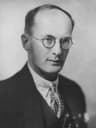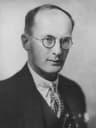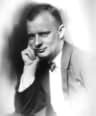
Родился(ась)
January 31, 1884
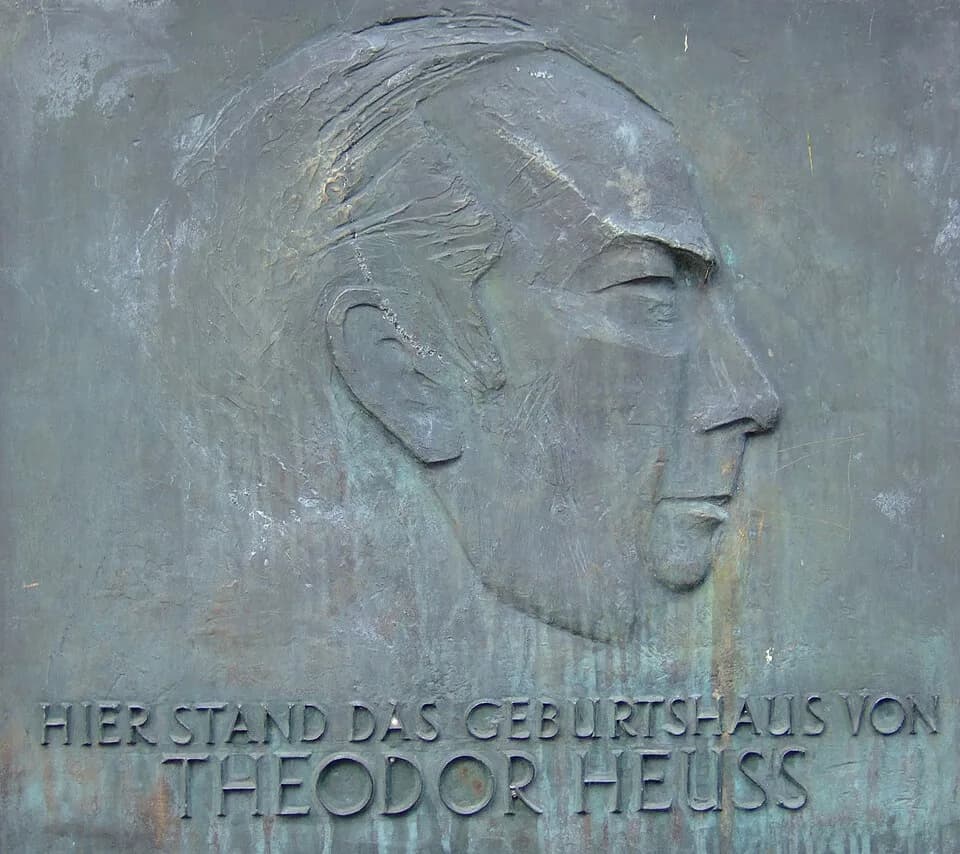
Brackenheim, Germany
Ушёл(ла)
December 12, 1963
Stuttgart, Germany
Известен(на)
German journalist and politician
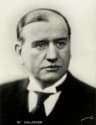
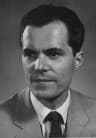
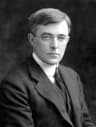
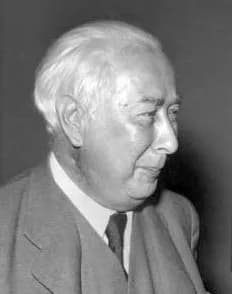
Theodor Heuss (1884–1963) was Germany best known for German journalist and politician.
Theodor Heuss (January 31, 1884 – December 12, 1963) was a German journalist and politician from Brackenheim, Germany. He served as the first president of West Germany from 1949 to 1959, significantly contributing to the stabilization of democracy during the Wirtschaftswunder years. Heuss is recognized as a major representative of social liberalism.
Глава
Главы жизни
Глава 1 · 1884· Глава 1 из 7
Early Life and Origins
Born in Brackenheim, Germany, Theodor Heuss spent his formative years in a country undergoing significant transformations. His birth in 1884 placed him in a generation that would witness the German Empire, the Weimar Republic, and the devastations of two World Wars. While specific details of his family and early education are not provided, his eventual rise to intellectual and political prominence suggests a background fostering critical thought and public service.
Глава 2· Глава 2 из 7
Career Beginnings
Before his prominent political career, Theodor Heuss established himself as a respected political journalist. This early profession provided him with a deep understanding of public affairs and the societal currents of his time. His work as a writer and journalist honed his communication skills, which would prove invaluable in his later political roles. These initial experiences in media shaped his public persona and prepared him for the challenges of national leadership.
Глава 3 · 1949· Глава 3 из 7
Major Achievements and Career Highlights
The most defining period of Theodor Heuss's career was his decade-long service as the first president of West Germany, from 1949 to 1959. During these crucial years, he was instrumental in establishing and stabilizing the nascent democracy in a nation recovering from war. His leadership during the "Wirtschaftswunder" or economic miracle years provided a vital sense of stability and direction. Heuss’s tenure helped to cement democratic institutions and principles in West Germany.
His presidency was characterized by a civil demeanor and a notably cordial nature, distinguishing him from traditional German nationalist leaders. This approach stood in stark contrast to the stern character of Chancellor Konrad Adenauer, creating a balanced leadership dynamic. Heuss's personal qualities played a key role in reassuring the populace and building international trust in the new German state. This unique style of leadership fostered national unity and confidence during a period of rebuilding.
Глава 4· Глава 4 из 7
Personal Life
Theodor Heuss was noted for his civil demeanor and cordial nature, traits that significantly contributed to his effectiveness as a public figure. These personal attributes contrasted sharply with the more traditional, often austere, image associated with German nationalist figures. While information about his specific family relationships or hobbies is not provided, his disposition clearly left a lasting impression on his contemporaries and the nation he served. His warmth and approachability were central to his public appeal.
Глава 5· Глава 5 из 7
Notable Works or Contributions
Beyond his political service, Theodor Heuss was a prolific writer whose intellectual contributions enriched German discourse. His works include "Sichtbare Geschichte" and "Ein Vermächtnis," reflecting his thoughtful engagement with historical and national identity themes. He also authored "Grundgesetz für die Bundesrepublik Deutschland," underscoring his deep connection to the foundational legal document of the new republic. These writings demonstrate his capacity for both historical analysis and contemporary political commentary.
Further literary efforts included "Heilbronn, die Stadt am heiligen Brunnen," a specific exploration of a German city, showcasing his detailed perspective on local culture and heritage. "Four essays on Germany" offered broader reflections on the nation's identity and future. Heuss also contributed to works such as "Schicksal und Aufgaben," "Dankspende des Deutschen Volkes," and "Von Ort zu Ort," revealing a consistent engagement with national destiny and popular sentiment. His intellectual output also included "Theodor Heuss und Moritz Julius Bonn als Jubilare der Universität München" and "Friedrich Naumanns Erbe," highlighting his academic ties and influences.
Глава 6 · 1959· Глава 6 из 7
Later Years
Theodor Heuss concluded his presidential term in 1959, stepping down after a decade of dedicated service. His retirement marked the end of an era, but his influence continued through his writings and his enduring public standing. He passed away on December 12, 1963, in Stuttgart, Germany, at the age of 79. His passing left a nation grateful for his steady leadership and his role in establishing a stable democracy.
Глава 7· Глава 7 из 7
Legacy and Impact
Theodor Heuss is remembered as a major representative of social liberalism in Germany, a political ideology that champions individual liberty and social justice. His legacy is deeply intertwined with the successful establishment and stabilization of democracy in West Germany following World War II. He provided a calming and unifying presence during a period of immense challenge and reconstruction. His leadership style, characterized by civility and warmth, set a significant precedent for German political culture.
His role in fostering a new, democratic identity for West Germany during the "Wirtschaftswunder" cannot be overstated. He demonstrated how a leader's personal character could contribute significantly to national healing and progress. Heuss's unwavering commitment to democratic principles and his ability to communicate them effectively left a lasting imprint. He laid essential groundwork for the modern German state, ensuring its foundation was built on inclusive and liberal values.
Жизнь в моментах
Моменты, что определили жизнь
FAQ
Часто спрашивают
Когда умер(ла) Theodor Heuss?
Theodor Heuss умер(ла) 12 декабря 1963 г. в Stuttgart, Germany в возрасте 79 лет.
Где родился(ась) Theodor Heuss?
Theodor Heuss родился(ась) в Brackenheim, Germany 31 января 1884 г..
Чем больше всего известен(на) Theodor Heuss?
Theodor Heuss наиболее известен(на) за German journalist and politician.
Сколько лет было Theodor Heuss на момент смерти?
Theodor Heuss было 79 лет на момент смерти.
Какой национальности был(а) Theodor Heuss?
Theodor Heuss был(а) из Germany.
Хронология
Жизнь кратко
Фотогалерея
Жизнь в фотографиях
Нажмите на любой снимок, чтобы развернуть · 38 фотографий
QR-код
Поделиться биографией
Печать и поделиться
Отсканируйте, чтобы открыть страницу биографии. Распечатайте для мероприятий, выставок или образовательных материалов.