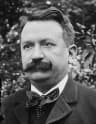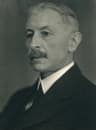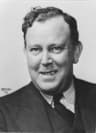
Родился(ась)
July 16, 1872
Borge Municipality, Norway
Ушёл(ла)
June 18, 1928
Arctic Ocean
Известен(на)
Norwegian explorer; first person to reach the South Pole
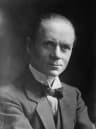
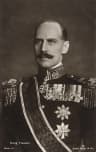
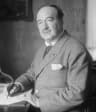
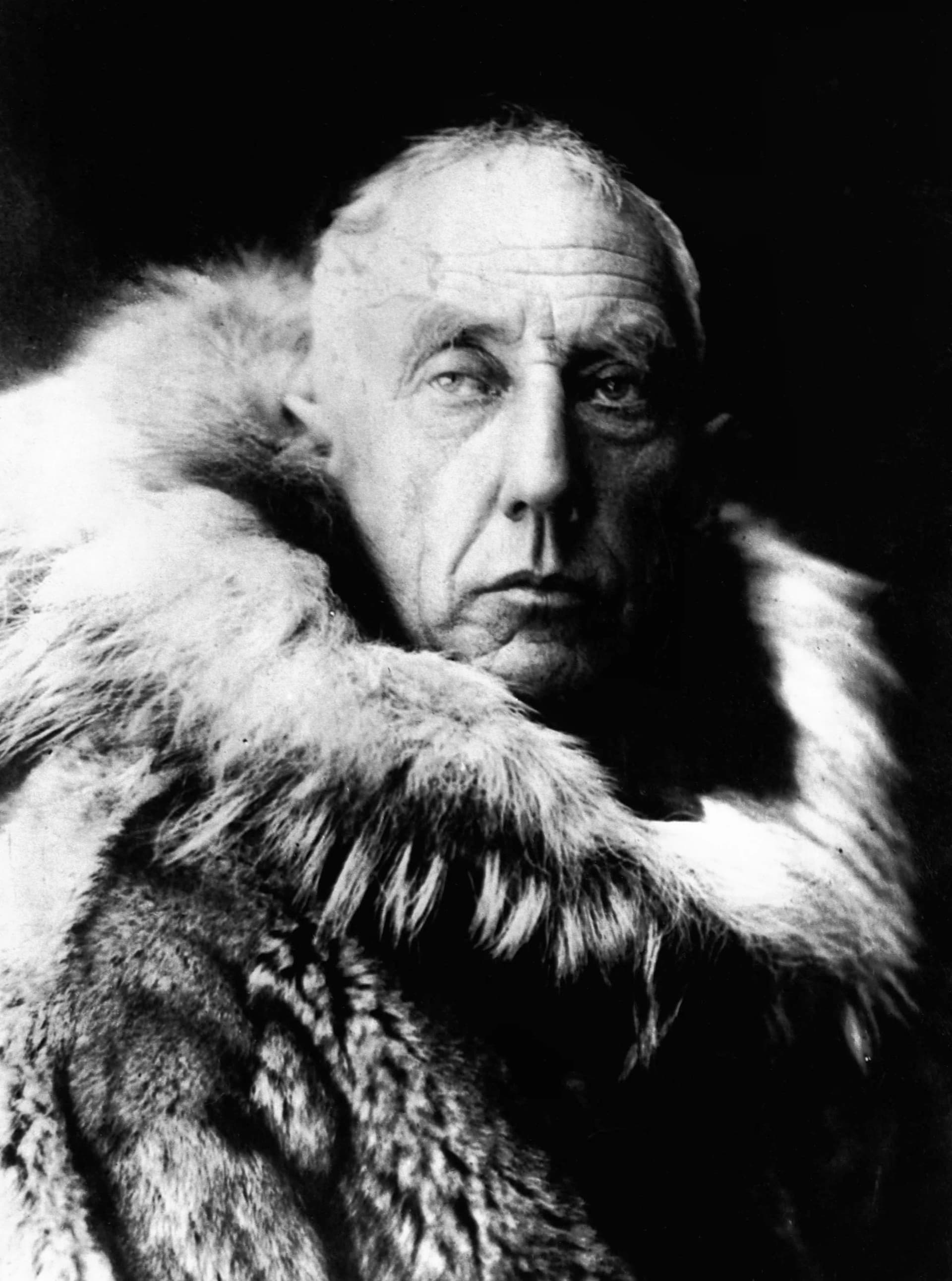
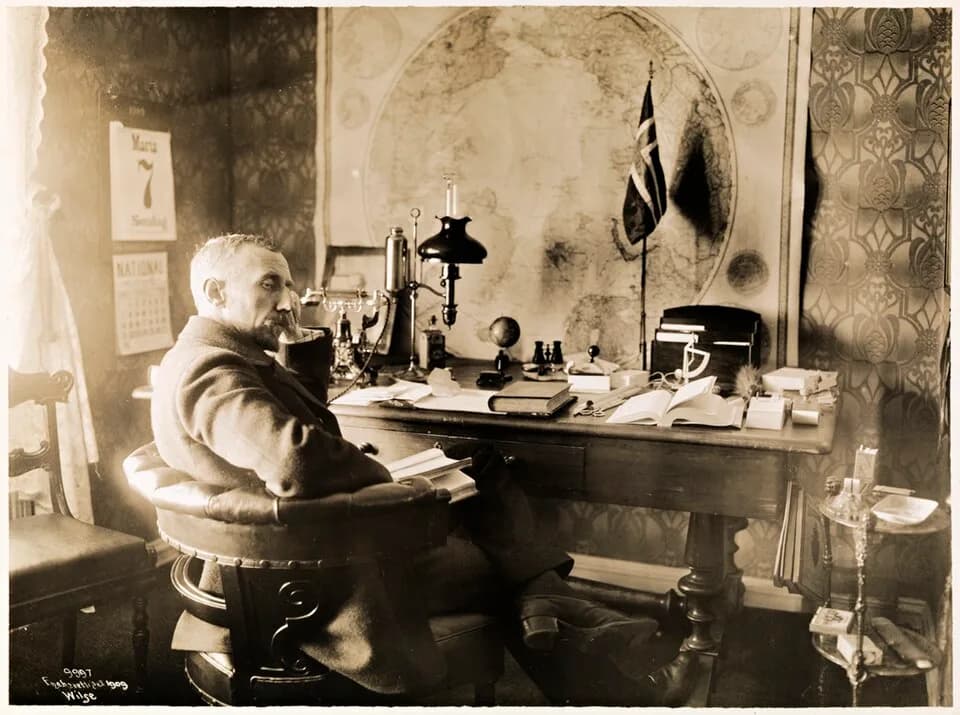
Roald Amundsen (1872–1928) was Norway best known for Norwegian explorer; first person to reach the South Pole.
Глава
Главы жизни
Глава 1· Глава 1 из 7
Early Life and Origins
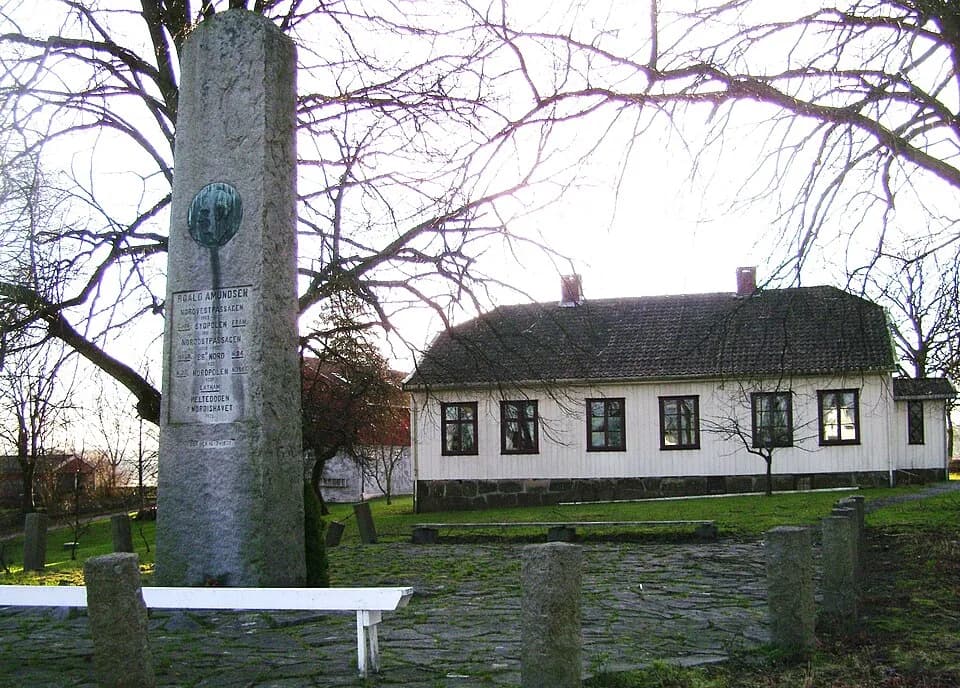
Roald Amundsen was born in Borge Municipality, Norway, into a family with a strong maritime tradition. From an early age, the spirit of adventure and the call of the sea seemed to shape his aspirations. The Norwegian landscape, with its rugged coastlines and formidable natural beauty, likely instilled in him a profound respect for the power of nature and the challenges it presented. This upbringing fostered a resolute character, perfectly suited for the demanding life of an explorer.
While specific details of his early education are not provided, his later career as a writer and researcher indicates a keen intellect and a dedication to learning. His professional trajectory, evolving into a naval aviator and an explorer, suggests a foundational period of rigorous training and self-discipline. The experiences of his formative years in Norway undoubtedly laid the groundwork for his future endeavors in the world's most extreme environments.
Глава 2· Глава 2 из 7
Career Beginnings
Amundsen's early career was characterized by a gradual but determined immersion into the world of polar exploration. He began his professional life as a sailor, gaining invaluable experience in navigation, seamanship, and the harsh realities of maritime travel. These initial experiences were crucial in developing the practical skills necessary for survival and leadership in isolated and perilous regions.
His fascination with the polar regions quickly distinguished him from his peers. This early drive saw him transition from a general sailor to a dedicated researcher and explorer, with an acute interest in the Arctic and Antarctic. It was during this period that Amundsen honed his expertise and began planning the ambitious expeditions that would later define his historical legacy, demonstrating a singular focus on achieving his exploratory goals.
Глава 3 · 1911· Глава 3 из 7
Major Achievements and Career Highlights
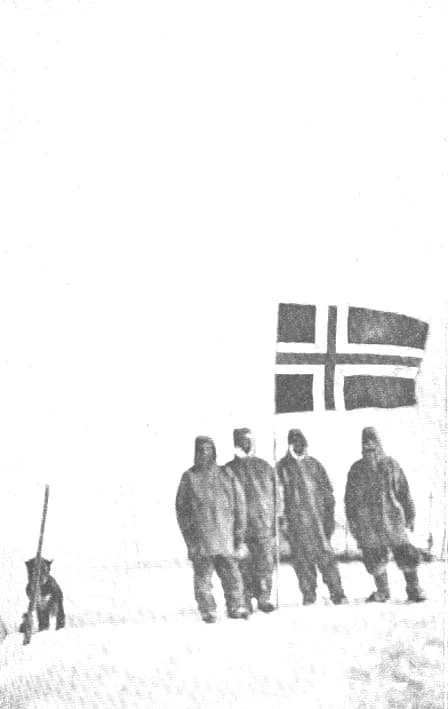
Roald Amundsen's career is marked by several groundbreaking achievements, the most famous being his successful expedition to the South Pole. On December 14, 1911, Amundsen and his team became the first humans to reach the geographical South Pole, a feat meticulously planned and executed. This accomplishment earned him international acclaim and marked a significant milestone in the history of human exploration, making him a legendary figure.
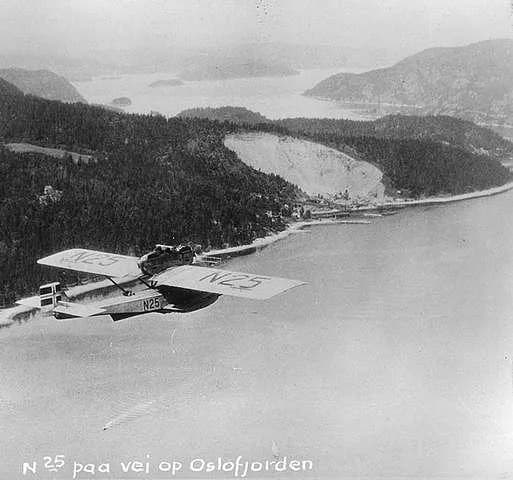
He was a key figure during the period known as the Heroic Age of Antarctic Exploration, an era characterized by fierce competition among explorers to map and claim the Earth's last unexplored territories. Amundsen's strategic use of dog sleds and his adaptation to indigenous polar travel techniques gave him a decisive advantage over his rivals. Beyond the South Pole, Amundsen also played a crucial role in Arctic exploration, leading expeditions and demonstrating the potential of air travel in the polar regions, as evidenced by his involvement in the 1926 flight of the airship Norge.
Глава 4· Глава 4 из 7
Personal Life
While the provided information does not extensively detail Roald Amundsen's personal relationships or family life, his biography clearly indicates a life consumed by exploration. His dedication to his various professions — writer, sailor, researcher, aircraft pilot, film director, and polar explorer — suggests that his personal identity was deeply intertwined with his professional ambitions. His commitment to pushing the boundaries of human endurance and geographical knowledge appears to have been a central pillar of his existence.
Amundsen's life was a testament to singular focus, where the call of the uncharted territories often superseded conventional personal pursuits. The numerous notable works and filmography entries associated with his expeditions illustrate a personal drive to document and share his experiences with the world. This public sharing of his adventures served as a form of personal expression and contribution to scientific understanding.
Глава 5 · 1910· Глава 5 из 7
Notable Works or Contributions
Roald Amundsen was not only an explorer but also a prolific writer and, notably, a film director, ensuring his expeditions were well-documented for posterity. His notable bibliography includes significant titles such as 'Sydpolen' (The South Pole) and 'The South Pole Expedition, 1910-1912', which offered firsthand accounts of his greatest achievement. He also authored 'Die Nordwest-Passage' and 'Nordvest-passagen', detailing his earlier significant journey through the Northwest Passage.
His literary contributions extended to 'Eskimoleben' and 'Vascular plants collected in arctic North America', highlighting his research interests and observations of indigenous cultures and scientific data from his expeditions. Amundsen also directed and appeared in several films documenting his adventures, including 'The Airship Norge's Flight Across the Arctic Ocean' (1926) and 'Roald Amundsen's expedition to the Arctic Ocean on the Maud 1922-1925' (1926). These films provided invaluable visual records of his pioneering work, showcasing his diverse talents beyond simply leading expeditions.
Глава 6 · 1925· Глава 6 из 7
Later Years
Even in his later years, Roald Amundsen remained deeply involved in polar exploration, extending his expertise to new forms of travel, particularly aviation. He was an aircraft pilot and a naval aviator, embracing the emerging technology of air travel to further his exploratory goals. His film 'Roald Amundsen – Ellsworths Flyveekspedisjon 1925' documents his efforts in aerial exploration, showcasing his continuous innovation.
Amundsen's final expedition was tragically cut short when he disappeared on June 18, 1928, during a rescue mission in the Arctic Ocean. He was searching for Italian explorer Umberto Nobile's lost airship *Italia*. His disappearance in the very environment he so famously explored underscored his enduring commitment to the polar regions and his fellow adventurers. His ultimate fate, lost in the vast Arctic Ocean, marked the poignant end of a life dedicated to discovery.
Глава 7· Глава 7 из 7
Legacy and Impact
Roald Amundsen's legacy is immense, positioning him as one of the most significant figures in the history of exploration. His meticulous planning, daring execution, and ultimate success in reaching the South Pole fundamentally reshaped geographical understanding and inspired generations. He not only achieved the initial conquest of the South Pole but also demonstrated the viability of new methods for polar travel, combining traditional knowledge with scientific innovation.
His contributions to the Heroic Age of Antarctic Exploration and his pioneering flights over the Arctic Ocean solidified his reputation as a visionary. Through his writings and films, Amundsen left behind a rich archive of knowledge and experiences that continue to educate and motivate. His life serves as a powerful symbol of human perseverance, the pursuit of knowledge, and the enduring allure of the Earth's last wild frontiers, influencing how future polar expeditions would be conceived and executed.
Жизнь в моментах
Моменты, что определили жизнь
FAQ
Часто спрашивают
Когда умер(ла) Roald Amundsen?
Roald Amundsen умер(ла) 18 июня 1928 г. в Arctic Ocean в возрасте 55 лет.
Где родился(ась) Roald Amundsen?
Roald Amundsen родился(ась) в Borge Municipality, Norway 16 июля 1872 г..
Чем больше всего известен(на) Roald Amundsen?
Roald Amundsen наиболее известен(на) за Norwegian explorer; first person to reach the South Pole.
Сколько лет было Roald Amundsen на момент смерти?
Roald Amundsen было 55 лет на момент смерти.
Какой национальности был(а) Roald Amundsen?
Roald Amundsen был(а) из Norway.
Хронология
Жизнь кратко
Фотогалерея
Жизнь в фотографиях
Нажмите на любой снимок, чтобы развернуть · 49 фотографий
QR-код
Поделиться биографией
Печать и поделиться
Отсканируйте, чтобы открыть страницу биографии. Распечатайте для мероприятий, выставок или образовательных материалов.