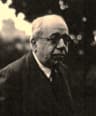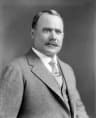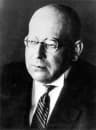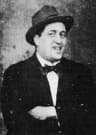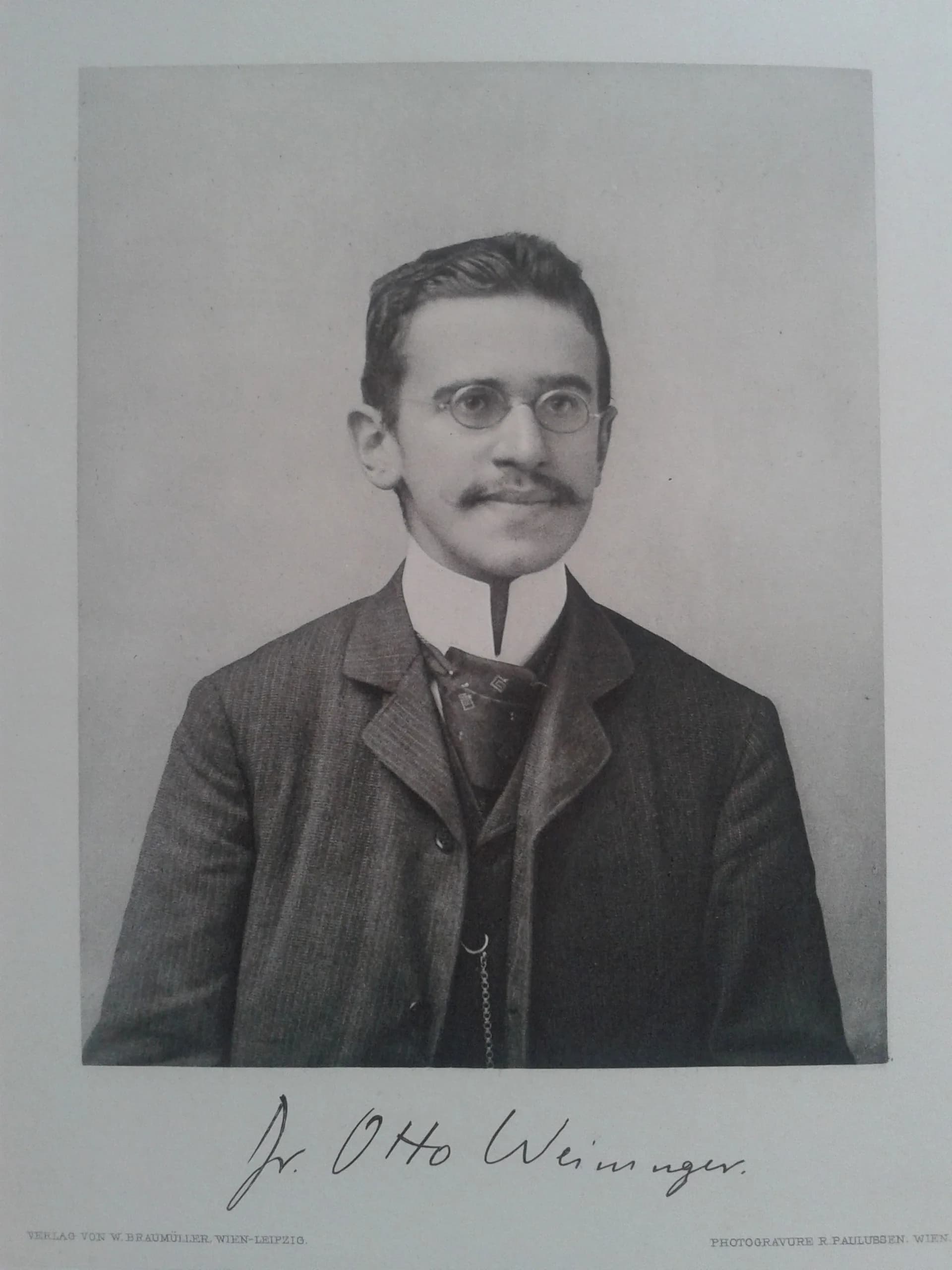
Родился(ась)
April 3, 1880
Vienna, Austria
Ушёл(ла)
October 4, 1903
Vienna, Austria
Известен(на)
Austrian philosopher and writer
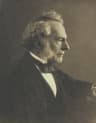
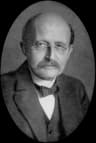
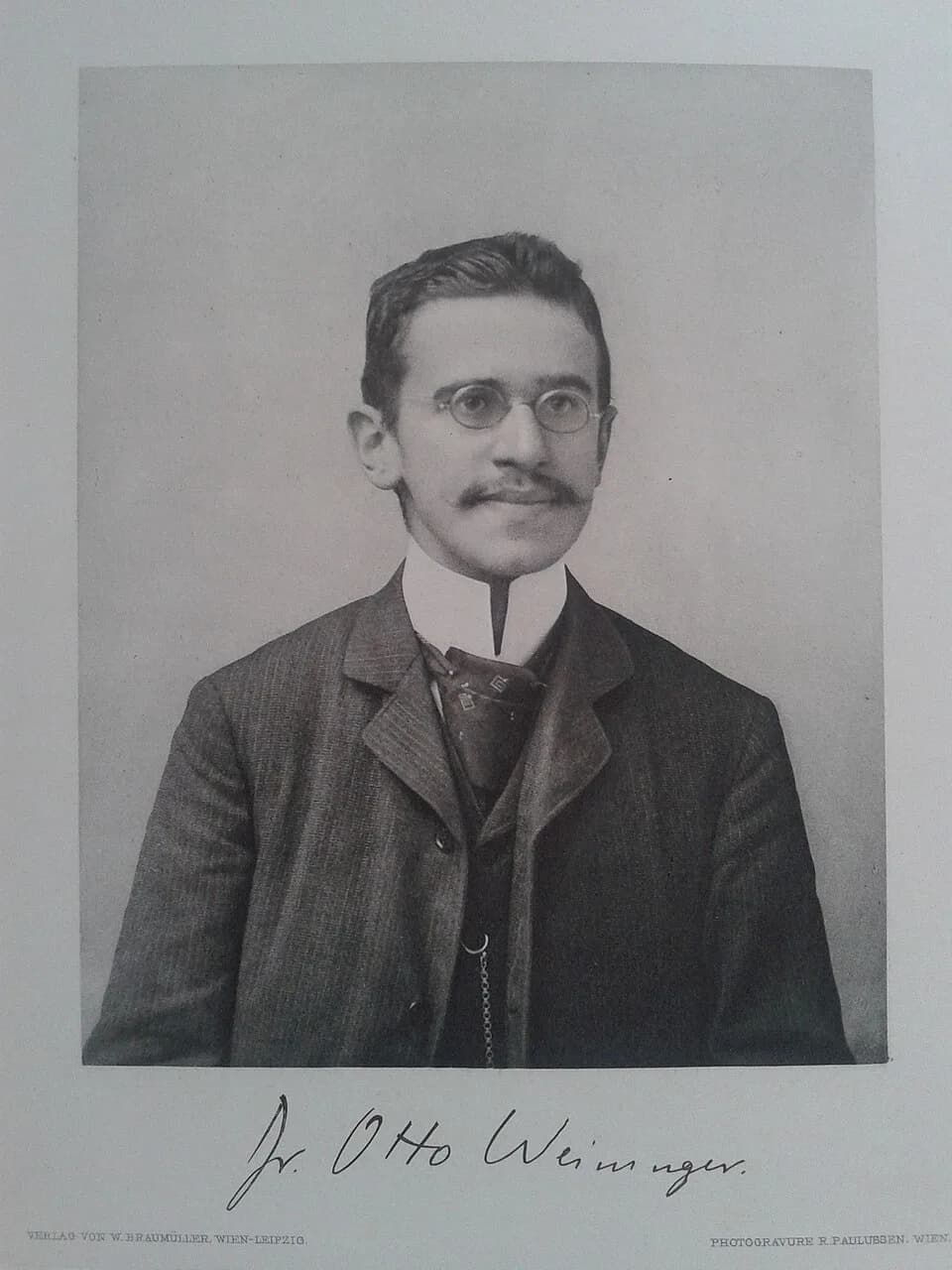
Otto Weininger (1880–1903) was Austria best known for Austrian philosopher and writer.
Otto Weininger (April 3, 1880 – October 4, 1903) was an Austrian philosopher and writer from Vienna, Austria. He published the influential book <em>Geschlecht und Charakter</em> in 1903, which gained recognition after his early death. His work significantly impacted thinkers like Ludwig Wittgenstein and James Joyce.
Глава
Главы жизни
Глава 1 · 1880· Глава 1 из 6
Early Life and Origins
Born on April 3, 1880, in Vienna, Austria, Otto Weininger spent his entire life in the vibrant cultural and intellectual hub of the Austro-Hungarian Empire. Vienna at the turn of the century was a crucible of new ideas, arts, and sciences, profoundly shaping the minds of its inhabitants. This rich environment undoubtedly contributed to Weininger's precocious intellectual development and his deep engagement with philosophical questions from a young age.
Details of Weininger's early family life and specific educational path beyond his presence in Vienna are not extensively documented in the provided information. However, growing up in a city renowned for its universities and intellectual discourse would have provided ample opportunities for a mind as sharp as his to flourish. His intense dedication to philosophical inquiry became evident early in his life, leading to the rapid development of his distinctive theories.
Глава 2 · 1903· Глава 2 из 6
Career Beginnings
Otto Weininger embarked on his career as an author and philosopher with an extraordinary intensity that belied his youth. His most significant and controversial work, Geschlecht und Charakter. Eine prinzipielle Untersuchung (Sex and Character: A Fundamental Investigation), was published in 1903, the same year of his death. This monumental book, completed before he reached his mid-twenties, laid out his elaborate and often challenging philosophical system.
The immediate reception of Geschlecht und Charakter was complex, but it gained widespread popularity and notoriety especially after Weininger's suicide. His work began to circulate within intellectual circles, drawing both fervent admiration and strong criticism. This early and impactful publication solidified his position as a notable, albeit controversial, figure in Austrian philosophy.
Глава 3 · 1903· Глава 3 из 6
Major Achievements and Career Highlights
Weininger's most significant achievement was undoubtedly the publication of Geschlecht und Charakter in 1903. This extensive philosophical treatise explored deeply into human psychology and sexual difference, immediately positioning him as a compelling, if polarizing, voice. The book's profound and often difficult ideas resonated with a segment of the intellectual community, especially in German-speaking lands.
A critical aspect of Weininger's career highlight was the strong influence he exerted on other prominent thinkers. Ludwig Wittgenstein, a towering figure in 20th-century philosophy, acknowledged Weininger's impact on his own thought. Additionally, Swedish playwright August Strindberg and Irish novelist James Joyce were both influenced by Weininger’s work, particularly his lesser-known piece Über die letzten Dinge (On Last Things), demonstrating the breadth of his intellectual reach across different disciplines.
Глава 4 · 1903· Глава 4 из 6
Personal Life and Final Days
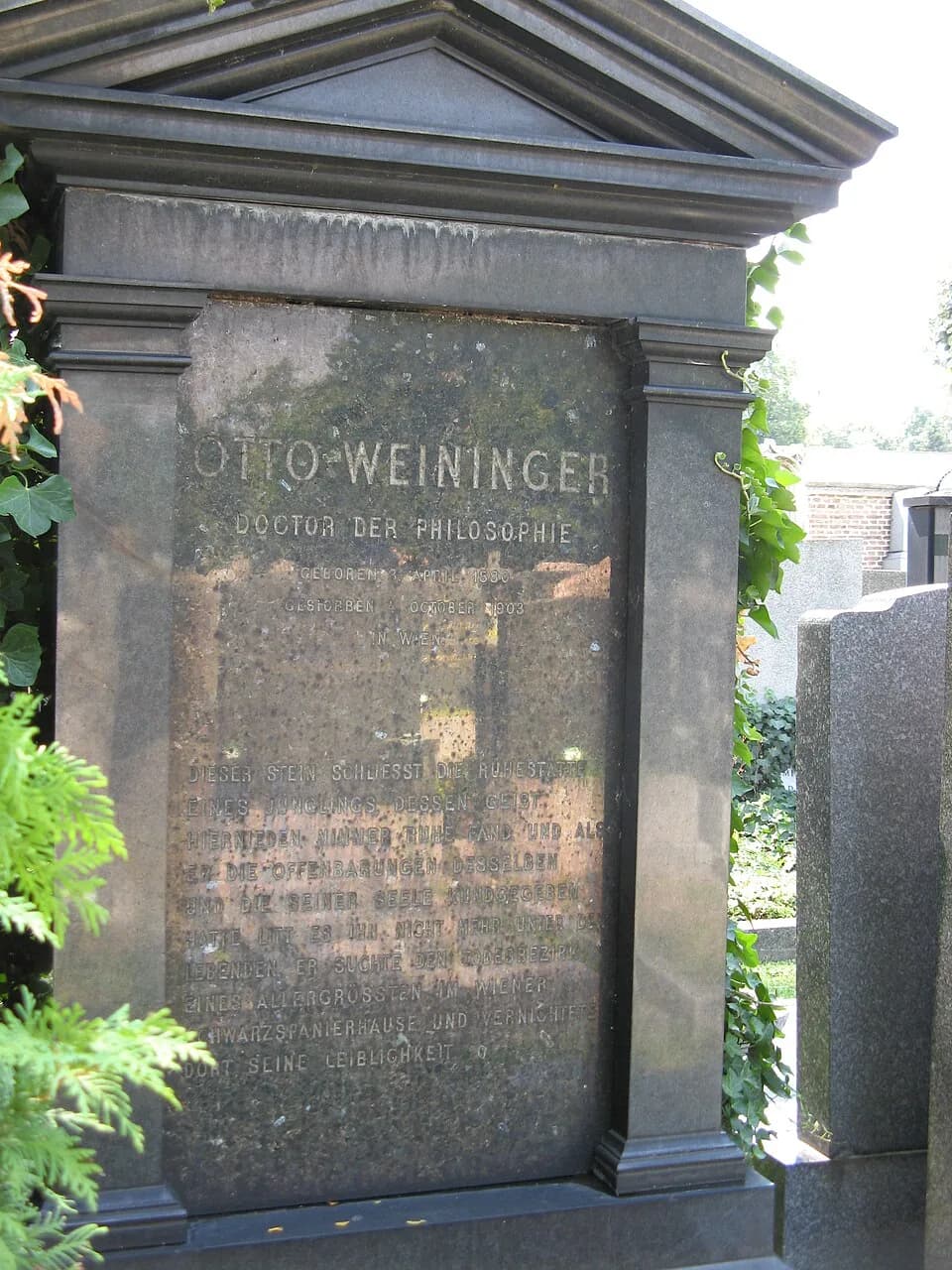
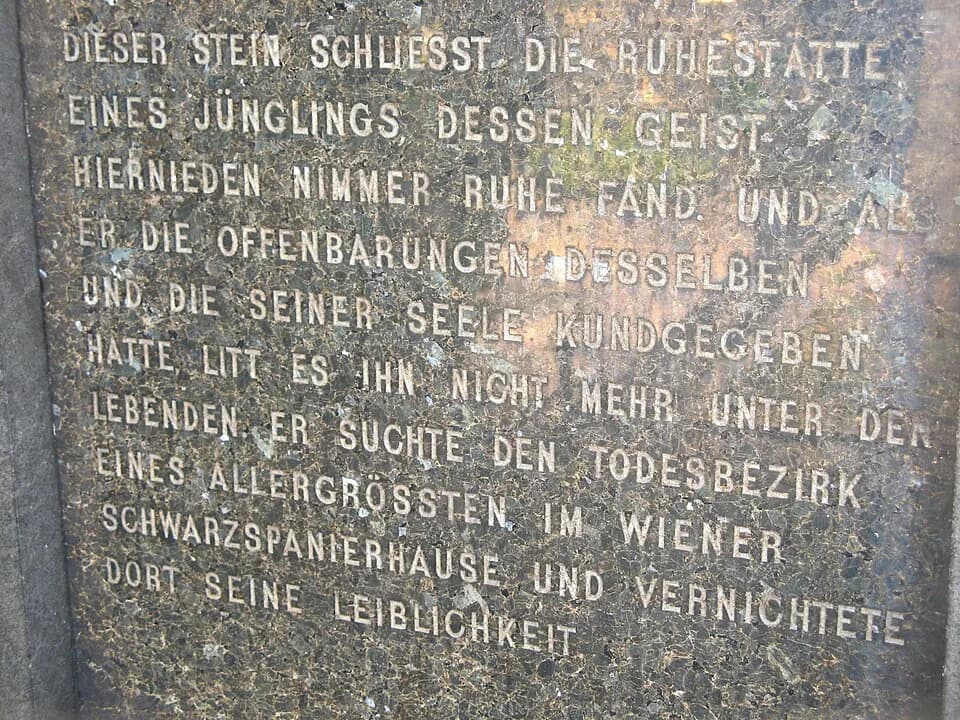
Otto Weininger's personal life was marked by an intense internal struggle and a profound philosophical quest. His brief existence culminated in a tragic end in his native city. On October 4, 1903, at the age of 23, he died by suicide in Vienna, Austria, in a house where Ludwig van Beethoven had previously died.
His death, coming shortly after the publication of his seminal work, added a layer of myth and morbid fascination to his legacy. The circumstances of his passing contributed to the immediate surge in public and academic interest in his philosophical contributions. His early demise at such a young age makes his body of work, though limited in volume, all the more remarkable for its depth and intellectual ambition.
Глава 5 · 1903· Глава 5 из 6
Notable Works or Contributions
Otto Weininger's intellectual output, though confined to a short period, included several significant works. His magnum opus, Geschlecht und Charakter, published in Vienna in 1903, is the cornerstone of his philosophical legacy. This book presents a comprehensive, albeit highly controversial, theory on gender, character, and genius, written with formidable intellectual rigor.
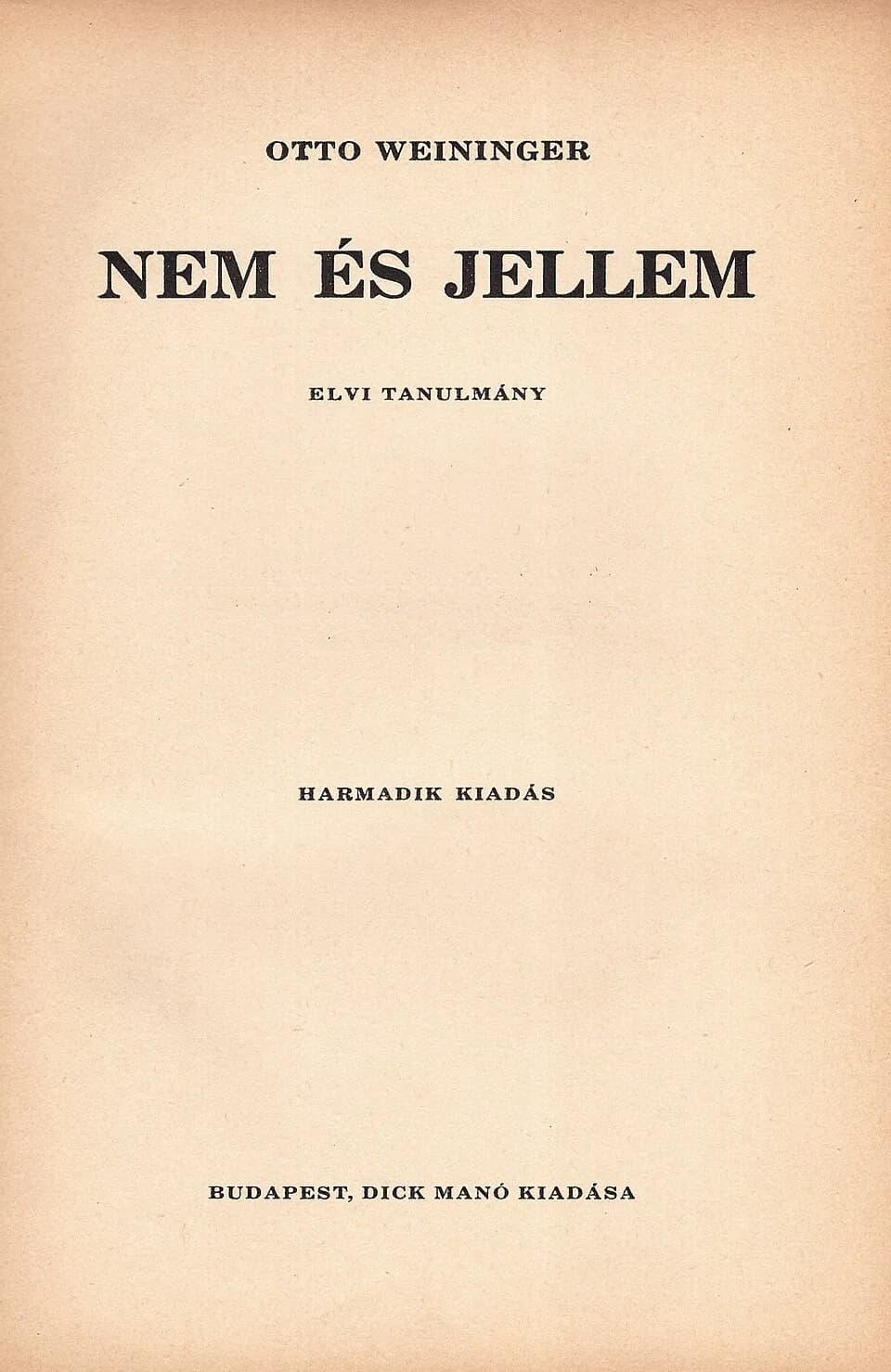
A later English translation of his principal work appeared as Sex and Character: An Investigation of Fundamental Principles. This edition made his complex ideas accessible to a wider international audience, ensuring his philosophical explorations continued to engage thinkers for decades. His work also included Über die letzten Dinge, which explored profound questions about existence and morality, making a distinct impression on certain literary figures.
Other mentions in his bibliography include titles such as Taschenbuch und Briefe an Einen Freund (Pocketbook and Letters to a Friend) and Sobre las últimas cosas, a Spanish translation of Über die letzten Dinge. These further demonstrate the dissemination and varied forms of his philosophical writings. While his primary fame rests on Geschlecht und Charakter, his other contributions were integral to the full scope of his philosophical vision.
Глава 6· Глава 6 из 6
Legacy and Impact
Otto Weininger’s legacy is complex and enduring, marked by both controversy and profound intellectual influence. His singular work, Geschlecht und Charakter, ignited considerable discussion across Europe and beyond, influencing various fields from philosophy to psychology and literature. The book's controversial stances ensured it remained a subject of intense debate for many years.
His impact is particularly evident in the intellectual development of other significant figures. Ludwig Wittgenstein, one of the most important philosophers of the 20th century, explicitly acknowledged Weininger's ideas as formative to his own thought. Furthermore, the writings of Swedish dramatist August Strindberg and Irish novelist James Joyce, especially through their engagement with Über die letzten Dinge, reflect Weininger's powerful, if sometimes unacknowledged, presence in modern literature.
Though his life was short, Weininger's provocative and deeply analytical approach to philosophy ensured that his ideas continued to circulate and challenge generations of thinkers. His work remains a topic of academic study, illustrating the lasting power of his philosophical inquiries and the unique, intense mind of a philosopher who left the world too soon.
Жизнь в моментах
Моменты, что определили жизнь
FAQ
Часто спрашивают
Когда умер(ла) Otto Weininger?
Otto Weininger умер(ла) 4 октября 1903 г. в Vienna, Austria в возрасте 23 лет.
Где родился(ась) Otto Weininger?
Otto Weininger родился(ась) в Vienna, Austria 3 апреля 1880 г..
Чем больше всего известен(на) Otto Weininger?
Otto Weininger наиболее известен(на) за Austrian philosopher and writer.
Сколько лет было Otto Weininger на момент смерти?
Otto Weininger было 23 лет на момент смерти.
Какой национальности был(а) Otto Weininger?
Otto Weininger был(а) из Austria.
Хронология
Жизнь кратко
Фотогалерея
Жизнь в фотографиях
Нажмите на любой снимок, чтобы развернуть · 20 фотографий
QR-код
Поделиться биографией
Печать и поделиться
Отсканируйте, чтобы открыть страницу биографии. Распечатайте для мероприятий, выставок или образовательных материалов.