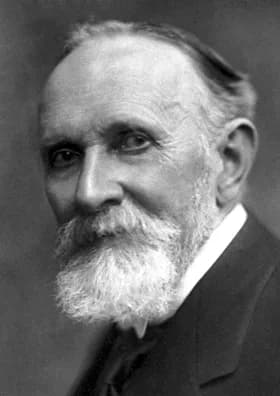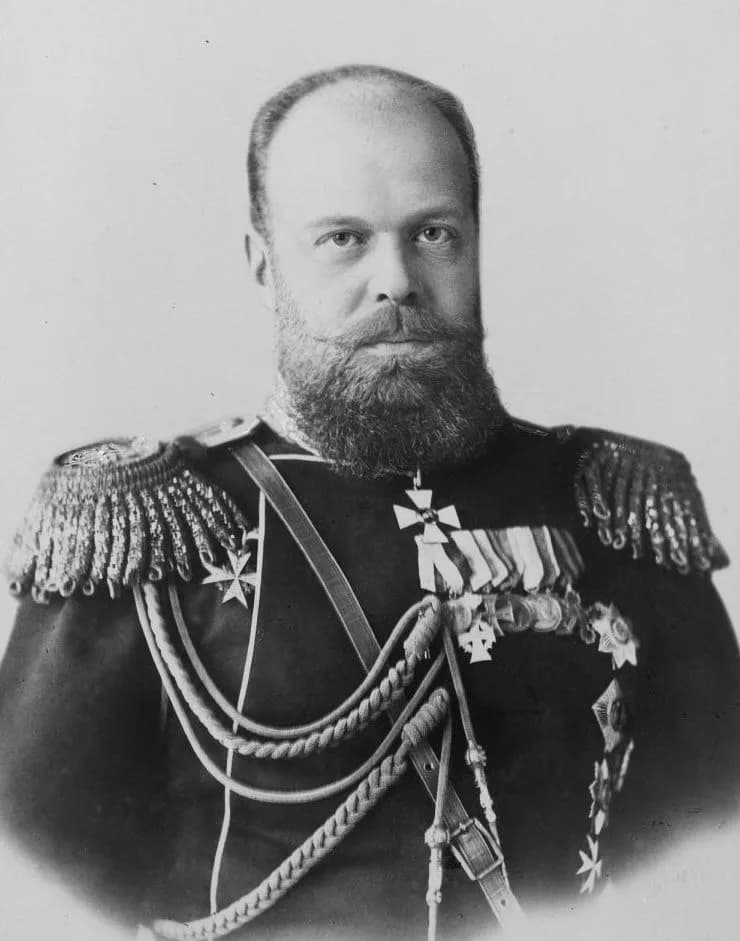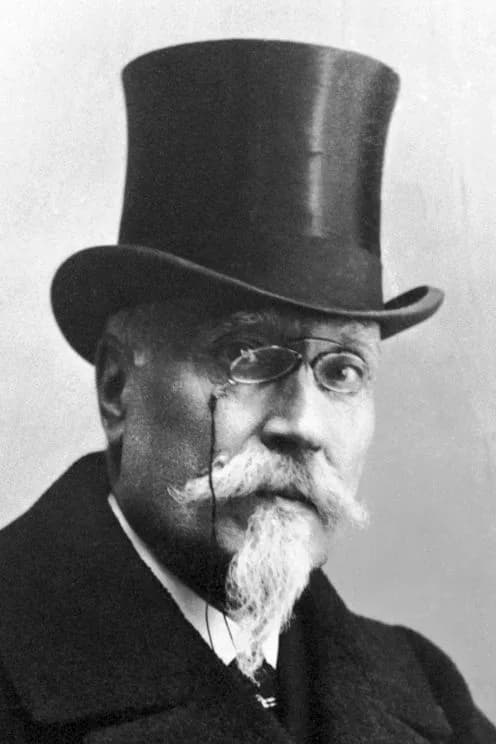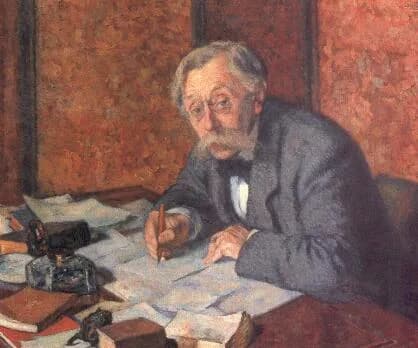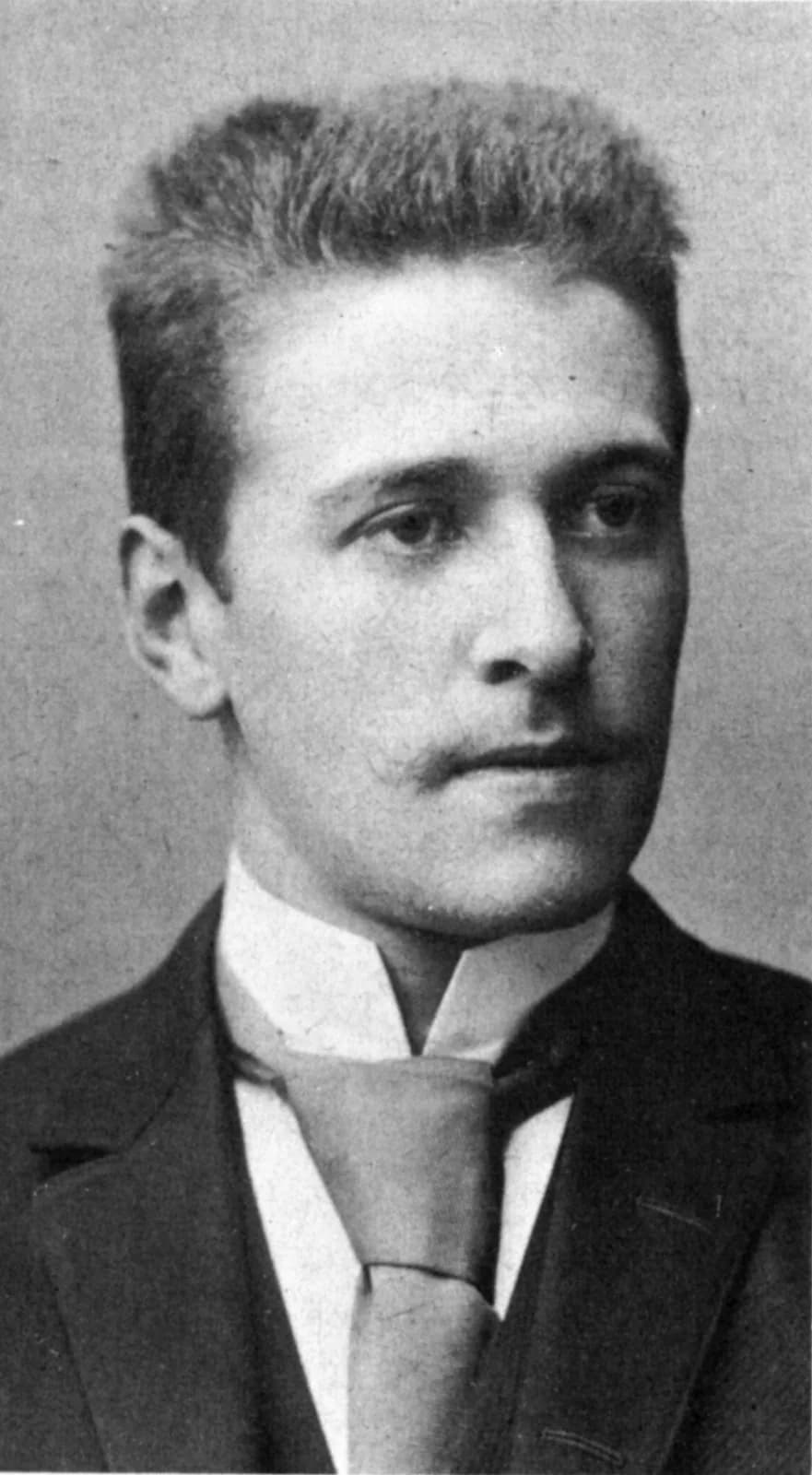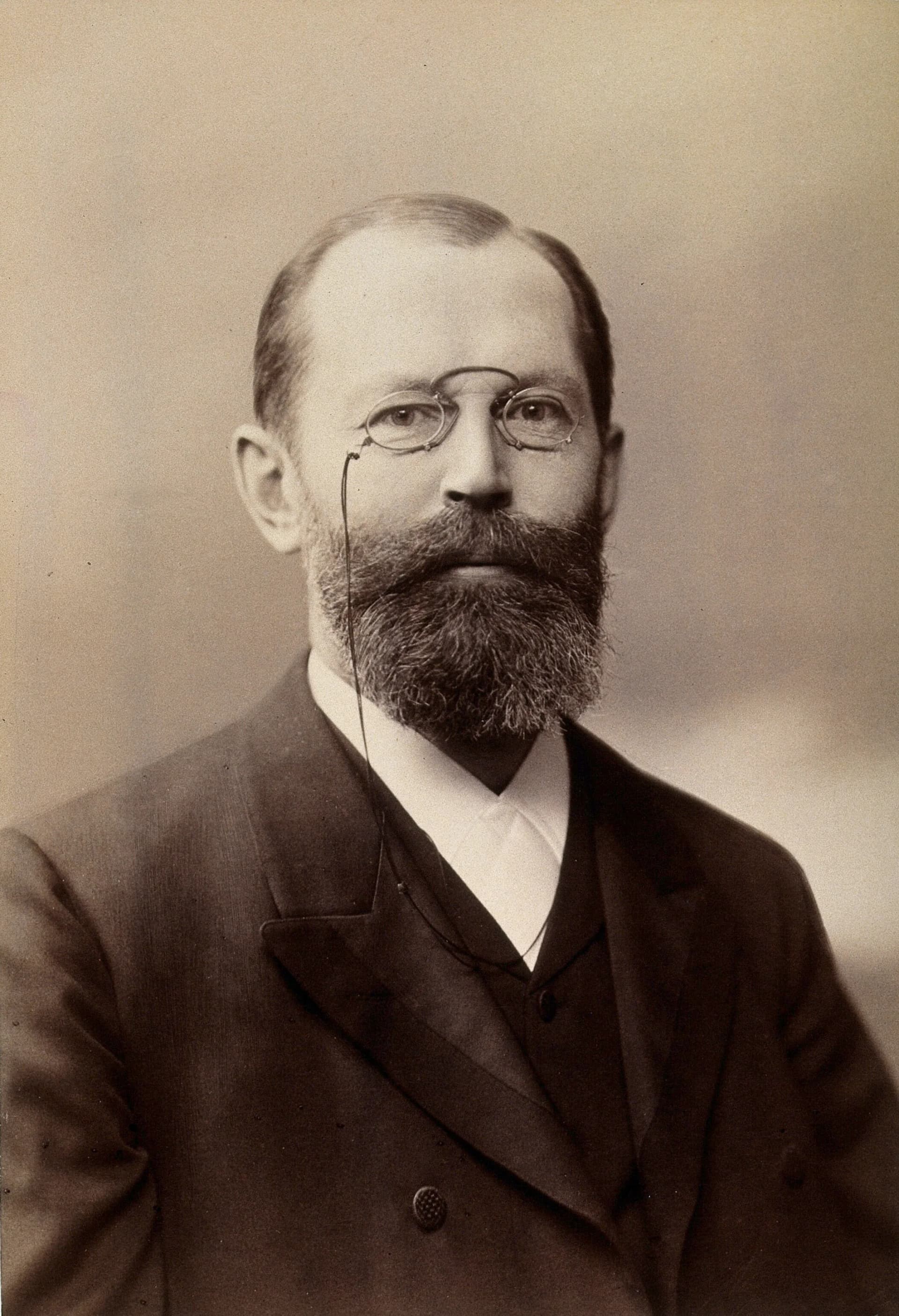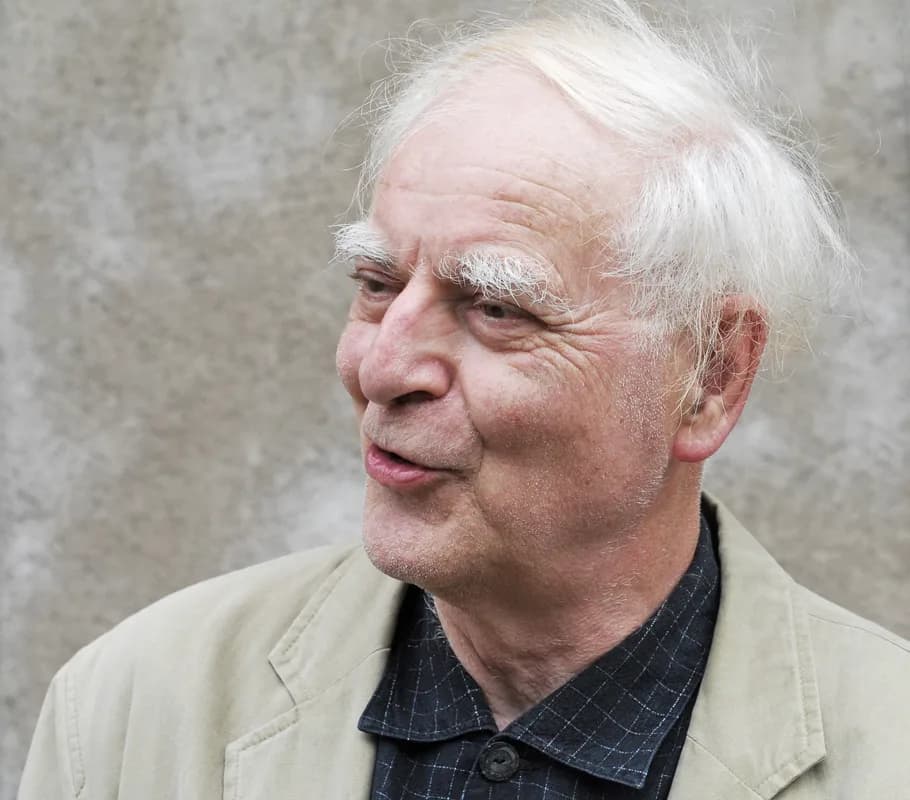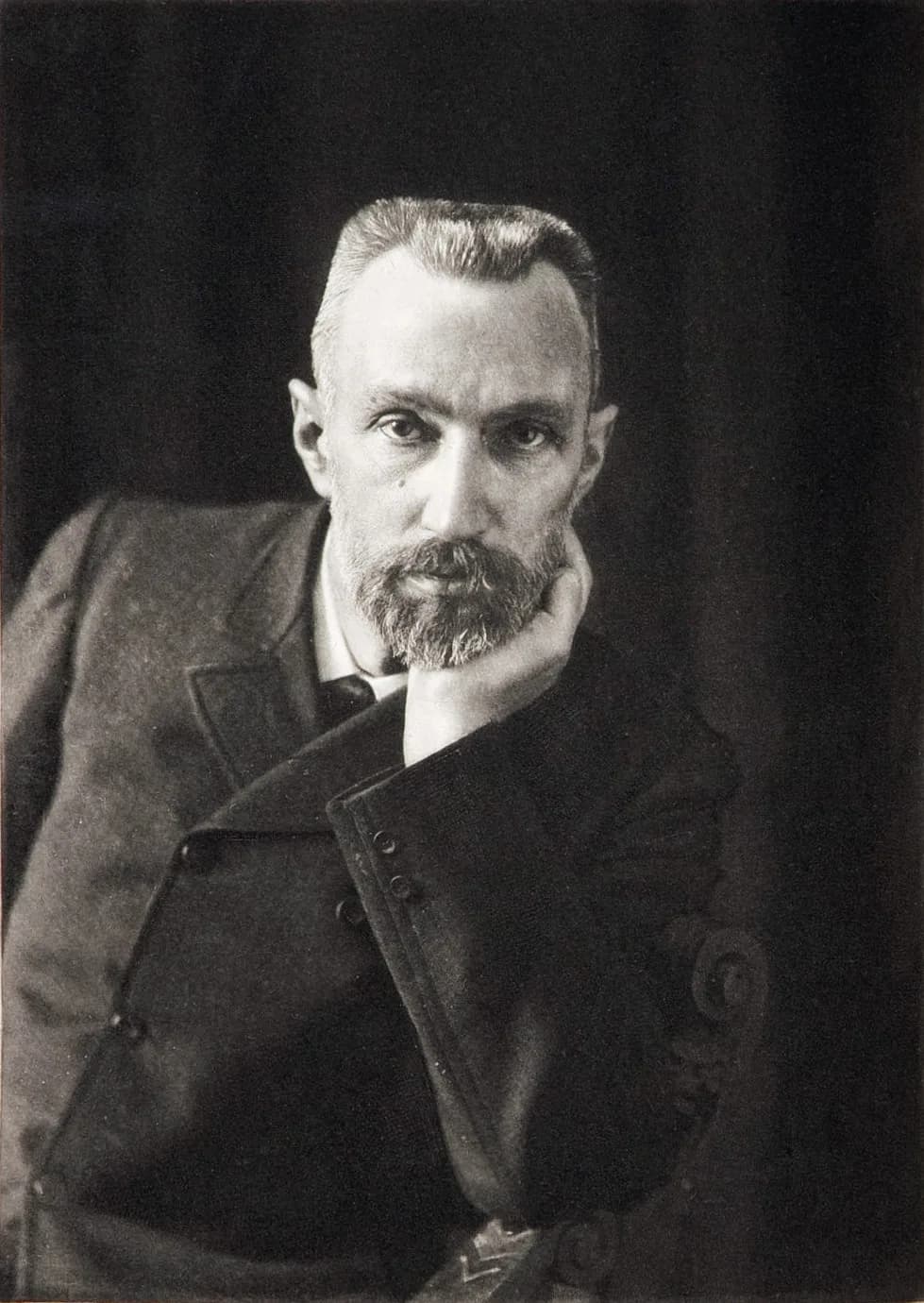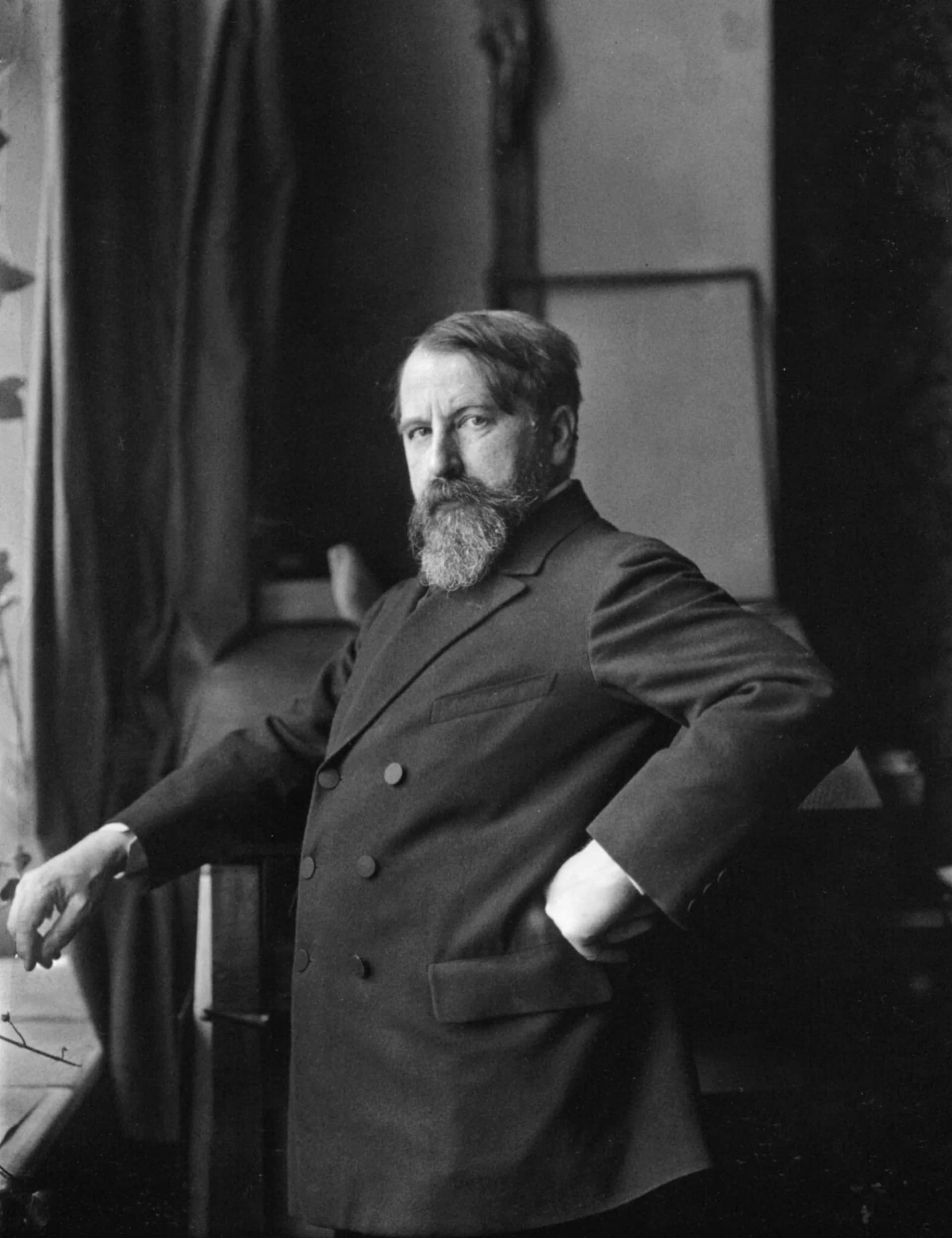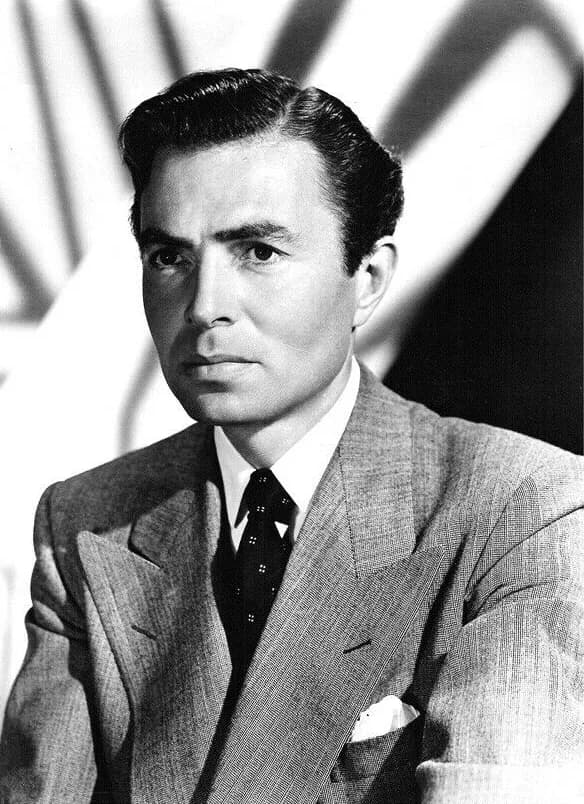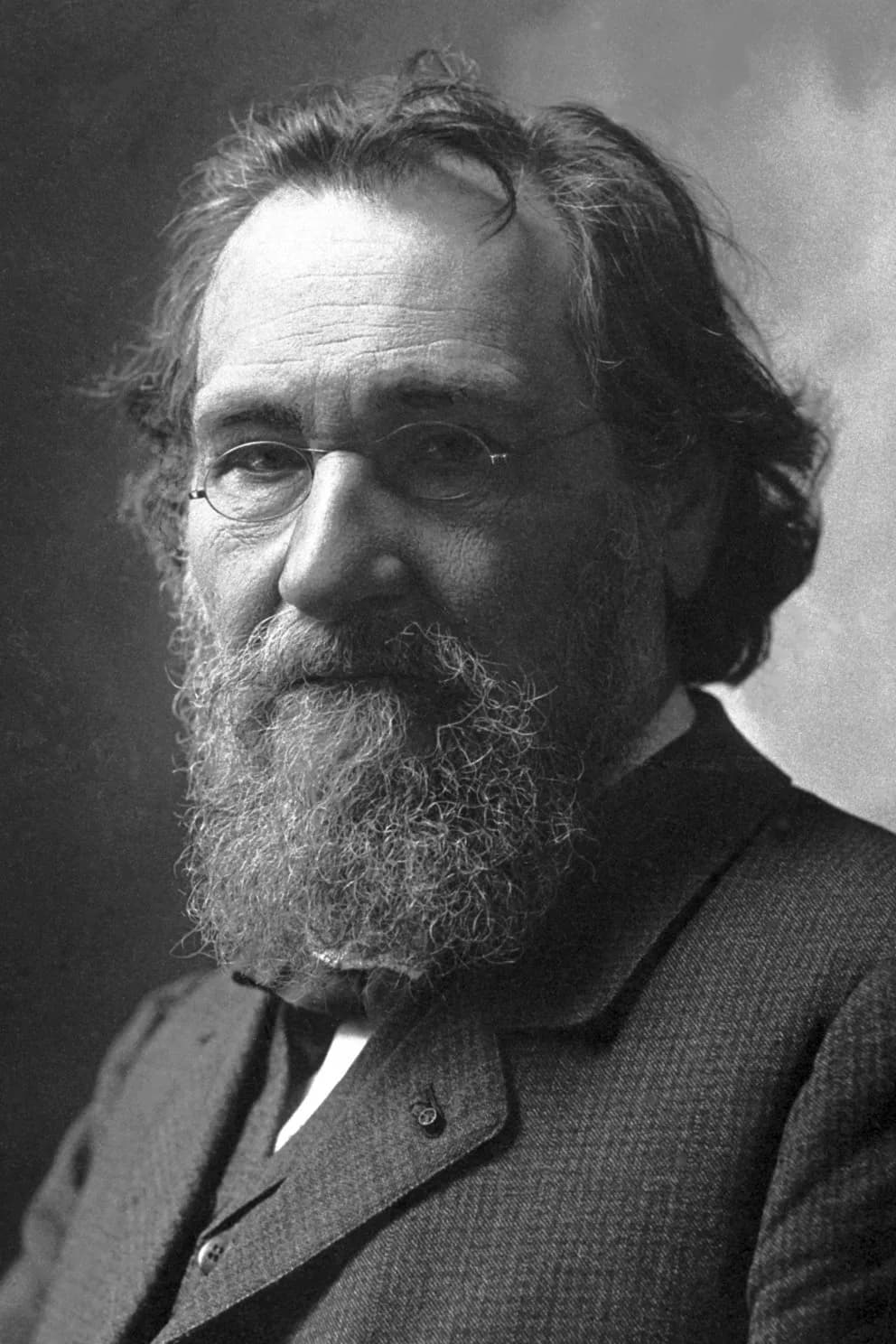
Родился(ась)
May 15, 1845
Ivanivka, Ukraine
Ушёл(ла)
July 15, 1916
Paris, France
Известен(на)
Russian-French immunologist, embryologist, biologist
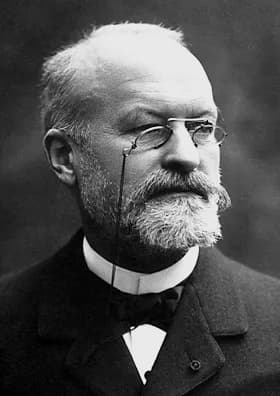
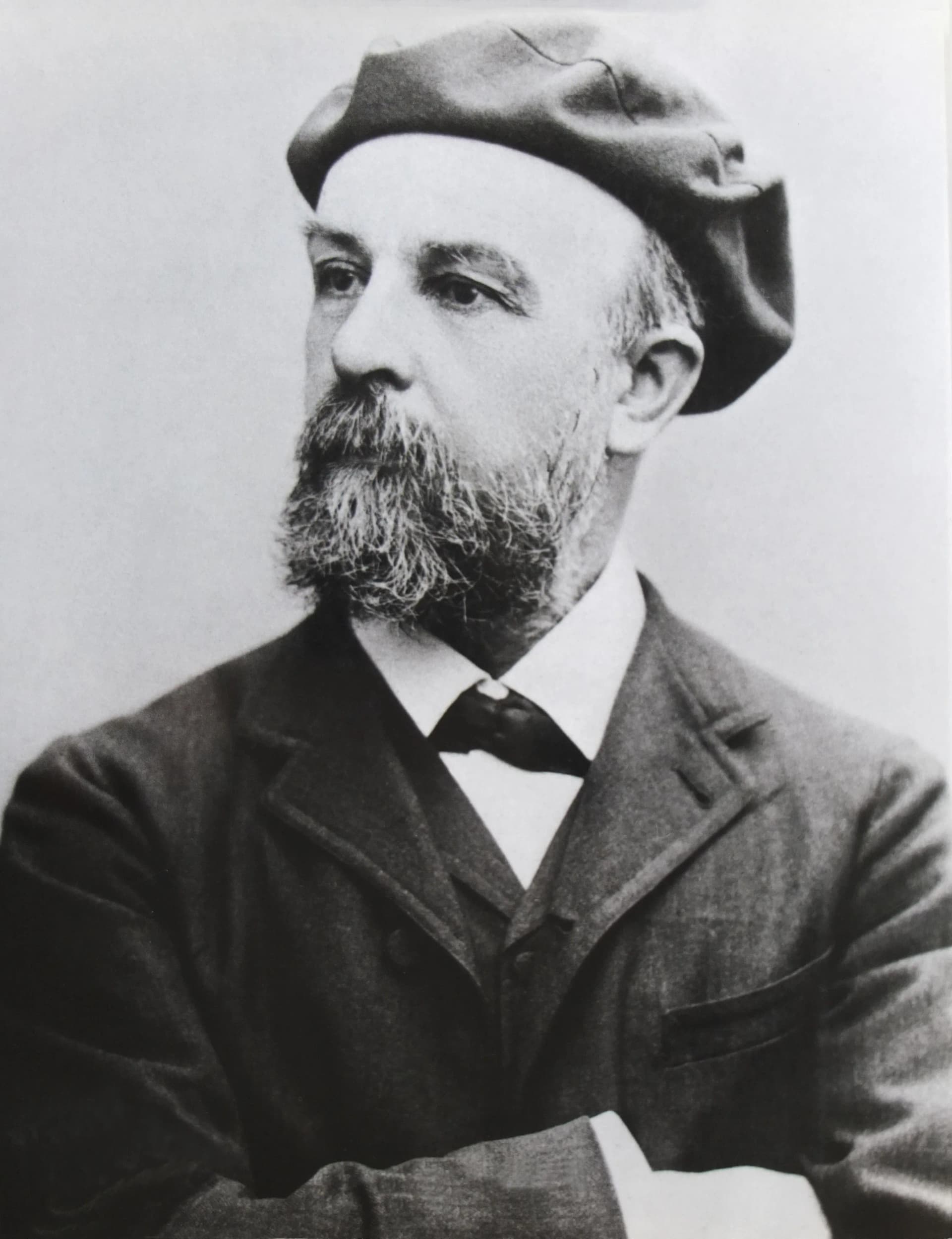
Élie Metchnikoff (1845–1916) was Ukraine best known for Russian-French immunologist, embryologist, biologist.
Élie Metchnikoff (May 15, 1845 – July 15, 1916) was a Russian-French immunologist, embryologist, and biologist. He was jointly awarded the 1908 Nobel Prize in Physiology or Medicine for his foundational work on immunity. Metchnikoff's discoveries profoundly shaped the understanding of the body's defenses.
Жизнь в моментах
Моменты, что определили жизнь
Глава
Главы жизни
Глава 1 · 1845· Глава 1 из 8
A Life Dedicated to Science: Élie Metchnikoff
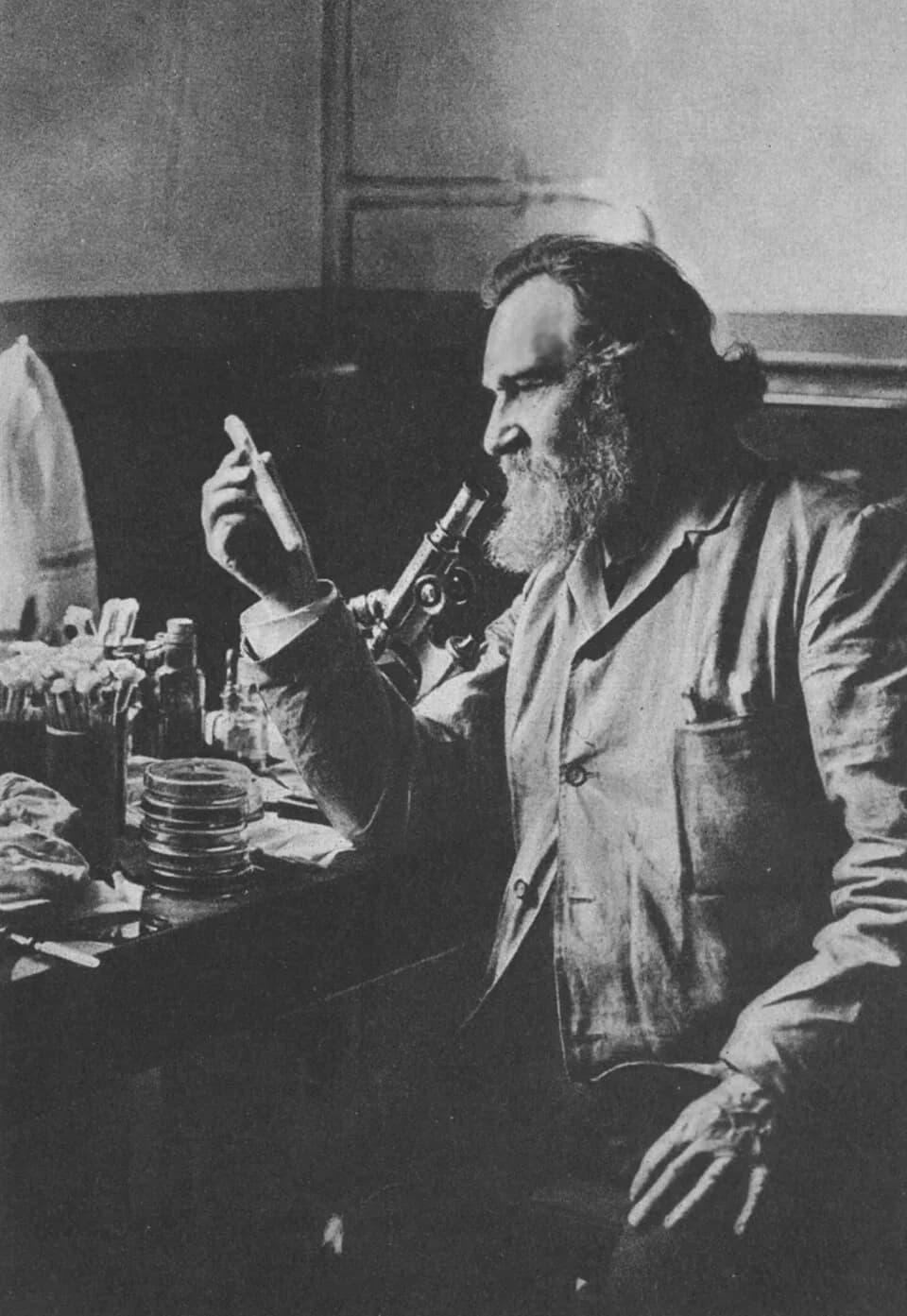
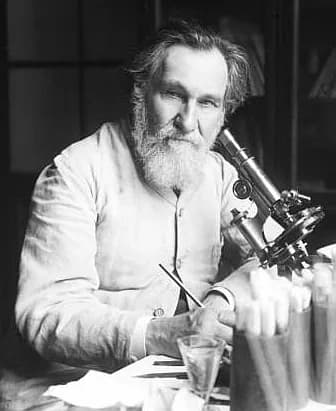
Élie Metchnikoff, born on May 15, 1845, and who passed away on July 15, 1916, was a towering figure in the scientific community, celebrated as a distinguished Russian-French immunologist, embryologist, and biologist. His diverse professional life saw him excel as a physician, inventor, zoologist, chemist, physiologist, botanist, entomologist, and microbiologist. His foundational work profoundly advanced our understanding of the body's defenses, leading to the prestigious 1908 Nobel Prize in Physiology or Medicine.
Глава 2 · 1845· Глава 2 из 8
Early Life and Origins
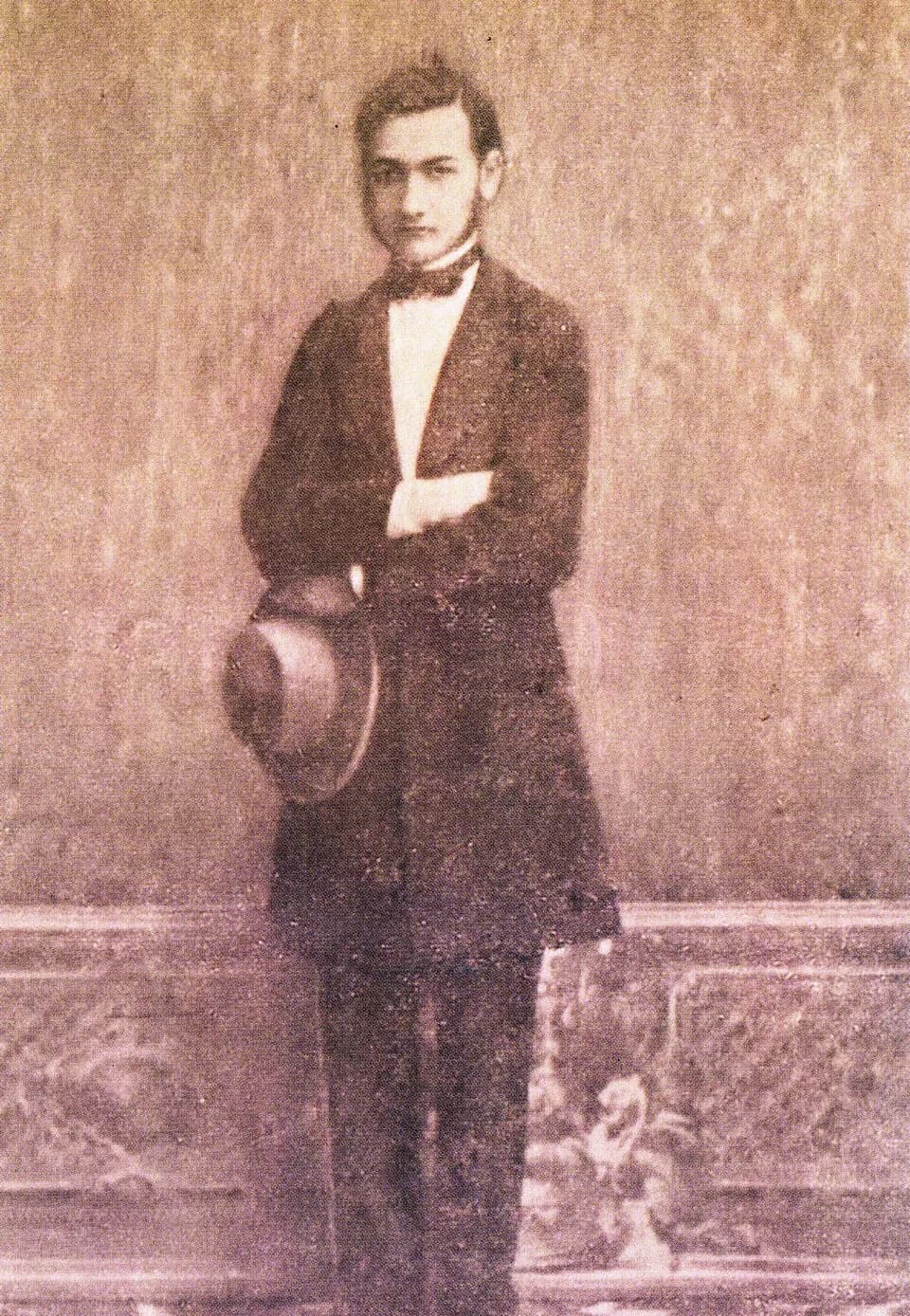
Élie Metchnikoff, also known as Ilya Ilyich Mechnikov, first saw the light of day on May 15, 1845, in Ivanivka, Ukraine, then a part of the Russian Empire. He was born into a family with Moldavian noble ancestry, a heritage that perhaps instilled in him a curiosity for the natural world and a drive for exploration. His early life in Ukraine set the stage for a remarkable scientific career that would span continents and disciplines.
Глава 3· Глава 3 из 8
Career Beginnings
Metchnikoff began his scientific journey as a zoologist, a field that provided the initial framework for his expansive research interests. This foundational work in zoology eventually led him to explore more complex biological systems and mechanisms. His early endeavors laid critical groundwork, demonstrating an insatiable curiosity and a methodical approach to understanding life's processes, which would define his illustrious career.
Глава 4 · 1908· Глава 4 из 8
Major Achievements and Career Highlights
Élie Metchnikoff's most celebrated achievement came in 1908 when he was jointly awarded the Nobel Prize in Physiology or Medicine with Paul Ehrlich. This esteemed recognition was bestowed "in recognition of their work on immunity," a field Metchnikoff revolutionized through his discovery of phagocytosis. His research significantly advanced immunology, establishing him as a pioneering Russian-French immunologist and embryologist.
Beyond his Nobel-winning work, Metchnikoff also made significant contributions to thanatology, the scientific study of death, further underscoring his broad intellectual scope. He was recognized for his multidisciplinary approach, blending insights from zoology, embryology, and microbiology to unravel complex biological puzzles. His dedication to science firmly cemented his place as one of the most influential biologists of his time.
Глава 5· Глава 5 из 8
Personal Life
Details regarding Élie Metchnikoff's personal and family life beyond his professional endeavors are not extensively documented in the available information. His dedication appears to have been primarily to his wide-ranging scientific pursuits and contributions. His legacy is largely defined by his immense impact on scientific understanding rather than by personal anecdotes.
Глава 6· Глава 6 из 8
Notable Works or Contributions
Throughout his career, Élie Metchnikoff authored several impactful academic publications that showcased his deep scientific insights. His most cited work, "L'immunité dans les maladies infectieuses," garnered 93 citations, highlighting its significant influence on the study of infectious diseases and immunity. He also contributed to critical research on venereal diseases with "La syphilis : expérimentation, microbiologie, diagnostic," which received 5 citations.
Further demonstrating his intellectual breadth, Metchnikoff published "L'œuvre de Paul Ehrlich" in 1914, acknowledging the contributions of his fellow Nobel laureate. Other works included "Médicaments microbiens : bactériothérapie, vaccination, sérothérapie" and "Rapport sur la syphilis expérimentale," reflecting his interest in microbiology and therapeutic applications. As a true polymath, his professions ranged from physician and inventor to botanist and entomologist, underscoring his diverse contributions to scientific knowledge.
Глава 7 · 1916· Глава 7 из 8
Later Years
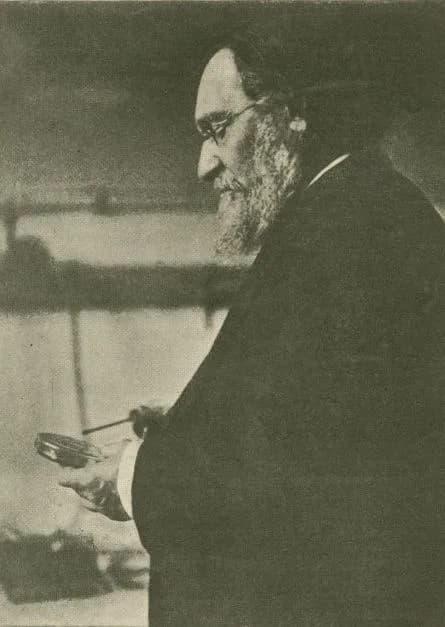
Élie Metchnikoff passed away on July 15, 1916, in Paris, France, at the age of 71. His active scientific career extended across several decades, marked by continuous research and groundbreaking discoveries. Up until his death, he remained a prominent figure in the scientific community, leaving behind a profound body of work that continued to influence researchers for generations.
Глава 8· Глава 8 из 8
Legacy and Impact
Élie Metchnikoff's legacy is immense and enduring, particularly in the fields of immunology and microbiology. His pioneering discovery of phagocytosis fundamentally reshaped our understanding of the immune system and how organisms defend against pathogens. This work not only earned him the Nobel Prize but also laid essential groundwork for modern immunological research.
As a Russian-French immunologist, embryologist, and biologist, Metchnikoff's influence extends far beyond his immediate discoveries. His multidisciplinary approach and relentless pursuit of knowledge continue to inspire scientists across various fields. His contributions remain foundational, demonstrating how a singular focus on a complex biological problem can yield insights that transform entire scientific disciplines and improve human health.
FAQ
Часто спрашивают
Когда умер(ла) Élie Metchnikoff?
Élie Metchnikoff умер(ла) 15 июля 1916 г. в Paris, France в возрасте 71 лет.
Где родился(ась) Élie Metchnikoff?
Élie Metchnikoff родился(ась) в Ivanivka, Ukraine 15 мая 1845 г..
Чем больше всего известен(на) Élie Metchnikoff?
Élie Metchnikoff наиболее известен(на) за Russian-French immunologist, embryologist, biologist.
Сколько лет было Élie Metchnikoff на момент смерти?
Élie Metchnikoff было 71 лет на момент смерти.
Какой национальности был(а) Élie Metchnikoff?
Élie Metchnikoff был(а) из Ukraine.
Хронология
Жизнь кратко
Фотогалерея
Жизнь в фотографиях
Нажмите на любой снимок, чтобы развернуть · 50 фотографий
QR-код
Поделиться биографией
Печать и поделиться
Отсканируйте, чтобы открыть страницу биографии. Распечатайте для мероприятий, выставок или образовательных материалов.