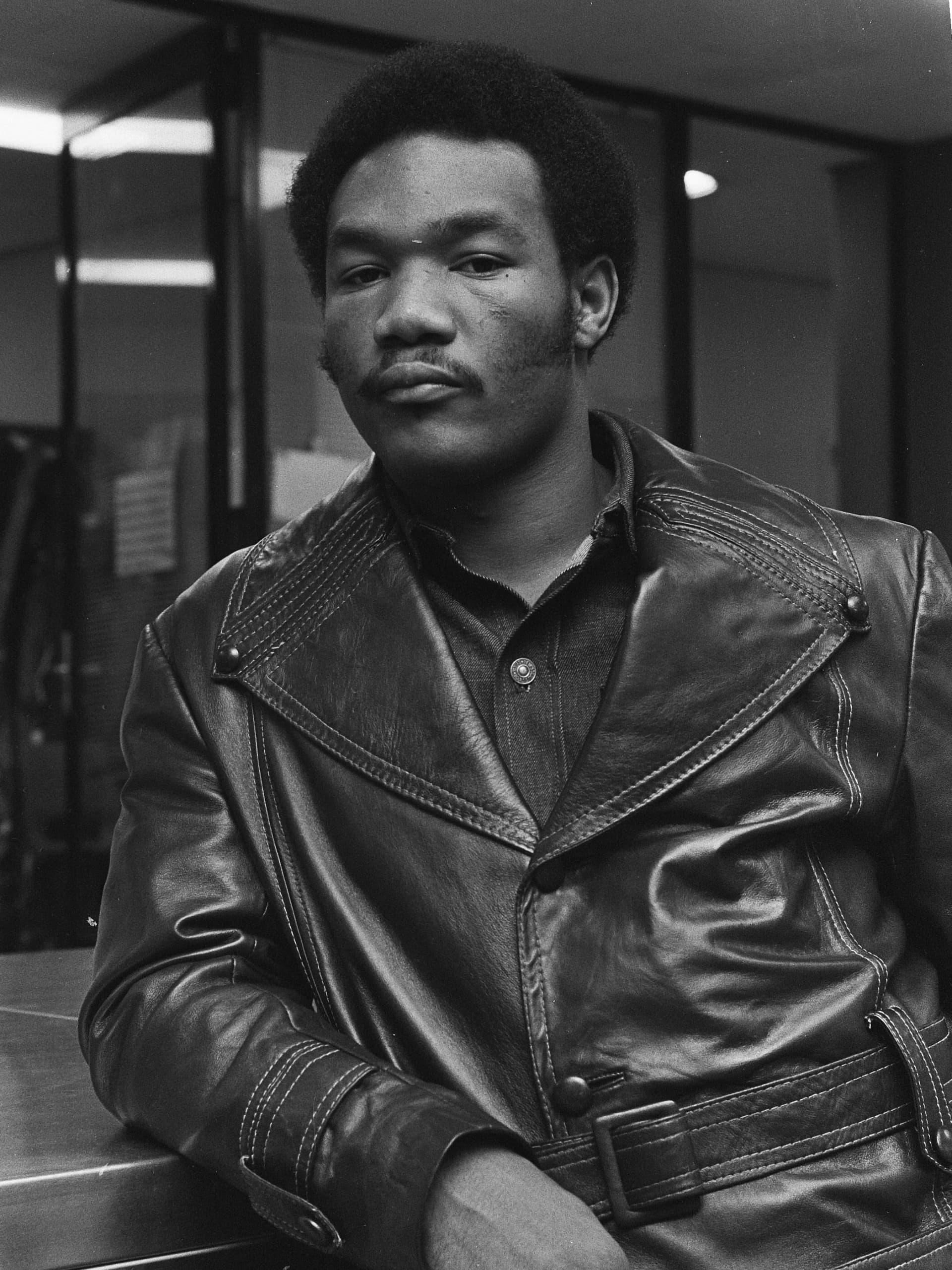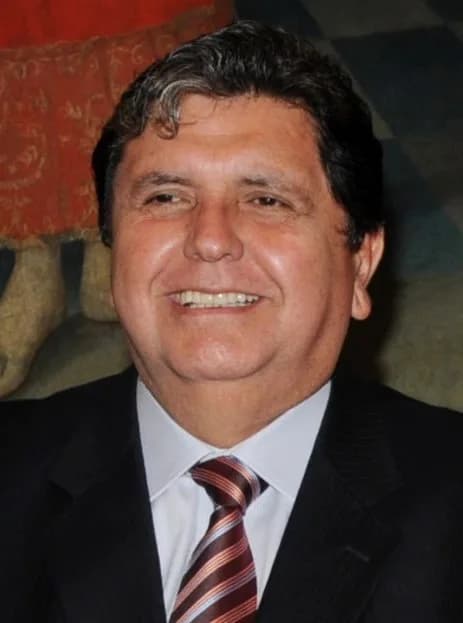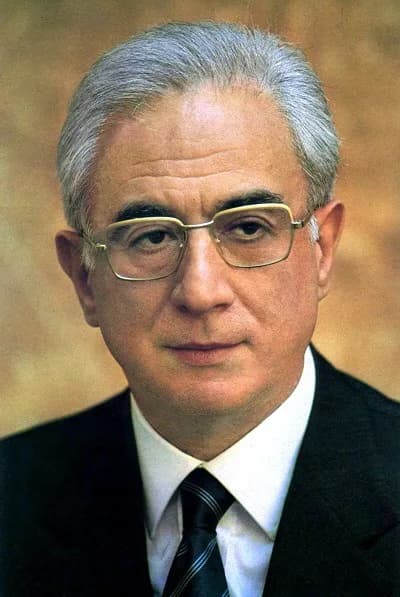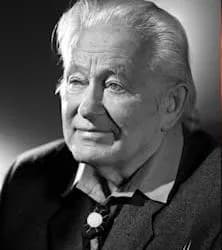
Родился(ась)
June 18, 1949
Warsaw, Poland
Ушёл(ла)
April 10, 2010
Smolensk, Russia
Известен(на)
Polish politician, democratic oppositionist, ministry of justice, president of Poland
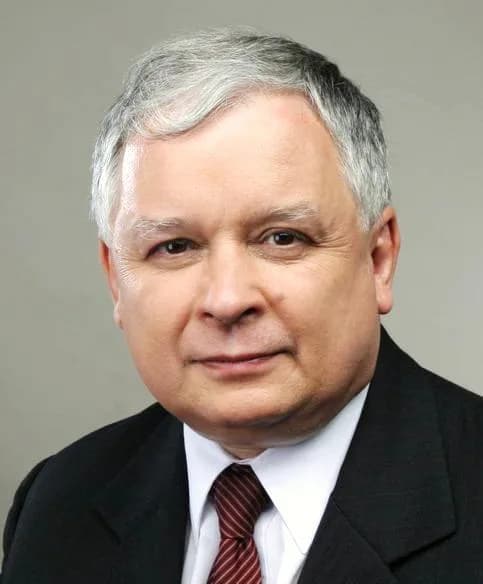
Lech Kaczyński (1949–2010) was Poland best known for Polish politician, democratic oppositionist, ministry of justice, president of Poland.
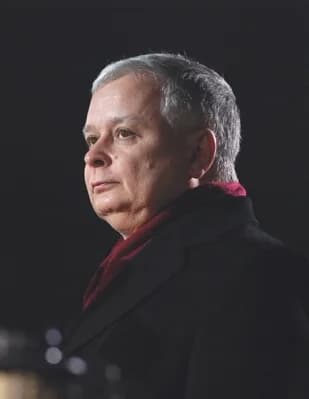
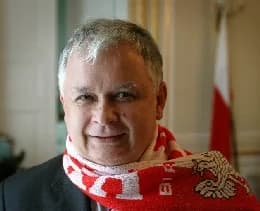
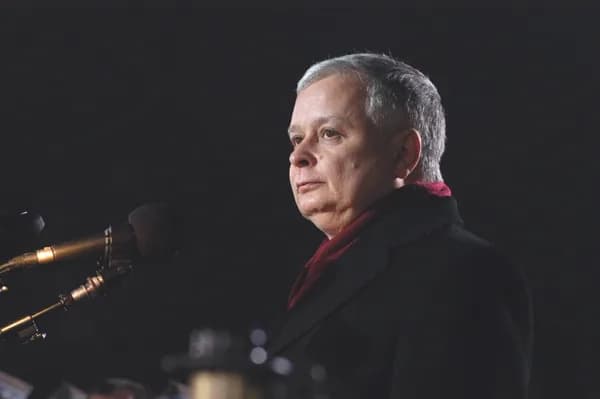
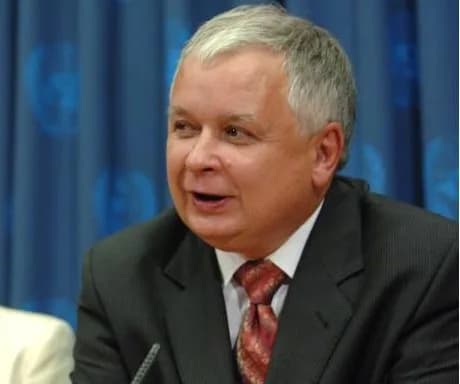
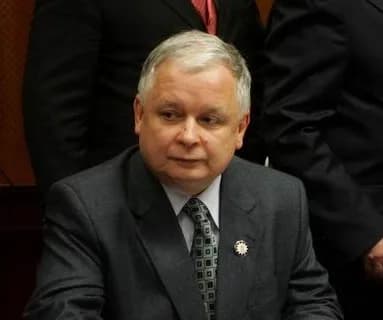
Lech Aleksander Kaczyński (1949-2010) was a Polish politician, lawyer, and democratic oppositionist who served as Poland's 4th President from 2005 to 2010. He played crucial roles in Poland's democratic transformation, serving as Warsaw mayor, Minister of Justice, and Solidarity activist. His life ended tragically in the 2010 Smolensk air disaster while commemorating Polish historical victims.
Жизнь в моментах
Моменты, что определили жизнь
Глава
Главы жизни
Глава 1 · 1949· Глава 1 из 7
Early Life and Origins
Lech Aleksander Kaczyński was born on June 18, 1949, in Warsaw, Poland, during a time when the country was rebuilding from the devastation of World War II. Growing up in the Polish capital, he witnessed firsthand the challenges of life under communist rule. His formative years in Warsaw shaped his understanding of Poland's political struggles and instilled in him a deep commitment to democratic values. The city that raised him would later become the stage for some of his most significant political achievements.
Kaczyński pursued higher education in law, establishing the foundation for his future career as both a legal scholar and politician. His academic background in jurisprudence provided him with the analytical skills and constitutional knowledge that would prove essential throughout his political career. During his university years, he began developing the critical thinking that would later drive his opposition to authoritarian governance.
Глава 2· Глава 2 из 7
Career Beginnings and Democratic Opposition
Kaczyński's professional journey began in the legal field, where he worked as a lawyer and jurist while simultaneously building his reputation as a democratic oppositionist. During the 1980s, he became actively involved with the Solidarity movement, Poland's first independent trade union that challenged communist authority. His work as a trade unionist placed him at the center of Poland's democratic transformation, where he fought alongside other dissidents for workers' rights and political freedom.
His multifaceted early career also included academic work as a university teacher and lecturer, where he shared his legal expertise with the next generation of Polish scholars. Interestingly, Kaczyński also appeared in the 1962 film "The Two Who Stole the Moon," showcasing an artistic side that would remain unique among his many professional accomplishments. This diverse background in law, academia, activism, and even entertainment demonstrated his wide-ranging interests and capabilities.
Глава 3 · 1992· Глава 3 из 7
Major Political Achievements
Kaczyński's rise to national prominence began in 1992 when he was appointed President of the Supreme Audit Office, a position he held until 1995. This role allowed him to oversee government accountability and financial transparency during Poland's crucial transition to democracy. His work in this capacity established his reputation as a principled public servant committed to clean governance and institutional reform.
In 2000, he joined Jerzy Buzek's cabinet as Minister of Justice and Public Prosecutor General, positions that utilized his extensive legal background and commitment to judicial reform. Although his tenure ended with his dismissal in July 2001, his time in these roles reinforced his dedication to strengthening Poland's legal institutions. From 2002 to 2005, he served as mayor of Warsaw, bringing his administrative skills to bear on the challenges facing Poland's largest city and demonstrating his ability to govern at the municipal level.
Глава 4 · 2005· Глава 4 из 7
Presidential Legacy
Kaczyński reached the pinnacle of his political career in 2005 when he was elected as Poland's 4th President. His presidency was marked by his strong advocacy for Polish sovereignty, traditional values, and a robust foreign policy that emphasized Poland's role in European and international affairs. As president, he worked to strengthen Poland's position within NATO and the European Union while maintaining the country's distinct national identity.
During his presidency, Kaczyński continued to champion the democratic principles that had guided his earlier career as an oppositionist. He used his platform to promote judicial independence, government accountability, and the protection of civil liberties that he had fought to establish during the communist era. His presidential tenure represented the culmination of decades spent working toward a free and democratic Poland.
Глава 5· Глава 5 из 7
Academic and Scholarly Contributions
Beyond his political career, Kaczyński maintained his connection to academia and legal scholarship throughout his life. As a legal scholar, he authored numerous academic publications, contributing to Polish jurisprudence and legal thought. His work as a university teacher and lecturer allowed him to influence future generations of lawyers and legal professionals, sharing both his practical experience in government and his theoretical knowledge of constitutional law.
His academic pursuits complemented his political work, as he sought to build not only democratic institutions but also the intellectual framework necessary to support them. This dual commitment to both practical governance and scholarly understanding reflected his belief that effective democracy required both strong institutions and educated citizens who understood their rights and responsibilities.
Глава 6 · 2010· Глава 6 из 7
Tragic End and Final Journey
Lech Kaczyński's life and presidency came to a tragic end on April 10, 2010, when he died in the Smolensk air disaster in Russia. He was traveling to commemorate the 70th anniversary of the Katyn Massacre, a fitting final mission for a leader who had dedicated his career to remembering Poland's historical struggles and honoring those who fought for freedom. The circumstances of his death, while traveling to honor Polish victims of Soviet oppression, symbolically connected his final act to the democratic values he had championed throughout his life.
Глава 7· Глава 7 из 7
Lasting Impact on Polish Democracy
Kaczyński's legacy lies in his unwavering commitment to Polish democracy and the rule of law. From his early days as a Solidarity activist to his final years as president, he consistently fought for the principles of freedom, justice, and national sovereignty. His career spanned the entire arc of Poland's transformation from communist rule to democratic governance, and he played significant roles at every stage of this historic transition.
His influence extended beyond politics to include legal scholarship, academic teaching, and civic leadership. The institutions he helped build and strengthen continue to serve Poland today, while his example as a public servant who remained true to his democratic principles continues to inspire Polish politicians and citizens. His tragic death while honoring Poland's historical memory serves as a final testament to his lifelong dedication to his country and its democratic values.
FAQ
Часто спрашивают
Когда умер(ла) Lech Kaczyński?
Lech Kaczyński умер(ла) 10 апреля 2010 г. в Smolensk, Russia в возрасте 60 лет.
Где родился(ась) Lech Kaczyński?
Lech Kaczyński родился(ась) в Warsaw, Poland 18 июня 1949 г..
Чем больше всего известен(на) Lech Kaczyński?
Lech Kaczyński наиболее известен(на) за Polish politician, democratic oppositionist, ministry of justice, president of Poland.
Сколько лет было Lech Kaczyński на момент смерти?
Lech Kaczyński было 60 лет на момент смерти.
Какой национальности был(а) Lech Kaczyński?
Lech Kaczyński был(а) из Poland.
Хронология
Жизнь кратко
Фотогалерея
Жизнь в фотографиях
Нажмите на любой снимок, чтобы развернуть · 40 фотографий
QR-код
Поделиться биографией
Печать и поделиться
Отсканируйте, чтобы открыть страницу биографии. Распечатайте для мероприятий, выставок или образовательных материалов.