Родился(ась)
November 11, 1882
Stockholm Palace, Sweden
Ушёл(ла)
September 15, 1973
Helsingborgs lasarett, Sweden
Известен(на)
King of Sweden (1950–1973); anthropologist, art historian, collector and archaeologist
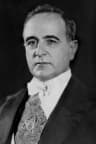
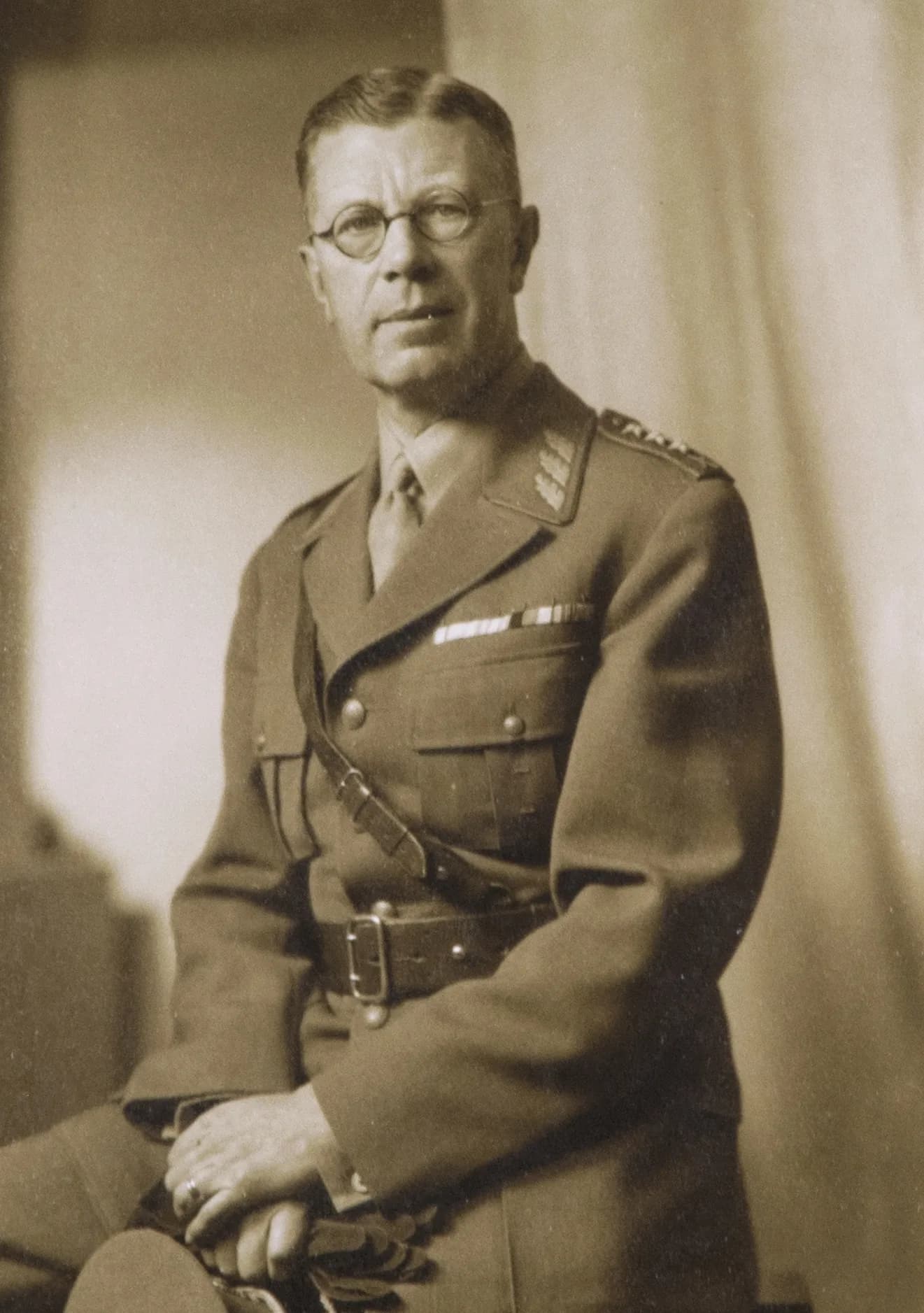
Gustaf VI Adolf of Sweden (1882–1973) was Sweden best known for King of Sweden (1950–1973); anthropologist, art historian, collector and archaeologist.
Gustaf VI Adolf (November 11, 1882 – September 15, 1973) was the King of Sweden, an anthropologist, and an archaeologist. He reigned from 1950 to 1973, notably approving constitutional changes that removed the monarchy's political powers. His scholarly interests in ancient cultures left a lasting intellectual legacy.
Глава
Главы жизни
Глава 1 · 1882· Глава 1 из 7
Early Life and Origins
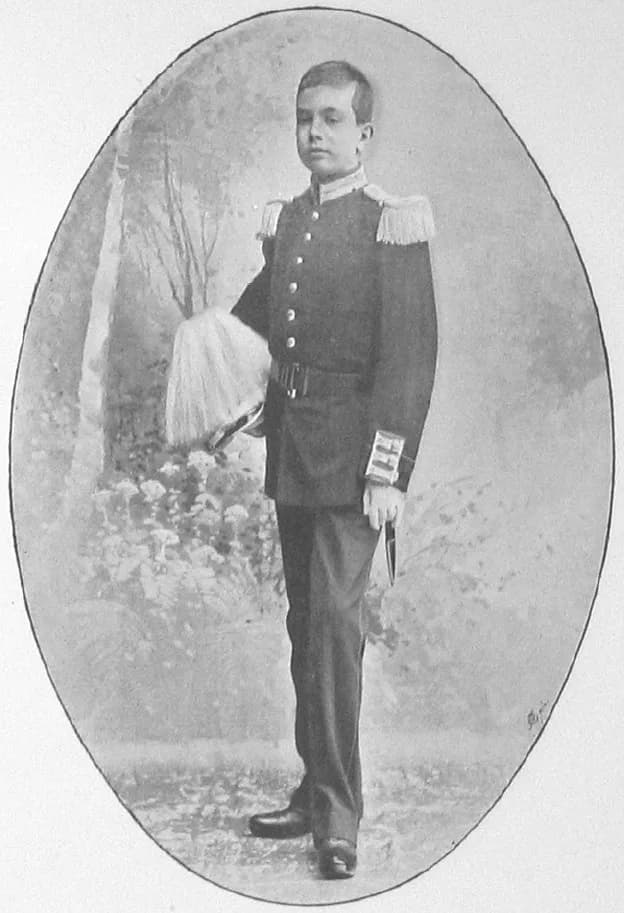
Born Gustaf Adolf on November 11, 1882, at Stockholm Palace, Sweden, he was the eldest son of Gustaf V and his wife, Victoria of Baden. His early life was steeped in the traditions and expectations of the Swedish royal family. He received a thorough education befitting a future monarch, which fostered his natural curiosity and academic inclinations.
His upbringing provided him with a strong foundation in history, culture, and statecraft. These formative years at Stockholm Palace helped shape his character and prepare him for the long journey ahead as Crown Prince and eventual King. From a young age, he showed a particular aptitude for scholarly pursuits, which would define much of his personal life.
Глава 2· Глава 2 из 7
Career Beginnings
Before acceding to the throne, Gustaf Adolf served as crown prince for nearly 43 years during his father Gustaf V's reign. This extended period allowed him to gain extensive experience in royal duties and state affairs. He actively engaged with public life and developed a deep understanding of Swedish society and its needs.
During these four decades, he also dedicated considerable time to cultivating his scholarly interests. He immersed himself in subjects like archaeology, botany, and art history, laying the groundwork for his reputation as an academic royal. His pre-throne years were a time of preparation, both for his eventual rule and his intellectual contributions.
Глава 3 · 1950· Глава 3 из 7
Major Achievements and Career Highlights
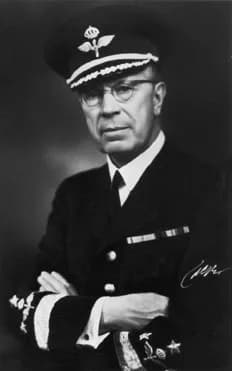
Gustaf VI Adolf ascended to the throne as King of Sweden on October 29, 1950. His reign, which lasted until his death in 1973, was marked by stability and modernization. He skillfully navigated the evolving role of monarchy in a democratic nation.
A major achievement of his reign came shortly before his death when he gave his approval to significant constitutional changes. These reforms removed the Swedish monarchy's last remaining political powers, effectively transitioning Sweden to a ceremonial monarchy. This progressive decision highlighted his commitment to the democratic process and modern governance.
Глава 4· Глава 4 из 7
Personal Life
Beyond his public role, Gustaf VI Adolf led a rich personal life driven by an insatiable intellectual curiosity. He was a lifelong amateur archaeologist, especially fascinated by Ancient Italian cultures. His passion led him to participate in archaeological excavations and studies.
His interests extended beyond archaeology to include botany, anthropology, and art history. As an art historian and collector, he amassed impressive collections, reflecting his deep appreciation for cultural artifacts. His diverse academic pursuits were a deep love for learning.
Глава 5· Глава 5 из 7
Notable Works or Contributions
As a classical archaeologist, Gustaf VI Adolf made specific contributions through his research and participation in various projects. His specialized knowledge in Ancient Italian cultures was widely recognized. He was known for his rigorous approach to scholarship and his genuine dedication to seeking historical truths.
His expertise as a botanist and anthropologist also distinguished him among his peers. He contributed to these fields not only through study but also as a discerning collector. His collections often served as valuable resources for researchers and provided insights into historical and cultural contexts.
Глава 6 · 1973· Глава 6 из 7
Later Years
King Gustaf VI Adolf continued his reign with dedication until his death on September 15, 1973. In his final years, he solidified his legacy by approving the constitutional changes that redefined the Swedish monarchy. These reforms reflected his forward-thinking vision for his country.
He passed away at Helsingborgs lasarett, Sweden, at the age of 90. His departure marked the end of an era, but his influence on the monarchy and his scholarly endeavors continued to resonate. He maintained his active interest in his academic pursuits right until the end.
Глава 7· Глава 7 из 7
Legacy and Impact
Gustaf VI Adolf's legacy has many aspects, encompassing both his role as a modernizing monarch and his significant contributions as a scholar. By approving the constitutional reforms, he ensured the monarchy's enduring relevance and public acceptance in a democratic Sweden. His actions helped shape the contemporary Swedish state.
His impact as an anthropologist, art historian, collector, and archaeologist continues to inspire. He demonstrated that a head of state could also be a dedicated intellectual, enriching society through both governance and scholarship. His life serves as a model of combining public service with a deep personal commitment to learning and cultural preservation.
Жизнь в моментах
Моменты, что определили жизнь
FAQ
Часто спрашивают
Когда умер(ла) Gustaf VI Adolf of Sweden?
Gustaf VI Adolf of Sweden умер(ла) 15 сентября 1973 г. в Helsingborgs lasarett, Sweden в возрасте 90 лет.
Где родился(ась) Gustaf VI Adolf of Sweden?
Gustaf VI Adolf of Sweden родился(ась) в Stockholm Palace, Sweden 11 ноября 1882 г..
Чем больше всего известен(на) Gustaf VI Adolf of Sweden?
Gustaf VI Adolf of Sweden наиболее известен(на) за King of Sweden (1950–1973); anthropologist, art historian, collector and archaeologist.
Сколько лет было Gustaf VI Adolf of Sweden на момент смерти?
Gustaf VI Adolf of Sweden было 90 лет на момент смерти.
Какой национальности был(а) Gustaf VI Adolf of Sweden?
Gustaf VI Adolf of Sweden был(а) из Sweden.
Хронология
Жизнь кратко
Фотогалерея
Жизнь в фотографиях
Нажмите на любой снимок, чтобы развернуть · 46 фотографий
QR-код
Поделиться биографией
Печать и поделиться
Отсканируйте, чтобы открыть страницу биографии. Распечатайте для мероприятий, выставок или образовательных материалов.