Родился(ась)
January 1, 1840
Kabul, Afghanistan
Ушёл(ла)
October 1, 1901
Kabul, Afghanistan
Известен(на)
Emir of Afghanistan from 1880 to 1901
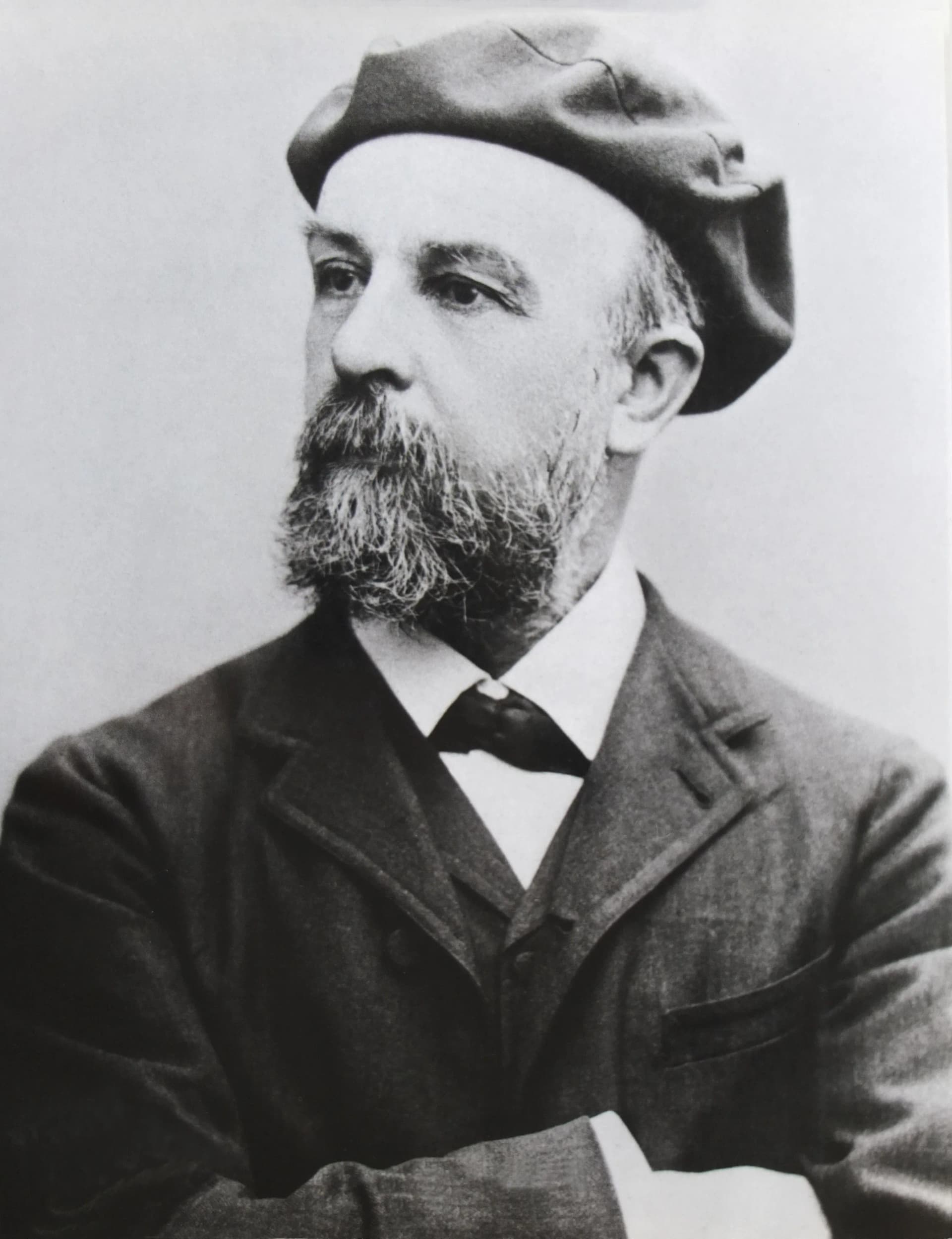
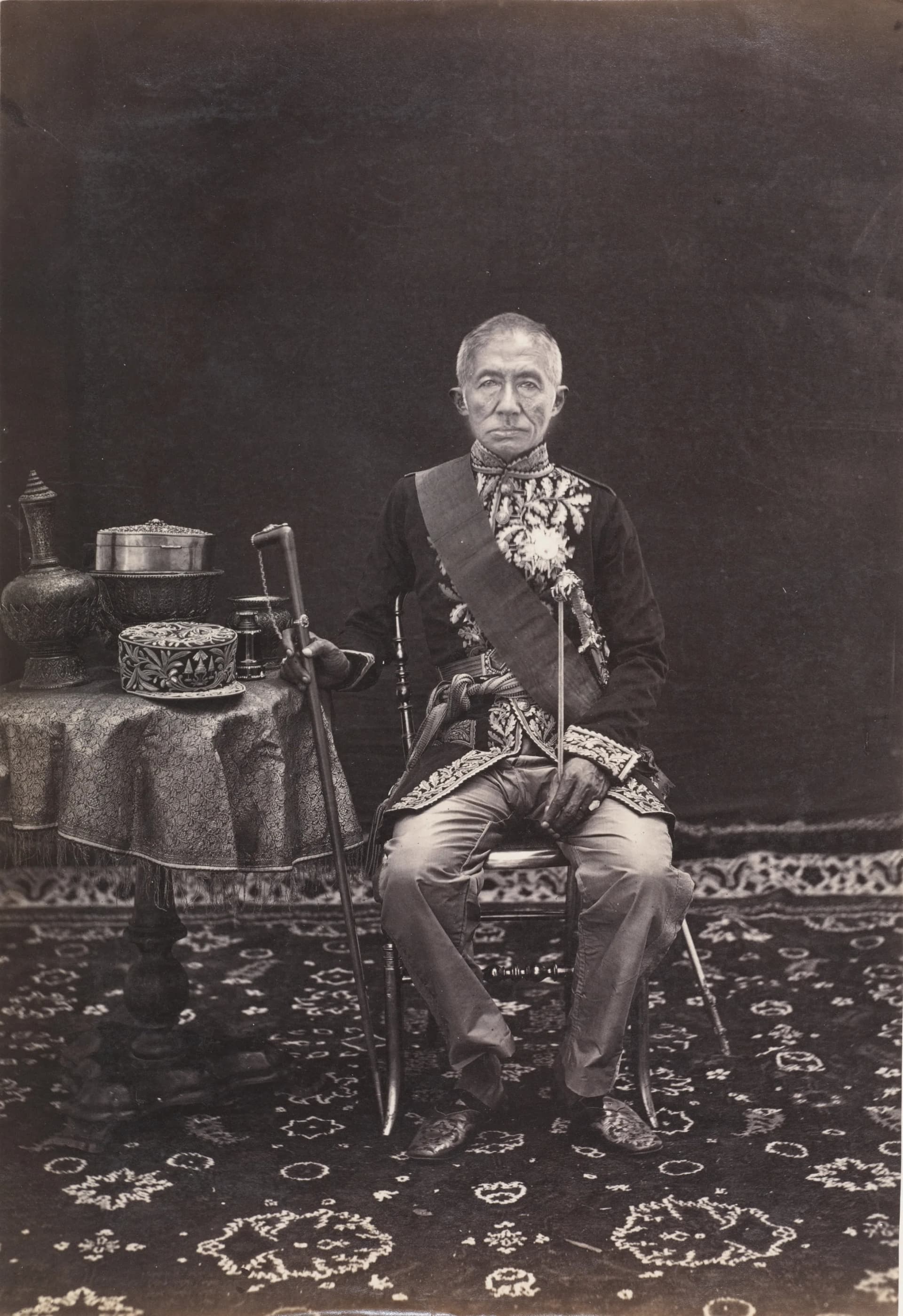
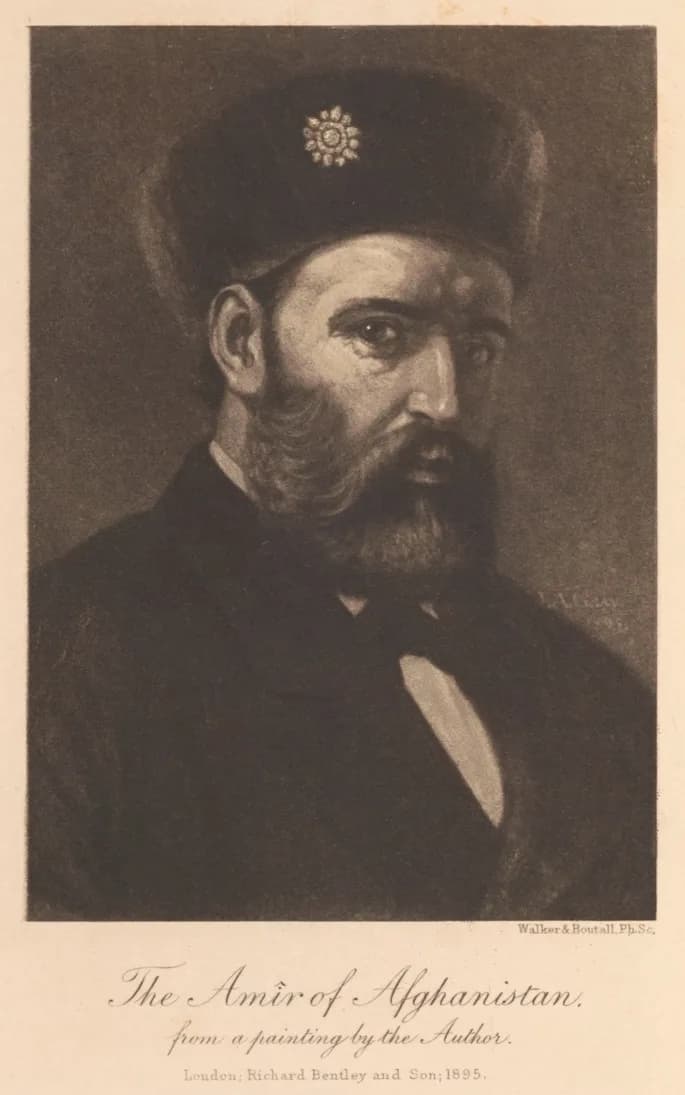
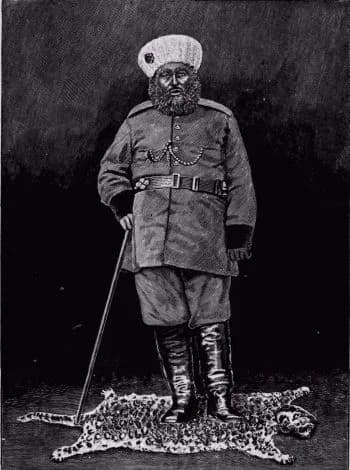
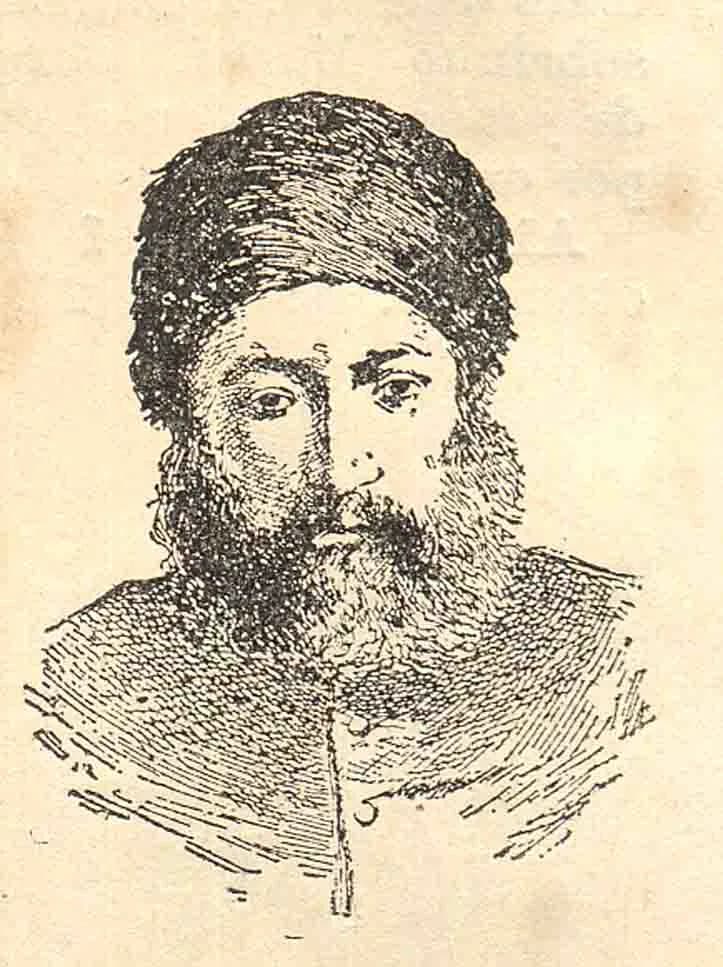
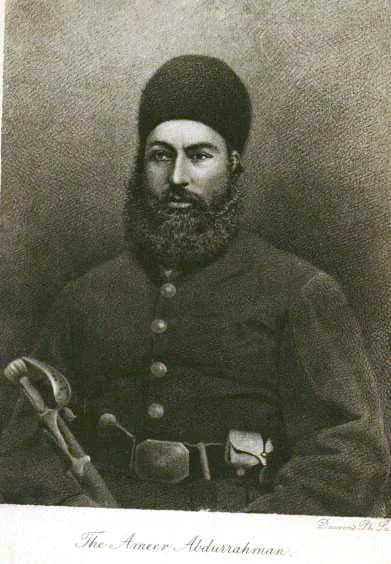
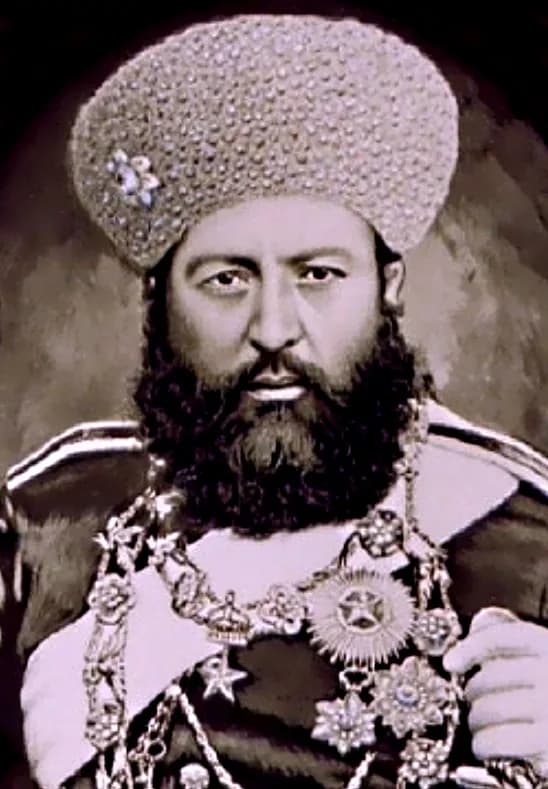
Abdur Rahman Khan (1840–1901) was Afghanistan best known for Emir of Afghanistan from 1880 to 1901.
Abdur Rahman Khan (January 1, 1840 – October 1, 1901) was a politician who served as the Emir of Afghanistan. He is renowned for uniting the country after years of strong decentralization and internal fighting. His negotiation of the Durand Line agreement with British India also cemented his historical significance.
Жизнь в моментах
Моменты, что определили жизнь
Глава
Главы жизни
Глава 1 · 1880· Глава 1 из 7
Remembering Abdur Rahman Khan
Abdur Rahman Khan, a profoundly influential politician and the esteemed Emir of Afghanistan, led his nation with unwavering resolve from 1880 until his death on October 1, 1901. Born on January 1, 1840, in the historic city of Kabul, Afghanistan, and passing away in the same capital, his more than two-decade reign represented a critical period of national consolidation and identity formation. His remarkable ability to unite a fractured country earned him the enduring and fitting epithet, the Iron Emir.
During his time as Emir, Abdur Rahman Khan faced formidable challenges, both from internal dissent and external geopolitical pressures. He is credited with bringing an end to years of severe decentralization and pervasive internal fighting that had long hindered Afghanistan's development and stability. His leadership was instrumental in establishing a robust, centralized government, thereby laying crucial foundational structures for a modern Afghan state and securing its position on the regional stage.
His governance style, often characterized by its firmness and strategic foresight, allowed him to navigate the complex political currents of the late 19th century. Abdur Rahman Khan’s primary objective was to forge a cohesive national entity out of disparate tribal allegiances and regional power bases. This monumental task, undertaken with considerable determination, ultimately redefined Afghanistan's internal governance and its relationship with neighboring powers, securing his place as one of the most significant figures in the nation's history.
Глава 2 · 1840· Глава 2 из 7
Early Life and Origins
Abdur Rahman Khan entered the world on January 1, 1840, in Kabul, the ancient and culturally rich capital of Afghanistan. His birth into the esteemed Barakzai dynasty inherently placed him within the intricate and often volatile political landscape of the region. While detailed records of his specific early upbringing and formal education are not widely available, his noble lineage would have certainly immersed him in the traditional governance practices and prevailing power struggles that defined 19th-century Afghanistan.
Growing up in Kabul during such a tumultuous era meant Abdur Rahman Khan experienced firsthand the relentless instability that plagued his homeland. Afghanistan was frequently caught in the strategic maneuvers of larger empires, a period known as the Great Game, which fostered a climate of internal discord and external interference. These formative years undoubtedly instilled in him a deep understanding of the urgent necessity for a unified and unyielding central authority to safeguard national sovereignty and secure lasting peace for the Afghan people.
The intricate web of tribal loyalties and the constant vying for influence among various factions within the Barakzai family itself would have provided Abdur Rahman Khan with invaluable, albeit harsh, political lessons. This exposure to both the grandeur and the fragility of power in Afghanistan’s capital profoundly shaped his future approach to leadership, preparing him for the immense task of state-building that lay ahead.
Глава 3 · 1880· Глава 3 из 7
Career Beginnings
Abdur Rahman Khan's significant political journey culminated with his ascension to the throne as Emir of Afghanistan on August 11, 1880. This pivotal moment arrived after years of profound unrest and a deeply fragmented national identity, presenting him with a country teetering on the brink of disarray. His taking the reins of power was a critical turning point for the nation, which desperately yearned for stable and decisive leadership amidst the prevailing chaos.
Prior to his emirate, Afghanistan had endured a protracted period marked by intense political decentralization and incessant internal fighting. Numerous regional factions and local strongmen fiercely competed for influence, effectively preventing the emergence of a cohesive and authoritative national government. The absence of a strong central hand had left the country vulnerable to both internal collapse and external manipulation, creating a dire situation for its populace.
Abdur Rahman Khan courageously stepped into this challenging vacuum, recognizing the immediate need to restore order and unity through firm leadership and a clear strategic vision. His early career as Emir was thus defined by the monumental task of consolidating power, asserting central authority, and bringing an end to the pervasive tribal conflicts that had long undermined the fabric of the Afghan state. This undertaking would form the bedrock of his entire two-decade rule, setting the stage for profound national transformation.
Глава 4· Глава 4 из 7
Major Achievements and Career Highlights
One of Abdur Rahman Khan’s most profound and enduring achievements was his success in uniting Afghanistan, a country that had for years suffered under strong decentralization and relentless internal fighting. Upon assuming the emirate, he systematically set about consolidating power, compelling disparate tribal regions and local leaders to acknowledge and submit to the authority of the central government based in Kabul. This monumental and sustained effort effectively laid the foundational groundwork for a more stable, cohesive, and nationally aware Afghanistan.
His unwavering dedication to national cohesion and his unyielding will in the face of widespread opposition earned him the respected and apt epithet of the Iron Emir. This designation was a direct reflection of his formidable strength and resolute determination to govern. The process of unification was not solely reliant on military might; it involved complex political maneuvering, shrewd diplomacy, and the establishment of robust administrative structures that facilitated effective central control over previously autonomous territories. Abdur Rahman Khan’s policies were meticulously designed to overcome generations of fragmentation, ultimately fostering a unified Afghan state, an ambitious vision he largely brought to fruition during his extensive two-decade rule.
Another crowning achievement of Abdur Rahman Khan’s impactful emirate was the skillful negotiation and subsequent agreement of the Durand Line with British India. This landmark accord, formally established in 1893, meticulously demarcated the precise border between Afghanistan and British India, creating a frontier that continues to hold immense historical and geopolitical significance to this day. The negotiation itself was an incredibly delicate diplomatic undertaking, underscoring Afghanistan’s crucial position within the geopolitically sensitive region known as the Great Game, where the Russian and British empires vied for strategic influence.
The successful establishment of the Durand Line agreement solidified Afghanistan's international boundaries, an absolutely essential step for a nation striving for unambiguous sovereignty and recognition on the global stage. Abdur Rahman Khan skillfully managed complex diplomatic relations with powerful imperial neighbors, asserting Afghanistan’s independence while simultaneously defining its territorial limits with remarkable clarity. This strategic negotiation not only had lasting implications for regional stability but also fundamentally shaped Afghanistan's future as a distinct and recognized national entity, a testament to his astute statesmanship.
His approach to governance was characterized by a pragmatic understanding of power and the necessity of order. He understood that a strong, unified Afghanistan required not only a military capable of enforcing central directives but also an administrative system that could effectively implement policies and collect revenue across the land. This dual focus on security and effective administration was key to his success in overcoming the ingrained decentralization of the preceding decades.
Глава 5· Глава 5 из 7
Notable Works or Contributions
Beyond the grand strategic accomplishments of national unification and international border delineation, Abdur Rahman Khan's contributions permeated the very fabric of Afghan governance, leaving a lasting imprint. His relentless pursuit of a strong, centralized state was a continuous and comprehensive endeavor, involving the deliberate reorganization of state apparatuses and the forceful assertion of the Emir's authority across the entire breadth of the land. This sustained effort was absolutely vital in transitioning Afghanistan from a precarious collection of disparate territories towards a truly consolidated and unified nation.
The meticulous establishment of a coherent and functional administrative framework under his stringent centralized rule stands as a highly significant contribution. Abdur Rahman Khan ensured that the government in Kabul exercised effective control and exerted considerable influence over the numerous provinces and diverse tribal areas, which previously operated with significant autonomy. This systematic approach to governance, placing a strong emphasis on national unity, legal order, and administrative efficiency, proved to be an enduring legacy, fundamentally reshaping the country's political landscape and setting precedents for generations to come.
Abdur Rahman Khan’s vision transformed Afghanistan into a more organized, manageable, and sovereign state. This profound feat was achieved through persistent, strategic leadership and a clear understanding of the need for internal stability to resist external pressures. His efforts created a foundational structure that allowed for greater internal cohesion and a more unified voice on the international stage, consolidating the disparate elements of the Afghan polity into a recognizable nation-state.
Глава 6 · 1901· Глава 6 из 7
Later Years
Abdur Rahman Khan continued his vigorous and transformative rule as Emir of Afghanistan until his passing on October 1, 1901. Throughout his later years, he remained deeply dedicated to solidifying the considerable gains of his earlier reign, ensuring the continued stability, unity, and territorial integrity of the nation he had so painstakingly rebuilt. He worked tirelessly to embed the centralized authority he had established, making it resilient against potential future fragmentation and internal challenges.
His final years were a testament to his enduring commitment to a strong, independent, and unified Afghanistan. Even as his life drew to a close, Abdur Rahman Khan’s governance maintained its characteristic firmness and strategic oversight, ensuring the integrity of the state he had so devotedly constructed. His death in Kabul, Afghanistan, on that autumn day brought an end to an era of profound transformation for the country, marking the conclusion of a singular and impactful reign.
The administrative and political structures he had put in place during his long tenure continued to serve as a crucial framework for Afghanistan’s political life long after his passing. His successor inherited a far more unified and stable nation than the one Abdur Rahman Khan had taken control of decades earlier, a testament to his lasting influence and the enduring nature of his reforms.
Глава 7· Глава 7 из 7
Legacy and Impact
The legacy of Abdur Rahman Khan is inextricably intertwined with the very concept of a unified and independent Afghanistan. He is rightfully remembered as the decisive leader who meticulously pulled the country back from the brink of perpetual disunion, establishing a robust central authority where none had effectively existed for many years. His reign successfully cultivated a profound sense of national cohesion that had been largely absent for decades, fundamentally altering Afghanistan's historical trajectory and internal dynamics.
The enduring impact of Abdur Rahman Khan’s rule can be seen in the lasting strength and structure of the Afghan state, which profoundly benefited from the administrative and territorial stability he tirelessly championed. The Durand Line, a direct and significant result of his astute diplomatic prowess, has continued to define a substantial portion of Afghanistan's international frontier, shaping its geopolitical identity for over a century. His leadership transformed a fragmented region into a recognizable and coherent nation-state, thereby securing his place as a pivotal and foundational figure in Afghan history.
Abdur Rahman Khan's epithet, the Iron Emir, aptly captures the resolve and strength with which he governed, leaving an indelible mark on the nation. His strategic vision for a centralized, stable Afghanistan provided a crucial bulwark against both internal dissolution and external imperial ambitions. The foundations he laid during his nearly two decades in power continued to influence Afghanistan's development and its role in regional affairs for generations, solidifying his stature as a statesman whose influence resonated far beyond his lifetime.
FAQ
Часто спрашивают
Когда умер(ла) Abdur Rahman Khan?
Abdur Rahman Khan умер(ла) 1 октября 1901 г. в Kabul, Afghanistan в возрасте 61 лет.
Где родился(ась) Abdur Rahman Khan?
Abdur Rahman Khan родился(ась) в Kabul, Afghanistan 1 января 1840 г..
Чем больше всего известен(на) Abdur Rahman Khan?
Abdur Rahman Khan наиболее известен(на) за Emir of Afghanistan from 1880 to 1901.
Сколько лет было Abdur Rahman Khan на момент смерти?
Abdur Rahman Khan было 61 лет на момент смерти.
Какой национальности был(а) Abdur Rahman Khan?
Abdur Rahman Khan был(а) из Afghanistan.
Хронология
Жизнь кратко
Фотогалерея
Жизнь в фотографиях
Нажмите на любой снимок, чтобы развернуть · 24 фотографий
QR-код
Поделиться биографией
Печать и поделиться
Отсканируйте, чтобы открыть страницу биографии. Распечатайте для мероприятий, выставок или образовательных материалов.