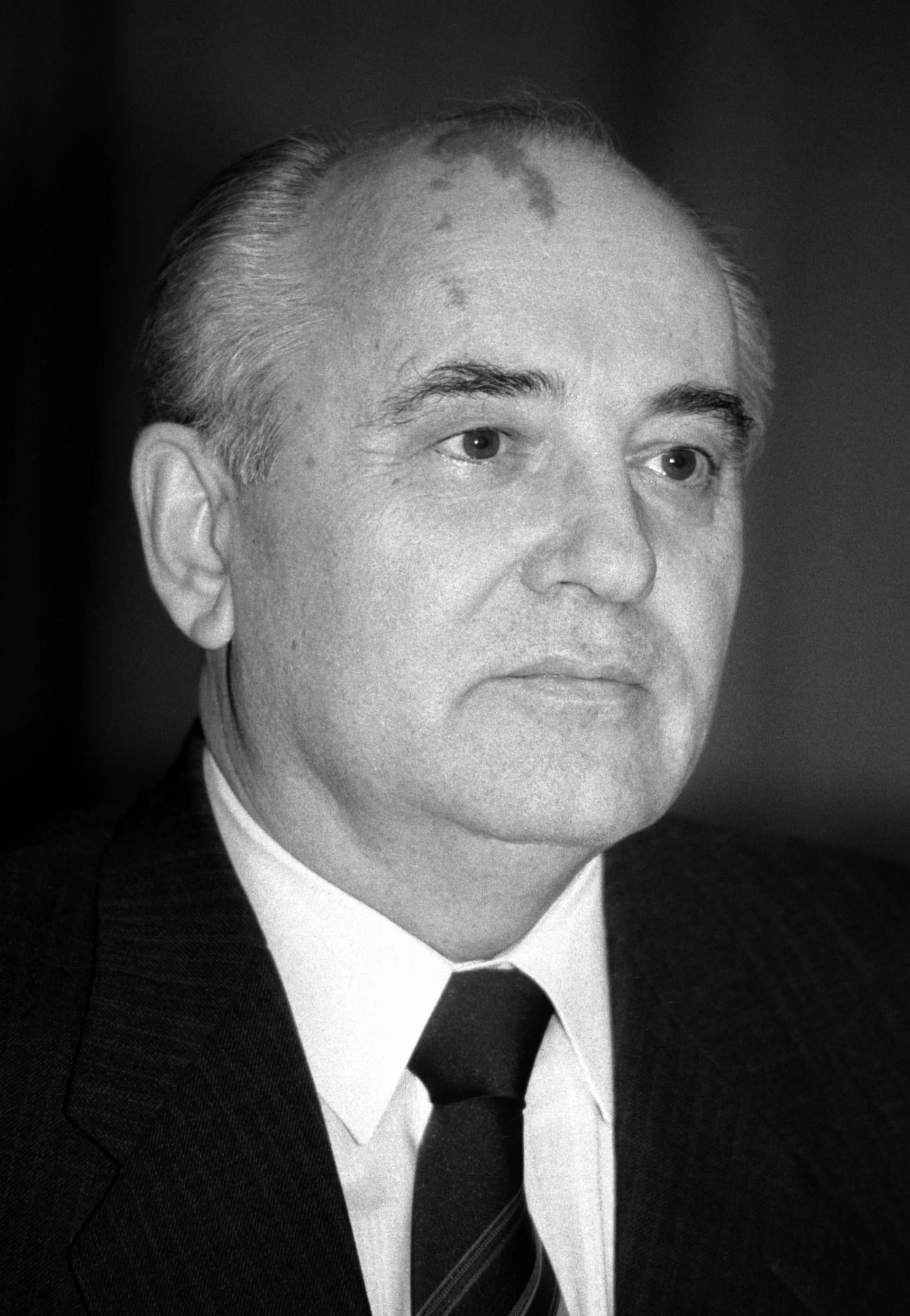
Născut
March 2, 1931
Privolnoye, Russia
Decedat
August 30, 2022
Central Clinical Hospital, Russia
Cunoscut pentru
leader of the Soviet Union from 1985 to 1991
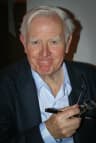
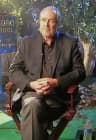
Mikhail Gorbachev (1931–2022) was Russia best known for leader of the Soviet Union from 1985 to 1991.
Mikhail Sergeyevich Gorbachev (March 2, 1931 – August 30, 2022) was a Soviet and Russian politician. He served as the last leader of the Soviet Union from 1985 to 1991, ushering in significant global changes. A Nobel Peace Prize laureate, his reforms impacted East-West relations.
Capitolul
Capitolele vieții
Capitolul 1 · 1931· Capitolul 1 din 8
Opening
Mikhail Sergeyevich Gorbachev (1931–2022) was a Soviet and Russian politician, jurist, economist, and environmentalist. He also had a background as a lawyer and even appeared as a film actor. Renowned as the last leader of the Soviet Union from 1985 until its dissolution in 1991, his life spanned a period of immense global change. Born in 1931 and passing away in 2022, Gorbachev's career profoundly shaped the late 20th century.
Capitolul 2 · 1931· Capitolul 2 din 8
Early Life and Origins
Born on March 2, 1931, Mikhail Gorbachev's early life unfolded in Privolnoye, Russia. His upbringing in this rural setting provided the initial context for his development. He pursued an education in law, establishing a foundational academic and professional discipline. This legal training would later support his extensive career in public service.
Capitolul 3· Capitolul 3 din 8
Career Beginnings
Gorbachev's professional journey began as a lawyer, equipping him with critical skills for governance. He then transitioned into the political arena, starting his ascent within the Soviet system. His early involvement in the Communist Party laid the groundwork for his future leadership roles. These initial steps were crucial to his understanding and navigation of the political landscape.
Capitolul 4 · 1985· Capitolul 4 din 8
Major Achievements and Career Highlights
Mikhail Gorbachev assumed leadership of the Soviet Union in 1985, a role he held until the country's dissolution in 1991. He served as General Secretary of the Communist Party from 1985, later becoming head of state in 1988. His period in power was characterized by significant shifts in international relations. For his efforts, he was awarded the Nobel Peace Prize in 1990.
The Nobel committee specifically recognized his "leading role in the radical changes in East-West relations." These changes contributed substantially to the end of the Cold War. Ideologically, he evolved from Marxism-Leninism, adopting positions closer to social democracy by the early 1990s. His leadership culminated in the eventual dissolution of the Soviet Union in 1991.
Capitolul 5· Capitolul 5 din 8
Personal Life
The available information highlights Mikhail Gorbachev's public roles and professional interests, such as his work as a jurist, economist, and environmentalist. Specific details about his family, personal relationships, or private hobbies are not provided in the given data. His public life was primarily defined by his political actions and reforms.
Capitolul 6 · 2020· Capitolul 6 din 8
Notable Works or Contributions
Beyond his political influence, Mikhail Gorbachev also engaged with the entertainment industry as a film actor. His filmography includes appearances in works like "Gorbachev. Heaven" (2020) and "Putin's Witnesses" (2018). These credits reflect a unique aspect of his public presence outside of state leadership.
Further film appearances are listed, such as "Zero Days" (2016), "Belluscone: A Sicilian Story" (2015), and "Scorpions - Forever And A Day" (2015). Even "No shade in the forest" (2025) is noted, suggesting future or posthumous involvement. These roles illustrate his willingness to be featured in diverse media productions.
Capitolul 7 · 1991· Capitolul 7 din 8
Later Years
After the dissolution of the Soviet Union in 1991, Mikhail Gorbachev remained an active voice on the global stage. He continued to offer perspectives on international affairs and the legacy of his reforms. His later career involved public engagements and commentary, maintaining his connection to significant historical developments.
He passed away on August 30, 2022, at the Central Clinical Hospital in Russia. His death marked the close of a life intertwined with a remarkable era of geopolitical change. Even in his final years, he served as a symbol of the profound transformations of the late 20th century.
Capitolul 8· Capitolul 8 din 8
Legacy and Impact
Mikhail Gorbachev's legacy is most strongly associated with his efforts to reform the Soviet Union and his role in de-escalating the Cold War. His initiatives, known as glasnost and perestroika, introduced new levels of openness and restructuring to Soviet society. These policies significantly altered the domestic and international standing of the Soviet Union.
His leadership had a lasting effect on East-West relations, leading to his recognition with the Nobel Peace Prize. He facilitated greater political freedoms and ultimately presided over the end of the Soviet state. Gorbachev's actions undeniably reshaped global politics, establishing him as a leader whose decisions left a permanent mark on history.
O viață în momente
Momentele care au modelat o viață
Întrebări frecvente
Întrebări frecvente
Când a murit Mikhail Gorbachev?
Mikhail Gorbachev a murit pe 30 august 2022 în Central Clinical Hospital, Russia, la vârsta de 91 ani.
Unde s-a născut Mikhail Gorbachev?
Mikhail Gorbachev s-a născut în Privolnoye, Russia pe 2 martie 1931.
Pentru ce este cunoscut(ă) Mikhail Gorbachev?
Mikhail Gorbachev este cunoscut(ă) cel mai mult pentru leader of the Soviet Union from 1985 to 1991.
Câți ani avea Mikhail Gorbachev la moarte?
Mikhail Gorbachev avea 91 ani la momentul morții.
Ce naționalitate avea Mikhail Gorbachev?
Mikhail Gorbachev era din Russia.
Cronologie
O viață dintr-o privire
Galerie foto
O viață în imagini
Faceți clic pe orice polaroid pentru a-l mări · 47 fotografii
Cod QR
Distribuiți această biografie
Imprimați și distribuiți
Scanați pentru a vizita această pagină biografică. Imprimați pentru evenimente, expoziții sau materiale educaționale.