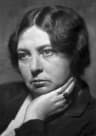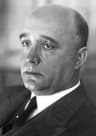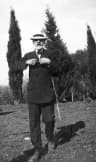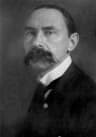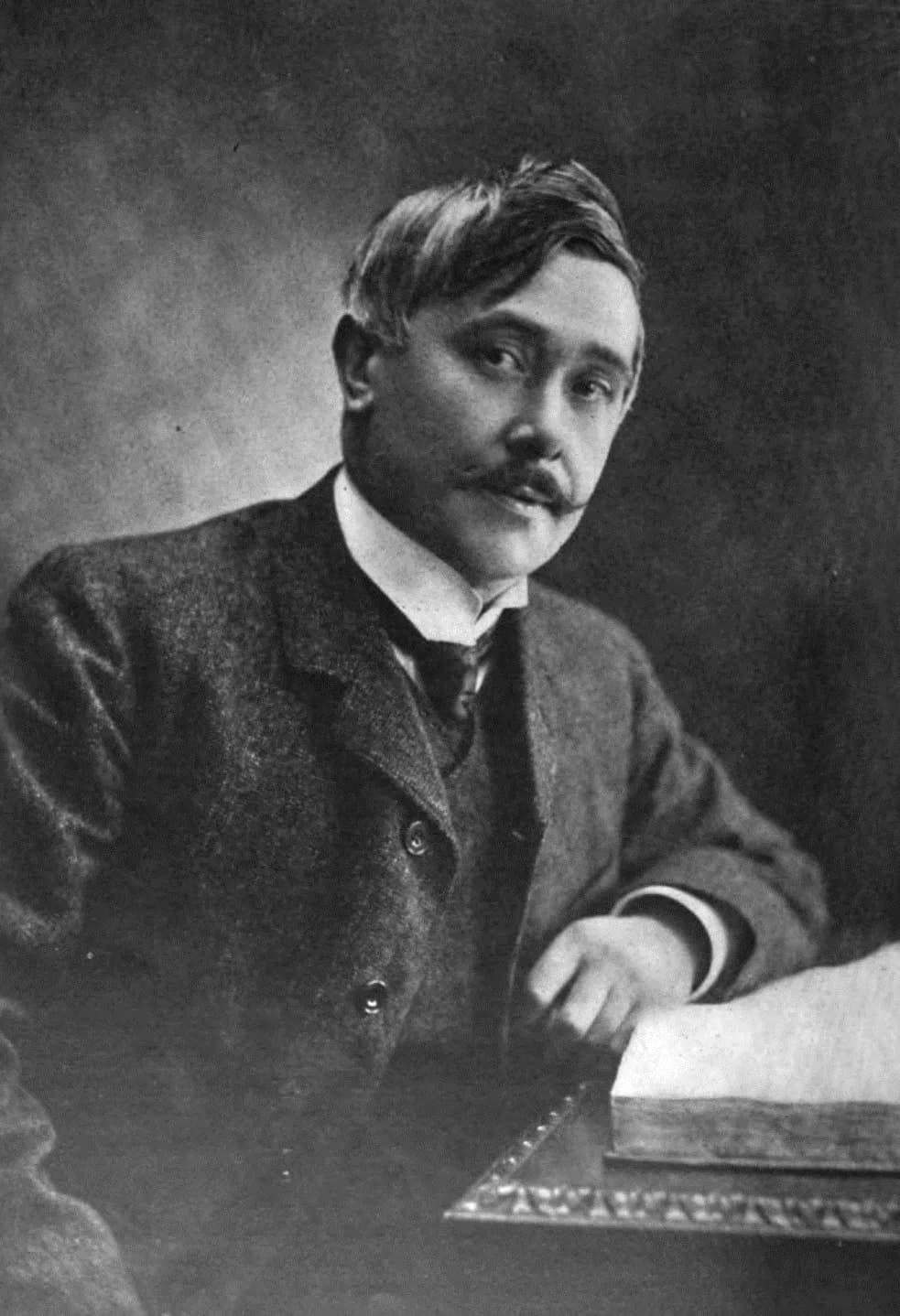
Născut
August 29, 1862
Ghent, Belgium
Decedat
May 6, 1949
Nice, France
Cunoscut pentru
Belgian playwright and essayist
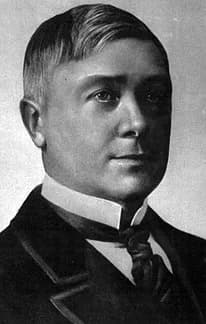
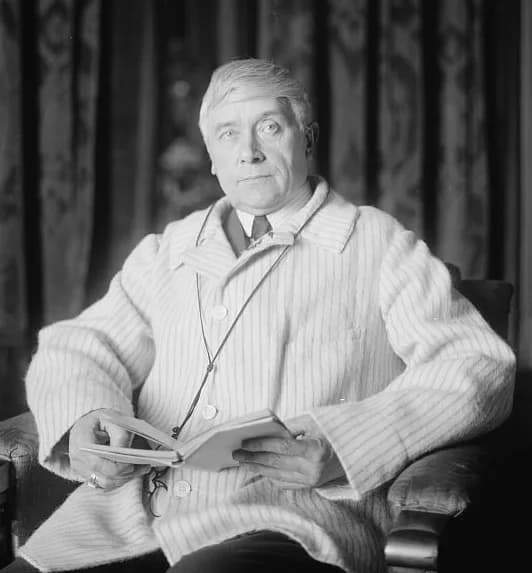
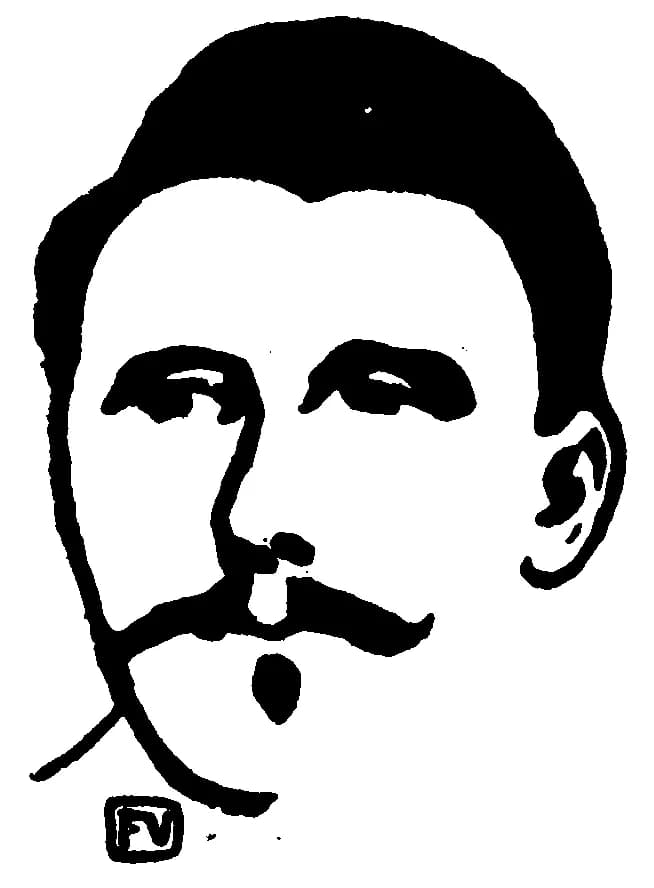
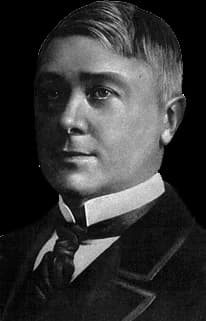
Maurice Maeterlinck (1862–1949) was Belgium best known for Belgian playwright and essayist.
Maurice Polydore Marie Bernard Maeterlinck (1862-1949) was a Belgian playwright, poet, and essayist who wrote in French despite his Flemish origins. He won the Nobel Prize in Literature in 1911 for his imaginative dramatic works that explored themes of death and life's meaning through Symbolist techniques.
Capitolul
Capitolele vieții
Capitolul 1 · 1862· Capitolul 1 din 6
Early Life and Origins
Maurice Maeterlinck was born on August 29, 1862, in Ghent, Belgium, during a time when the city served as a vibrant cultural center in Flanders. Growing up in a Flemish-speaking region, he would later make the distinctive choice to write primarily in French, a decision that would allow his works to reach a broader European audience. His upbringing in Ghent, with its rich medieval architecture and literary traditions, likely influenced his later fascination with mystical and symbolic themes.
Capitolul 2· Capitolul 2 din 6
Career Beginnings
Maeterlinck's literary career began as he became associated with La Jeune Belgique, a progressive literary group that sought to revitalize Belgian literature. This early involvement with like-minded writers and intellectuals provided him with a platform to develop his unique voice and explore the philosophical themes that would define his work. His initial writings began to establish him as a distinctive voice in the emerging Symbolist movement, which emphasized suggestion and emotion over direct representation.
Capitolul 3 · 1911· Capitolul 3 din 6
Major Achievements and Career Highlights
The pinnacle of Maeterlinck's recognition came in 1911 when he received the Nobel Prize in Literature. The Swedish Academy honored him "in appreciation of his many-sided literary activities, and especially of his dramatic works, which are distinguished by a wealth of imagination and by a poetic fancy, which reveals, sometimes in the guise of a fairy tale, a deep inspiration, while in a mysterious way they appeal to the readers' own feelings and stimulate their imaginations." This prestigious award recognized his unique ability to blend philosophical depth with accessible storytelling.
In 1932, Maeterlinck received another significant honor when he was granted the title of Count, becoming known as Comte Maeterlinck. This recognition from the Belgian nobility reflected his substantial contributions to literature and his status as a cultural ambassador for Belgium on the international stage.
Capitolul 4· Capitolul 4 din 6
Notable Works and Contributions
Maeterlinck's literary output spanned multiple genres and demonstrated his versatility as a writer. Among his notable works were "Wisdom and Destiny," which explored philosophical themes central to his thinking, and "Our Friend the Dog," which revealed his interest in animal behavior and intelligence. His dramatic works included "Alladine and Palomides," "Intérieur," and "La Mort de Tintagiles," plays that exemplified his Symbolist approach to theater.
His fascination with nature and animal intelligence led to works like "The Intelligence of Flowers" and "The Life of the White Ant," which combined scientific observation with poetic insight. These works demonstrated his ability to find philosophical meaning in the natural world, a theme that resonated throughout his career. His exploration of death and the meaning of life became central themes that distinguished his work from his contemporaries.
Capitolul 5· Capitolul 5 din 6
Later Years
Maeterlinck spent his final years in Nice, France, where he continued writing until his health declined. However, his later career was somewhat overshadowed by credible accusations of plagiarism, which cast a shadow over his literary reputation. Despite these controversies, he remained active in literary circles and continued to be recognized for his earlier contributions to literature.
He passed away on May 6, 1949, in Nice, bringing to a close a literary career that had spanned more than five decades. His death marked the end of an era for Belgian literature and the Symbolist movement that he had helped define.
Capitolul 6· Capitolul 6 din 6
Legacy and Impact
Maurice Maeterlinck's influence on literature extends far beyond his Nobel Prize recognition. As a leading figure in the Symbolist movement, he helped shape a new approach to drama and poetry that emphasized mood, atmosphere, and psychological depth over conventional narrative structure. His plays introduced audiences to a more introspective and philosophical form of theater that would influence generations of playwrights.
His work bridged the gap between the rational literature of the 19th century and the more experimental approaches of the 20th century. Through his exploration of death, fate, and human consciousness, he created a body of work that continues to resonate with readers and scholars. His ability to present complex philosophical ideas through accessible, fairy tale-like narratives demonstrated a unique talent that few writers have matched.
Today, Maeterlinck is remembered as a writer who dared to explore life's most fundamental questions through literature. His contributions to the Symbolist movement and his role in elevating Belgian literature to international prominence secure his place among the most important European writers of his era, despite the later controversies that affected his reputation.
O viață în momente
Momentele care au modelat o viață
Întrebări frecvente
Întrebări frecvente
Când a murit Maurice Maeterlinck?
Maurice Maeterlinck a murit pe 6 mai 1949 în Nice, France, la vârsta de 86 ani.
Unde s-a născut Maurice Maeterlinck?
Maurice Maeterlinck s-a născut în Ghent, Belgium pe 29 august 1862.
Pentru ce este cunoscut(ă) Maurice Maeterlinck?
Maurice Maeterlinck este cunoscut(ă) cel mai mult pentru Belgian playwright and essayist.
Câți ani avea Maurice Maeterlinck la moarte?
Maurice Maeterlinck avea 86 ani la momentul morții.
Ce naționalitate avea Maurice Maeterlinck?
Maurice Maeterlinck era din Belgium.
Cronologie
O viață dintr-o privire
Galerie foto
O viață în imagini
Faceți clic pe orice polaroid pentru a-l mări · 49 fotografii
Cod QR
Distribuiți această biografie
Imprimați și distribuiți
Scanați pentru a vizita această pagină biografică. Imprimați pentru evenimente, expoziții sau materiale educaționale.