Biografie · entomologist, botanist, naturalist, scientific illustrator, graphic artist, painter, and lepidopterologist

5 min read · 929 words

Maria Sibylla Merian

1647 · 1717

Ani trăiți
69
Fotografii
50
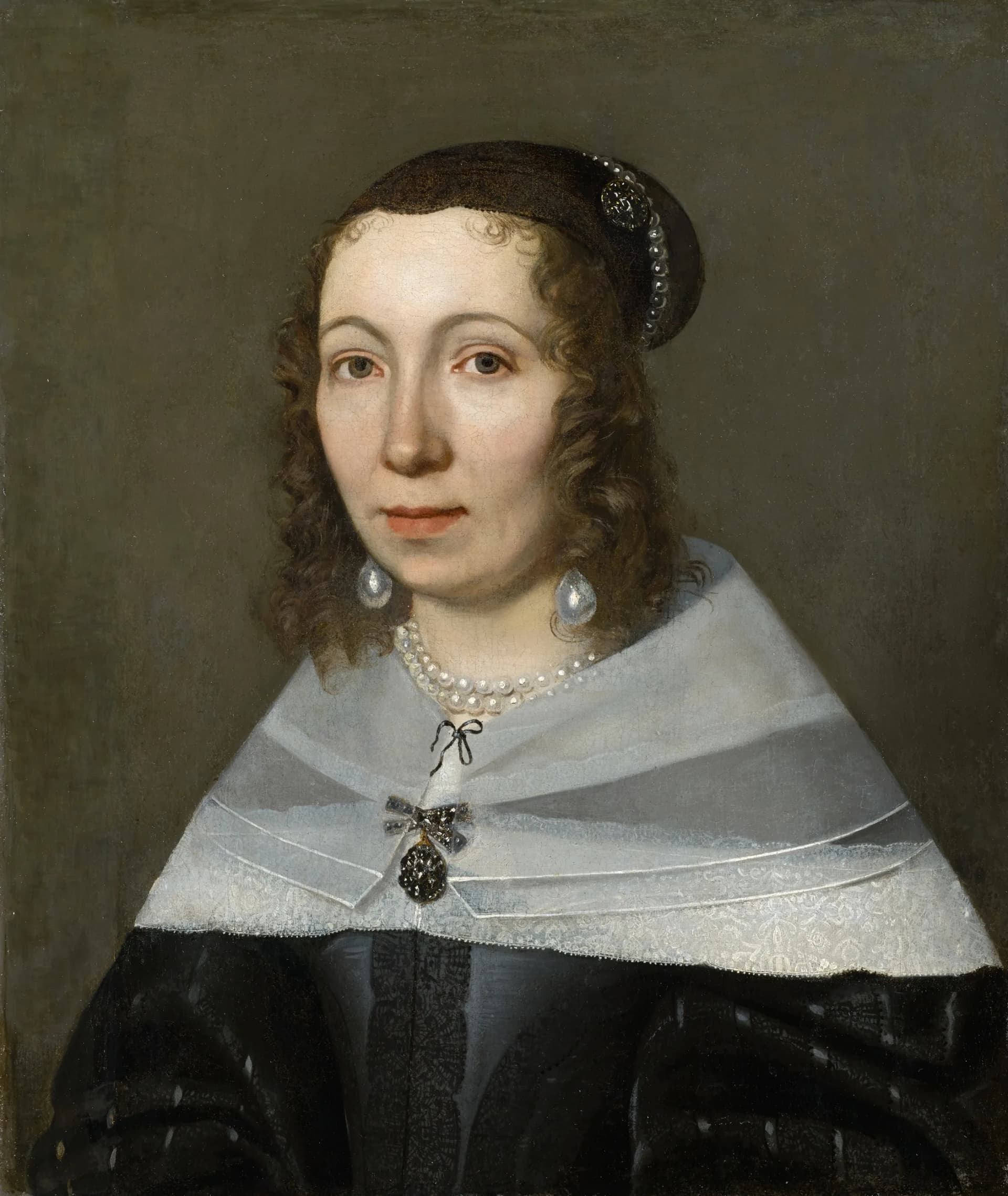
Maria Sibylla Merian portrait

Născut

April 2, 1647

Frankfurt, Francia

Decedat

January 13, 1717

Amsterdam, Netherlands

Cunoscut pentru

entomologist, botanist, naturalist, scientific illustrator, graphic artist, painter, and lepidopterologist

Maria Sibylla Merian (April 2, 1647 – January 13, 1717) was a German entomologist, naturalist, and scientific illustrator. She pioneered direct observation and documentation of insects, significantly contributing to the fields of botany and lepidopterology. Her detailed artworks, such as 'Study of Capers, Gorse, and a Beetle,' showcase her lasting scientific and artistic legacy.

O viață în momente

Momentele care au modelat o viață

Scris în English

Capitolul

Capitolele vieții

Capitolul 1· Capitolul 1 din 7

Early Life and Origins

Maria Sibylla Merian’s journey began in Frankfurt, then part of Francia, a vibrant city that served as a significant cultural and intellectual hub in the 17th century. She was born into the distinguished Frankfurt branch of the Swiss Merian family, a lineage known for its artistic and publishing endeavors. This familial background provided a fertile ground for her innate talents, likely fostering an early appreciation for both precision and visual artistry.

Her early environment, steeped in the traditions of engraving and illustration from her stepfather, Jacob Marrel, a flower painter, surely influenced her artistic development. This exposure to detailed visual representation, combined with a natural curiosity, laid the groundwork for her future scientific pursuits. Frankfurt's rich intellectual atmosphere during her formative years may also have contributed to her independent spirit and her inclination towards direct observation.

Capitolul 2· Capitolul 2 din 7

Career Beginnings

Merian embarked on her career path with an unparalleled drive to understand the natural world, a pursuit that was notably uncommon for women of her era. She distinguished herself as one of the earliest European naturalists to systematically document observations about insects directly, challenging conventional reliance on ancient texts. This commitment to firsthand investigation was a radical approach, establishing a new paradigm for scientific inquiry.

Her early work involved not only drawing and painting but also actively collecting and raising insects, particularly caterpillars, to meticulously observe their complete life cycles. This hands-on method allowed her to capture the metamorphosis of various species with an accuracy and detail previously unseen. Her illustrations were therefore not just beautiful artworks but invaluable scientific records of biological processes.

Capitolul 3· Capitolul 3 din 7

Major Achievements and Career Highlights

Merian's most significant achievement lies in her pioneering integration of scientific observation with artistic precision, transforming the field of natural history illustration. She was not merely an artist depicting specimens; she was a scientist meticulously recording biological phenomena. Her detailed depictions of insects, often shown alongside the plants they fed upon, provided ecological context that was revolutionary for the period.

As an accomplished lepidopterologist, her focused study of butterflies and moths contributed substantially to the understanding of these insect orders. Her persistent dedication to documenting entire life cycles—from egg to larva, pupa, and adult—provided crucial insights into insect development. This holistic approach demonstrated a profound understanding of ecological relationships long before the term 'ecology' became widely used in scientific discourse.

Capitolul 4· Capitolul 4 din 7

Personal Life

While specific details of Maria Sibylla Merian's personal relationships are sparse in general biographical accounts, her career itself offers insights into her character and life choices. Her relentless pursuit of scientific knowledge and artistic perfection in a male-dominated 17th-century society speaks volumes about her unwavering dedication and independent spirit. She demonstrated exceptional resolve in her fieldwork and publishing endeavors.

Her life was intrinsically linked to her work, with her artistic and scientific pursuits often demanding extensive travel and arduous fieldwork. The intensity and breadth of her projects suggest a life deeply committed to her passions, where personal interests converged with professional ambition. This singular focus allowed her to make extraordinary contributions that resonated across both scientific and artistic disciplines.

Capitolul 5 · 1693· Capitolul 5 din 7

Notable Works or Contributions

Among Merian's celebrated contributions is the artwork titled 'Study of Capers, Gorse, and a Beetle,' created in 1693 and now housed at the Met Museum. This piece exemplifies her distinctive approach, where botanical elements are intricately woven with zoological subjects. The illustration not only showcases her artistic prowess but also her precise scientific observation of the interconnectedness of flora and fauna.

This artwork, like many of her creations, serves as both a botanical illustration and an entomological record, demonstrating her dual expertise. Such works were instrumental in advancing the public's understanding of natural history beyond the confines of dry academic texts. Her comprehensive visual narratives brought the unseen world of insects to vivid life, making complex biological processes accessible and engaging.

Capitolul 6· Capitolul 6 din 7

Later Years

In her later years, Maria Sibylla Merian resided in Amsterdam, Netherlands, where she continued to refine and expand upon her vast body of work. The bustling intellectual environment of Amsterdam provided an ideal setting for her continued research, publishing, and engagement with fellow naturalists and collectors. She remained an active and influential figure in scientific and artistic circles until her passing.

Her time in Amsterdam allowed her to consolidate her extensive observations and publish some of her most celebrated works, further cementing her reputation across Europe. Even in her final years, she maintained her commitment to direct observation and accurate depiction, ensuring that her scientific and artistic standards remained exceptionally high. She passed away in Amsterdam on January 13, 1717, leaving behind an invaluable legacy.

Capitolul 7· Capitolul 7 din 7

Legacy and Impact

Maria Sibylla Merian's legacy is immense, profoundly influencing the fields of entomology, botany, and scientific illustration. Her pioneering method of documenting the complete life cycles of insects directly from observation set a precedent for future naturalists. She revolutionized how scientists and the public understood insect metamorphosis and their interactions with plants.

Her exquisitely detailed and scientifically accurate illustrations continue to be admired for their artistic beauty and their invaluable contributions to natural history. Merian's work proved that art could serve as a powerful tool for scientific communication, making complex biological processes clear and engaging. She inspired generations of naturalists and artists, solidifying her place as a foundational figure in both scientific discovery and visual art.

Ultimately, Maria Sibylla Merian broke barriers as a woman in science, demonstrating intellectual rigor and artistic talent in an era when such pursuits were largely inaccessible to women. Her name is synonymous with meticulous observation, artistic excellence, and a groundbreaking spirit that forever changed the way we perceive the minute wonders of the natural world.

Cronologie

O viață dintr-o privire

  1. 1693

    Notable Works or Contributions

Galerie foto

O viață în imagini

Faceți clic pe orice polaroid pentru a-l mări · 49 fotografii

Cod QR

Distribuiți această biografie

Imprimați și distribuiți

Scanați pentru a vizita această pagină biografică. Imprimați pentru evenimente, expoziții sau materiale educaționale.
Cine a fost Maria Sibylla Merian? | WhoWasThisGuy.com